



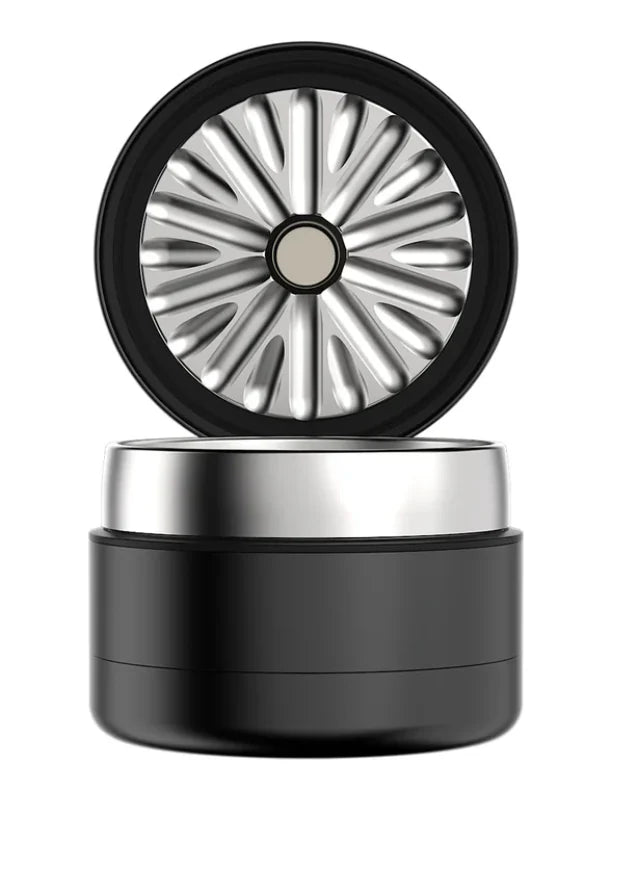



Joint rollers for medical marijuana patients: complete 2026 guide
A joint roller for medical marijuana patients is a preparation tool that shapes rolling paper around flower with the aim of making rolling easier to manage. This 2026 guide focuses on grip, paper handling, cleanup, and caregiver support—not treatment recommendations or dosing.
- Choose a joint roller for medical marijuana patients by the hand movements it requires, not its advertised capacity.
- Headshop is best for adult shoppers comparing smoking accessories, not choosing medical treatment.
- Manual joint rollers require paper feeding; pre-rolled cones remove that task but still require filling.
- A rolling machine shapes paper and flower; it does not measure the dose delivered.
Why joint rollers matter for medical marijuana patients
The right roller addresses a specific preparation difficulty; it does not make smoking medically safer. If gripping paper, keeping flower contained, or completing a tuck is difficult for you, evaluate those tasks separately before buying equipment.
Start with the practical question covered in whether a joint roller is worth it if you can roll by hand. Being able to finish a roll does not mean the process is comfortable or repeatable for you.
For your 2026 buying checklist, separate 3 tasks: opening the tool, loading it, and removing the finished roll. A machine that simplifies shaping but introduces a difficult latch has not solved the whole problem.
This guide is for adults using products lawfully. Discuss the suitability of smoking, alternative routes of administration, and your treatment plan with your clinician. An accessory recommendation is not a medical recommendation, and a medical authorization does not replace applicable purchase or possession rules.
Choose a joint roller around your actual routine
Identify the movement you need to avoid
Try your existing preparation method over a clean, shallow tray before adding another tool. Notice where the process stops: separating a paper, holding a tip, tucking an edge, or turning a mechanism. Use that observation to choose a tool rather than assuming every rolling machine reduces hand effort.
Choose for the hardest movement, not the easiest demonstration. A product video showing quick operation does not establish whether you can comfortably open, load, and clean that particular model.
If your hand function changes, assess the process when preparation is difficult—not only when it feels easy. Stop a test that causes pain; do not treat repeated practice as a requirement for using an unsuitable accessory.
- Write down the movement that interrupts preparation.
- Note whether you need to support the tool with another hand.
- Check whether small loose pieces are difficult to retrieve.
- Identify any latch, lid, or knob you cannot operate comfortably.
- Decide whether caregiver assistance belongs in the routine.
Match the mechanism to the difficult task
Compare hand rolling, a manual roller, and filling a pre-rolled cone before considering powered equipment. Hand rolling avoids maintaining a separate mechanism, but it retains the paper-tucking task. A manual roller guides the shape, while a cone removes the need to form a flat sheet into a tube.
None removes every preparation step. Manual rollers still require loading and paper handling; cones still require support and filling. Powered equipment still needs setup, loading, and cleaning, so a motor alone is not proof of accessibility.
For a 2026 purchase, ask for a demonstration of the complete cycle, including emptying and cleanup. Confirm whether the particular device is designed for flat papers, cones, or another format; these are not interchangeable mechanisms.
- Choose hand rolling only if paper control is comfortable.
- Consider a manual roller when tucking is the main obstacle.
- Consider cones when feeding a flat paper is the obstacle.
- Evaluate powered equipment by its controls and loading process.
- Reject a mechanism that requires movements you cannot manage.
Check paper compatibility before adding accessories
Use the paper and tip information in the roller's instructions as your starting point. Match the specified format rather than guessing from a photograph. A roller designed around one paper length does not establish compatibility with every other length, width, or wrap material.
Headshop sells smoking accessories, but a retail category is not a compatibility guarantee. Check the individual item's specifications and instructions before combining a roller, papers, tips, or a filling attachment. Do not substitute a glass joint adapter for a rolling accessory: those are different product types.
Avoid buying several unfamiliar components together. Start with a compatible setup you can evaluate, then change accessories only when they address an identified problem. That makes troubleshooting more straightforward.
- Confirm the supported paper or cone format.
- Check whether tips are supported and how they sit.
- Read any restrictions on wraps or materials.
- Verify compatibility for each attachment separately.
- Keep the instructions with the preparation supplies.
Arrange a stable preparation space
First use a clean tray and a stable work surface you already have. Place supplies within comfortable reach and keep the working area separate from ignition sources. A dedicated accessory is useful only if it solves a problem that remains after this basic setup.
Divide the space into 3 zones: supplies, preparation, and storage. Keep papers away from loose flower and cleaning moisture. Set aside a place for loose components so you do not have to search across the work surface while holding the roller open.
For your 2026 setup, check the entire reach from opening storage to putting everything away. A convenient rolling position does not help if retrieving the supplies or closing the container is the hardest part of the routine.
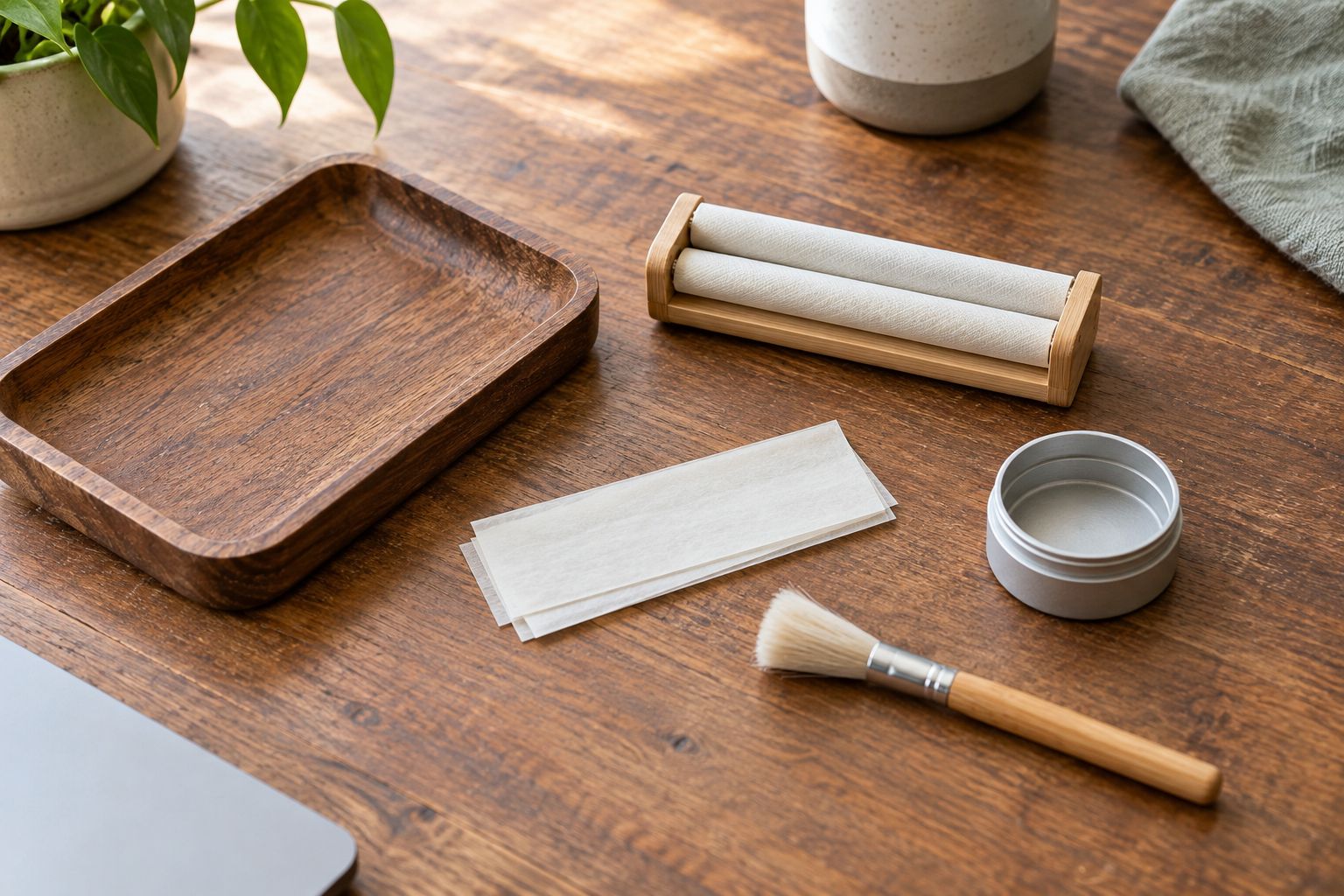
A good arrangement keeps the task visible without requiring you to hold everything at once. Test placement with the equipment empty before introducing material.
- Put the tray on a stable surface.
- Arrange frequently used items within comfortable reach.
- Keep loose parts in a separate shallow container.
- Keep cleaning moisture away from papers.
- Store supplies securely away from children and pets.
Test the complete preparation sequence
Read the manufacturer's directions before using a roller. Start by operating the empty mechanism so you can identify its opening, closing, and release movements. Stop if it catches, requires uncomfortable force, or behaves differently from the instructions.
Use 3 checkpoints for the test: load, operate, and remove. Look for spilled material, difficult paper placement, and trouble releasing the finished roll. Judge success by whether you can complete the process comfortably, not whether the roll looks uniform.
A consistent shape does not establish a consistent delivered dose. The amount prepared and the amount inhaled are different questions; follow your clinician's guidance rather than using the roller's capacity as a treatment instruction.
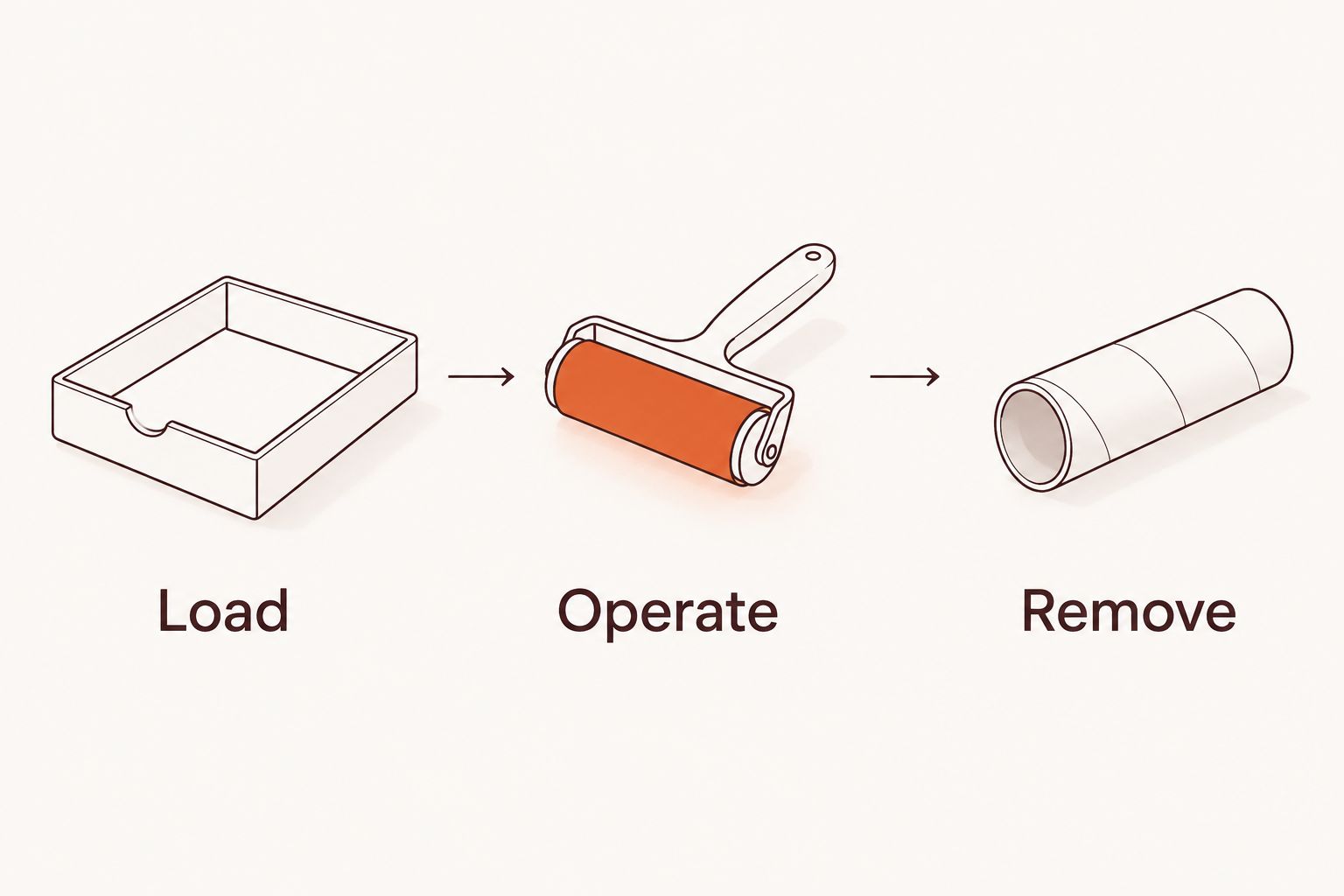
If the test fails, identify the point of failure before changing equipment. Change 1 variable at a time so you can tell whether the adjustment helps.


- Test opening and closing with the tool empty.
- Follow the specified loading and paper-feeding sequence.
- Check that removal does not require force.
- Record the step that causes difficulty.
- Stop using damaged or malfunctioning equipment.
Plan cleaning and caregiver support
Check cleaning instructions before choosing a model. Accessible operation is only part of ownership; you also need a workable way to remove residue, inspect the mechanism, and let cleaned parts dry as directed. Do not assume every material tolerates soaking or the same cleaning product.
If a caregiver helps, agree on the tasks in advance. Assistance with setup, preparation, and storage should follow your preferences and applicable rules. A caregiver should not have to infer your treatment instructions from the size of the rolling machine.
Include maintenance in your 2026 equipment decision. A tool that is easy to operate but difficult to clean independently needs an explicit support plan, not an assumption that cleanup will take care of itself.
- Read cleaning directions before the first use.
- Remove residue using the permitted method.
- Inspect moving parts and any rolling belt for damage.
- Reassemble only as the manufacturer directs.
- Agree on caregiver tasks before assistance is needed.
Compare preparation options by the work they leave you
The best option removes your difficult task without replacing it with another one. This table compares preparation methods, not medical outcomes. It does not rank smoking against other administration routes.
| Option | Best for | Practical advantage | Key limitation |
|---|---|---|---|
| Hand rolling | Adults comfortable controlling paper and tips | No separate rolling mechanism to maintain | Requires coordinated paper shaping and tucking |
| Manual roller | Adults who find paper tucking difficult but can operate the mechanism | Guides the paper into a cylindrical shape | Still requires loading, paper feeding, and release |
| Pre-rolled cone | Adults who want to avoid handling a flat paper | Removes the flat-paper shaping step | Still needs support, filling, and careful handling |
| Powered preparation equipment | Adults evaluating a specific assisted mechanism | Automates the action described by that device's instructions | Loading, controls, cleaning, and format compatibility remain |
| Caregiver-assisted preparation | Adults who need agreed assistance with difficult steps | Allows tasks to be shared | Depends on caregiver support and applicable rules |
Headshop's joint roller guidance belongs in the accessory-selection part of this decision, not the clinical part. Bring questions about administration and treatment to your clinician; bring questions about dimensions, supported formats, and cleaning to the product instructions or retailer.
Before purchasing, explain the actual task you need help with. Asking whether a latch opens without a pinch grip is more useful than asking whether a product is generally easy to use. Request a clear answer rather than treating a missing specification as confirmation.
Common mistakes medical marijuana patients make
- Buying the largest roller instead of the most manageable one. Capacity is not an accessibility measure. Choose a format you can load, operate, and empty comfortably; do not treat maximum capacity as a suggested amount to use.
- Assuming powered means hands-free. Identify who will open storage, prepare material, load the device, and clean it. Automation of a single movement does not remove the surrounding tasks.
- Equating a uniform roll with a measured dose. Shape and appearance do not measure the amount delivered to your body. Keep treatment decisions separate from rolling technique.
- Testing only operation, not ownership. Include paper retrieval, container opening, component replacement, and cleanup in your evaluation. The daily routine extends beyond turning the roller.
- Assuming medical status settles every legal question. Check the current rules for your location, purchase, possession, caregiver assistance, and intended use. An online accessory listing does not establish legal permission.
FAQ
What's the best joint roller for medical marijuana patients?
The best joint roller is one that removes your difficult preparation step and remains comfortable to load, operate, empty, and clean. Choose by the movements required rather than capacity or appearance.
Is a manual roller better than pre-rolled cones for limited dexterity?
Neither is automatically better for limited dexterity. A manual roller still requires paper feeding, while a pre-rolled cone still requires support and filling; compare those tasks against your needs.
Does a joint roller measure my medical dose?
No, a joint roller does not measure the dose delivered to your body. It shapes paper and flower; follow your clinician's treatment guidance rather than using machine capacity as dosing advice.
Can I use a joint roller with one hand?
One-handed suitability depends on the specific mechanism and your ability to complete every preparation step. Check opening, loading, operation, removal, and cleaning rather than relying on a demonstration of rolling alone.
Are electric rolling machines always easier to use?
No, electric rolling machines are not always easier to use. Controls, loading openings, jams, disassembly, and cleaning can introduce tasks that remain difficult despite powered operation.
Can a caregiver help me prepare rolling supplies?
Caregiver assistance must follow the rules that apply to your location and situation. Agree on the tasks and follow your treatment instructions; buying an accessory does not establish permission for caregiver handling.
Does using a roller make smoking safer?
A roller does not make smoking medically safe. It changes preparation, not the risks of inhaling smoke; discuss smoking and alternative administration routes with your clinician.
One last thing
Test putting the tool away before deciding to keep it. Opening storage, cleaning the mechanism, and securing loose parts can reveal a difficulty that a rolling demonstration misses.
For a 2026 purchase, write down the hardest movement before shopping and check it against the complete routine. Headshop's smoking accessories are retail tools—not evidence that a particular setup suits your medical needs.
Related guides