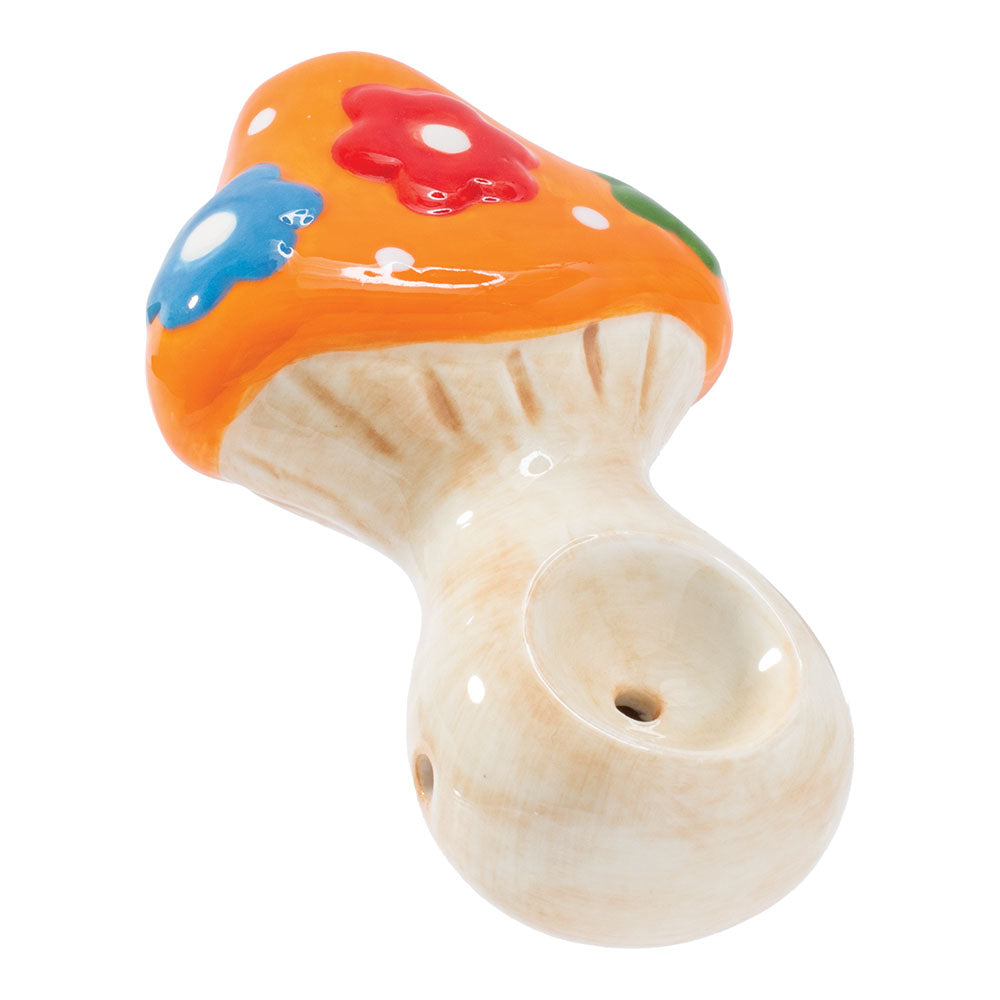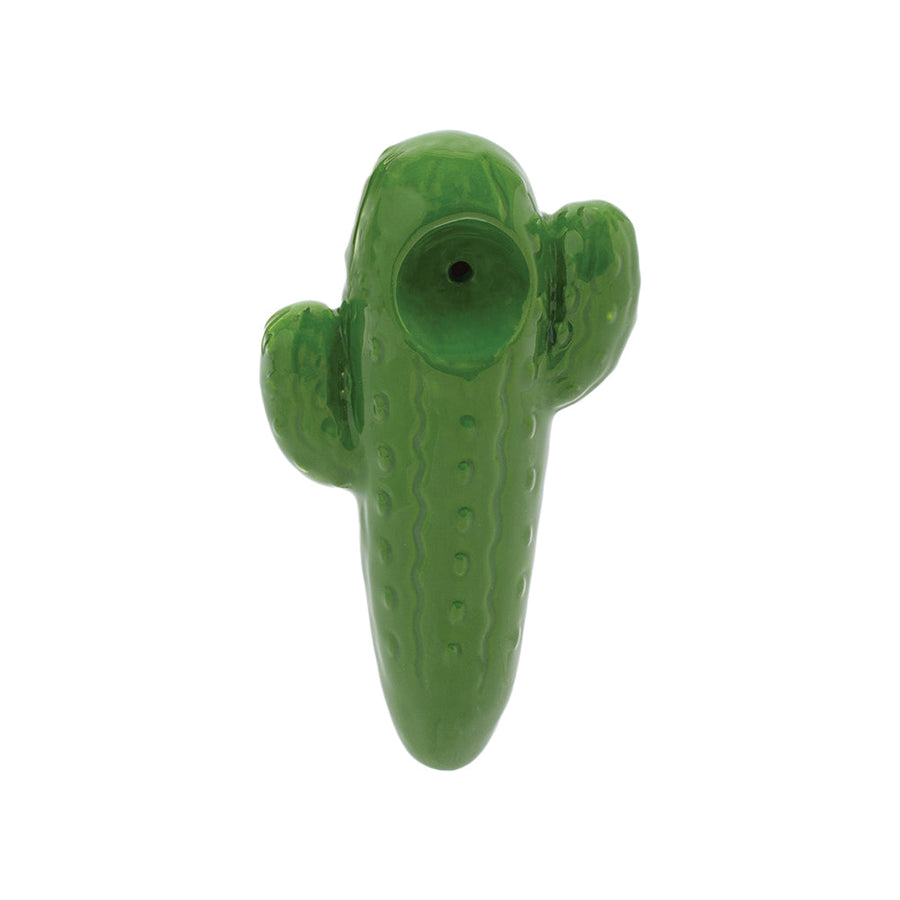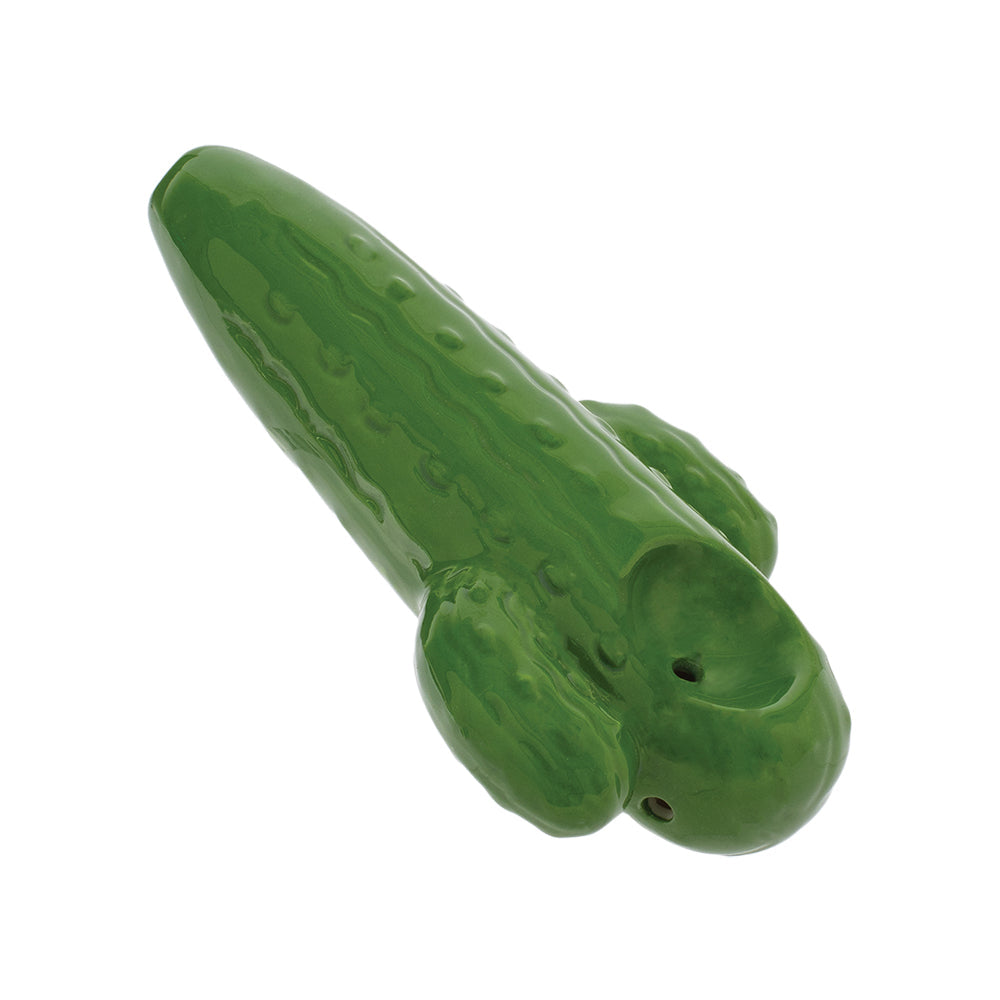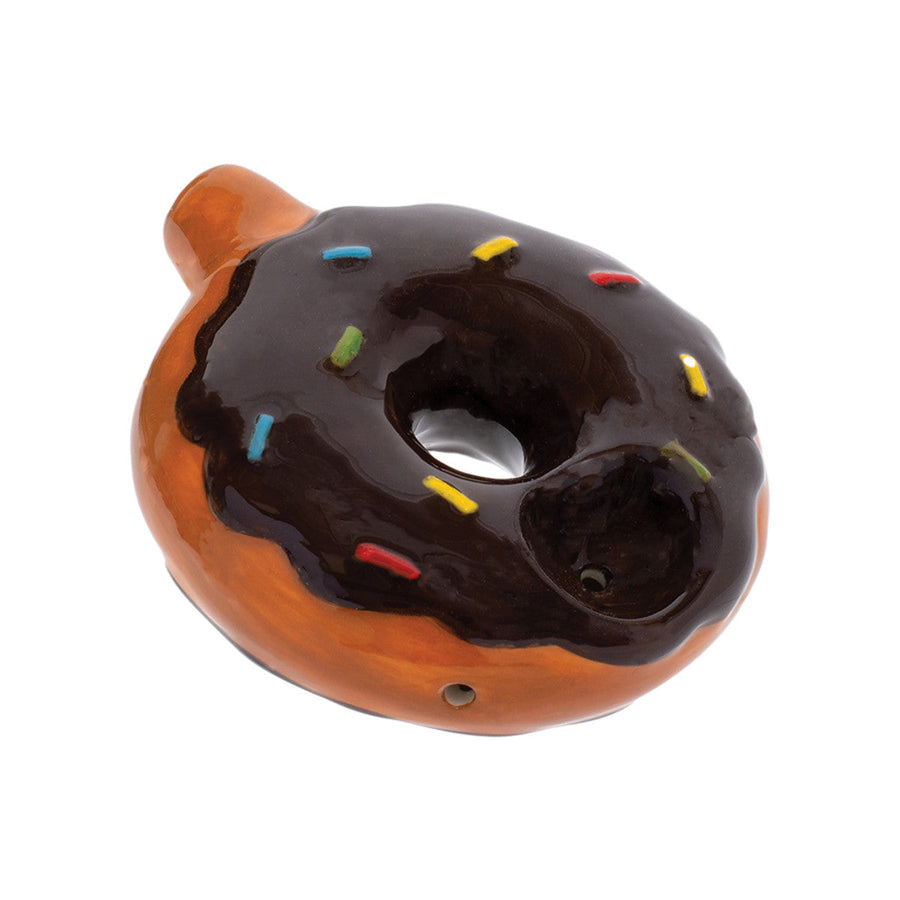


![Vessel Compass Rise [Obsidian] - Headshop.com](http://www.headshop.com/cdn/shop/files/631009c0-e68c-4238-9a63-73f14dd1117f.jpg?v=1717545548&width=900)
![Vessel Compass Rise [Obsidian] - Headshop.com](http://www.headshop.com/cdn/shop/files/a12c8ff4-4bee-4dc9-b697-542f6130e46e.jpg?v=1717609092&width=1000)
![Vessel Drift Case [Olive] - Headshop.com](http://www.headshop.com/cdn/shop/files/bcf30faf-8c6e-478d-a317-2a580dba197e.jpg?v=1768365177&width=900)
![Vessel Drift Case [Olive] - Headshop.com](http://www.headshop.com/cdn/shop/files/b91ca13e-53ae-40ff-963a-43ba10195212.jpg?v=1768365178&width=1000)


Ceramic Pipes
20 products
Free Shipping 📦 On Orders Over $100
📦 Free Shipping On Orders Over $100
20 products
Every ceramic pipe we carry earns its spot, from simple everyday bowls to hand-sculpted pieces that belong on a shelf as much as in your rotation.
Ceramic has been used to make smoking pipes for centuries, and for good reason. It handles heat evenly, adds zero metallic or plastic taste to your smoke, and can be shaped, glazed, and fired into forms that glass simply cannot hold. A ceramic pipe gives you a clean, neutral hit every time, and it tends to age gracefully. Drop a glass piece on tile and you know what happens. Ceramic is not indestructible, but it is meaningfully more forgiving.
Beyond function, ceramic is the material that artists reach for when they want to push what a pipe can look like. That is why so many ceramic pipes read as sculptures. We stock both ends of that spectrum: clean, minimal shapes that let the clay do the talking, and more expressive pieces with character glazes, sculptural details, and finishes that make them conversation starters before you even load the bowl.
The spoon shape translates beautifully into ceramic. A ceramic spoon sits heavier in the hand than glass, which some smokers genuinely prefer. The bowl tends to be generous, and the glazed finish keeps it easy to clean. If you want a reliable daily driver with some visual personality, a ceramic spoon is a smart starting point. Browse our full spoon pipes collection to compare materials side by side.
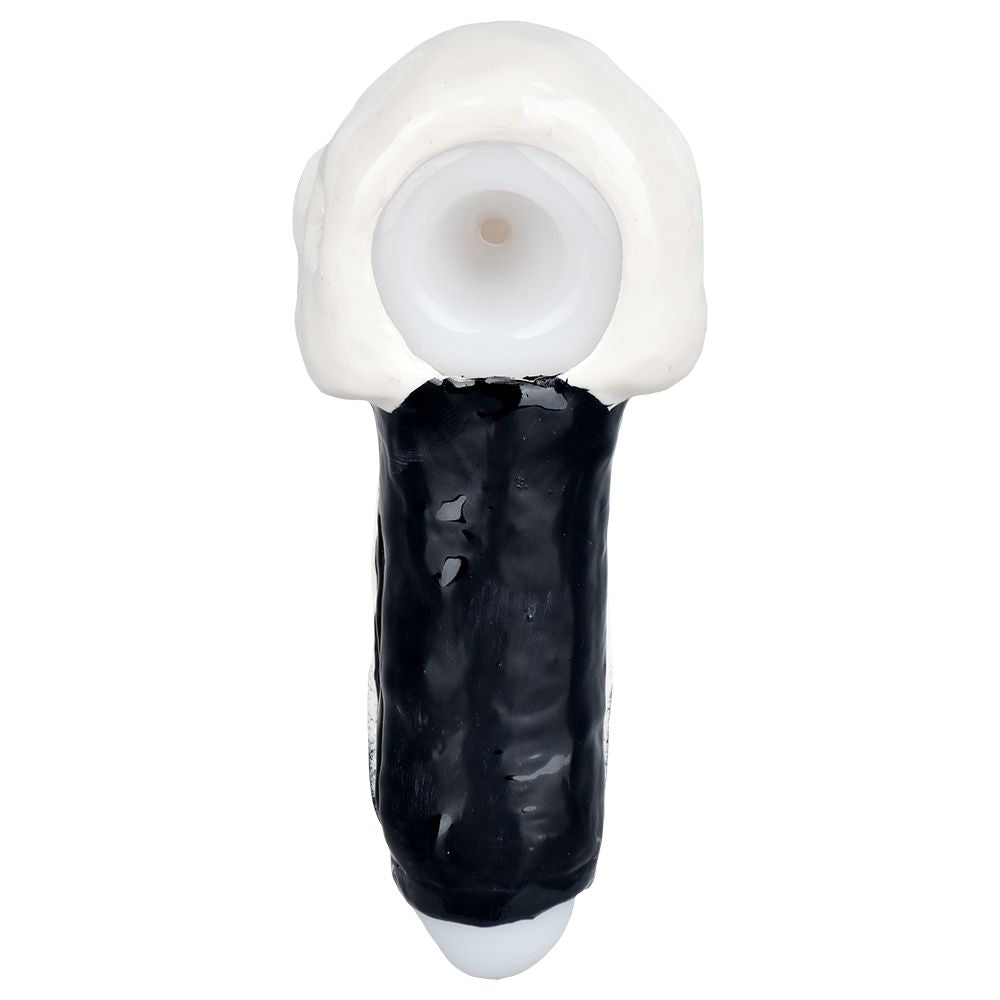
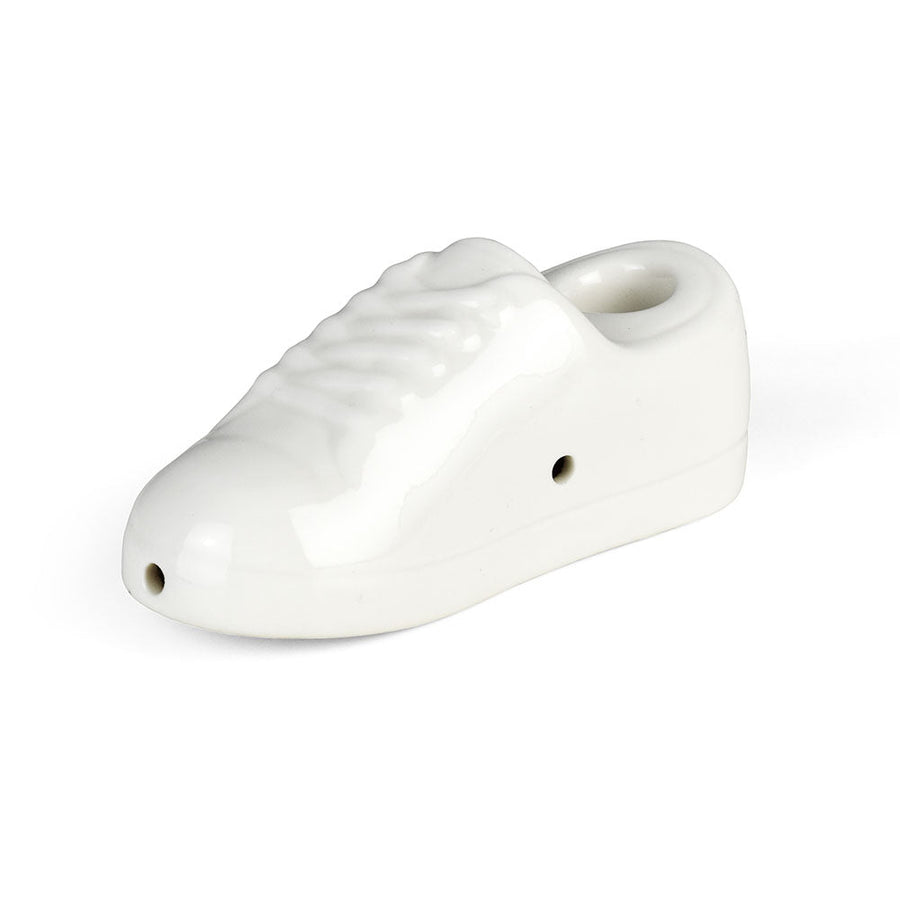
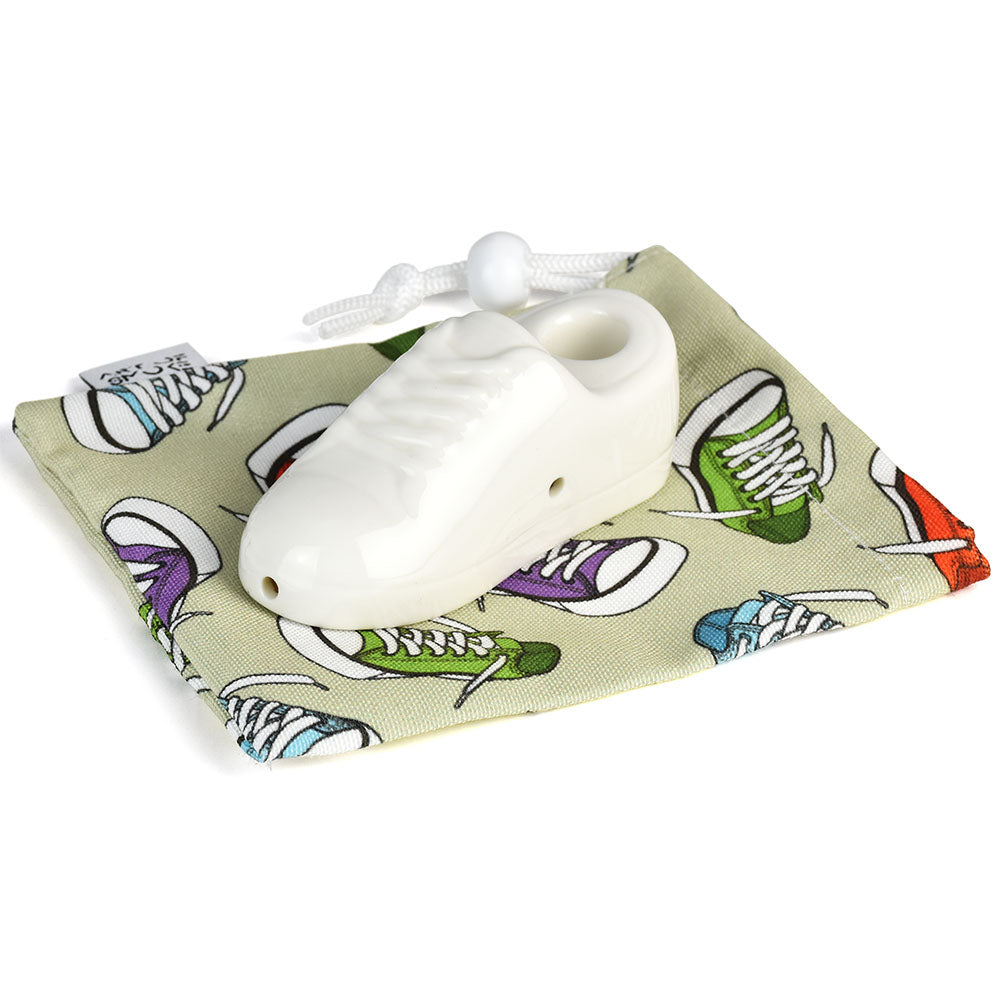
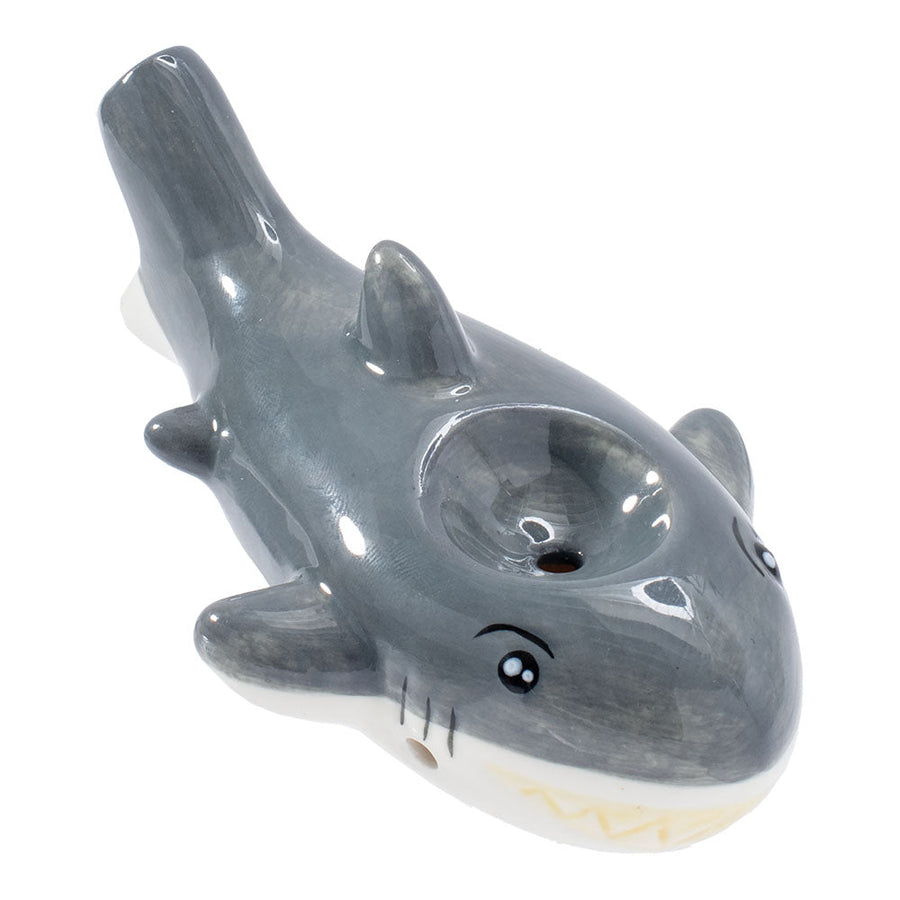
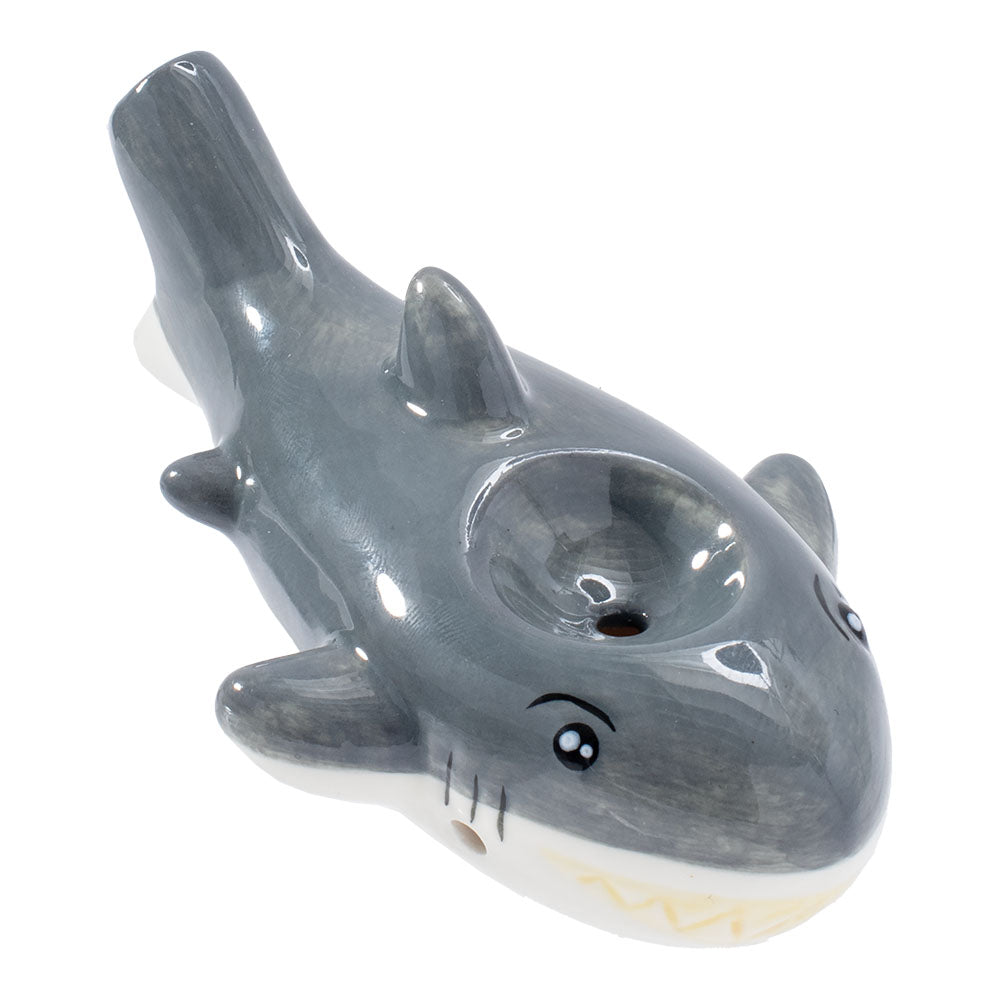
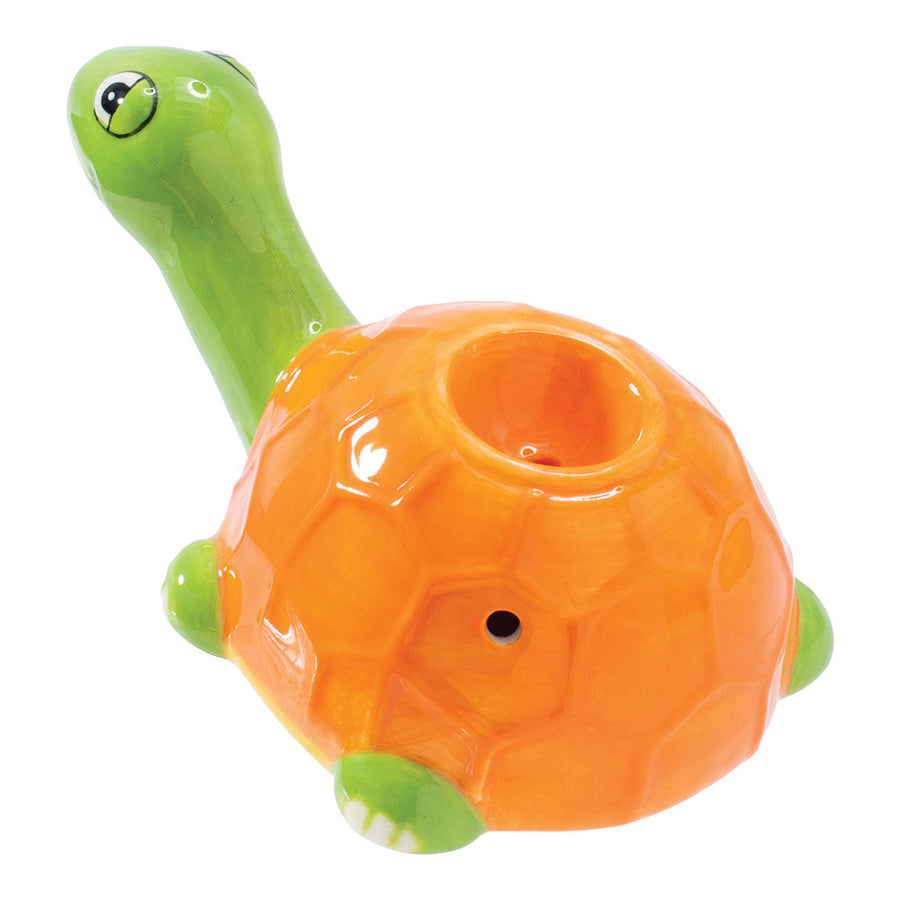
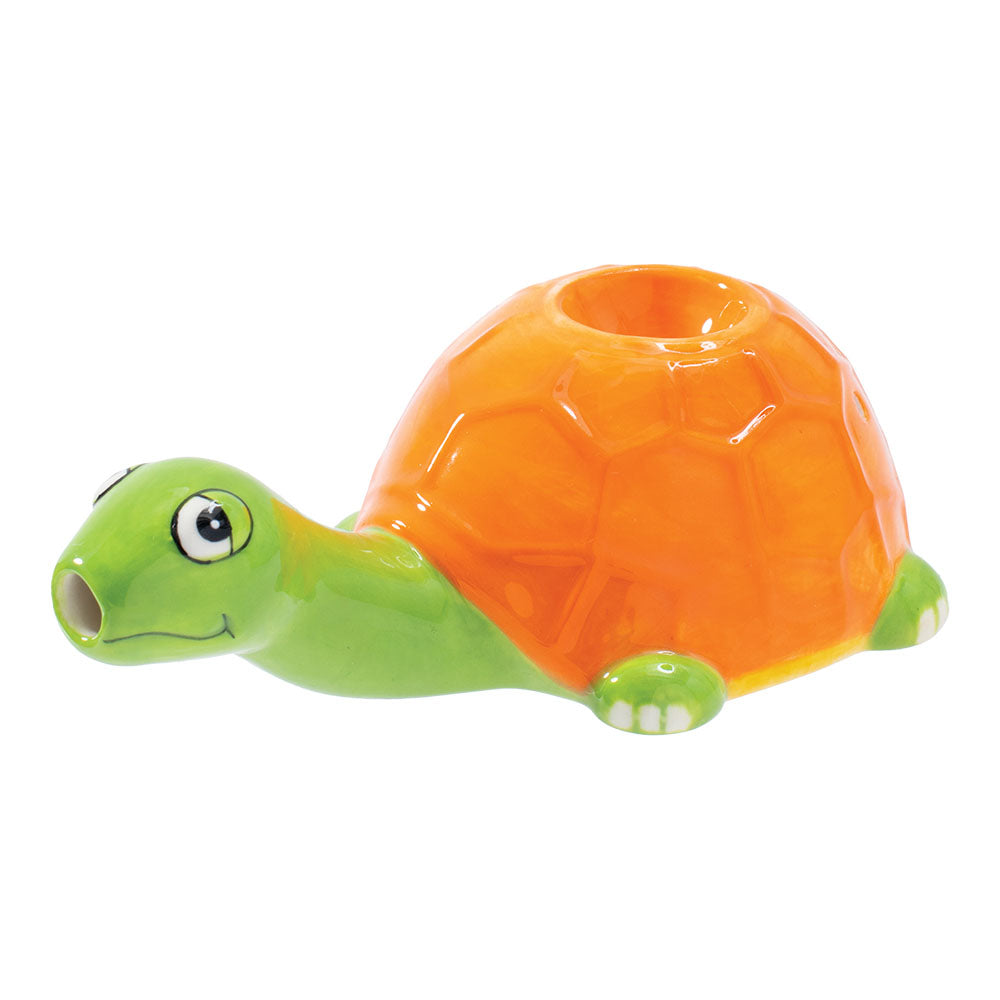
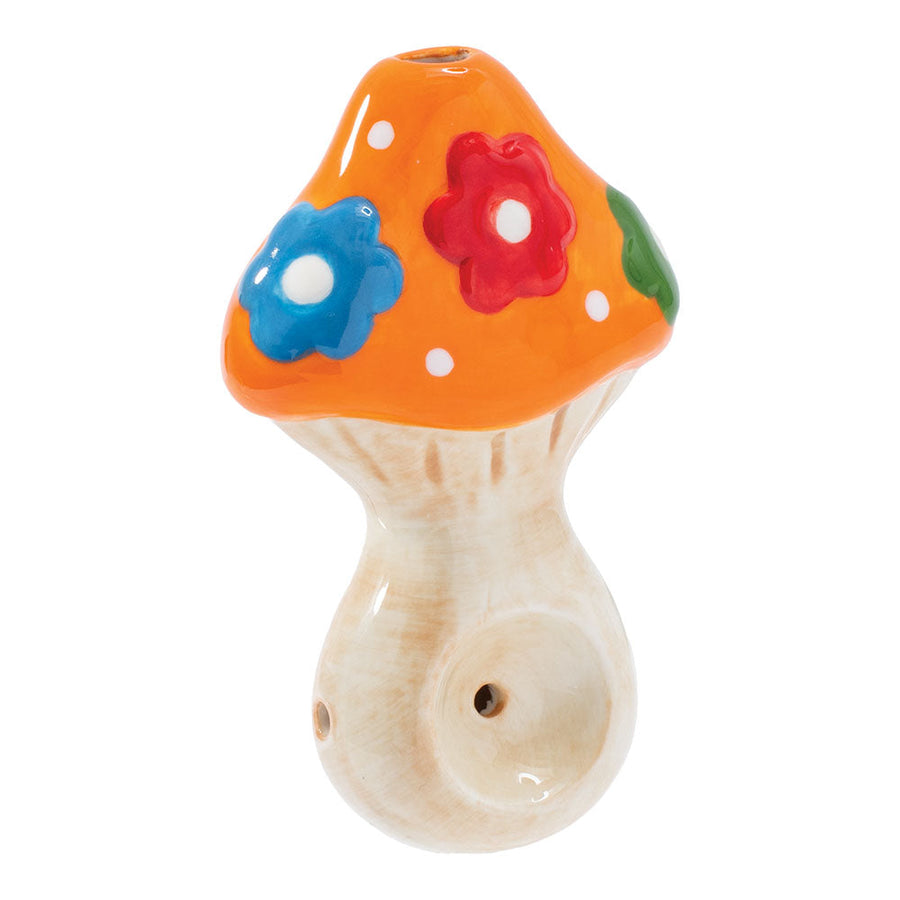
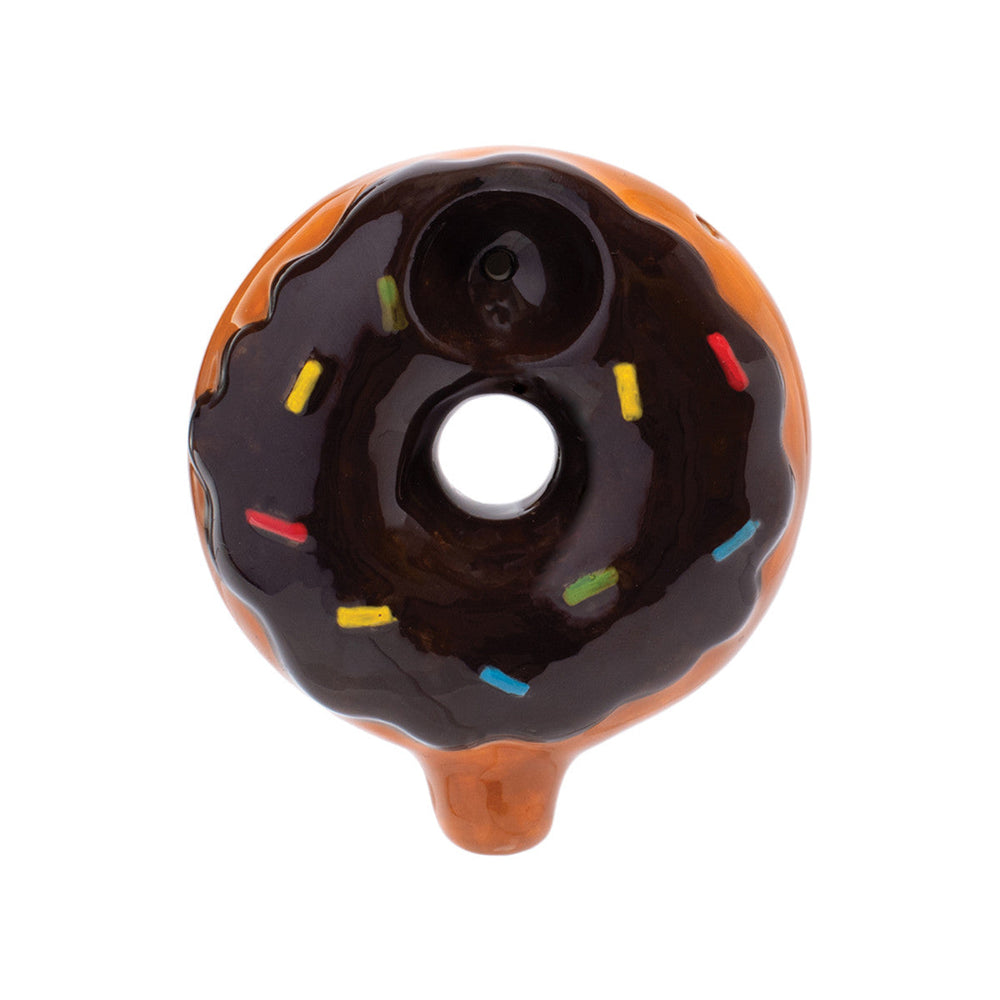
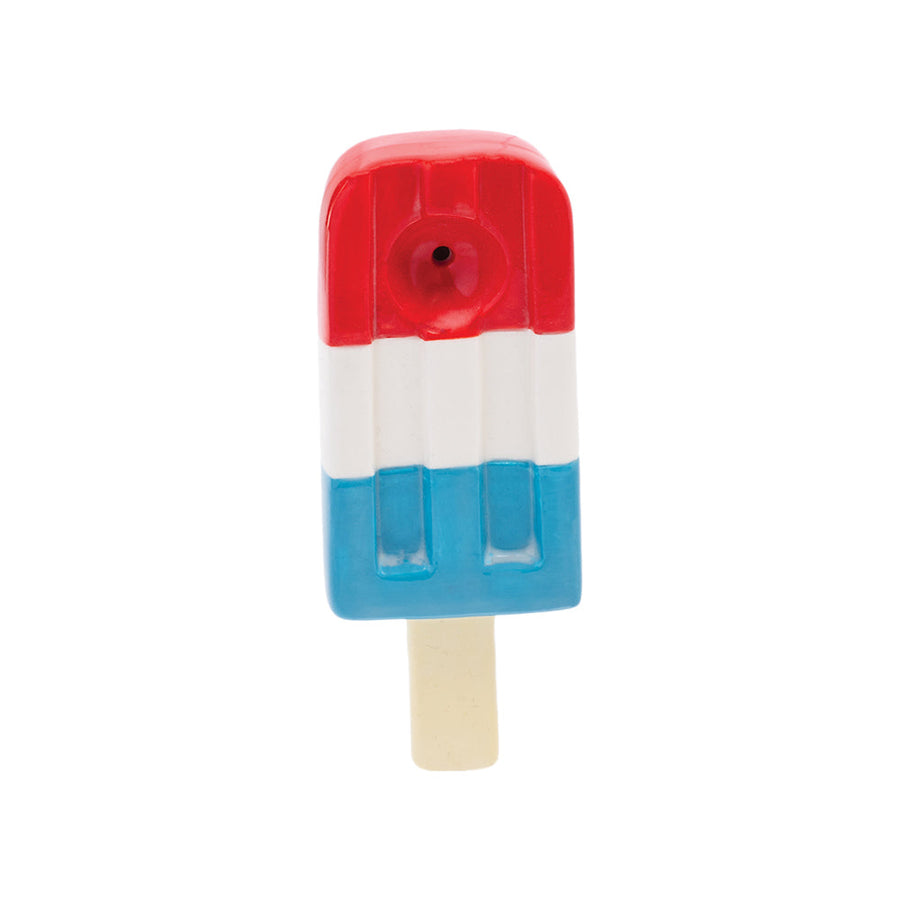
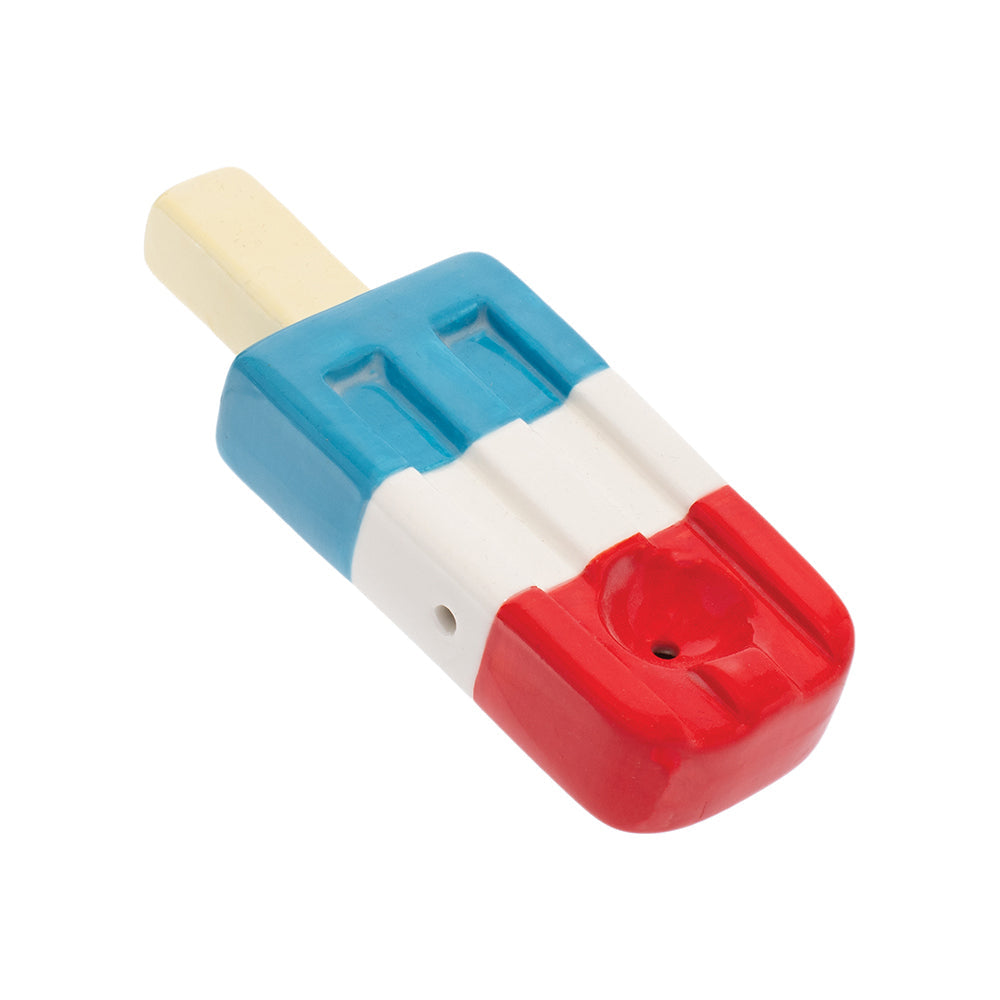
This is where ceramic really pulls ahead. Because clay can be hand-built, thrown, pressed, or slip-cast into almost any shape, novelty ceramic pipes come in forms you will not find in other materials. Animals, food shapes, abstract art pieces, holiday-themed designs. If you have been hunting for something genuinely unique, this category is worth your time. We also carry a range of Halloween smoking pipes and seasonal pieces for when you want something with a little extra edge.
Ceramic steamrollers hit harder than they look. The material holds heat through a longer draw, which some smokers find produces a fuller, rounder hit compared to thin glass. Check out our dedicated steamroller pipes section if that style interests you.
Ceramic one-hitters are quieter and more discreet than you might expect. The fired clay keeps smells contained better than a raw wood piece, and many ceramic one-hitters are designed to look like ordinary objects. Pair one with a dugout for a genuinely low-profile setup. We have a solid range in our one hitter pipes collection.
Not all ceramic pipes are made the same. A few things worth checking before you add to cart:
If you want to dig deeper into how ceramic compares to other pipe materials, our blog has a helpful breakdown: glass vs. ceramic vs. silicone vs. acrylic.
Glass is the default for a reason: it is clean, easy to inspect, and lets you see your piece in action. But ceramic beats glass on durability, artisan variety, and thermal consistency. Wood pipes have a warmth and tradition that ceramic cannot replicate, but wood absorbs resin over time in ways ceramic does not. Acrylic is the budget option, but ceramic at a similar price point will almost always outperform it on taste. Browse our full smoking pipes collection if you want to compare all materials at once, or jump straight to glass pipes or wood pipes for a direct comparison.
For more background on what makes a great pipe, our editorial team has put together some solid reads: the smoking pipes blog covers everything from material breakdowns to maintenance tips, and our roundup of the best weed pipes is a good reference if you want to see how ceramic fits into the broader market.
Yes, when the pipe uses food-safe, lead-free glazes and has been properly kiln-fired. Ceramic is actually one of the cleanest materials you can smoke from because it adds no flavor compounds of its own and does not off-gas at smoking temperatures the way some plastics can. Always check that any ceramic pipe you buy specifies food-safe glaze materials.
The same basic approach works as with glass: isopropyl alcohol and coarse salt, shaken and soaked. Ceramic is non-porous once glazed, so resin does not bond to the surface the way it can with wood or unfinished clay. Rinse thoroughly after cleaning and let it dry completely before use. Avoid sudden temperature changes, like running a very hot pipe under cold water, as that can cause cracking.
More durable than glass, but not unbreakable. High-fire stoneware and porcelain pieces are quite tough. Low-fire earthenware is more fragile. The real advantage over glass is that ceramic tends to chip rather than shatter, and it is less sensitive to the kind of single-impact drops that destroy glass pipes. Handle your ceramic pipe with some care and it should last a long time.
Mostly the shaping and surface decoration. Ceramic is hand-workable in ways that glass requires specialized torch skills to achieve, so artists can sculpt detailed forms, apply hand-painted glaze work, and produce small-batch designs that feel genuinely one of a kind. Many of the most popular cute ceramic pipes are made in limited runs, which is part of what makes them appealing as both functional pieces and collectibles.
Good quality + wicked good packing job!
I’m writing about the 12 inch water pipe in acrylic or plastic.
ALL Smoke shops here in Florida sell glass only with the
With this pipe simplicity is the key. Lightweight, with a regular carburetor hole like we used to be able to buy in N.Y.
The price is right and I’m one satisfied customer
Easy to use and low key around the house. Very nice product.
Exactly as pictured
A+++ ship really fast...they are my goto shop.
The best!
Works awesome great price! 👍
My favorite of the flavors you have. Wish you also had Black Raspberry and Orange Mango.
Easy & discrete to operate and a nice addition for another carry option and the sealed carry tube for the other 2 canisters is a really nice touch included with a small drawstring tote bag. I definitely recommend it.
I purchased the Cartisan Veil Bar Pro EVO as my first refillable device. I am very impressed with the quality of all of the Cartisan products. The availability of options is wonderful and allows me to fine tune my vape session. Well designed, well built and easy to use, what more could you want!!!
Awesome!
Green Glow In Dark Glass Spoon Pipe - 3.75"
Fast shipping! Love this it works great!
I love it it works as it should
It’s a simple bong. It works. It’s cute. It was packaged very well and I love that it has a removable down stem for easy cleaning. I’m very pleased.
Subscribe today and get 10% off your first purchase