



THCA Cannagar
0 products

0 products
A THCA cannagar is a cannabis cigar built around THCA flower.
THCA is the raw acid form of THC. In fresh cannabis flower, most of the cannabinoids start as THCA. Heat changes THCA into THC. That means a THCA cannagar is not a magic new plant. It is flower, selected for THCA content, rolled in a way that burns cool and slow. The cigar format gives you a longer session, a cooler draw, and more control over how much you smoke at once.
We stock the tools that make cannagars work. Molds from Purple Rose Supply, hemp wraps, filters, tips, grinders, trays, and hemp wicks. If you want to build a THCA cannagar at home, you can buy every piece in one place. If you want to buy a pre-made cannagar, you can still use our gear to store it, cut it, and smoke it better. We care about the small stuff: a clean draw, a straight burn, and a wrap that does not crack.
Most people come to cannagars after they get tired of fast-burning joints. A 1-gram joint can burn in 5 to 10 minutes. A well-made 3-gram cannagar can burn for an hour or more. The difference is density, airflow, and moisture. A cannagar mold packs flower tighter than your hands can. The skewer leaves a channel through the center. The wrap holds tension. When you remove the skewer, you get a draw that stays open from the first light to the last third.
You do not need a factory. You need a mold, steady hands, and good flower. A starter cannagar kit costs less than a night out. It pays you back in slower sessions and less waste. Start with 2 grams of flower if you are new. Move to 4 to 7 grams when you know how tight you like the pack. Keep your flower at 58 to 62 percent relative humidity. Dry flower crumbles. Wet flower clogs. The middle range burns best.
Buying here means you get accessories that match the job. Our grinders give you a consistent cut. Our hemp wicks give you a clean light without butane taste. Our filters and tips give you a mouthpiece that will not collapse. Our rolling trays keep your flower, kief, and wrap in one place. We do not sell hype. We sell tools that help you roll a better THCA cannagar, store it, and smoke it without fighting the paper.
If you are new to THCA, start small. A 0.5-gram or 1-gram mini cannagar is enough to learn the draw. A 3-gram cannagar is a sharing size. A 7-gram cannagar is a party piece. You can also slice a large cannagar into coins and smoke one coin at a time. That gives you the slow burn of a cannagar without committing to the whole cigar. A sharp cutter and a clean tip make that easy.
A cannagar is a cannabis cigar. The word is a mashup of cannabis and cigar. It is not a brand. It is a format. Traditional cannagars use cannabis flower, a binder, and a wrapper. Some use cannabis fan leaves. Some use hemp wrap. Some use palm leaf. The best ones use a mold and a skewer. The mold compresses the flower into a cylinder. The skewer creates an air channel. The wrap holds the shape while the flower cures.
THCA cannagar means the flower was chosen for its THCA content. THCA stands for tetrahydrocannabinolic acid. It is the non-intoxicating precursor to THC. Raw THCA flower will not get you high if you eat it. Heat changes the molecule. A lighter, a vape, or an oven can remove a carboxyl group and turn THCA into THC. When you smoke a THCA cannagar, the cherry reaches high heat. Some THCA converts to THC in the smoke. That is why the effects show up after you light it, not before.
The cigar shape changes the smoke. A joint is thin. A blunt is thicker but often uses a tobacco leaf. A cannagar is dense and wrapped tight. The center channel gives air a path. The wrap slows the burn. The result is a lower temperature at the mouthpiece and a longer session. A well-cured cannagar burns from the outside in. It should hold a gray ash and a steady cherry. If it tunnels, the pack was uneven. If it goes out, the flower was too damp or the draw was too tight.
Flower quality matters more than the mold. You want fresh flower with visible trichomes, a clean smell, and no mold. Lab testing matters. A COA, or certificate of analysis, should show cannabinoids, pesticides, heavy metals, microbials, and moisture. THCA levels on a COA are measured before decarboxylation. A label that says 25 percent THCA is not the same as 25 percent THC. After heat, the number changes. Do not compare a THCA percentage to a THC percentage like they are the same thing.
The wrap is part of the science. Hemp wrap is plant-based and low in nicotine. Palm leaf is thin and slow-burning. Cannabis fan leaf is traditional but hard to source and harder to roll. Rolling paper is fast but not a true cannagar. A cannagar needs a wrapper with some strength. If the wrap tears, the cherry will run. If the wrap is too thick, the smoke gets hot and harsh. Look for wraps that are food-grade, fresh, and sealed. Dry wraps crack. You can mist a dry wrap with a little water and let it sit for 30 seconds.
Curing is the step most people skip. After you pack and wrap a cannagar, let it rest. A day in a sealed container lets moisture even out. A week lets the wrap bond to the flower. Some makers cure for 2 to 4 weeks. The cannagar gets smoother and burns slower. If you smoke it right after rolling, it may burn hot or uneven. Patience is part of the process. Store it at 58 to 62 percent humidity. Keep it out of direct sun. Do not put it in the fridge. Condensation will ruin the wrap.
Airflow is the hidden variable. A cannagar without a skewer is a dense log. It will clog. The skewer leaves a hole about 2 to 4 millimeters wide. That hole runs from end to end. When you remove the skewer, the draw opens. You can also use a draw tool or a thin metal rod. If the draw feels tight after curing, gently poke the center with a poker. Do not crush the sides. A tight draw can make the smoke hot and harsh.
THCA cannagars come in more shapes than most people expect. The size, wrap, fill, and finish change the burn, the flavor, and the session. Here are the main types you will see.
Mini cannagars hold 0.5 to 1 gram. They burn for 15 to 25 minutes. They are good for a solo smoke or a first try. Standard cannagars hold 2 to 3.5 grams. They burn for 45 to 75 minutes. This is the most common size for a group of two to four people. Large cannagars hold 4 to 7 grams. They burn for 1.5 to 2.5 hours. Party cannagars can hold 10 grams or more. They are built for events and need a steady hand to keep an even burn.
Hemp wrap is the most popular. It is plant-based, low in nicotine, and comes in natural or flavored styles. Palm leaf is thin and slow-burning. It gives a clean, neutral taste. Cannabis fan leaf is the traditional cannagar wrapper. It looks like a cigar and adds a green, herbal note. Rolling paper is not a true cannagar wrap, but some people use it for small cannagars. Blunt wraps are tobacco-based. They add nicotine and a strong flavor. If you want to avoid tobacco, stick with hemp, palm, or cannabis leaf.
A straight THCA cannagar uses only flower. An infused cannagar adds concentrate. Common choices are rosin, live resin, hash, or kief. Rosin is solventless and keeps the strain profile. Live resin is potent and flavorful. Hash adds a earthy, spicy note. Kief is the easiest infusion. You dust it on the flower before you pack. A caviar-style cannagar is rolled in kief or hash oil. It is strong. Start with a small puff if you are new to infused cannagars.
Silicone molds are flexible and easy to remove. Wood molds are sturdy and look good on a shelf. Stainless steel molds are durable and easy to clean. Some kits include a skewer, a packing tool, and a cutter. Purple Rose Supply makes cannagar molds and kits that are built for home use. A good mold has straight walls, a snug skewer, and a way to pack the flower evenly. If you roll by hand, you need more practice. A mold cuts the learning curve.
THCA flower comes in indica, sativa, and hybrid labels. Those labels are rough guides. The real difference is the terpene profile. Gassy, citrus, earthy, pine, and floral notes all show up in cannagars. A strong terpene profile can make the smoke taste better, but terpenes also burn. High-terpene flower can get harsh in a large cannagar. A 3-gram cannagar with very loud flower may taste great for the first third and harsh for the rest. Mix loud flower with a milder strain if you are building a big cigar.
Some cannagars have a glass tip. Some use a cardboard crutch. Some use a wooden mouthpiece. A glass tip cools the smoke and looks clean. A cardboard crutch is cheap and works. A wooden mouthpiece adds a natural feel. The tip should be slightly wider than the cannagar. If it is too narrow, the draw will be tight. If it is too wide, the wrap will unravel. A small piece of hemp paper can hold the tip in place.
Pre-made THCA cannagars are convenient. You can buy one, cut it, and smoke it. They cost more per gram. You do not control the flower, the wrap, or the cure. DIY cannagars take time. You buy flower, a mold, wraps, and tips. You control the pack, the infusion, and the cure. A DIY cannagar can cost less than half of a pre-made one. It also takes practice. Most people get a good result by the third try.
There is also the cannagar coin. You slice a cured cannagar into 0.25- to 0.5-inch coins. Each coin is a short smoke. This works well for a strong infused cannagar. You get the slow burn of a cannagar in a smaller dose. Use a sharp, clean blade. Wipe the blade between cuts. A ragged cut can cause the wrap to fray.
Building a THCA cannagar is a gear game. The flower matters, but the tools decide whether the cigar burns straight or turns into a mess. These collections cover the pieces you need, from the mold to the last light.
Purple Rose Supply is the first stop for cannagar molds and kits. A mold packs the flower tighter than your hands can. It also keeps the shape even. If you want to make a THCA cannagar at home, start here.
Rolling Papers give you backup options. Use them for small cannagars, for repairs, or for a quick joint when you do not want to build a full cigar. Keep a pack in your tray.
Hemp Papers are plant-based and low in nicotine. They work well as a binder layer under a hemp wrap. They also help hold a glass tip in place.
Pre Rolled Cones are not cannagars, but they are useful for testing flower. Pack a cone with the same THCA flower you plan to use. You will learn the flavor and the burn before you commit 3 grams to a cannagar.
Filters & Tips make the mouthpiece. A glass tip cools the smoke. A cardboard crutch is cheap and works. A tip also keeps flower out of your mouth and helps the wrap hold its shape.
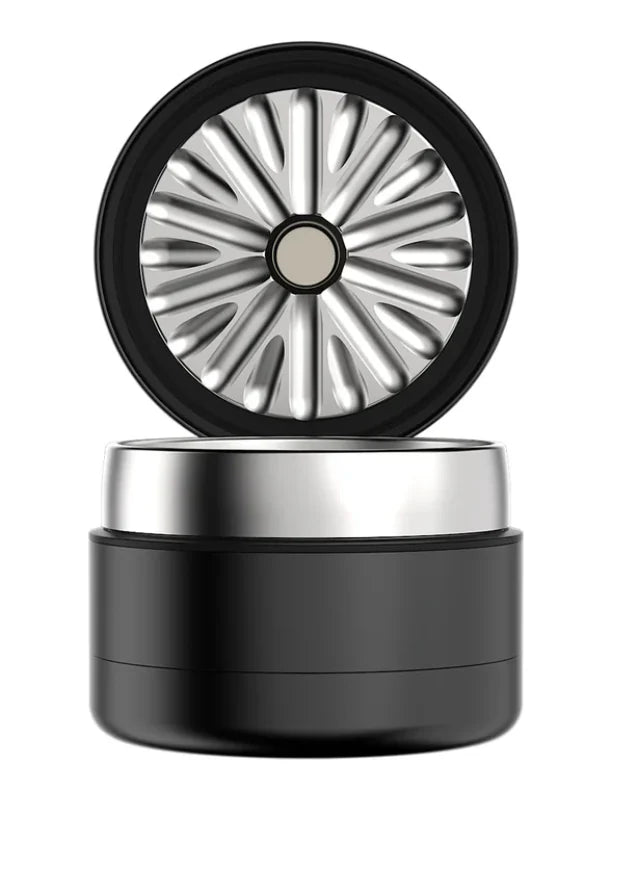
Weed Grinders give you a consistent cut. A medium grind is best for cannagars. Too fine and the draw clogs. Too coarse and the cannagar tunnels. A clean grinder also keeps your kief for infusion.
Rolling Trays keep the mess in one place. Cannagar building uses more flower than a joint. A tray catches the shake, holds your tools, and gives you a flat surface for packing.
Hemp Wicks give you a clean light. A hemp wick burns at a lower temperature than a butane lighter. You get less fuel taste and more control over the cherry. Light the wick, then light the cannagar.
King Palm Wraps are palm leaf wraps. They are thin, slow-burning, and low in nicotine. They work well for a 2- to 3-gram cannagar. Cut them to size and seal with a little moisture.
Billionaire Hemp Wraps are another option for a tobacco-free wrap. They come in flavors and natural styles. Use a fresh wrap. A dry wrap will crack when you roll it.
You do not need every item on day one. Start with a mold, a grinder, a wrap, and a tip. Add a tray and a hemp wick when you want a cleaner process. The links above are the exact collections we stock. Use them to build a kit that fits your budget.
THCA cannagar quality starts in the grow room. Flower for cannagars needs a slow dry and a full cure. Fast-dried flower looks fine but burns hot. It also loses terpenes. A 10- to 14-day dry at 60 to 65 degrees Fahrenheit and 55 to 60 percent humidity is a common target. After that, the flower cures in sealed containers for 2 to 4 weeks. The cure evens out moisture and breaks down chlorophyll. Smoother flower makes a smoother cannagar.
Sourcing matters. Ask for a COA. The COA should be from a third-party lab and should match the batch you are buying. Check the harvest date. Flower that is more than 6 months old can be dry and harsh. Check the microbial and mold results. Cannagars are dense. Mold in the center of a cannagar is hard to see. If the flower smells musty or looks brown, do not use it. A clean, piney, or citrus smell is a good sign. A hay smell means the cure was rushed.
Extraction methods change the infusion. Rosin is made with heat and pressure. It is solventless. Live resin is made with fresh frozen flower and a solvent. Hash is made by separating trichomes with ice water or dry sifting. Kief is the dry sifted resin. For a cannagar, rosin and hash are easy to work with. Warm a small amount of rosin and spread it on the flower. Dust kief over the top. Do not soak the flower. Too much concentrate will clog the draw and make the wrap greasy. A 0.1- to 0.3-gram infusion is enough for a 3-gram cannagar.
The build process has five steps. Grind the flower to a medium cut. Pack it into the mold in small layers. Insert the skewer and compress. Wrap the cannagar with hemp or leaf. Cure it in a sealed container. Each step affects the burn. If you pack too loose, the cannagar burns fast and hot. If you pack too tight, the draw clogs. If the wrap is too dry, it cracks. If the cure is too short, the cannagar burns uneven. Practice with 1-gram minis before you build a 7-gram party cannagar.
Accessory manufacturing matters too. Silicone molds should be food-grade and heat-resistant. A cheap mold can warp or hold odors. Wood molds need a food-safe finish. Stainless steel molds should have smooth edges. Hemp wraps should be sealed and fresh. A wrap that has been open for months will crack. Hemp wicks should be clean and uniform. A thick wick burns uneven. A thin wick goes out. Look for tools that are easy to clean. Cannagar building leaves resin on the mold and the tray. Warm water and a soft brush will clean silicone. Wood needs a dry brush and a light oil.
A THCA cannagar is a slow-smoke format. The biggest benefit is time. A 3-gram cannagar can last an hour. You light it once. You do not need to roll again. The burn is cooler at the mouth because the smoke travels through a longer body. The wrap also slows the cherry. That gives you a smoother pull and less heat on the throat. None of this is magic. It is physics and airflow.
The effects come from the flower and the heat. THCA converts to THC when you light the cannagar. The smoke delivers cannabinoids and terpenes. Most people feel relaxed, euphoric, or hungry. Some feel creative. Some feel sleepy. The strain and your tolerance matter more than the format. A cannagar does not make weak flower strong. It can make strong flower easier to overdo. Take two puffs. Wait 10 minutes. Then decide if you want more.
Infused cannagars hit harder. Concentrate adds potency. A 3-gram cannagar with 0.2 grams of rosin can feel much stronger than a plain flower cannagar. If you are new to infused cannagars, cut the cannagar into coins. Smoke one coin. Wait. A whole infused cannagar can be too much for one person. Share it or save it for later. The effects can last 2 to 4 hours, depending on dose and tolerance.
The ritual is part of the benefit. Building a cannagar takes 20 to 40 minutes. Curing takes a day to a month. Lighting it with a hemp wick takes a few seconds. The process slows you down. You pay attention to the pack, the wrap, and the draw. That can make the smoke feel more intentional. It is a hobby as much as a product. The tools matter, and the practice matters.
There are trade-offs. A cannagar uses more flower than a joint. It takes more time to build. It needs a mold and a steady hand. It can be harsh if the flower is dry or the wrap is thick. It can clog if the pack is too tight. It can go out if the flower is too wet. A cannagar is not the best choice for a quick smoke. It is the best choice for a slow session with friends or a quiet night alone.
Legal status is not a benefit. THCA flower is legal in some places and not in others. Hemp-derived THCA has been sold under farm bill rules in some states. Local laws change. Check your state and local rules before you buy or carry a THCA cannagar. Do not drive after using one. Keep it away from minors. Treat it like any cannabis product.
Start with the flower. Ask for a fresh batch and a current COA. Look at the THCA percentage, the terpene profile, and the moisture. A 20 to 30 percent THCA range is common in top-shelf flower. Do not chase the highest number. A 28 percent flower with a poor cure will smoke worse than a 22 percent flower with a good cure. Smell the flower. It should smell like the strain, not like hay or ammonia.
Choose the right size. A 1-gram mini is good for a first cannagar. A 3-gram standard is the best all-around size. A 5- to 7-gram cannagar is for sharing. A 10-gram cannagar looks impressive but needs a long, even burn. If you are buying a pre-made cannagar, ask how much flower it holds. A thick cannagar can look big but hold only 2 grams. Weight matters more than length.
Pick a wrap that matches your taste. Hemp wrap is neutral and low in nicotine. Palm leaf is thin and slow-burning. Cannabis leaf is traditional but harder to find. Blunt wraps add nicotine. If you want a tobacco-free cannagar, read the package. Some wraps are hemp-based but include tobacco. Some are flavored with artificial sweeteners. Natural wraps are a safer bet for a clean taste.
Check the draw. A pre-made cannagar should have a clear center. You can test the draw before you light it. Pull air through the unlit cannagar. It should feel like a milkshake through a straw, not a clogged pipe. If it is too tight, poke the center with a poker. If it is too loose, the cannagar will burn hot. A good cannagar has a slight resistance.
Budget for tools. A mold, a grinder, a pack of wraps, and a tip will cost less than a few pre-made cannagars. A glass tip costs more than a cardboard crutch but lasts longer. A hemp wick costs a few dollars and lasts for dozens of lights. A rolling tray keeps your flower off the table. Buy once and keep it clean. Cheap tools break or hold odors.
Look for lab-tested products. A COA should show pesticides, heavy metals, microbials, and cannabinoids. If a seller cannot provide a COA, walk away. THCA flower is a plant product. It can carry mold, mildew, or pests. A dense cannagar is the wrong place to find out. Also check the packaging date. Fresh is better.
Know the law. THCA is not legal everywhere. Some states treat THCA flower like cannabis. Some allow hemp-derived THCA with limits. Some ban it. Check before you order. Do not assume a website will ship to your state. Do not carry a THCA cannagar across state lines. Keep your receipt if you travel. Local rules can change fast.
Buying checklist: fresh flower, current COA, right size, tobacco-free wrap, clear draw, food-grade mold, glass or cardboard tip, airtight storage, and a hemp wick. If you have those eight items, you are ready. If you skip the COA and the storage, you are guessing.
To build a THCA cannagar, grind 2 to 3 grams of flower to a medium cut. Open your mold. Add flower in small layers. Pack each layer with the packing tool. Insert the skewer through the center. Close the mold and compress. Remove the cannagar. Warm a hemp wrap with your breath or a light mist of water. Wrap it tight. Seal the seam with a little moisture. Insert a tip. Let it cure in a sealed container for at least 24 hours. A week is better.
To smoke it, cut the end at a slight angle. Remove the skewer if you have not already. Toast the foot with a hemp wick. Keep the flame away from the wrap. Draw slowly. A slow draw keeps the cherry cool. A fast draw heats the smoke. Rotate the cannagar as you smoke. That helps an even burn. If it tunnels, touch the edge with the wick. If it goes out, tap out the ash and relight. Do not crush the ash into the cherry.
Storage is simple. Use an airtight container. Keep it at 58 to 62 percent relative humidity. Use a humidity pack if you have one. Keep it out of direct sun. Keep it away from heat. Do not store it in the fridge. Condensation will form when you take it out. Do not store it in a hot car. The wrap will crack and the flower will dry. A cured cannagar can last 1 to 3 months in good storage. An infused cannagar is best within 1 month. The concentrate can get sticky and the wrap can get greasy.
Clean your tools. Silicone molds can be washed with warm water and mild soap. Dry them fully. Wood molds should be brushed and wiped with a light food-safe oil. Glass tips can be soaked in isopropyl alcohol. Hemp wicks should be stored dry. A dirty mold can leave old resin on the next cannagar. That changes the flavor and the burn.
A THCA cannagar is a cannabis cigar made with THCA-rich flower. The flower is packed into a mold, wrapped in hemp or leaf, and cured. It burns slower than a joint. The heat from lighting converts some THCA into THC. It is a format, not a brand or a strain.
No. A blunt is usually rolled in a tobacco leaf. A cannagar is built with a mold, a skewer, and a plant-based wrap. It is denser and burns slower. Some people use blunt wraps for cannagars, but that adds nicotine. A true cannagar is tobacco-free.
Yes, after you light it. Raw THCA does not get you high. Heat converts THCA to THC. When you smoke the cannagar, you inhale THC and other cannabinoids. The effects depend on the flower, the dose, and your tolerance. Start with a small puff if you are new.
It depends on the mold and the size. Mini cannagars hold 0.5 to 1 gram. Standard cannagars hold 2 to 3.5 grams. Large cannagars hold 4 to 7 grams. Party cannagars can hold 10 grams or more. A 3-gram cannagar is the most common size.
Grind medium. Pack the flower into a cannagar mold in layers. Insert the skewer. Compress. Wrap with hemp or palm leaf. Add a tip. Cure in a sealed container for at least 24 hours. Remove the skewer before smoking. Light with a hemp wick and draw slowly.
At least 24 hours. A week is better. Some makers cure for 2 to 4 weeks. Curing evens out moisture and helps the wrap bond to the flower. A cured cannagar burns slower and smoother. Store it at 58 to 62 percent humidity while it cures.
Hemp wrap is the most popular. It is plant-based, low in nicotine, and easy to find. Palm leaf is thin and slow-burning. Cannabis leaf is traditional. Rolling paper is not a true cannagar wrap. Avoid tobacco wraps if you want a tobacco-free smoke.
It depends on where you live. THCA flower is legal in some states and illegal in others. Hemp-derived THCA has been sold under farm bill rules in some places. Local laws change. Check your state and local rules before you buy, carry, or smoke a THCA cannagar. You must be 21 or older in legal markets.
Use an airtight container. Keep it at 58 to 62 percent relative humidity. Keep it out of direct sun and away from heat. Do not use the fridge. A cured cannagar can last 1 to 3 months. An infused cannagar is best within 1 month. Check for mold or a musty smell before you smoke it.
Yes. A medium grind is best. Too fine and the draw clogs. Too coarse and the cannagar tunnels. A clean grinder gives you a consistent cut and saves your kief. You can dust the kief on the flower for a light infusion.
I will shop here again. I bought a puffco peak which developed a faulty chamber days after I bought it and puffco sent me a new chamber. Very satisfied!
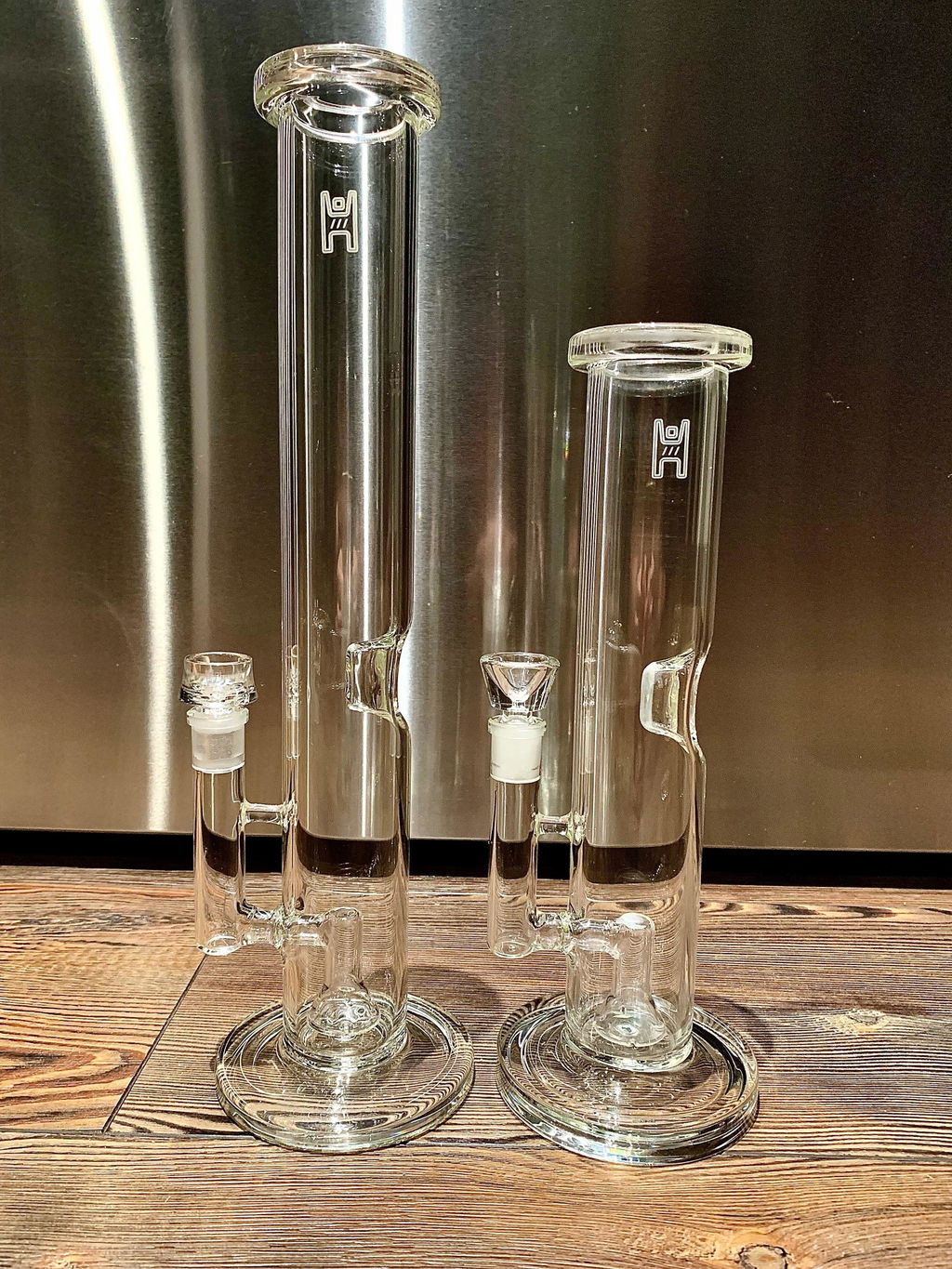
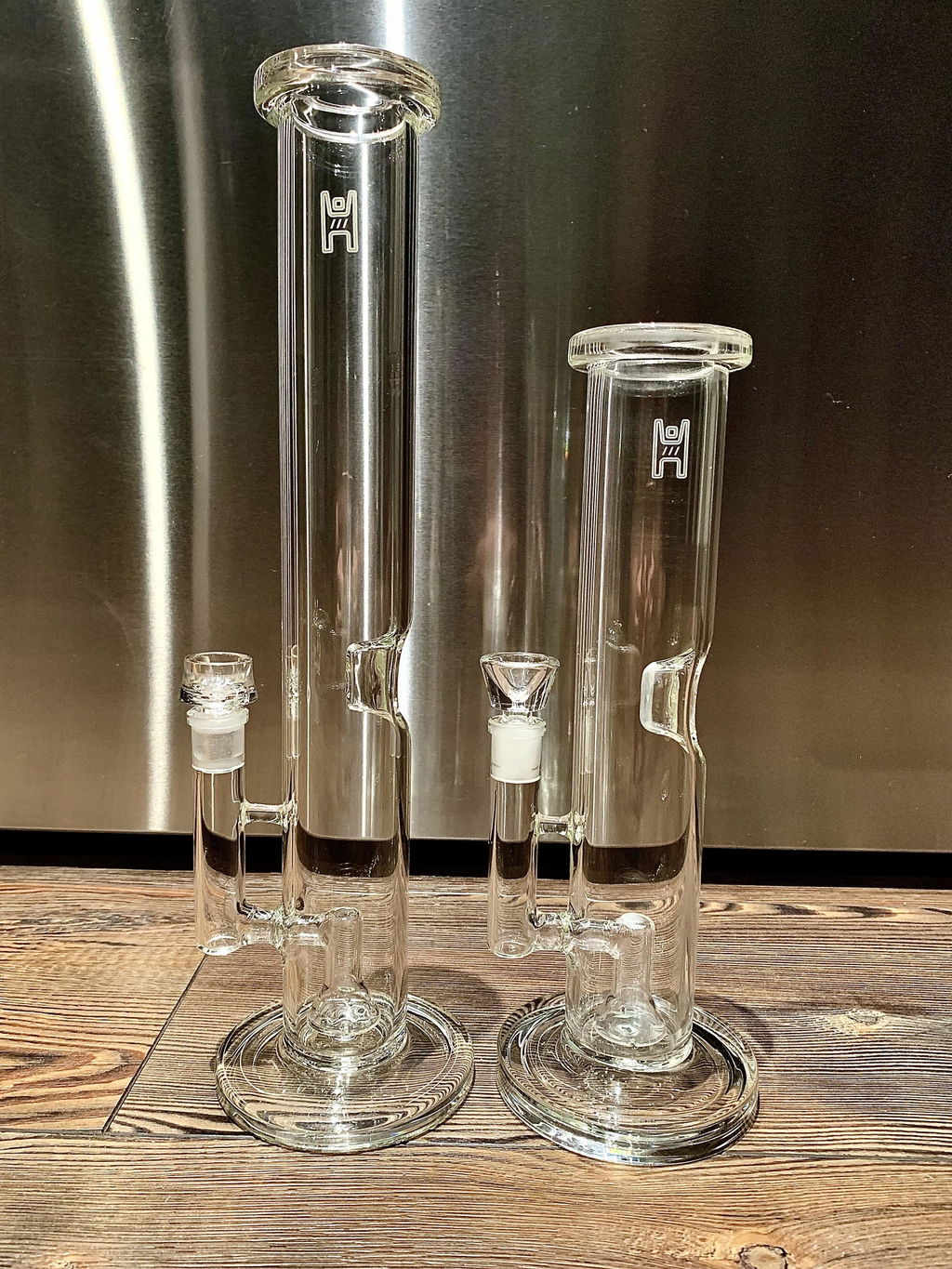
This bong is a monster hitter. I've seen similar items that my local shops for at least 3 times more than what I bought this one for. The product is quality is absolutely amazing. And it functions perfectly. The customer service is beyond reproach. I would highly recommend this shop. This online company to anyone. The only thing I could say is when you order. It may take a little while for you to receive your product. And when I say a little while, I mean, for me, I live in Utah, and it took about a week. But even that hey, patience is a virtue, When you're ordering quality. Just found out, you can pay for quicker shipping. Take care all.
Solid design, really could tell the difference in air flow
This is a great bowl. Its shape makes it easy to handle and pick up. The actual bowl shape allows for an even burn without clogging. Definitely recommend!
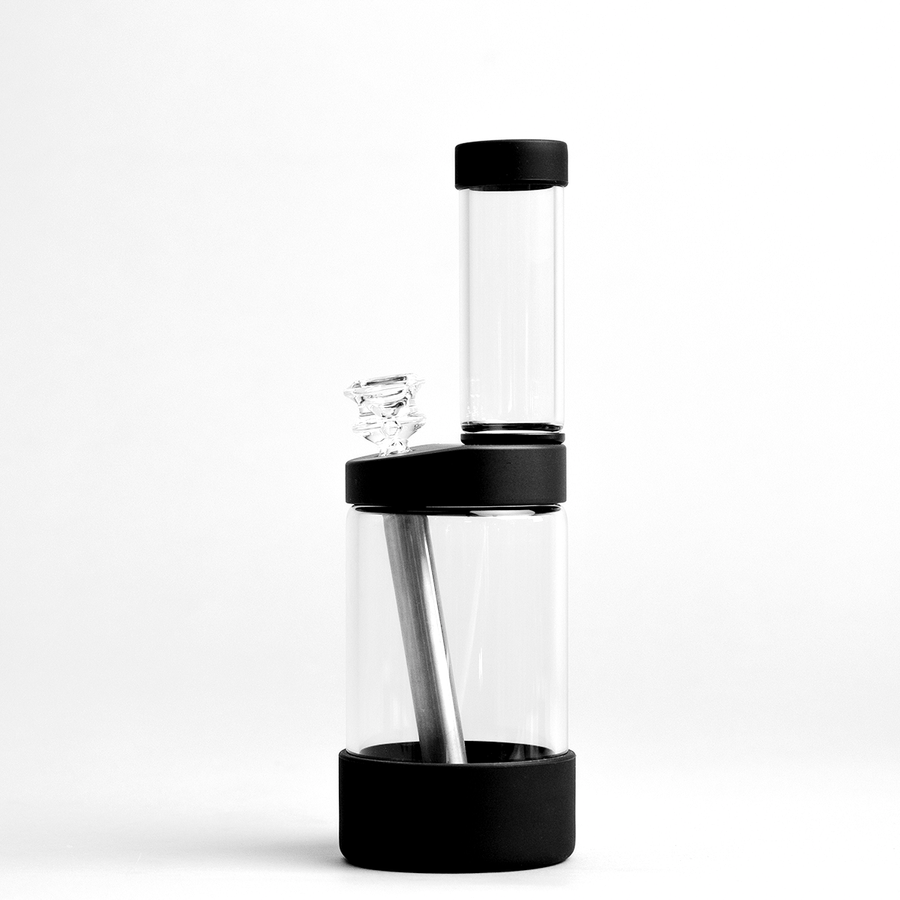
compact, well made and the pieces come apart for ease of cleaning.
Great device! Great for travel, you don't have to take a whole rig with you and still enjoy your concentrates. The dual use feature is an excellent addition, heat your concentrates to the prefect temperature at a fraction of the price!
Love it ♥️
Nice and thick 👍 Hits well and it really keeps the heat.
I love this device! Last year I purchased the 12” version. I felt it was a bit small as the flame is close to your face upon lighting. Recently I was looking again and came across the 18”. Think that may be too much but then I saw the 15”. Perfect! Better ergonomics, it just fits better and has a better draw. Just as easy to clean. Looks like it’s never been used if you clean it daily. I also recommend buying a nicer bowl than what it is supplied with. The standard ones work but clog easily. Pictured are the additional bowls.
Great place to shop for your goods. Many devices of all types. I’ve placed a couple orders and I have been very pleased.
These are my favorite spoon. They hit great and are easy to clean and the size is just right.
Does the trick
Product was exactly as advertised.
Everything went smoothly no issues
Over 1/2 my neck is held together with titanium it helps ease the pain
Easy to use and clean