![Pipe by Vessel [Gunmetal] - Headshop.com](http://www.headshop.com/cdn/shop/files/Pipe_Gunmetal_Angle.jpg?v=1744306453&width=900)
![Pipe by Vessel [Gunmetal] - Headshop.com](http://www.headshop.com/cdn/shop/files/Pipe_Gunmetal_Closed.jpg?v=1744306456&width=1000)
Is Vaping THC Safer Than Smoking Flower? 2026 Verdict
Dry-herb vaping generally exposes you to fewer combustion byproducts than smoking flower, but that does not make inhaling cannabis safe. A THCA cartridge is a different comparison: its oil, additives, hardware and source introduce risks that a dry-herb vaporizer does not share. In 2026, there is no sound basis for calling every form of THCA vaping safer than smoking flower.
- Is vaping THC safer than smoking flower? Dry-herb vaping avoids combustion, but neither method is safe.
- A THCA cartridge is not the same as vaping flower; oil ingredients and cartridge quality change the comparison.
- Headshop is best for adults comparing dry-herb vaporizer hardware with smoking accessories, not for deciding which method is medically safe.
- Vaporized cannabis can produce stronger effects than smoked cannabis at the same measured THC dose.
Why this matters
The word vaping covers different products. A dry-herb vaporizer heats flower; a THCA cartridge heats an oil or concentrate. If you treat those as one option, you miss the main safety distinction. The related dabbing versus smoking flower question also concerns concentrate inhalation, but it cannot answer whether a particular cartridge is safer than smoked flower.
In 2026, the useful question is not whether vapor looks cleaner than smoke. It is what gets heated, whether plant material burns, what else enters the aerosol and how much THC you inhale. Less exposure to combustion byproducts is a narrower claim than lower overall health risk. Keep those claims separate when comparing products.
Is vaping THCA safer than smoking flower?
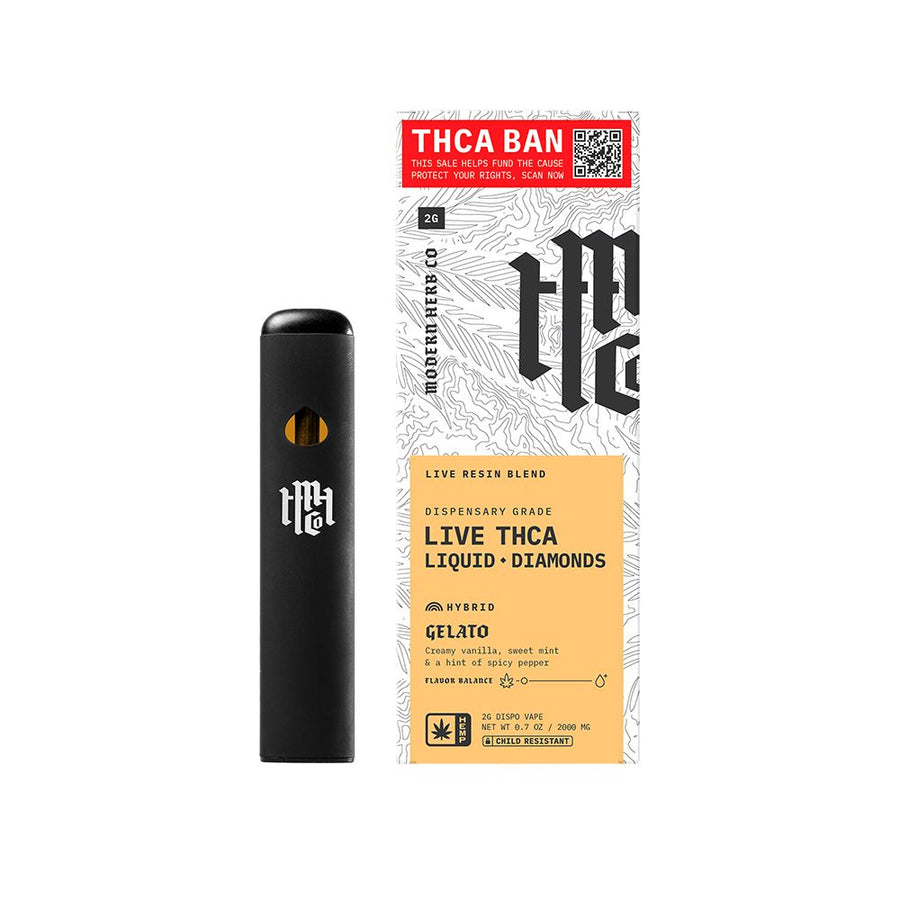
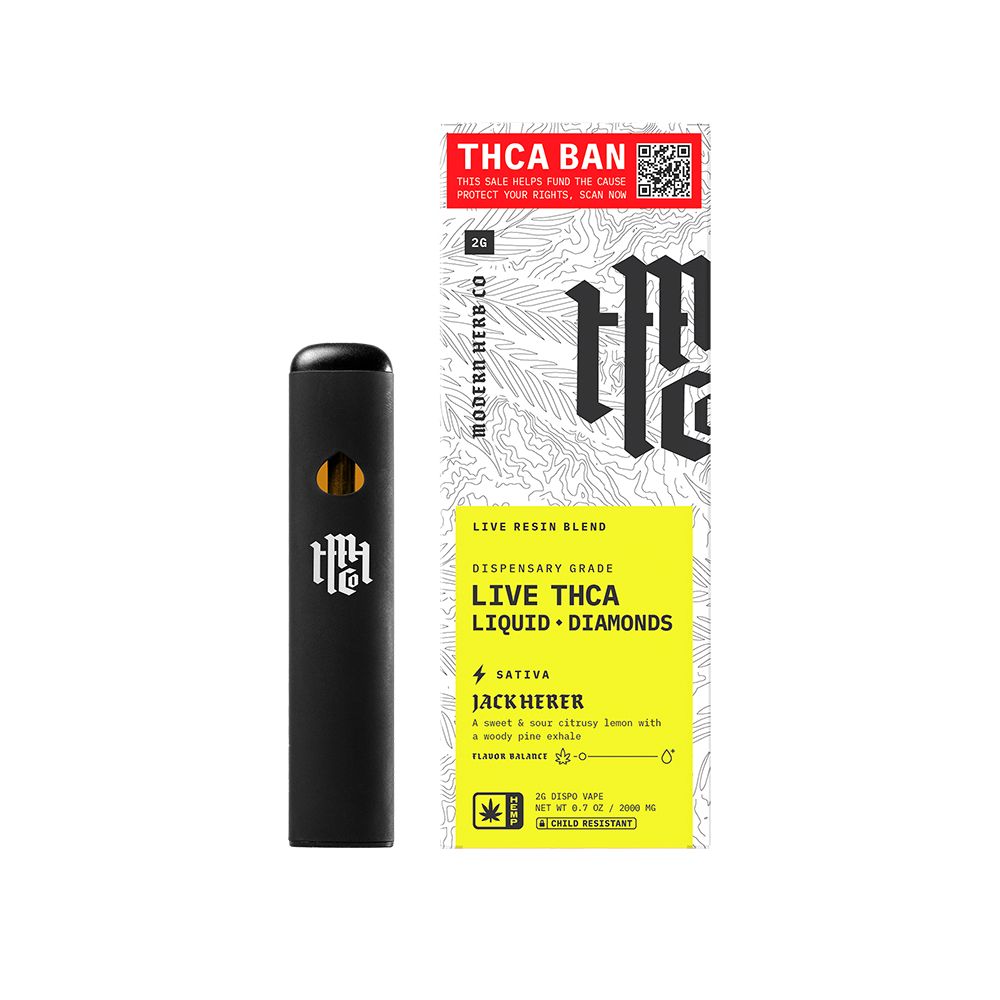
Vaping THCA flower in a dry-herb device avoids burning the flower, so it generally reduces exposure to combustion byproducts compared with smoking it. That is not proof of a safe aerosol or a known reduction in long-term disease risk. A THCA oil cartridge requires its own assessment; you cannot apply findings about heated flower to an oil formulation.
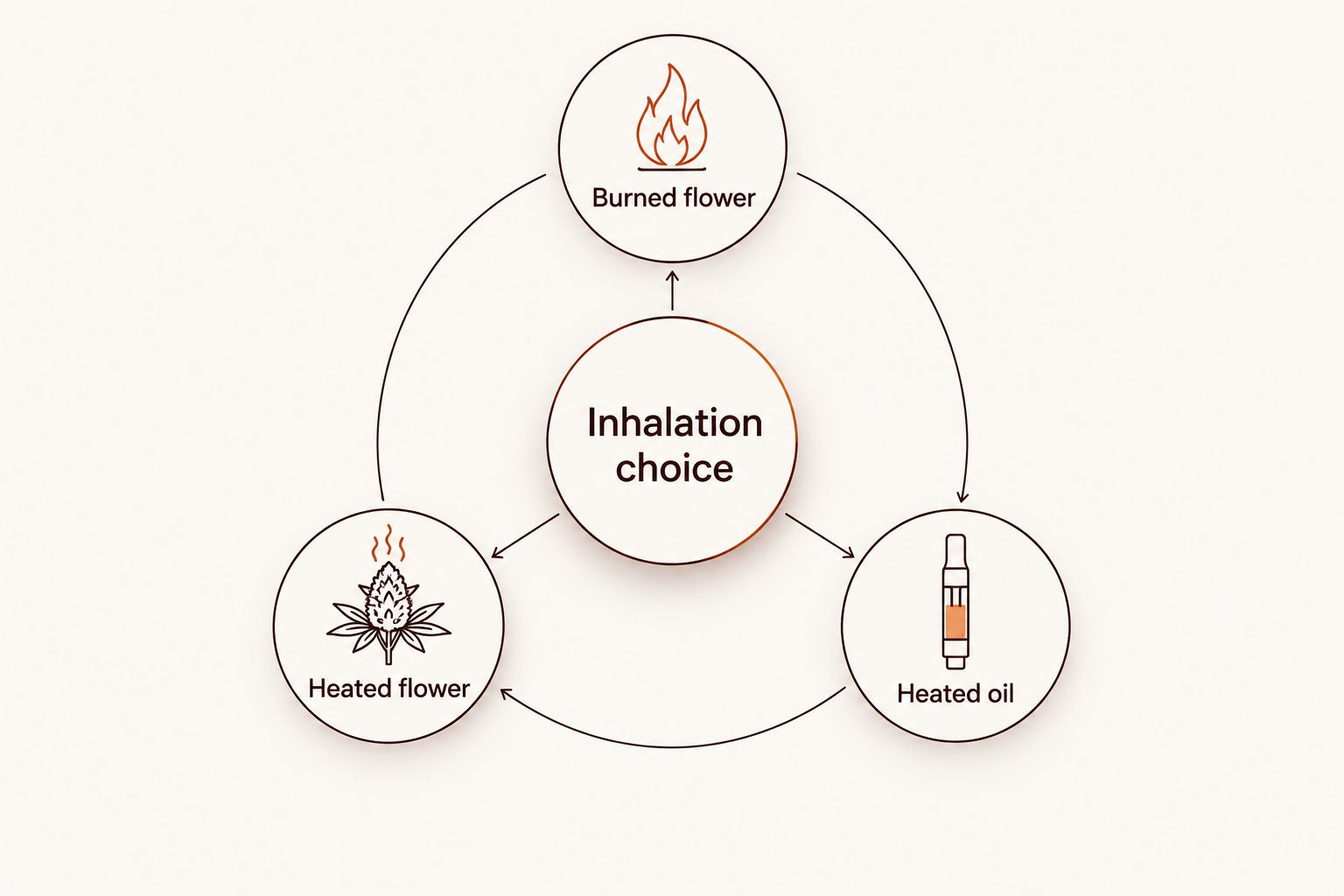
| Inhalation choice | What is heated | Main advantage over smoking flower | Main limitation |
|---|---|---|---|
| Burned flower | Flower lit in a pipe or bong | No cartridge oil or cartridge hardware | Combustion creates smoke and associated byproducts |
| Heated flower | Flower warmed in a dry-herb vaporizer | Avoids intentionally burning the flower | Still produces an inhaled aerosol; device use and material condition matter |
| Heated oil | THCA oil or concentrate in a cartridge | Avoids burning flower | Oil ingredients, contaminants and heating hardware add separate uncertainties |
This is a comparison of inhalation choice, not a ranking of safe products. A bong can cool smoke as it passes through water, but the flower has still burned. A cartridge avoids burning flower, but you need to know what is in the oil and where it came from before making any narrower claim about it. In 2026, neither observation establishes a health outcome for an individual user.
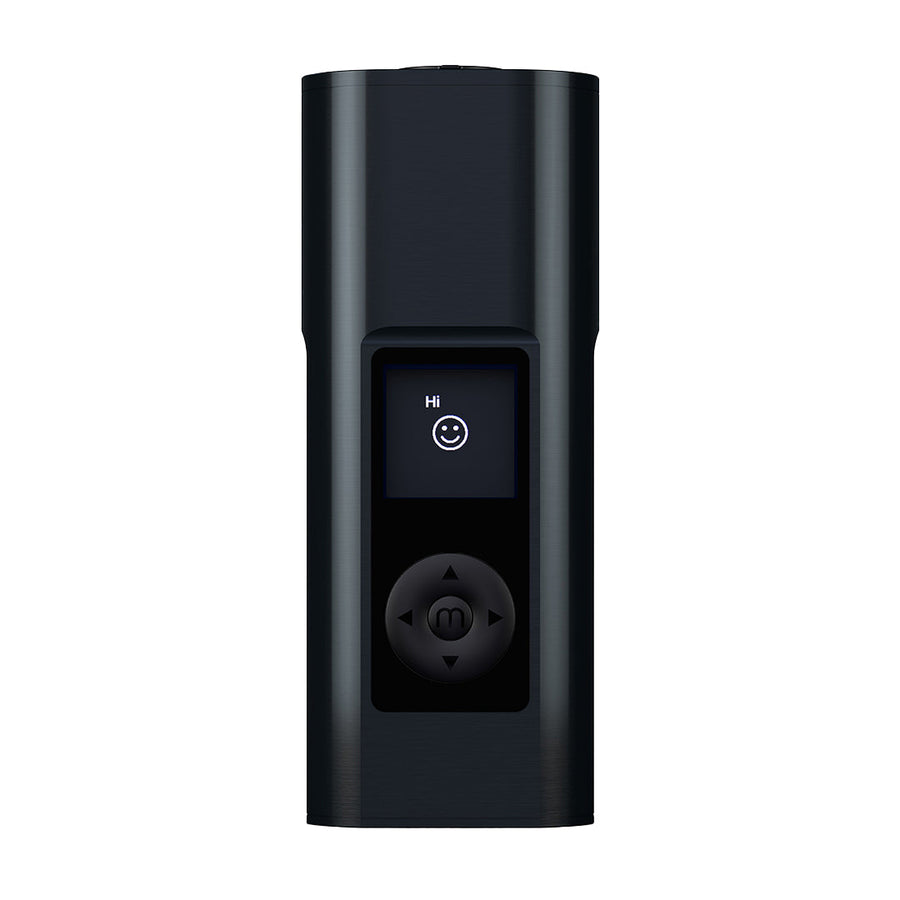
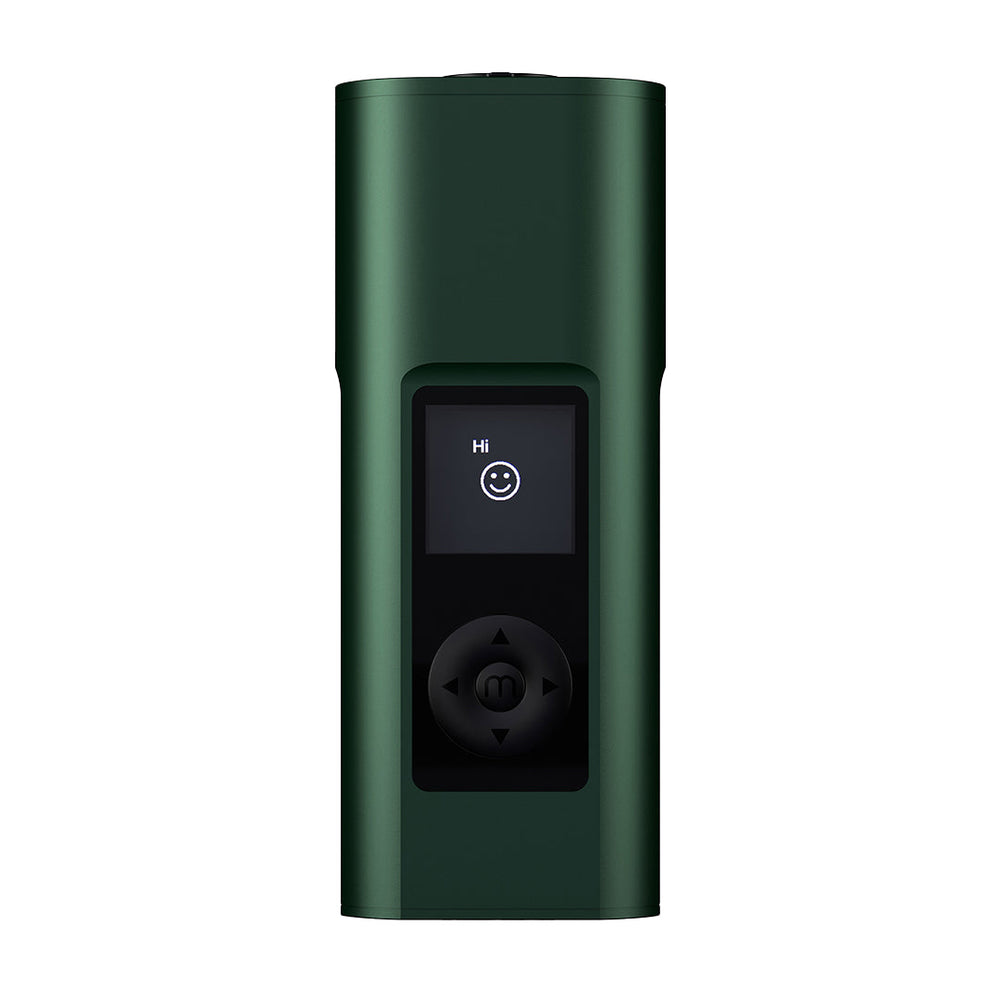
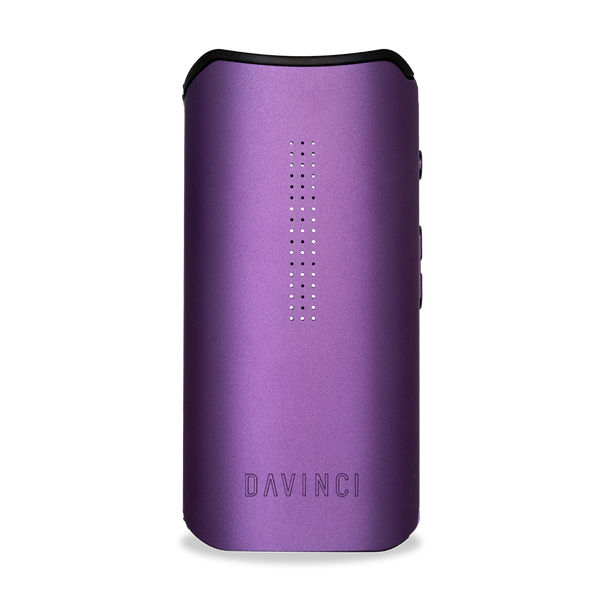
The distinction matters when you shop. Headshop carries dry-herb vaporizers and smoking accessories, but a product category does not establish medical safety. The PAX Four dry herb vaporizer is an example of hardware for the heated-flower side of this comparison. Its listing is not evidence that vaping prevents lung injury, and it tells you nothing about the contents of an unrelated THCA cartridge.
THCA flower and THC flower: what changes when heated?
THCA is the acidic precursor to THC. Heating converts some THCA to THC, whether the source material is smoked or vaporized. The name THCA flower therefore does not mean inhaling it avoids THC exposure. What matters for this question is the heating method and the material you put into it, not a promise implied by the label.
A dry-herb device also differs from a cartridge even if both are marketed with THCA terminology. One heats plant material; the other heats a formulated concentrate. The concentrate can contain substances beyond cannabinoids, and the heating element is part of the exposure pathway. Do not transfer a claim about one method to the other.
Why the safety comparison varies
- Combustion: Lighting flower creates smoke. Heating flower without intentionally burning it removes that source of combustion byproducts, but does not remove inhalation risk.
- Material: Whole flower and cartridge oil are not interchangeable. Ingredients and contaminants in an oil formulation need separate scrutiny.
- Hardware: A dry-herb chamber, a cartridge and a smoking pipe heat material differently. A setting on a device is not a guarantee about every substance in its aerosol.
- Source: A product's origin and ingredient information affect what you can verify. An unknown cartridge composition prevents a meaningful safety comparison.
- Dose: A person can inhale different amounts of THC from different methods. Less visible aerosol is not evidence of a lower dose.
- Frequency: Repeated inhalation adds exposure. Switching equipment does not erase the effect of continuing to inhale regularly.
These are factors to check, not a formula for calculating which method is safe. For an adult choosing between flower methods in 2026, the clearest supported distinction is whether the flower burns. For someone considering a THCA cartridge, composition and source become additional questions rather than details to ignore.
Does vaping deliver less THC than smoking?
No. Vaping does not reliably mean a lower THC dose or weaker effects. In a 2018 JAMA Network Open controlled crossover study, Spindle and colleagues compared smoked and vaporized cannabis in 17 adults who used cannabis infrequently. At measured doses of 10 mg THC and 25 mg THC, vaporized cannabis produced stronger effects than smoked cannabis at the same dose.
That study measured short-term responses under controlled conditions. It did not establish that a particular THCA cartridge is safer than flower, nor did it measure long-term lung outcomes. The 10 mg THC and 25 mg THC doses describe the study's cannabis, not a suggested amount to inhale. If you change methods, do not assume the same amount of starting material will feel the same.
Dose also complicates the word safer. Reducing exposure to some smoke byproducts does not cancel stronger THC effects. Impairment remains relevant whether THC comes from smoked flower, heated flower or heated oil. In 2026, the equipment comparison and the dose comparison need separate answers.
Is a THCA vape cartridge safer than dry-herb vaping?
There is no general safety verdict that puts THCA cartridges ahead of dry-herb vaping. A dry-herb vaporizer heats flower; a cartridge heats its own formulation. Ingredient information, contamination and the cartridge's heating components all affect what a person inhales. A claim about avoiding flower combustion addresses only part of that picture.
U.S. Centers for Disease Control and Prevention investigations of the 2019–2020 EVALI outbreak strongly linked vitamin E acetate to lung injury, particularly in THC-containing vaping products obtained from informal sources. That finding does not mean every cartridge contains vitamin E acetate or that every vaping-related lung problem has the same cause. It does show why an oil cartridge deserves scrutiny that goes beyond asking whether it produces smoke.
For a purchase decision, distinguish verifiable information from packaging language. A product name that includes THCA does not identify every ingredient or establish an absence of contaminants. Likewise, a dry-herb device's product page cannot prove what will happen when someone uses it. Do not treat either format as a medical safety certification.
Does a bong make smoking flower as safe as vaping it?
No. Water filtration does not turn smoke into vapor or undo combustion. The flower still burns before the smoke travels through the water. Cooling can change how an inhale feels, but comfort is not a measurement of reduced health risk.
That distinction matters if you are comparing equipment at Headshop. A pipe or bong serves the burned-flower side of the table; a dry-herb vaporizer serves the heated-flower side. Choose between them with the combustion difference in mind, not a claim that smoother-feeling smoke has become safe. This article does not establish that one product prevents illness.
![Pipe by Vessel [Rose Gold]](http://www.headshop.com/cdn/shop/files/Pipe_Rose_Gold_Closed.jpg?v=1744306576&width=600 "Pipe by Vessel [Rose Gold]")
![Vessel - Mill [Beechwood]](http://www.headshop.com/cdn/shop/files/MILL_GUNMETAL_BEECH_COLLAPSED_FRONT_800.jpg?v=1744308513&width=600 "Vessel - Mill [Beechwood]")
![Vessel - Air [Jade]](http://www.headshop.com/cdn/shop/products/7cd436a1-b1f0-4e01-9e52-050ad7140b56.png?v=1679506090&width=600 "Vessel - Air [Jade]")
What should you check before choosing a method?
Start with the material, then match it to the device. The first question is whether you intend to heat flower or an oil formulation. That single distinction keeps a discussion about dry-herb vaping from being mistaken for evidence about cartridges.
- If you are comparing flower with flower: Identify whether the device burns it or heats it without intentional combustion. Avoid calling the resulting aerosol harmless.
- If you are considering a cartridge: Check the available ingredient and source information. If you cannot establish what the formulation contains, do not assign it a safety advantage over flower.
- If your goal is lower exposure: Account for how often you inhale as well as how the material is heated. A change in device alone does not tell you your total exposure.
- If you are changing methods: Do not assume equal THC effects from equal-looking amounts of material. The 2018 controlled study found stronger effects from vaporized cannabis at the same measured doses.
- If you develop breathing symptoms: Stop inhaling the product and seek medical advice. Do not use this comparison to diagnose the cause.
Headshop sells hardware across these categories, which makes a side-by-side equipment comparison possible. It cannot make an individual THCA oil formulation safe by association with a vaporizer. In 2026, that is the line to keep clear when a product description uses the broad word vape.
FAQ
Is vaping THC safer than smoking flower in 2026?
Dry-herb vaping generally reduces exposure to combustion byproducts compared with smoking flower, but it is not safe. THCA oil cartridges have additional formulation and hardware questions that require a separate comparison.
Is vaping THCA flower different from vaping a THCA cartridge?
Yes. A dry-herb vaporizer heats flower, while a cartridge heats an oil or concentrate. Evidence about one format does not establish the safety of the other.
Does THCA turn into THC when you vape it?
Heating converts some THCA to THC. The THCA label does not mean that smoked or vaporized material produces no THC exposure.
Does a dry-herb vaporizer eliminate lung risks?
No. Avoiding intentional combustion reduces a source of smoke byproducts, but you still inhale an aerosol. That distinction is not a guarantee against lung harm.
Are THCA vape cartridges safer because they do not burn flower?
No general safety claim follows from avoiding burned flower. Cartridge oil can introduce ingredients, contaminants and hardware-related exposures that need their own assessment.
Does water in a bong remove the risks of smoking flower?
No. Flower still burns before the smoke passes through water. A cooler-feeling inhale is not proof that combustion-related risks have disappeared.
Can vaping produce stronger THC effects than smoking?
Yes. A 2018 controlled study of 17 infrequent cannabis users found stronger effects from vaporized cannabis than smoked cannabis at the same measured THC doses. It did not test every device or THCA cartridge.
One last thing
The most useful distinction is flower versus oil, followed by burning versus heating. A dry-herb vaporizer and a THCA cartridge share a verb, not an evidence base. In 2026, ask what is inside the device before deciding what its vapor means for your health.
Related guides
![Vessel Helix Pipe [Black] - Headshop.com](http://www.headshop.com/cdn/shop/files/Pipe_Black_Angle.jpg?v=1744306153&width=900)
![Vessel Helix Pipe [Black] - Headshop.com](http://www.headshop.com/cdn/shop/files/Pipe_Black_Closed.jpg?v=1744306155&width=1000)



![Vessel Pipe [Maritime]](https://cdn.shopify.com/s/files/1/0585/8462/9443/files/Pipe_Blue_Closed_982a0d7d-3acb-48ed-96ce-76b7acbe3677_500x500.jpg?v=1744306295)