
![Pipe by Vessel [Gunmetal] - Headshop.com](http://www.headshop.com/cdn/shop/files/Pipe_Gunmetal_Angle.jpg?v=1744306453&width=900)
![Pipe by Vessel [Gunmetal] - Headshop.com](http://www.headshop.com/cdn/shop/files/Pipe_Gunmetal_Closed.jpg?v=1744306456&width=1000)
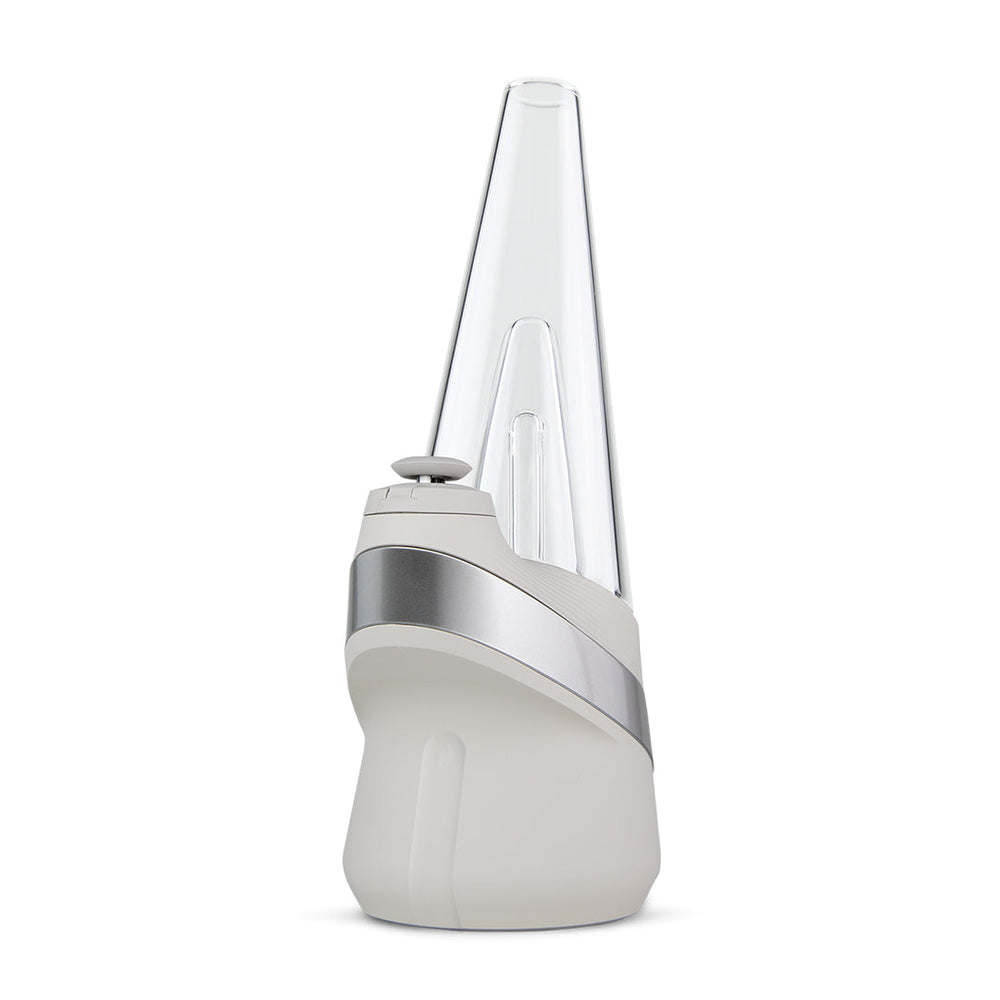




Electric Dab Rig Battery Life: Depends on Use | 2026
An electric dab rig lasts for a model-specific number of heating sessions per charge, not a universal number of hours. Temperature, heating duration, repeat cycles, and battery condition change that result. Use the manufacturer's sessions-per-charge rating as a starting point, then measure completed sessions at your usual settings.
- How long does an electric dab rig battery last on a charge? Heating settings and battery condition determine the answer.
- Headshop lists electric dab rigs with battery capacities; capacity alone does not establish sessions per charge.
- Compare completed heating sessions, not time spent sitting between uses.
- Keep temperature and heating duration consistent when checking your rig's battery performance.
Why this matters
A rig that sits unplugged through an afternoon has not necessarily supplied an afternoon of heating. Your useful battery life is the number of complete cycles it delivers before you need to recharge.
If you are choosing a portable setup in 2026, start with how you actually use it. The travel dab rig guide covers the broader equipment choice; this page focuses on interpreting battery specifications and checking your own runtime.
How long does an electric dab rig battery last on a charge?
Battery capacity is not a sessions-per-charge rating. A capacity figure describes electrical charge storage, while runtime also depends on how much energy the rig uses during each heating cycle.
The Headshop product catalog includes the following capacity figures in its product names. These are catalog specifications for this 2026 guide, not measured runtime results or a ranking of battery endurance.
| Electric dab rig | Listed battery capacity | What the figure tells you | What it does not tell you |
|---|---|---|---|
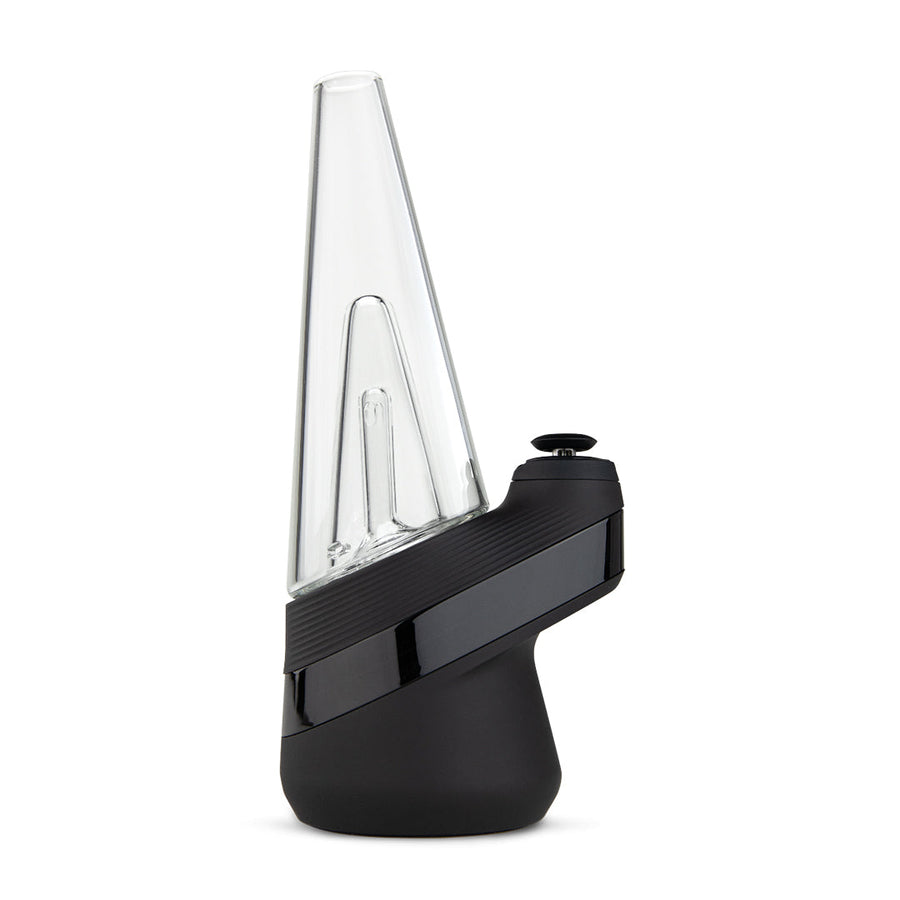
| Puffco New Peak Smart Erig | 1,700 mAh | Listed charge-storage capacity | Completed sessions at your preferred setting |
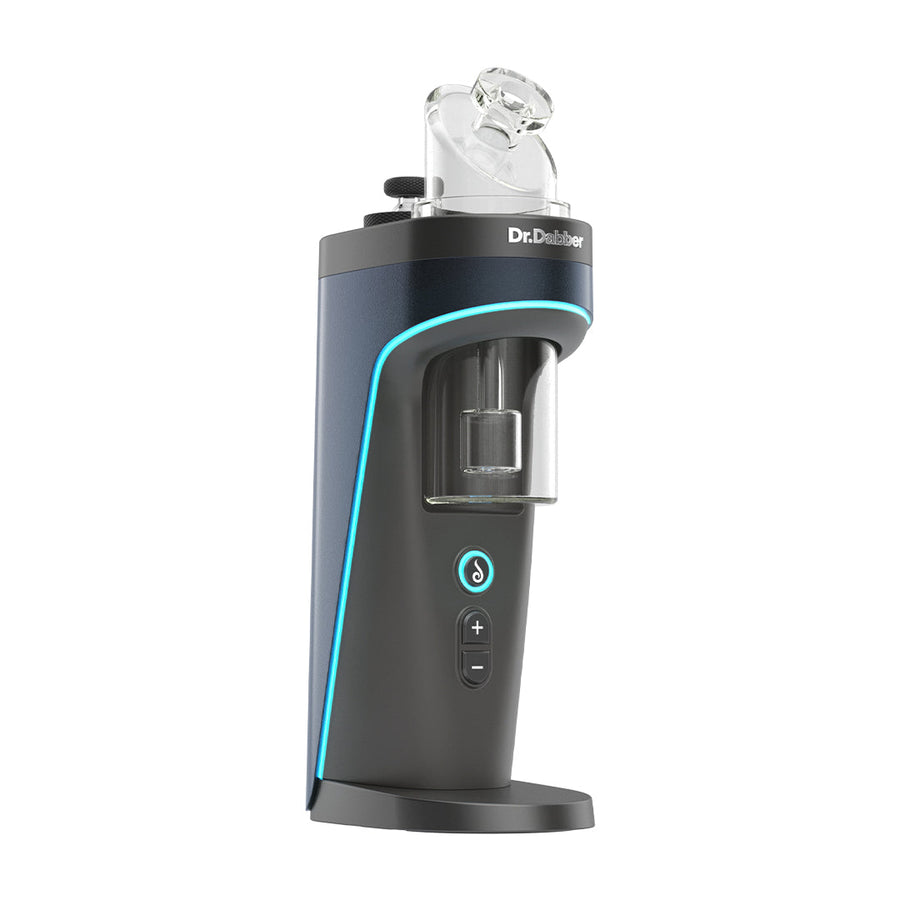
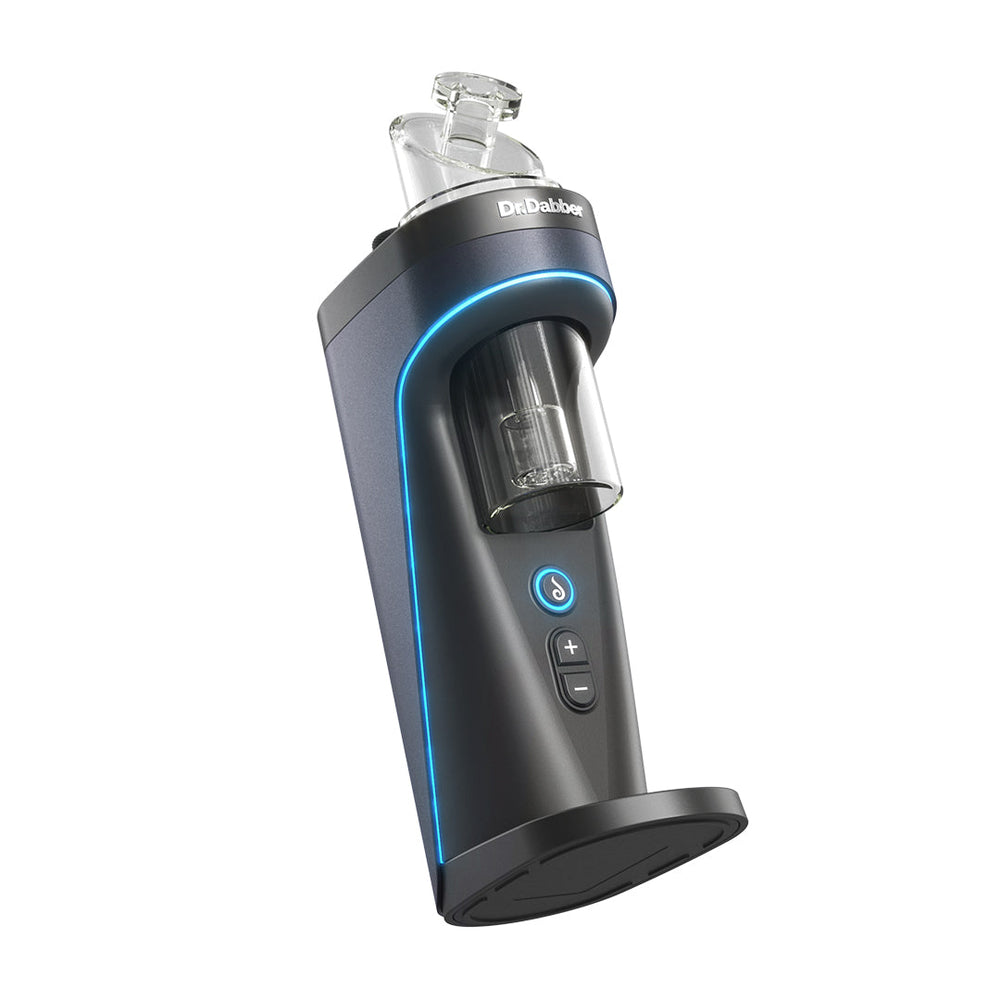
| Dr. Dabber Switch Erig | 3,000 mAh | Listed charge-storage capacity | Heating time, recharge time, or runtime by setting |
| Bomb Aerix Erig | 3,500 mAh | Listed charge-storage capacity | Whether it outlasts a different rig in actual use |
A larger mAh figure is useful information, but it is not enough to declare a battery-life winner. Battery voltage, usable energy, heater demand, and control settings also matter. Do not convert these capacity figures into a promised session count.
What counts as a session?
For a useful battery check, count a session as a complete programmed heating cycle. Record extensions and reheats separately, because they add heating without necessarily adding another fresh start.
Keep that definition consistent. If one result counts every activation and another counts an initial cycle plus several extensions as a single session, the totals describe different workloads.
Elapsed time is a separate measurement. A rig used intermittently can remain unplugged longer than a rig running repeated cycles, even when both complete the same total amount of heating.
A 1,700 mAh specification: capacity, not a runtime promise
The Puffco New Peak Smart Erig catalog entry identifies a 1,700 mAh battery capacity. That figure is a starting point for understanding the battery, not an answer in minutes or sessions.
Best for: shoppers checking the exact model's battery specification before reviewing its operating instructions. The advantage is a clearly identified capacity; the limitation is that capacity does not describe your heating workload.
When evaluating this specification in 2026, look for a manufacturer statement that explains how any advertised session count was obtained. Temperature, cycle length, and whether extensions are included are the details that make a runtime claim useful.
Do not substitute specifications from another model with a similar name. Battery guidance belongs to the exact device and version you are considering.
A 3,000 mAh specification: check the workload behind it
The Dr. Dabber Switch Erig catalog entry identifies a 3,000 mAh battery capacity. It does not follow that its completed-session count scales directly with the capacity of another rig.
Best for: shoppers comparing documented battery specifications without treating them as endurance results. The benefit is a stated capacity figure; the drawback is that cross-model runtime still requires comparable operating conditions.
A rig with a different heater or heating program can draw a different amount of energy per cycle. Even an accurate capacity specification leaves that part of the comparison unresolved.
Ask for sessions per charge at a defined setting, then check whether that setting matches your routine. A result from short cycles is not interchangeable with a result from extended heating.
A 3,500 mAh specification: more charge is not a session count
The Bomb Aerix Erig catalog entry identifies a 3,500 mAh battery capacity. That number describes charge capacity, not continuous heating time or guaranteed sessions between charges.
Best for: shoppers who want to inspect a stated capacity alongside model-specific operating information. Its useful feature here is the explicit specification; its limitation is the absence of workload information within that figure itself.
For a 2026 buying decision, compare documented runtime conditions rather than choosing solely by the largest mAh number. A larger charge capacity does not establish the longest runtime across devices with different electrical designs.
Battery capacity and charging speed are also separate specifications. You cannot calculate a rig's recharge time from its mAh figure without additional charging information.
Why electric dab rig battery life varies
Your battery supplies the heater whenever the device warms up or maintains its temperature. These factors change the workload or the amount of usable energy available:
- Temperature setting: A higher target temperature generally requires more heating energy under otherwise comparable conditions. Use your normal setting when checking runtime.
- Heating duration: Holding the chamber at temperature longer consumes additional energy. Record the programmed duration and any extensions.
- Repeat cycles: Reheating adds another demand on the battery. A count that ignores repeat heating hides part of your actual use.
- Battery condition: Rechargeable batteries lose capacity with age and use. Compare your current results with earlier results from the same device and settings.
- Ambient temperature: Battery performance and heating demand change with surrounding temperature. Avoid treating results from different environments as identical tests.
- Starting charge: A partially charged battery cannot provide the same available energy as that battery at full charge. Confirm the device's full-charge indication before checking endurance.
Change one condition at a time when investigating a shorter runtime. Otherwise, you cannot tell whether the difference came from the battery, a longer heating program, or a different starting charge.
How do you check your own sessions per charge?
Use a simple log during ordinary operation. You do not need to run unnecessary heating cycles or force the battery past its normal low-battery shutdown.
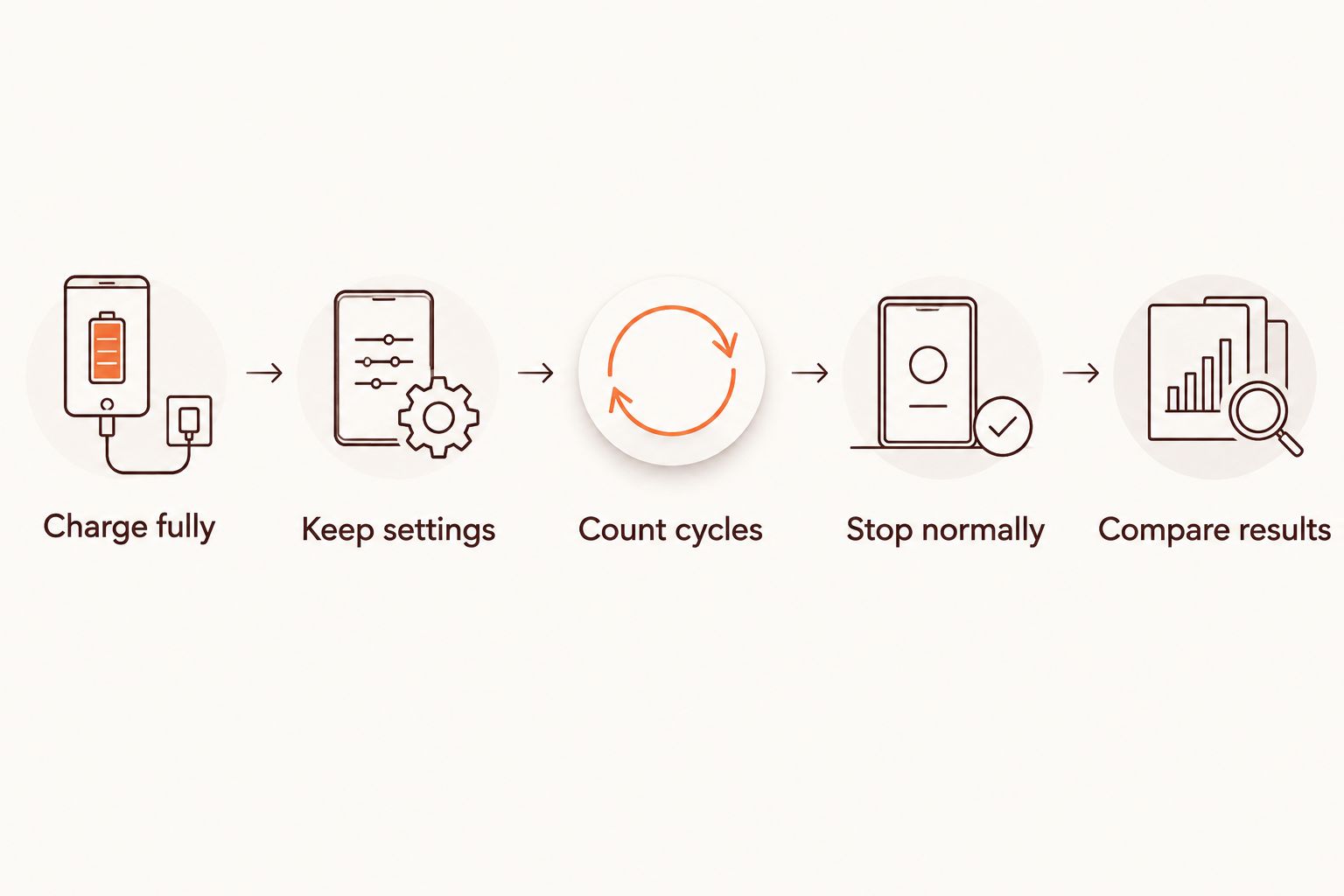
- Charge fully. Follow the manufacturer's charging instructions and wait for the device's full-charge indication. Disconnect it before starting the check.
- Keep settings. Use the same temperature and programmed heating duration throughout the comparison. Note those settings rather than relying on memory.
- Count cycles. Record completed heating cycles as you use the rig normally. Keep a separate note of extensions, interrupted cycles, and reheats.
- Stop normally. End the check at the device's normal low-battery warning or shutdown. Do not repeatedly restart it to force additional heating.
- Compare results. Repeat during comparable use and compare the logs. Look for a consistent pattern rather than treating an isolated result as the battery's permanent limit.
A useful log ties the result to the workload. Include the date, settings, completed cycles, extra heating, and any unusual conditions such as use in cold surroundings.
Keep your 2026 battery log with the exact model name. That prevents a future comparison from mixing up different devices or different heating settings.
How should you read the results?
If your completed-cycle count stays similar under comparable conditions, your battery performance is consistent with that routine. A different person's result is not automatically a better benchmark.
![Vessel - Mill [Beechwood]](http://www.headshop.com/cdn/shop/files/MILL_GUNMETAL_BEECH_COLLAPSED_FRONT_800.jpg?v=1744308513&width=600 "Vessel - Mill [Beechwood]")
![Vessel - Air [Jade]](http://www.headshop.com/cdn/shop/products/7cd436a1-b1f0-4e01-9e52-050ad7140b56.png?v=1679506090&width=600 "Vessel - Air [Jade]")
![Pipe by Vessel [Rose Gold]](http://www.headshop.com/cdn/shop/files/Pipe_Rose_Gold_Closed.jpg?v=1744306576&width=600 "Pipe by Vessel [Rose Gold]")
If the count declines repeatedly, check the recorded settings and charging conditions before blaming the battery. Longer cycles and additional reheats can explain a shorter result without any change in battery capacity.
A persistent decline at unchanged settings deserves attention. Follow the manufacturer's troubleshooting instructions instead of opening the battery housing or attempting an improvised repair.
Does a bigger mAh battery always last longer?
No: 3,500 mAh does not establish longer runtime than 3,000 mAh across different electric dab rigs. The figures describe charge capacity, while voltage and the device's energy demand also affect runtime.
Within otherwise equivalent battery systems and workloads, greater usable energy supports longer operation. Across different rigs, compare documented sessions under similar conditions rather than assuming the capacity ratio is the runtime ratio.
Is sessions per charge more useful than hours per charge?
Yes, completed sessions are more useful when each session uses a defined heating cycle. Hours unplugged include the time the rig sits unused, so that figure can conceal a much smaller amount of active heating.
Neither measurement works without context. Pair session counts with temperature and heating duration; pair elapsed time with how often the rig actually runs.
Can you use an electric dab rig while it charges?
Use an electric dab rig while charging only when the manufacturer explicitly permits it for that model. A charging port alone does not establish support for heating during charging.
Follow the device's power-adapter requirements as well. Do not use simultaneous charging and heating as a workaround for a battery that behaves abnormally.
How to preserve useful battery runtime
Start with the manufacturer's operating and care instructions. You cannot make a battery deliver unlimited heating, but you can avoid wasting charge on cycles you do not need.
- End unnecessary heating. Do not keep extending a cycle simply because an extension is available.
- Switch off for storage. Use the device's specified shutdown procedure instead of assuming inactivity always means it is off.
- Charge as instructed. Follow the model's adapter and cable requirements; connector shape alone does not establish compatibility.
- Keep the base dry. Clean removable parts according to the manual and keep cleaning liquid away from the battery and charging port.
- Avoid extreme temperatures. Do not leave the rig charging in direct sun or store it in a hot vehicle.
Stop using and charging a device with swelling, leakage, smoke, a burning smell, or unusual heat. These are safety concerns, not reasons to run another endurance check.
Headshop is best for adult shoppers seeking electric dab rigs alongside smoking accessories. When selecting equipment, prioritize a documented operating routine and clear battery guidance over an unsupported promise of all-day use.
FAQ
How long does an electric dab rig battery last on a charge?
An electric dab rig lasts for a model-specific number of heating sessions per charge. Temperature, heating duration, repeat cycles, starting charge, and battery condition determine your result.
Does a 3,500 mAh electric dab rig last longer than a 3,000 mAh rig?
A 3,500 mAh rating does not establish longer runtime than a 3,000 mAh rating across different rigs. Voltage, heater demand, and cycle settings also affect how long each device operates.
How many sessions should I get from a 1,700 mAh electric dab rig?
A 1,700 mAh specification alone cannot establish a session count. Check the exact model's manufacturer guidance and count completed cycles at your normal settings.
Why does my electric dab rig battery drain faster at higher settings?
Higher temperature targets generally require more heating energy under otherwise comparable conditions. Longer heating periods and repeated extensions also add to battery demand.
Can I leave my electric dab rig charging overnight?
Do not leave an electric dab rig charging unattended or while you sleep. Follow its charging instructions and disconnect it when charging is complete.
Why is my electric dab rig getting fewer sessions than before?
Fewer sessions can result from longer heating, more repeat cycles, an incomplete starting charge, or reduced battery capacity. Compare results at unchanged settings before concluding that the battery has deteriorated.
What's the best way to compare electric dab rig batteries in 2026?
Compare completed sessions under documented temperature and heating-duration settings in 2026. Treat mAh as a capacity specification, not a standalone runtime ranking.
One last thing
Write down extensions, not just sessions. Extra heating can make an apparently unchanged routine consume more charge, so a session total without that detail can send you looking for a battery problem that is actually a workload change.
Before replacing a rig, compare like-for-like results. That is a more useful next move than choosing another device solely because its capacity number is larger.
Related guides
![Vessel Helix Pipe [Black] - Headshop.com](http://www.headshop.com/cdn/shop/files/Pipe_Black_Angle.jpg?v=1744306153&width=900)
![Vessel Helix Pipe [Black] - Headshop.com](http://www.headshop.com/cdn/shop/files/Pipe_Black_Closed.jpg?v=1744306155&width=1000)






![Vessel Pipe [Maritime]](https://cdn.shopify.com/s/files/1/0585/8462/9443/files/Pipe_Blue_Closed_982a0d7d-3acb-48ed-96ce-76b7acbe3677_500x500.jpg?v=1744306295)