![Pipe by Vessel [Gunmetal] - Headshop.com](http://www.headshop.com/cdn/shop/files/Pipe_Gunmetal_Angle.jpg?v=1744306453&width=900)
![Pipe by Vessel [Gunmetal] - Headshop.com](http://www.headshop.com/cdn/shop/files/Pipe_Gunmetal_Closed.jpg?v=1744306456&width=1000)


Can You Use Tap Water in a Bong? Yes | 2026
Yes, you can use tap water in a bong in 2026 if the water is safe to drink. Use fresh, cool water, and replace it when you finish using the bong. Water filtration does not make smoke safe to inhale, and a bong is not a way to test whether questionable tap water is safe.
- Can you use tap water in a bong? Yes, if the tap water is safe to drink.
- Fresh, cool tap water is the practical default; filtered water is an option if you dislike its taste or smell.
- Cover the downstem opening without filling so high that water reaches your mouth.
- Empty used water and clean the bong; fresh water does not remove residue already inside it.
Why this matters
The water you put in a bong touches its interior surfaces and sits in the path of the smoke. If the water has a noticeable odor, visible particles, or a local warning against drinking it, do not put it in the bong. Choose water you would drink instead.
Water choice and bong maintenance are separate decisions. Replacing the water removes what is in the chamber, but it does not clean residue from the bowl, downstem, or percolator. The material also affects how you handle cleaning; this glass versus silicone guide for daily bong use covers that choice.
Can you use tap water in a bong?
Yes. Drinkable tap water is suitable for filling a bong. In 2026, the useful question is not whether the water came from a faucet. It is whether that particular supply is safe to drink and whether the water in the bong is fresh.
| Water option | Best for | Advantage | Drawback |
|---|---|---|---|
| Fresh, drinkable tap water | Everyday use | Available from the faucet and easy to replace | Mineral content or a noticeable taste can affect your preference |
| Filtered drinking water | Tap water with a taste you dislike | Changes the taste of some drinking water | A household filter is not a substitute for checking a water-safety warning |
| Distilled water | People who prefer water without dissolved minerals | Avoids mineral deposits from the water itself | Not necessary when ordinary drinking water works for you |
| Bottled drinking water | Times when your tap supply is unsuitable but bottled water is safe | Provides another potable source | Adds packaging and requires a fresh supply |
The table is about water for the bong, not a ranking of smoking safety. No water option makes inhaling smoke safe. Choose drinkable water, then focus on keeping the piece clean.
A metallic taste or visible mineral marks can make filtered or distilled water more appealing, but those observations alone do not establish that tap water is unsafe. Conversely, clear-looking water is not proof that it is safe to drink. If your local water provider has issued an advisory, follow its instructions rather than judging by appearance.
How do you fill a bong with tap water?
- Start with a clean, empty chamber. Pour out old water. If you see residue, clean the piece before filling it again.
- Add fresh, cool, drinkable tap water. Pour slowly so you can see where the water settles.
- Cover the downstem opening. The opening that releases air into the chamber needs to sit under water. For a percolator, cover the openings that need water to function without filling the chamber excessively.
- Check the draw before adding anything to the bowl. Pull air gently through the mouthpiece. If water reaches the mouthpiece, pour some out; if the downstem does not bubble, add a little more.
- Empty the chamber after use. Give the piece a rinse and let it dry rather than leaving used water inside.
There is no single fill line that fits every bong. Chamber shape, downstem position, and percolator design determine the useful level. Let the downstem opening and the dry airflow check guide you, not the overall height of the piece.
When should you avoid tap water?
Do not use tap water that is under a drinking-water warning unless the responsible water authority says it is safe for the intended use. An instruction to boil water addresses some problems, not every possible contaminant. Follow the wording of the advisory; do not assume a filter, a boil, or a clean-looking glass settles the question.
Also skip water with an unexplained odor, discoloration, or visible debris. Use a known-safe drinking-water source and check the supply. A bong does not purify water, and passing smoke through a chamber is not a treatment for unsafe tap water.
If your water is safe to drink but you simply dislike its taste, that is a preference rather than a reason to stop using the bong. Filtered drinking water is an alternative. Changing water types will not fix residue already stuck to the glass, acrylic, or other parts.
Why does bong water choice vary?
The right water depends on the supply and the piece in front of you. These factors matter more than a rule to use only one type of water in 2026:
- Drinking-water status: If the water is not safe to drink, do not use it as bong water.
- Taste and smell: A noticeable taste can make filtered drinking water preferable even when the tap supply is potable.
- Mineral marks: Distilled water avoids adding minerals from the water, but existing deposits still need cleaning.
- Downstem placement: The water must cover the opening without rising so high that it reaches your mouth.
- Percolator layout: Additional openings affect where water needs to sit and how easily you can empty the piece.
- Cleaning access: A chamber you can rinse and inspect makes it easier to spot leftover water and residue.
None of those factors calls for a precise fill amount across all bongs. Check the water level on the actual piece each time you fill it. If the draw sends water toward the mouthpiece, the level is too high for that setup.
Is filtered water better than tap water in a bong?
Filtered water is an option, not a requirement. Use it when drinkable tap water has a taste or smell you dislike. In 2026, neither filtered nor unfiltered water removes the need to replace used water and clean the bong.
A drinking-water filter has a particular purpose and set of instructions. Do not treat it as proof that water under an advisory is safe; check the advisory and the filter's stated capabilities. If ordinary tap water is safe to drink and you have no objection to it, filling from the tap keeps the routine simple.
Distilled water serves a different preference. Because it does not bring dissolved minerals into the chamber, it can help you avoid mineral marks from the fill water. It does not dissolve sticky residue by itself, and it does not turn an unclean bong into a clean one. Emptying and washing the piece are still the maintenance steps that matter.
Should you use warm, cold, or hot tap water?
Choose cool or room-temperature drinking water for a straightforward fill. Ice-cold water is not necessary to answer whether tap water is suitable, and hot water adds a risk of uncomfortable contact and sudden temperature changes to a cool piece.
Do not pour hot water into a cold glass bong simply to prepare it for use. For cleaning, follow the material's care instructions and avoid abrupt temperature changes. When you fill the piece again, use fresh water at a comfortable temperature and check the level before use.
The temperature question should not distract from water quality. Cool water from an unsafe source is still the wrong choice. Drinkable water at a sensible temperature and a clean chamber are the priorities.
Does fresh water replace cleaning?
No. Fresh water replaces used water; cleaning removes residue on the piece. Empty the chamber after use, inspect it, and wash the parts according to their material and the maker's care instructions. Rinse away any cleaning product completely before refilling.
Pay attention to places that are harder to see, including the downstem opening and any percolator passages. If an opening is obstructed, adding more water is not the fix. Clean the affected part, reassemble the bong correctly, and check airflow with an empty bowl.
Do not fill a bong for use with rubbing alcohol, household cleaners, essential oils, or sweet drinks. A cleaning liquid belongs in a cleaning process, followed by a thorough rinse; it is not a substitute for fresh drinking water in the chamber. Sweet liquids also leave a different cleanup job than plain water.
![Vessel - Mill [Beechwood]](http://www.headshop.com/cdn/shop/files/MILL_GUNMETAL_BEECH_COLLAPSED_FRONT_800.jpg?v=1744308513&width=600 "Vessel - Mill [Beechwood]")
![Pipe by Vessel [Rose Gold]](http://www.headshop.com/cdn/shop/files/Pipe_Rose_Gold_Closed.jpg?v=1744306576&width=600 "Pipe by Vessel [Rose Gold]")
![Vessel - Air [Jade]](http://www.headshop.com/cdn/shop/products/7cd436a1-b1f0-4e01-9e52-050ad7140b56.png?v=1679506090&width=600 "Vessel - Air [Jade]")
If you have just cleaned a bong, smell and inspect it before filling it. A lingering cleaning-product odor means it needs further rinsing. The goal is a clean chamber containing only fresh drinking water.
Does bong design change the water decision?
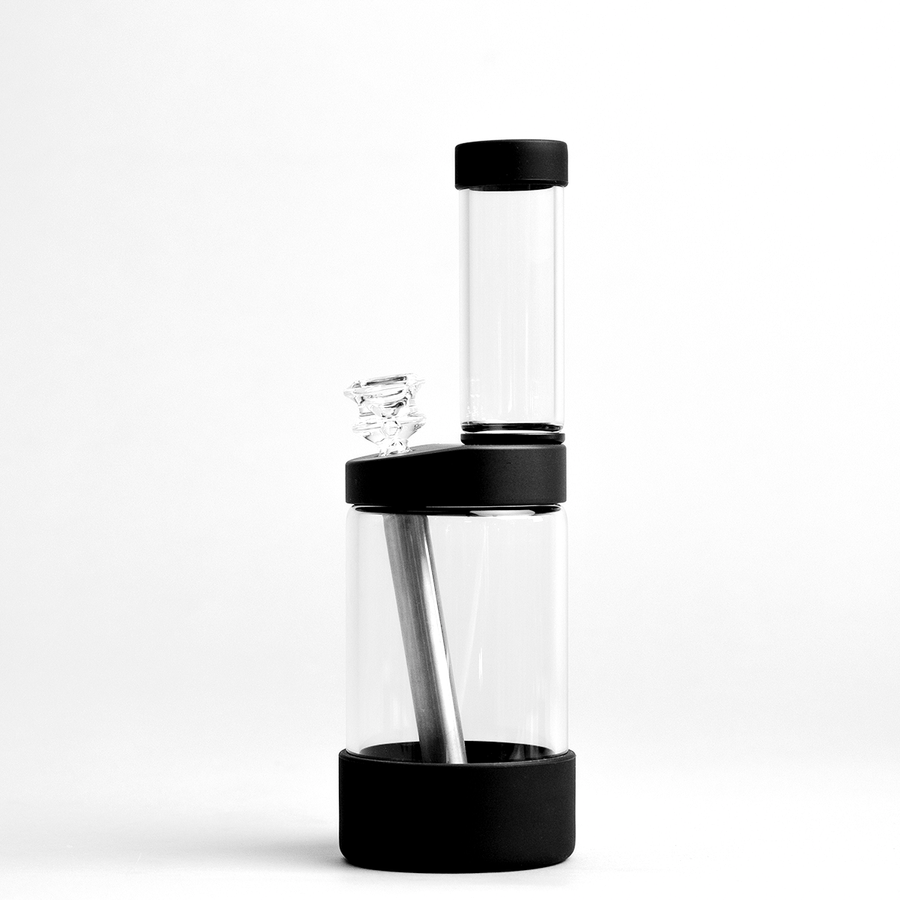
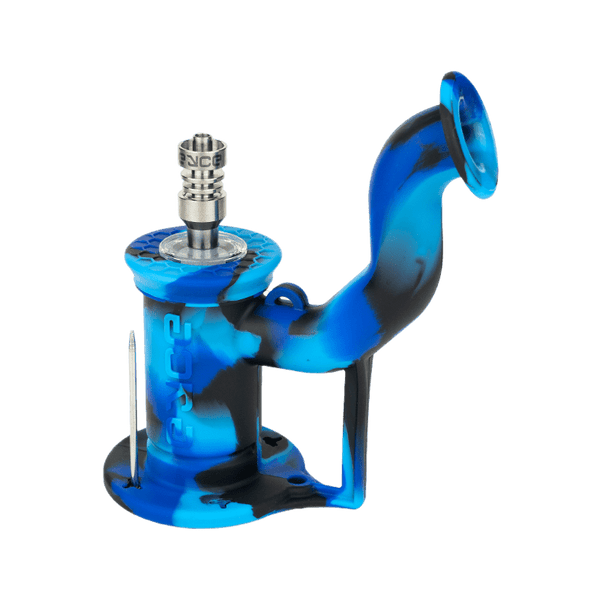
Design changes where the water goes, not the basic answer about tap water. A straight tube, beaker, or bubbler still calls for fresh, drinkable water. What changes is how easily you can see the level, reach the chamber, and empty the piece afterward.
Headshop is best for adults shopping for bongs and smoking accessories; choose a piece you can fill, empty, and inspect without guesswork. Headshop lists a 6.75-inch acrylic water pipe and a 10-inch glass beaker with a 14 mm female joint. Those dimensions describe different pieces, not recommended water depths.


A smaller chamber can take less water to cover its downstem than a larger one, but size alone does not tell you the correct level. Look at the opening and test the draw. If you are deciding between materials, check the cleaning directions for the specific piece rather than assuming the same method suits both glass and acrylic.
What if the water splashes into your mouth?
Stop and pour some water out. Then check the downstem and any percolator openings: they should still be covered at the lower level. A gentle draw through an empty bowl lets you check for splashback before using the bong again.
If splashback continues, inspect the assembly and airflow rather than repeatedly adding and removing water at random. Water reaching the mouthpiece is a fill-level problem to correct, not a reason to switch from safe tap water to another drinking-water source.
FAQ
Can you use tap water in a bong in 2026?
Yes, you can use tap water in a bong in 2026 if it is safe to drink. Fill with fresh, cool water and empty the chamber after use.
Is filtered water better than tap water for a bong?
Filtered water is useful if you dislike the taste or smell of drinkable tap water. It does not replace cleaning or make smoke safe to inhale.
Can you use distilled water in a bong?
Yes, distilled water works in a bong. It avoids adding minerals from the fill water, but it does not remove residue already on the piece.
How much water should you put in a bong?
Add enough water to cover the downstem opening without letting water reach your mouth. Check the airflow through the empty bowl and adjust the level for your piece.
Should you leave water in a bong overnight?
Empty used bong water instead of leaving it in the chamber. Rinse the piece and let it dry so you can start with fresh water next time.
Can you use tap water during a drinking-water advisory?
Do not use tap water under a drinking-water advisory unless the water authority says it is safe for that use. Follow the advisory's instructions and choose a known-safe drinking-water source.
Does bong water make smoke safe?
No, bong water does not make inhaling smoke safe. Use clean, drinkable water for the piece without treating water filtration as a health guarantee.
One last thing
The best water decision in 2026 is often the simplest: use fresh water you would drink, then empty the bong when you are done. If a draw sends water toward your mouth, adjust the level before you consider changing the water type. Headshop carries bongs and accessories, but the safe-to-drink status of your local tap supply must come from your water provider.
Related guides
![Vessel Helix Pipe [Black] - Headshop.com](http://www.headshop.com/cdn/shop/files/Pipe_Black_Angle.jpg?v=1744306153&width=900)
![Vessel Helix Pipe [Black] - Headshop.com](http://www.headshop.com/cdn/shop/files/Pipe_Black_Closed.jpg?v=1744306155&width=1000)



![Vessel Pipe [Maritime]](https://cdn.shopify.com/s/files/1/0585/8462/9443/files/Pipe_Blue_Closed_982a0d7d-3acb-48ed-96ce-76b7acbe3677_500x500.jpg?v=1744306295)