![Pipe by Vessel [Gunmetal] - Headshop.com](http://www.headshop.com/cdn/shop/files/Pipe_Gunmetal_Angle.jpg?v=1744306453&width=900)
![Pipe by Vessel [Gunmetal] - Headshop.com](http://www.headshop.com/cdn/shop/files/Pipe_Gunmetal_Closed.jpg?v=1744306456&width=1000)

Bongs for First-Time Smokers: 2026 Buying Guide
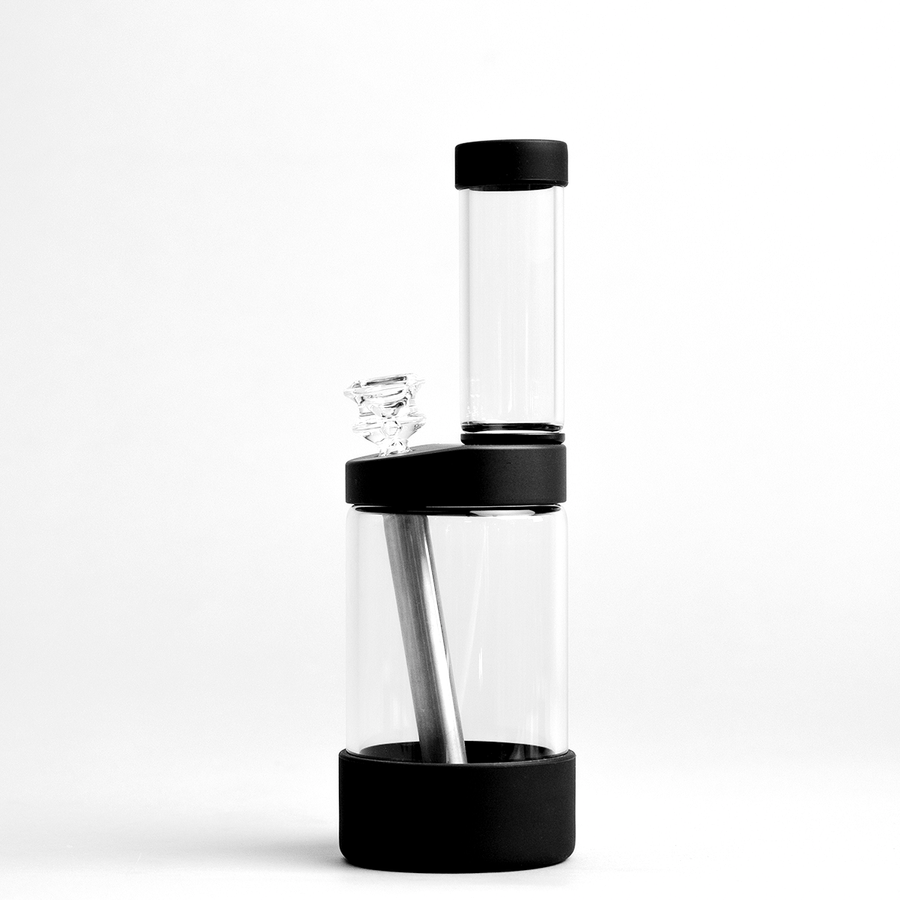
Bongs for first-time smokers are water pipes sized and shaped to forgive rookie mistakes: wide bases for stability, shorter necks for easier draws, and simple percolation that won't shred a new user's lungs. A first-timer's biggest risks aren't legal or health-related in scope here — they're mechanical (dropping a top-heavy piece) and technical (drawing too hard, coughing, or clogging a bowl). This guide walks through picking, using, and maintaining a bong built for someone who has never held one, with the Headshop catalog as the reference point throughout.
- Bongs for first-time smokers should be under 10 inches, beaker-shaped, and made of borosilicate glass or silicone in 2026.
- Beaker-base pipes outscore straight tubes for beginners because a wider foot resists tipping.
- Load bowls small on the first few sessions — overpacking is the #1 mistake new users make.
- Rinse the bong after every session; dried resin turns a 2-minute cleanup into a 20-minute one.
- Silicone bongs trade smoothness for near-zero breakage risk, a fair trade for someone still learning to handle glass.
Why bongs matter for first-time smokers
A first bong sets the tone for whether someone sticks with water pipes at all. Confusing percolation, oversized chambers, and finicky bowls turn a first session into a coughing fit and a shelved purchase. The category exists because water filtration cools and softens smoke compared to a dry pipe — but that benefit only shows up when the piece matches the user's experience level, not when it's built for someone chasing maximum diffusion.
First-time buyers also search differently than veterans: they're looking for "easy to clean," "won't break," and "how much to load" rather than percolator counts or joint sizes. That search behavior is why beginner guides need to answer usage questions, not just list gear.
Update your size expectations
Most first-time buyers overestimate how big a bong should be. Bigger chambers need bigger, harder pulls to clear — exactly the opposite of what a beginner wants.
- Look for pieces in the 6-10 inch range
- Favor a beaker base over a straight tube for stability
- Skip multi-arm percolators until you know your draw preference
- Confirm the joint size (14mm is the common beginner standard) before buying accessories
Learn the anatomy before the first session
Every bong breaks down into the same five parts, and knowing them prevents the classic "why isn't this working" moment.
- Base: holds the water, the wider the more stable
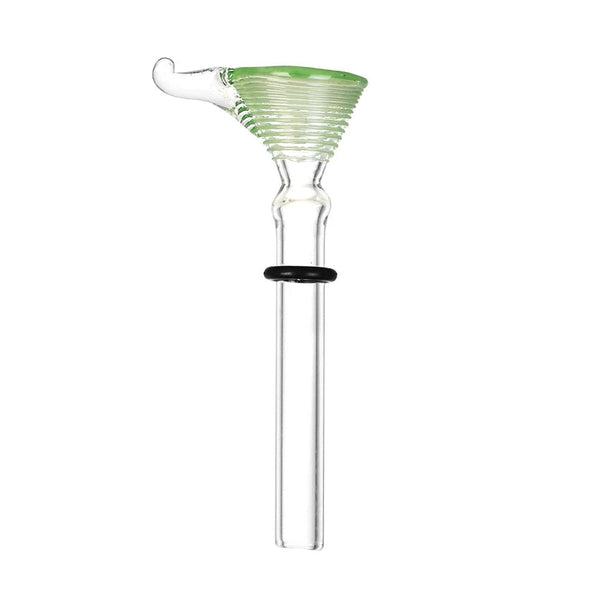
- Bowl: where ground material sits
- Downstem: carries smoke into the water for filtration
- Neck: the chamber smoke travels through before the mouthpiece
- Carb (if present): a hole you cover then release to clear the chamber
Pick your bowl and load it light
Overpacking is the single most common first-timer mistake. A loosely packed bowl pulls easier and burns more evenly.
- Grind material to a medium consistency, not powder
- Fill the bowl about two-thirds full for a first attempt
- Leave the edges of the bowl clear so air can move around the pack
- Use a lighter held at an angle, not straight down
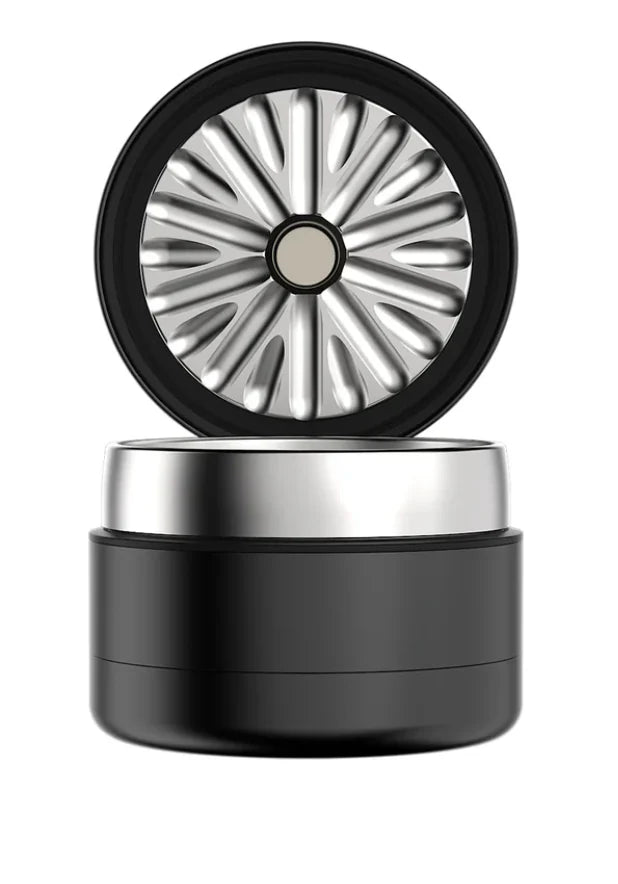
- Reserve grinders like the Flower Mill 2.5 for a consistent grind instead of tearing material by hand
Master the light-and-inhale technique
The technique is simple but almost every new user rushes it. Slow down the first few draws before worrying about hitting harder.
- Light the bowl at a 45-degree angle while inhaling gently
- Pull smoke into the chamber first, then inhale from the mouthpiece
- If there's a carb, release it only once you're ready to clear the chamber
- Stop and reassess if you're coughing more than inhaling — you're likely pulling too hard
- Take a breath between draws instead of chaining multiple bowls back to back
Fill it with the right amount of water
Water level changes everything about how a bong hits. Too much water and it gurgles or splashes back; too little and it doesn't filter.
- Submerge the downstem slit by about half an inch to an inch
- Test by drawing without lighting anything — you should feel resistance, not a wall
- Adjust in small increments; a capful of water changes the draw noticeably
- Empty and refill with fresh water at the start of each session for taste and clean filtration
A beginner set built around this exact learning curve, like the SeshGear Glass Beaker Water Pipe Smokers' Kit, bundles the beaker base, bowl, and downstem together so there's no guesswork on fit.


Clean it after every session, not once a month
Resin builds up fast and it's far easier to rinse fresh residue than scrub cured gunk two weeks later.
- Rinse with warm water immediately after each use
- Run isopropyl alcohol and coarse salt through the base weekly
- Rinse the downstem and bowl separately — they clog faster than the main chamber
- Let pieces air dry fully before the next fill to avoid diluting the next session's water
Handle it safely to avoid the first-week break
Most broken beginner bongs die in the first two weeks, usually from a tip-over, not a drop.
- Keep it on a flat, low surface, never a couch arm or bed edge
- Carry it by the base, never the neck
- Store it in a padded case if you're moving it between rooms
- Consider a silicone piece for the first few months if breakage is a real worry
Comparison: bong styles for first-time smokers
| Bong Style | Best For | Key Limitation |
|---|---|---|
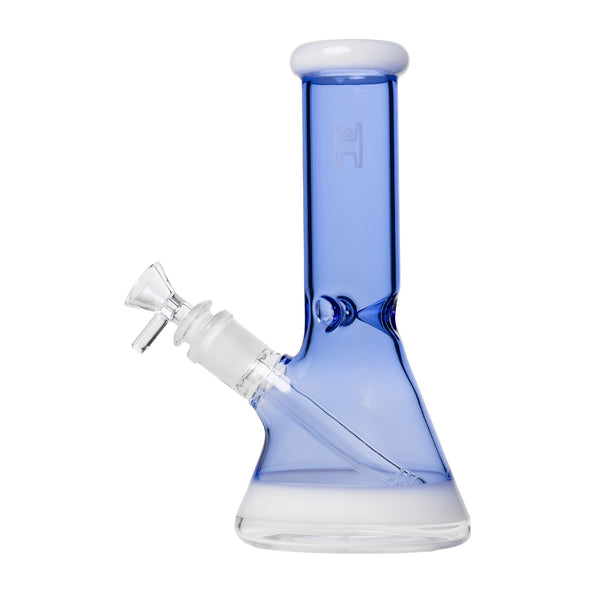
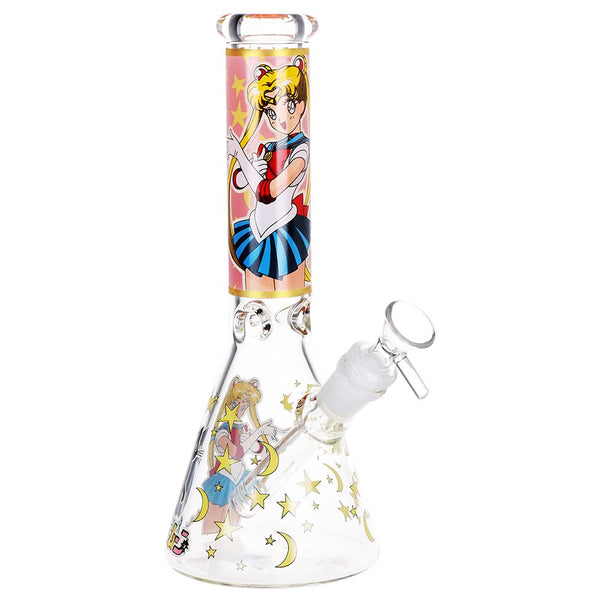
| Beaker base (glass) | Stability and easy hits for total beginners | Wider footprint takes more shelf space |
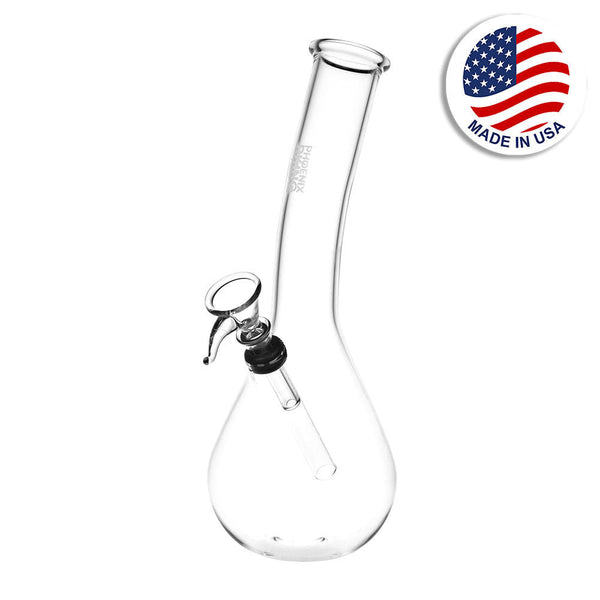
| Straight tube | Users who already know their draw preference | Tips over more easily; not ideal for a first piece |
| Silicone | Anyone worried about breakage | Less premium feel and can retain odor if not cleaned often |
| Mini bong | Discreet, low-volume sessions | Smaller chamber means less cooling per hit |
Beginners consistently do best with a beaker-base glass piece — the wide foot resists tipping and the shape doesn't demand an aggressive pull. Straight tubes are a Hold until a user has a session or two under their belt. Silicone is a fair Buy for anyone prioritizing durability over aesthetics.
Common mistakes first-time smokers make
- Overpacking the bowl — a tightly packed bowl burns unevenly and produces harsher, hotter smoke
- Buying a straight tube first — it looks classic but tips over far more easily than a beaker base
- Skipping the water-level check — too little water skips filtration entirely; too much causes splashback
- Cleaning too infrequently — letting resin cure for weeks turns a rinse into a scrub-and-soak project
- Grabbing the neck instead of the base — the single most common cause of a cracked or chipped bong in the first month
A silicone piece with a beaker base removes two of these five mistakes automatically, which is why it's a reasonable first purchase even for someone planning to move to glass later.
FAQ
What's the best bong for a first-time smoker in 2026?
A small beaker-base glass bong under 10 inches, like the SeshGear Glass Beaker Water Pipe Smokers' Kit, is the safest first pick in 2026 because the wide base resists tipping and the simple percolation doesn't demand a hard pull.
![Vessel - Mill [Beechwood]](http://www.headshop.com/cdn/shop/files/MILL_GUNMETAL_BEECH_COLLAPSED_FRONT_800.jpg?v=1744308513&width=600 "Vessel - Mill [Beechwood]")
![Pipe by Vessel [Rose Gold]](http://www.headshop.com/cdn/shop/files/Pipe_Rose_Gold_Closed.jpg?v=1744306576&width=600 "Pipe by Vessel [Rose Gold]")
![Vessel - Air [Jade]](http://www.headshop.com/cdn/shop/products/7cd436a1-b1f0-4e01-9e52-050ad7140b56.png?v=1679506090&width=600 "Vessel - Air [Jade]")
Is glass or silicone better for a first bong?
Silicone wins on durability since it survives drops that would crack glass, while glass wins on smoking experience and taste. First-timers worried about breakage should start with silicone; those prioritizing hit quality should go glass.
How much material should go in the bowl for a first session?
Fill the bowl about two-thirds full and grind to a medium consistency. Overpacking is the top mistake new users make and it produces harsher, uneven hits.
How often should a beginner clean their bong?
Rinse with warm water after every session and run an isopropyl alcohol and salt cleaning once a week. Waiting longer lets resin cure, which turns a quick rinse into a lengthy scrub.
Do first-time smokers need a percolator?
No. Multi-arm percolators add diffusion but also add draw resistance, which makes clearing the chamber harder for someone still learning technique. A simple downstem is enough for the first several months.
What size bong is best for a beginner?
Bongs in the 6-10 inch range are the easiest starting point in 2026. Larger chambers need harder pulls to clear, which usually ends in coughing rather than a clean hit.
Can a bong break from normal use?
Most breaks happen from tipping over or being carried by the neck rather than from normal smoking. Keeping the piece on a flat surface and handling it by the base prevents nearly all early breakage.
How much water goes in a bong?
Submerge the downstem slit by roughly half an inch to an inch. Draw without lighting anything first to check for resistance before adjusting the water level further.
One last thing
The detail most first-time buyers skip is checking the joint size before buying a replacement bowl or downstem — a 14mm piece won't seat correctly on an 18mm joint, and that mismatch causes more "broken bong" returns than actual glass damage. Confirm joint size on the product page before adding accessories to the cart.
Related guides
![Vessel Helix Pipe [Black] - Headshop.com](http://www.headshop.com/cdn/shop/files/Pipe_Black_Angle.jpg?v=1744306153&width=900)
![Vessel Helix Pipe [Black] - Headshop.com](http://www.headshop.com/cdn/shop/files/Pipe_Black_Closed.jpg?v=1744306155&width=1000)