![Pipe by Vessel [Gunmetal] - Headshop.com](http://www.headshop.com/cdn/shop/files/Pipe_Gunmetal_Angle.jpg?v=1744306453&width=900)
![Pipe by Vessel [Gunmetal] - Headshop.com](http://www.headshop.com/cdn/shop/files/Pipe_Gunmetal_Closed.jpg?v=1744306456&width=1000)


THCA Sugar
42 products

42 products
THCA sugar is quickly becoming a favorite among cannabis enthusiasts for its exceptional potency, flavor, and versatility. But what exactly is it? THCA (tetrahydrocannabinolic acid) is the non-psychoactive precursor to THC found in raw cannabis. When heated, THCA decarboxylates into THC, delivering the euphoric effects users seek. THCA sugar, also known as 'live sugar' or 'sugar wax,' is a concentrate that captures the plant's essence in a crystalline, sugar-like texture, rich in terpenes and cannabinoids.
One of the primary reasons THCA sugar stands out is its incredible convenience. Unlike some other concentrates that are sticky or runny, THCA sugar has a sandy, granular consistency that's easy to handle and measure. This makes it perfect for precise dosing, whether you're loading a dab rig or a vape pen. Moreover, its high terpene content means you'll enjoy a flavorful, aromatic experience that's far superior to many other concentrates.
Another reason to buy THCA sugar is its potency. With THC levels often exceeding 80%, this concentrate delivers powerful, long-lasting effects that are prized by medical and recreational users alike. Whether you're seeking relief from chronic pain, anxiety, or simply looking to unwind, THCA sugar offers a potent solution.
But THCA sugar isn't just about strength—it's about the full entourage effect. The combination of THCA, other minor cannabinoids, and terpenes works synergistically to enhance the overall experience, making it more balanced and therapeutic. This is why many believe that whole-plant concentrates like THCA sugar are superior to isolates.
Finally, the market for THCA sugar is expanding rapidly, with more brands and producers offering top-quality options. This means you have a wealth of choices when it comes to strain profiles, textures, and price points. By understanding what to look for, you can find a product that perfectly aligns with your preferences and needs.
To truly appreciate THCA sugar, it's essential to understand the science behind it. THCA is a cannabinoid produced by the cannabis plant as a defense mechanism against pests and UV radiation. In its raw form, THCA is non-intoxicating. However, when exposed to heat—via smoking, vaping, or cooking—it undergoes decarboxylation, losing a carboxyl group (COOH) and becoming THC, the famed psychoactive compound.
THCA sugar is created through a specialized extraction process that preserves the raw THCA and terpenes. The result is a concentrate that, when dabbed, delivers both an immediate THC rush and a complex flavor profile. This process typically involves using solvents like butane or CO2 to strip the trichomes from the plant material, followed by a purging step to remove residual solvents. The resulting extract is then whipped or agitated to form the sugar-like crystals.
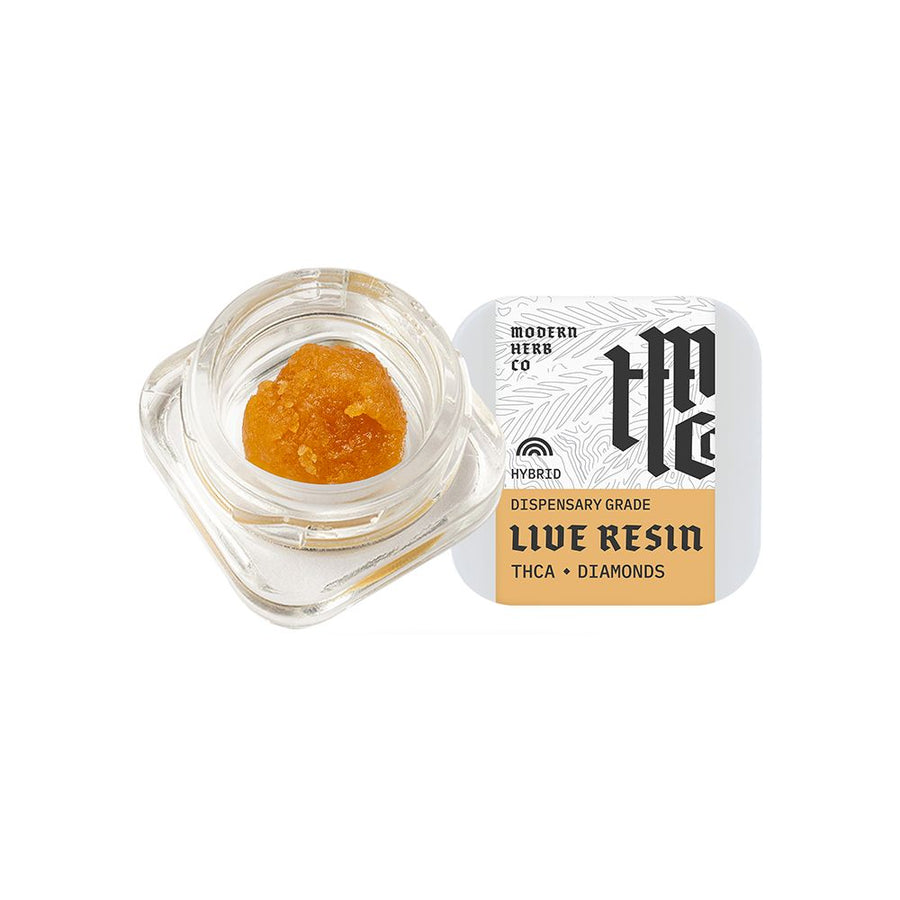
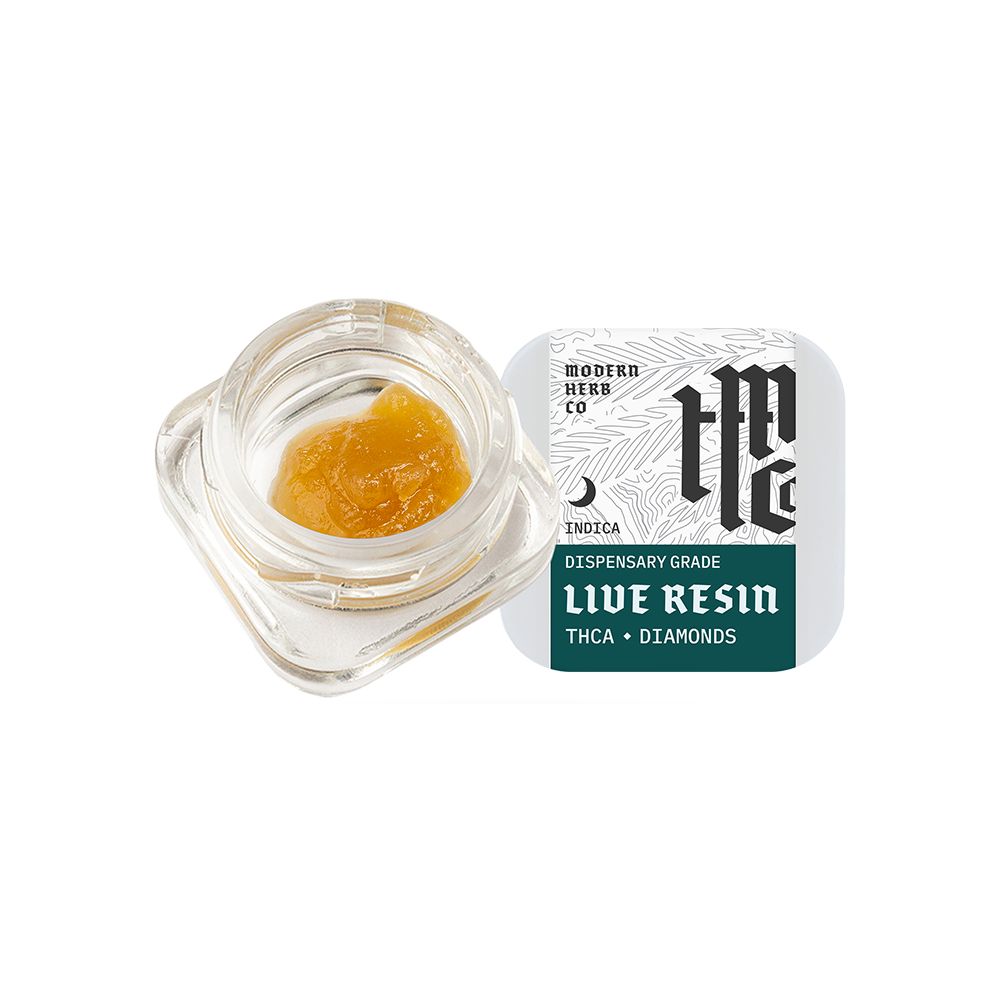
The unique 'sugar' texture is a result of the separation of THCA molecules from the terpenes and other lipids. When the extract is cooled and agitated, THCA crystallizes into small, diamond-like structures surrounded by a terpene-rich sauce. This sauce is highly aromatic and flavorful, adding to the allure of the product.
One of the fascinating aspects of THCA sugar is its stability. Unlike live resin or wax, which can be runny or sticky, sugar retains its granular form at room temperature, making it easy to work with. Additionally, the crystallization process acts as a natural preservation method, keeping the terpenes and cannabinoids fresh for longer periods.
Scientific research into THCA is still in its infancy, but preliminary studies suggest that THCA may have anti-inflammatory, neuroprotective, and antiemetic properties. While more research is needed, the anecdotal evidence from users is overwhelmingly positive, with many reporting significant relief from conditions like arthritis, nausea, and muscle spasms.
It's important to note that THCA sugar is not the same as THC sugar. THCA is the acidic form, and while it doesn't produce a high when consumed raw, it's often used for its potential therapeutic benefits. Some people juice raw cannabis to get THCA, but sugar is a more concentrated and convenient way to consume it. When you dab THCA sugar, you're converting it to THC, so you'll experience the full psychoactive effects.
THCA sugar comes in several different forms, each with its own unique characteristics. Understanding these variations can help you choose the right product for your needs.
Live sugar is made from flash-frozen cannabis plants immediately after harvest. This preserves the terpenes at their peak, resulting in a more flavorful and aromatic product. Cured sugar, on the other hand, is made from dried and cured buds, which can lead to a loss of some terpenes but a more stable product. Live sugar is generally considered superior in terms of terpene preservation and flavor.
Full-spectrum THCA sugar contains a wide range of cannabinoids and terpenes, offering the 'entourage effect.' Distillate-based sugar, however, is pure THCA that has been refined and then re-infused with strain-specific terpenes. While both are potent, full-spectrum products are often preferred for their more complex and balanced effects.
THCA sugar can range from fine, powdery crystals to chunky, sticky crystals. The texture can affect how you handle and dab the product. Fine sugar is easier to measure and may be better for beginners, while chunky sugar can be more flavorful but requires careful handling.
Each strain's sugar has a unique terpene profile, which influences its aroma and effects. For example, a sativa-dominant strain like Durban Poison will have uplifting, energetic terpenes like limonene and pinene, while an indica like Granddaddy Purple will have relaxing terpenes like myrcene and linalool. Choosing a strain that matches your desired experience is crucial.
THCA sugar can vary in potency, typically ranging from 50% to 90% THCA. Lower potency might be better for those with a lower tolerance, while higher potency is ideal for seasoned users seeking a strong effect. Always check the lab results to know the exact THCA and total cannabinoid content.
High-quality THCA sugar should have a light yellow or amber color and a crystalline structure. Dark or brown sugar may indicate impurities or oxidation. Additionally, the presence of residual solvents is a red flag. Always buy from reputable brands that provide third-party lab testing for purity and safety.
To fully enjoy THCA sugar, you'll need the right gear. At Headshop.com, we offer a comprehensive range of products designed to enhance your dabbing experience. Whether you're a beginner or a pro, our curated collections have everything you need.
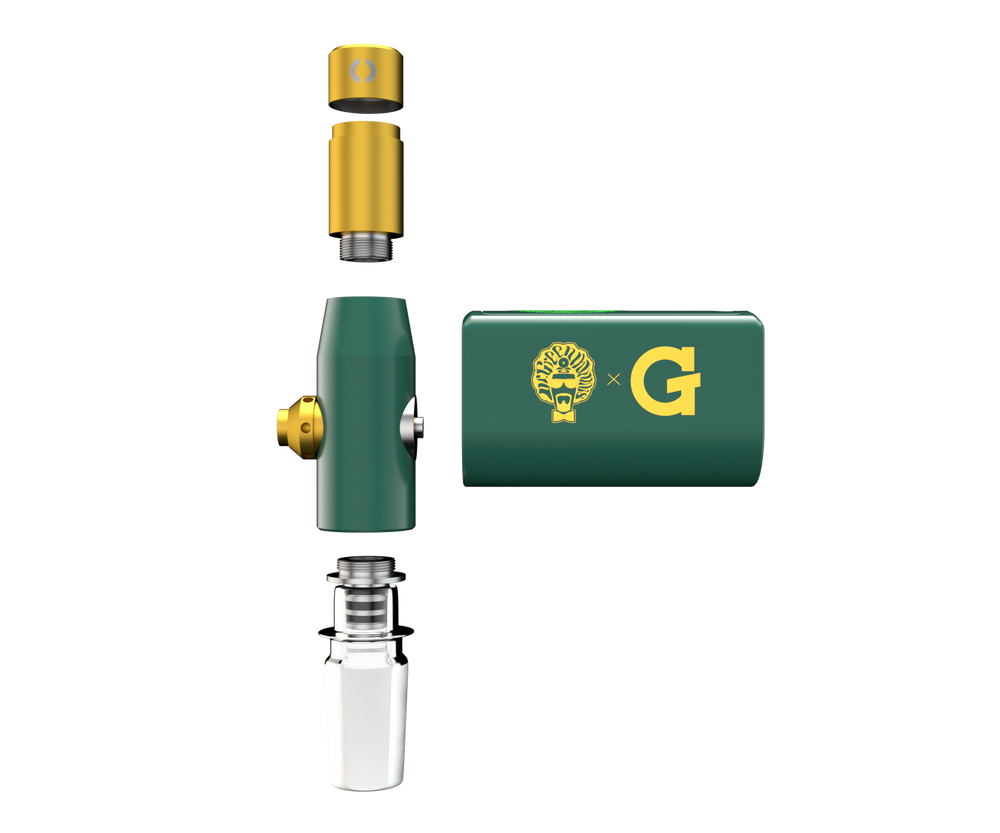
First and foremost, you'll need a reliable dab rig to vaporize your THCA sugar efficiently. Our collection includes a variety of rigs, from classic glass designs to innovative e-rigs, ensuring you find the perfect match for your style. For those who prefer a more direct approach, consider a dab straw or a nectar collector, which allow you to dab on the go with minimal setup.
To get the most flavor out of your sugar, you'll want a high-quality dab banger and a carb cap. These accessories help control airflow and heat, ensuring optimal vaporization and preserving the delicate terpenes. Pair them with a dab pad to keep your workspace clean and safe, and don't forget a dishes and dabber set for a convenient way to store and handle your concentrate.
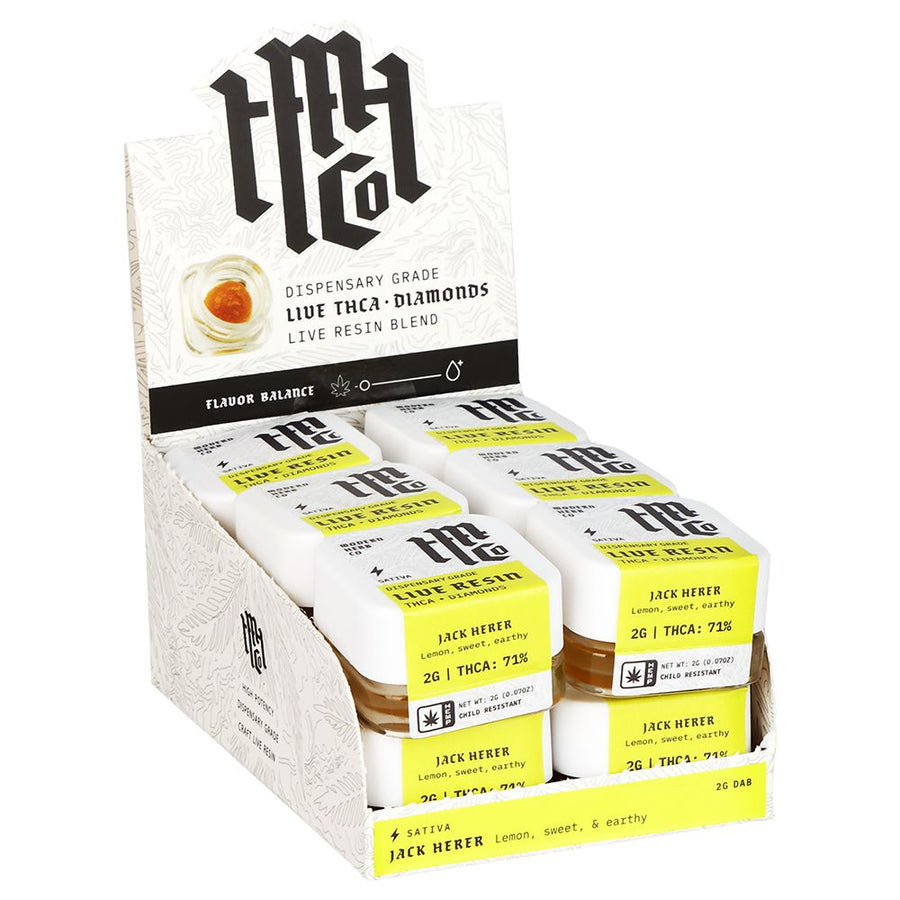
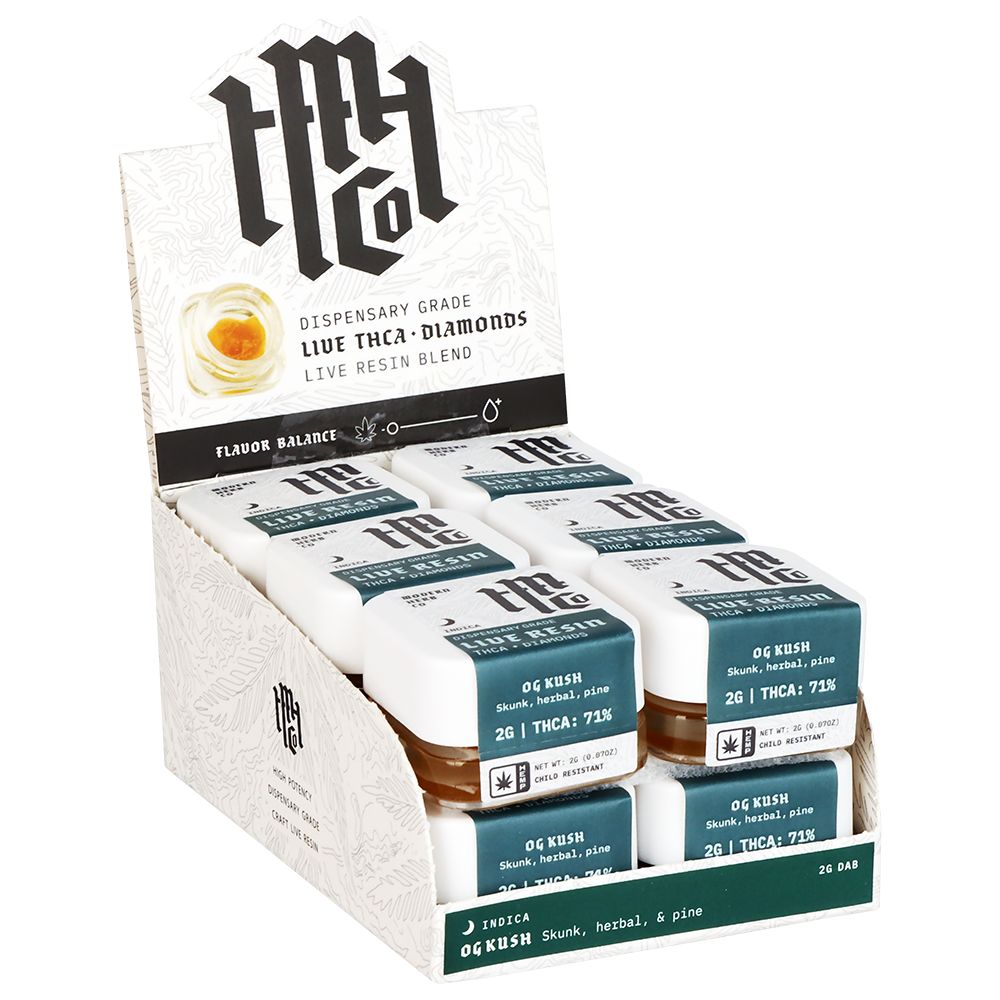
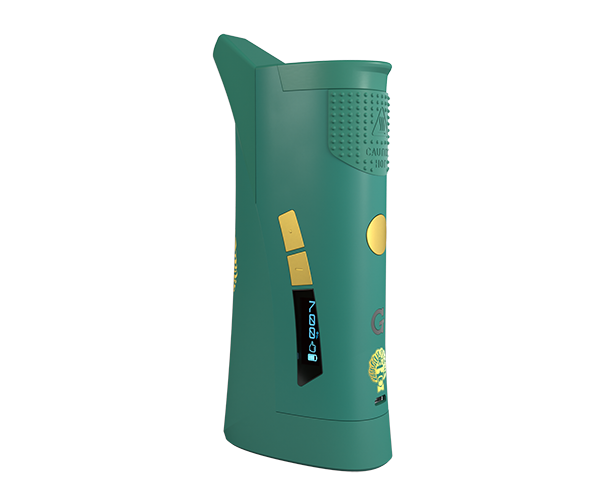
If you're looking for a more portable option, our dab and wax pens are perfect for dabbing on the go. They use a coil or ceramic element to vaporize your sugar without needing a torch or rig. For a complete setup, explore our dab rig accessories and glass dab rigs collections, where you'll find everything from replacement parts to upgrade pieces.
The quality of THCA sugar depends heavily on the manufacturing and sourcing methods. Understanding these processes can help you identify premium products and avoid inferior ones.
High-quality THCA sugar starts with top-shelf cannabis. Growers who prioritize organic practices and careful curing produce better raw material, which translates to a superior concentrate. After harvest, the plant material is either frozen immediately (for live sugar) or dried and cured (for cured sugar). The choice of starting material has a profound impact on the final product's taste and potency.
The extraction process is where the magic happens. Most THCA sugar is made using hydrocarbon solvents like butane or propane, which are excellent at preserving terpenes. The extraction is performed at low temperatures to keep the THCA in its acidic form. After extraction, the solvent is purged, typically using vacuum ovens, to remove any residual chemicals. This step is critical for safety and purity.
Following purging, the extract is subjected to a process called 'fractional crystallization.' The extract is cooled and agitated, allowing THCA to form into sugar-like granules. The terpenes and other lipids remain in a liquid 'sauce' that coats the crystals. Some producers will separate the crystals from the sauce, but many prefer to keep them together for a full-spectrum experience.
In recent years, a solventless method using mechanical separation (like the 'diamond' technique) has gained popularity, but it's less common for sugar specifically. Solvent-based extraction remains the norm due to its efficiency and cost-effectiveness.
When sourcing THCA sugar, it's essential to look for products that have been tested by third-party labs. These tests verify the potency, terpene profile, and absence of harmful contaminants like pesticides, heavy metals, and residual solvents. Always check for a Certificate of Analysis (COA) to ensure you're getting a safe and clean product.
THCA sugar offers a multitude of benefits that appeal to both recreational and medicinal users. Here's a breakdown of what you can expect when consuming this concentrate.
Potent Psychoactive Effects: When heated, THCA converts to THC, delivering a strong, cerebral high. The onset is almost immediate, with effects lasting several hours. This makes THCA sugar ideal for those who need quick relief or a robust recreational experience.
Terpene-Rich Flavor: Because THCA sugar preserves the plant's natural terpenes, every dab is a flavor explosion. You'll taste the unique notes of the strain, from citrus and pine to earth and diesel. This enhances the sensory experience and can even contribute to the therapeutic effects via the entourage effect.
Medicinal Potential: While research is ongoing, many users report that THCA sugar helps with chronic pain, inflammation, anxiety, and sleep disorders. The raw THCA, when consumed without heating, may have anti-inflammatory and neuroprotective properties, though more studies are needed.
Precise Dosing: The granular texture allows for easy measurement, ensuring you can control your dose accurately. This is particularly beneficial for medical users who need consistent results.
Versatility: THCA sugar can be used in various ways—dabbing, vaping, or even adding to edibles (after decarboxylation). This flexibility makes it a popular choice among concentrate enthusiasts.
Long Shelf Life: When stored correctly, THCA sugar can last for months without losing potency or flavor. This makes it a great value, as you can buy in bulk without worrying about degradation.
Effects: The immediate effect is a wave of euphoria and relaxation, accompanied by heightened sensory perception. Depending on the strain, you may feel energized or sedated. Many users also report increased focus and creativity, making it a favorite for artistic endeavors.
Selecting the right THCA sugar can be daunting, especially with so many options available. Use this guide to make an informed purchase.
1. Check the Lab Results: Always look for a COA from a reputable lab. This will tell you the THCA percentage, total THC, terpene profile, and ensure it's free of contaminants. High-quality sugar typically has THCA levels above 70%.
2. Consider the Source: Buy from licensed dispensaries or trusted online retailers like Headshop.com. Avoid products from unverified sources, as they may be unsafe or mislabeled.
3. Texture Matters: Examine the product's texture. It should be dry and granular, not overly sticky or wet. Wet sugar may indicate high terpene content, but if it's too wet, it can be hard to handle. Find a balance that suits your preference.
4. Smell and Appearance: High-quality THCA sugar has a fragrant, pungent aroma and a light golden-yellow color. It should be free of dark spots or discoloration. If it smells like chemicals, it's a red flag.
5. Strain Selection: Decide on the effects you want. Sativa sugars are uplifting, indicas are relaxing, and hybrids offer a mix. Also, consider the terpene profile to match your flavor preferences.
6. Packaging: Look for products in airtight, child-resistant containers. Proper packaging preserves freshness and safety.
7. Price vs. Quality: While it's tempting to go for the cheapest option, remember that quality comes at a price. Premium THCA sugar is worth the investment for the best experience.
8. Ask for Recommendations: If you're in a dispensary, don't hesitate to ask the budtender for advice. They can point you to popular strains or products that meet your needs.
By following these tips, you'll be able to select a top-notch THCA sugar that delivers on flavor and potency.
Using THCA sugar is straightforward, but there are some tips to ensure you get the best results.
Dabbing: The most common method, dabbing involves heating a nail or banger to a high temperature, then placing a small amount of sugar onto it and inhaling the vapor. Use a dab rig and a dab banger for the best experience. Heat the banger until it's red hot, then let it cool to around 315-450°F (157-232°C) for optimal flavor and effect. Use a carb cap to control airflow and ensure even vaporization.
Vaping: You can use a dab pen for on-the-go dabbing. These pens are designed to handle concentrates like sugar. Simply load a small amount into the chamber and heat. This is a discreet and convenient option.
Alternative Methods: You can also sprinkle THCA sugar on top of a bowl or add it to a joint. However, the most efficient consumption is dabbing, as it preserves the most terpenes and cannabinoids.
Storage Tips: To preserve quality, store THCA sugar in an airtight, dark glass container at a cool temperature. Keep it away from sunlight and heat, which can degrade terpenes and cause the THCA to decarboxylate prematurely. Avoid moisture, as it can cause mold. When stored correctly, THCA sugar can last for months.
Dosage Recommendations: For beginners, start with a small dab (the size of a grain of rice) and wait 15-20 minutes to gauge the effects before taking another. Experienced users can take larger dabs as needed.
Clean Up: Use a dab pad and a dabber set to keep your session clean and convenient.
THCA sugar is a cannabis concentrate with a texture resembling wet sugar crystals. It's rich in THCA, which converts to THC when heated, delivering potent psychoactive effects. It's prized for its high terpene content and full-spectrum benefits.
Unlike shatter or wax, THCA sugar has a granular, crystalline structure that's easier to handle. It also tends to have higher terpene content compared to distillate products, making it more flavorful and offering the entourage effect.
The most common method is dabbing, using a dab rig and a banger. You can also use a dab pen or vaporizer designed for concentrates. Always heat the sugar to activate the THCA into THC.
THCA sugar offers potent, long-lasting effects, rich flavor, precise dosing, and medicinal potential. It's ideal for those who want a strong, flavorful experience with minimal plant material.
THCA itself is non-psychoactive, but when you heat it (by dabbing or vaping), it decarboxylates into THC, which is psychoactive. So yes, consuming THCA sugar in a heated method will produce a high.
Store THCA sugar in a cool, dark place in an airtight glass container. Keep it away from heat and sunlight to maintain potency and flavor. Properly stored, it can last for months.
The ideal temperature is between 315-450°F (157-232°C). Higher temperatures produce more vapor but can burn off terpenes, reducing flavor. Lower temperatures preserve terpenes but may produce less visible vapor.
You can, but it won't get you high. To experience psychoactive effects, you need to heat it. Some people add it to edibles after decarboxylation, but the easiest way is to dab or vape.
Start with a small dab about the size of a grain of rice. Wait 15-20 minutes to assess effects before taking more. Adjust based on your tolerance and desired intensity.
You can purchase THCA sugar legally in states where cannabis is legal. Always buy from licensed dispensaries or reputable online retailers like Headshop.com. Ensure they provide lab testing results.
Great products and Great Service. I highly recommend this company. You won’t be disappointed!!
I’ve ordered from here numerous times always 100% satisfied whatever you’re smoking preference they have everything you need and the price are on point.and if by chance that happens to be a problem the customer service department is prompt to reply, so nothing negative to say.
Great glass, it holds the heat very well.
This little magical device has changed the way I consume. No more smoke. Efficient and clean.
I'm a huge fan.
Product is Awesome
I absolutely love this bubbler. It’s made well, thick glass, works like a dream, and easy to clean. I love the flat base.
I HIGHLY Recommend
Sadly I broke my beloved beaker bong not long ago. Searching the internet I found Headshop and they had the perfect beaker bong! I love that it's borosilicate glass, for durability, and it's design is, I feel, the most efficient glass pipe out there, in terms of filtering tar, and providing a smooth enjoyable experience. Thumbs up!
Very comfortable weight and feel, paint is incredible, and best bit is how easy it is to clean! The inside gets icky as designed, so I use a blazing susan q tip and it cleans up so fast! Just need 1 and it's done! When the part the flower goes in gets to rough, a light soak as instructed and it cleans easy with a paper towel!
It’s great, so smooth.love the way the pieces have cutaway threads
How cute is this… you take care of two tasks with one hand, a sip of your morning coffee and a big fat hit what could be better than that first thing in the a.m.
good service , items as advertised. load it up with ice and water and you have the coolest smoke. the only problem is the lid is hard to seal and the stem is glass, easy to break. i've been unable to find a replacement.
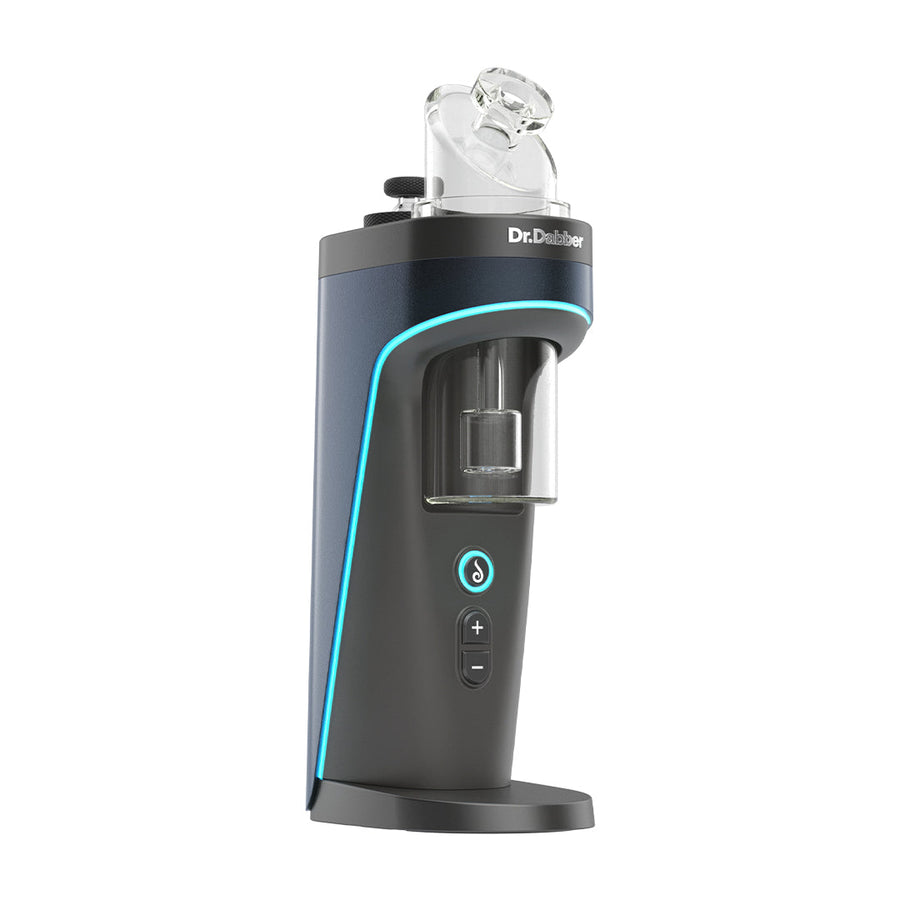
When I first got it, I was so disapointed,so plane Jane, just a dull all black box with a nipple to suck on.
But when I used it, things changed, it lit up into a colorful display! cool! Now I can get "stoned" at will & it feels so good!
\It's a good product, easy to use, very effective colorful eye candy.
The pipes ordered are very nice! They were packaged so carefully too. Very pleased.
Definitely holds heat longer than the cap that comes with the Hyderdyn.
Great toy-works as advertised























![Vessel Pipe [Maritime]](https://cdn.shopify.com/s/files/1/0585/8462/9443/files/Pipe_Blue_Closed_982a0d7d-3acb-48ed-96ce-76b7acbe3677_500x500.jpg?v=1744306295)