



THCA Shop
0 products

0 products
You want a THCA shop that shows its work.
THCA hemp is a raw plant product. It looks like cannabis flower because it is cannabis flower, grown from hemp genetics that stay within federal limits for delta-9 THC. The acid form, THCA, is what you see on the label. When you heat it, THCA turns into THC. That change matters for how you use it and how you dose it. We explain that on every product page, not in a footnote.
Our team handles each batch like food, not like a novelty. We check smell, trim, moisture, and mold risk. We store flower in sealed containers away from heat. We rotate stock so you are not buying last year's harvest. When a COA is missing or a potency claim looks odd, we ask questions. If a supplier cannot answer them, we do not list the product.
You will find several formats here. Loose THCA flower for people who like to grind and roll. THCA prerolls for quick sessions. Vapes and cartridges for people who want less smoke. Concentrates for experienced users who understand potency. Each format has a different learning curve. We try to make that curve less steep.
Price matters, too. A fair THCA shop should not charge luxury markup for average hemp. We compare cost per gram, per preroll, and per cartridge. We list the weight and the potency so you can do the math. If two products look similar, read the COA. The one with a recent test and clean results is usually the better buy.
We also keep the non-THCA side of the menu close. Some people want CBD flower with no intoxicating step. Some want CBG for daytime. Some want CBN for winding down. You can stay in one lane or mix your order. The point is choice, not pressure.
What you get from us is a short chain from farm to jar. We buy from growers who can name their harvest window and their drying method. We ask for batch-specific tests, not a generic report from last season. We store flower in dark, climate-controlled space. Orders ship in plain packaging. If something arrives dry, crushed, or mislabeled, contact us with photos and your order number. We will fix it. That is the boring work behind a good THCA shop. It is also the reason customers come back.
Before you order, check your local laws. Hemp rules differ by state and change over time. You must be 21 or older. Keep all products away from kids and pets. This content is product education, not medical advice. If you take medication or have a health condition, talk to a clinician first.
THCA stands for tetrahydrocannabinolic acid. It is the acid form of THC found in raw cannabis and hemp. A living plant makes THCA, not THC, as its main cannabinoid. The plant also makes CBDA, CBGA, and other acids. Those acids are stable in the plant. They change when you apply heat or light over time.
Decarboxylation is the name for that change. Heat removes a carboxyl group from THCA. The result is THC. A lighter, a vape coil, a hot oven, or a flame all start this process. The same gram of flower can act differently depending on how you use it. Eat raw THCA and little to no THC forms. Smoke or vape it and a large share of THCA becomes THC before it reaches you.
The math is simple enough to use. Multiply the THCA percentage by 0.877. Add the delta-9 THC percentage. That gives you an estimate of total THC after full decarboxylation. Example: flower tests at 22 percent THCA and 0.30 percent delta-9 THC. Take 22 times 0.877, which is about 19.3. Add 0.30. Total THC is about 19.6 percent. That is a strong flower. A 15 percent THCA flower lands near 13.2 percent total THC. A 10 percent THCA flower lands near 8.8 percent. Use those numbers to compare products.
Hemp legality in the United States is tied to delta-9 THC, not THCA, in the 2018 Farm Bill. Hemp must test at or below 0.3 percent delta-9 THC on a dry weight basis. That is why a flower can show high THCA and still be sold as hemp. The raw acid is not delta-9 THC under the testing rules. But heat changes it. That gap is the reason you must know your local law and use common sense.
Testing labs report THCA, delta-9 THC, CBG, CBD, CBN, and sometimes minor cannabinoids. They also screen for mold, yeast, bacteria, heavy metals, pesticides, and residual solvents when the product is an extract. A COA should list the batch number, test date, lab name, and method. If a shop only posts a potency graph with no batch ID, you cannot tie it to your jar. Skip that listing or ask for the full report.
THCA is not a synthetic add-on in good flower. It is a natural plant acid. Some shops sell THCA isolate or THCA diamonds. Those are refined products, not flower. They can reach very high potency. Treat them like concentrates, not like a bowl of hemp. The source and solvent test matter more as potency climbs.
Research on THCA is still early. We know how it converts to THC. We know it is non-intoxicating for most people in raw form. We do not have large human trials that map every effect. Be skeptical of any shop that claims THCA treats a disease. Effects you read about are often user reports, not proven medical outcomes. That is the honest version.
A THCA shop can carry a lot more than one jar of flower. The format changes how fast THCA becomes THC, how easy it is to dose, and how much you pay per session. Here is the practical map.
Flower is the raw bud. It gives you the full plant profile: cannabinoids, terpenes, and plant waxes. You grind it, roll it, or vape it. Flower is the easiest format to inspect. You can see mold, seeds, stems, trim quality, and moisture. It is also the easiest to fake with cheap outdoor bud, so buy from a shop that lists harvest dates and batch tests.
You will see indoor, greenhouse, and outdoor flower. Indoor flower often has tighter buds, louder smell, and a higher price. Greenhouse sits in the middle. Outdoor can be excellent for the money, but it faces more weather and pest pressure. None of those labels guarantee quality. A clean COA and a fresh cure beat a fancy grow label.
Prerolls are flower rolled for you. They save time and mess. They also hide the flower, so quality control moves to the roller. Ask how the prerolls are made. Whole flower is better than trim or shake. A good preroll burns even, draws smooth, and does not canoe. If a pack is loose, dry, or packed with stems, send it back.
Vapes heat THCA flower or oil without a flame. A dry herb vape uses ground flower. A cartridge uses extracted oil. Cartridges are discreet and easy to dose in small puffs. They also concentrate any contaminants, so solvent tests and hardware quality matter. Cheap carts can leak, clog, or spit hot oil. Look for ceramic or quartz coils, glass or medical-grade plastic, and batch-specific tests.
Concentrates include hash, rosin, diamonds, and wax. They can be very strong. If you are new to THCA, start with flower. Concentrates raise tolerance fast and can catch you off guard. If you do use them, start with a grain of rice, wait, and add more only if you feel stable.
Sativa, indica, and hybrid labels are common, but they are not lab facts. They describe a plant's growth style and the effects people report. A sativa label does not guarantee energy. An indica label does not guarantee sleep. The same strain can hit two people differently. Use the label as a hint, then judge the batch by smell, potency, and your own response.
Flower grades like premium, AAA, or smalls are not standardized. Smalls are smaller buds, often from the same plant. They can be a good value if the trim is clean. Trim or shake is lower grade and better for extracts or joints than for a showcase jar. Ask for weights in grams and ounces. Check the net weight after you open the bag. A sealed jar can lose moisture in transit.
Many customers mix THCA with CBD or CBG. CBD flower gives you a raw, non-intoxicating flower to blend. CBG flower adds a lighter, clearer profile. CBN products are often used at night. These are not swaps for THCA. They are separate tools. We list them together so you can build a routine that fits your day.
Some shops sell THCA edibles and tinctures. Raw THCA in food will not turn into THC unless it is baked or heated. A label that says THCA edible is often a raw product, not a high. If you want a heated edible, you are looking for decarbed THC, which may not be legal in your state. Read the COA and the ingredient list. Do not assume the label matches the effect.
THCA topicals are another edge case. Skin does not convert THCA to THC the way a flame does. Topicals are usually about local comfort, not a high. If a shop promises a systemic effect from a lotion, ask for evidence. We stick to flower, prerolls, vapes, and concentrates because those are the formats we can test and explain clearly.
Some days you want a calm CBD bowl, not a THCA session. Our CBD Flower collection gives you raw hemp flower with no decarb step. You can blend it with THCA flower to soften the edge or use it on its own.
For a clear-headed daytime option, look at CBG Flower. CBG is another raw cannabinoid acid. Many people pair it with CBD or THCA when they want a lighter flower profile.
Sleep routines often bring people to CBN. CBN is a minor cannabinoid that shows up in aged plant material and in some night-time products. It is not a THCA substitute. It is another tool for your shelf.
Prefer something rolled and ready? Our CBD Prerolls save time and keep your hands clean. They are a good low-pressure way to try CBD flower before you buy a full jar.
If vapor is your method, our Vapes collection covers dry herb devices and oil setups. You can compare battery life, chamber size, and heat settings without guessing.
Cartridge users can compare CBD Vape Cartridges by oil type, hardware, and lab testing. Check the COA for residual solvents before you buy any cartridge.
For pocket-friendly setups, see CBD Vape Pens. These all-in-one pens are simple to charge and carry. They are not built for heavy daily use, but they work well for quick errands.
New to CBD? Start with Best CBD Products. That collection pulls together top sellers across flower, vapes, and oils so you can see what other customers choose first.
Good THCA flower starts in the field. Growers choose hemp genetics that produce high THCA and low delta-9 THC. They also choose plants that resist mold, pests, and heavy weather. The grow method changes the cost. Indoor rooms use lights, climate control, and filtered air. Greenhouses use sun with cover. Outdoor fields use natural sun and soil. Each method can produce clean flower if the grower manages humidity and pests.
Harvest timing matters. Cut too early and the flower is weak and grassy. Cut too late and mold risk climbs. After harvest, plants are dried in a dark, ventilated space. Slow drying protects terpenes and keeps the smoke smooth. Fast drying can lock in a hay smell. After drying, flower is cured in sealed containers for weeks. Curing evens out moisture and mellows the smoke. A rushed cure is easy to taste.
Trimming comes next. Hand trim costs more and keeps more trichomes on the bud. Machine trim is faster but can knock off resin and leave a rougher look. Neither method is evil. The question is whether the trim matches the price. Stems and sugar leaves should not fill a premium jar.
Testing is the control point. A batch sample goes to a third-party lab. The lab checks cannabinoids and contaminants. A flower COA should show THCA, delta-9 THC, total THC, moisture, and microbial results. A vape or concentrate COA should also show residual solvents. We want batch-specific reports with dates. A report from six months ago does not prove the jar in your hand is clean.
Extraction for vapes and concentrates uses solvents or heat and pressure. CO2 and ethanol need purging and solvent testing. Solventless methods like rosin use heat and pressure only. Solventless does not mean contaminant-free. The starting flower still needs clean tests. Cheap extract made from moldy trim is still a bad product.
Packaging is the last step. Flower goes into glass or food-grade sealed containers. Vapes go into boxes with batch labels. A good label lists the product name, weight, cannabinoid content, batch ID, and warning statements. If a label is blank or generic, you cannot trace the product. We do not list products we cannot trace.
Raw THCA is non-intoxicating for most people. It does not bind to the same receptors as THC in a way that produces a strong high. Some users report a subtle body ease or clear-headed focus after eating raw THCA or using low-temp vapor. Those reports are personal, not guaranteed. If you want no high at all, start with CBD flower and keep THCA out of the session.
When you heat THCA, the effects move closer to THC. Smoking or vaping THCA flower can produce a familiar cannabis high: relaxed body, altered mood, increased appetite, dry mouth, and changes in time perception. The strength depends on the total THC number, your tolerance, and how much you use. A 20 percent THCA flower is not a beginner product. Treat it with respect.
Onset is fast with inhalation. Smoke and vapor reach the bloodstream in minutes. Peak effects often arrive within 15 to 30 minutes. The main effect can last one to three hours. Edibles and drinks take longer, but raw THCA edibles may not produce a high at all. Do not eat a raw THCA edible and expect a smoke-like effect.
Side effects can include dry mouth, red eyes, racing thoughts, anxiety, and short-term memory fog. High doses are more likely to cause discomfort. New users should take one or two small puffs and wait. Do not chase a stronger effect with more product right away. The delay between puff and peak is real.
CBD and CBG can change the feel of a session. Some people blend CBD flower with THCA flower to soften the high. Others use CBG for daytime clarity. CBN is often used at night. These pairings are personal. Keep a simple log of strain, amount, and time so you can repeat what works.
We cannot promise a specific medical benefit. THCA is not a cure for pain, anxiety, sleep problems, or any disease. If you see a shop making those claims, be careful. Use legal products responsibly, and talk to a doctor about health concerns.
A strong THCA shop makes the choice easier by giving you facts. Start with the COA. Look for the batch number and test date. Check THCA percentage, delta-9 THC percentage, and total THC. A flower with 18 to 25 percent THCA is strong. A flower with 12 to 16 percent is moderate. Below 10 percent is mild. Match the number to your tolerance, not to the label on the jar.
Read the contaminant panel. Flower should pass mold, yeast, and bacteria tests. It should not show heavy metals or pesticides above the lab limit. Vapes and concentrates should show a solvent test. If the COA only lists potency, you are missing half the story.
Check harvest and package dates. Fresh flower in the last three to six months is ideal. Old flower loses terpenes and gets harsh. A shop that hides dates may be selling old stock. Ask directly if the date is not on the page.
Compare price per gram, not just the sticker price. A 7 gram bag at a fair price can beat a 3.5 gram jar with fancy packaging. Prerolls should be priced by weight and flower quality. Cartridges should list oil volume and potency. Cheap carts often cut oil with filler. Read the ingredient list.
Smell and look matter when you open the package. Fresh flower has a strong, complex smell. It should not smell like hay, ammonia, or basement. Buds should be springy, not bone dry or spongy wet. Mold looks like white powder, gray fuzz, or dark spots. If you see mold, do not use the product. Contact the shop with photos.
Seller reputation matters. Read reviews for shipping speed and customer service. A real shop answers questions about labs and sourcing. A shop that ignores emails or gives vague answers is a risk. We would rather lose a sale than sell a batch we cannot explain.
Start low. If you are new to THCA, use a small amount of flower in a dry herb vape at low heat. Take one puff. Wait 15 minutes. Add more only if you feel comfortable. Smoking delivers a stronger, faster effect. Use a clean pipe or roll a small joint. Do not pack a large bowl on your first try.
Decarboxylation happens at different rates depending on heat. A dry herb vape at 350 to 375 degrees Fahrenheit will convert some THCA to THC while preserving more terpenes. Higher heat gives thicker vapor and a stronger effect. Smoking is hotter and less precise. If you bake THCA flower, you need a controlled decarb step, usually around 220 to 245 degrees Fahrenheit for 30 to 60 minutes. Home ovens vary. Use an oven thermometer and watch for burning.
Store flower in an airtight glass jar in a dark, cool place. Keep it away from sunlight, heat, and moisture. A relative humidity around 58 to 62 percent is a good target for flower. Do not store flower in the fridge unless it is sealed and you can prevent condensation. Condensation can cause mold. Keep vapes upright and cool. Do not leave cartridges in a hot car.
Label your jars with the strain, batch, and date. Use one jar per strain so smells do not mix. Keep all products locked away from children and pets. Clean your grinder and vape regularly. Resin buildup can make vapor harsh and change the flavor.
If you blend THCA with CBD flower, grind them together and mix well. Start with more CBD and less THCA. You can always add THCA, but you cannot take it back. Keep a glass of water nearby. Dry mouth is common.
THCA hemp is legal under federal hemp rules when the product stays at or below 0.3 percent delta-9 THC on a dry weight basis. But state laws vary. Some states restrict THCA or treat it like THC. Check your state and local rules before you order. You must be 21 or older. We ship only where the law allows.
Raw THCA does not get most people high. It is non-intoxicating in its acid form. When you heat it, THCA turns into THC. Smoking or vaping THCA flower can produce a high. The strength depends on the total THC after decarb, your tolerance, and how much you use. Do not assume raw THCA and heated THCA feel the same.
THCA is the acid form. THC is the decarboxylated form. A raw plant makes THCA. Heat removes a carboxyl group and turns THCA into THC. The two have different legal and practical roles. THCA is tested separately from delta-9 THC on a COA. That is why a high-THCA flower can still be sold as hemp.
Start with a small amount. For flower, one or two small puffs from a low-temp vape is a reasonable first test. Wait 15 minutes before adding more. For concentrates, start with a grain of rice. High-potency products are not beginner products. If you feel anxious, stop, breathe, and wait. Do not mix with alcohol on your first try.
Use an airtight glass jar. Keep it in a dark, cool place. Aim for 58 to 62 percent relative humidity. Avoid direct sun, hot cars, and damp bathrooms. Keep the jar closed when you are not using it. Label the jar with the strain and date. Check for mold if the flower smells musty or looks fuzzy.
You can, but you need a decarb step. Raw THCA will not become THC in a low-heat recipe. A controlled bake around 220 to 245 degrees Fahrenheit for 30 to 60 minutes is common, but ovens vary. Overheating can burn off terpenes. If you are new to edibles, start with a very small test batch. Effects can take one to two hours to appear.
A COA ties a batch to lab results. It shows THCA, delta-9 THC, total THC, and contaminant tests. Without a batch number and date, you cannot know if the report matches your jar. A clean COA is not a guarantee, but it is the best proof a shop can give you. Ask for the full report, not just a potency badge.
THCA can convert to THC when heated, and THC metabolites are what most drug tests look for. If you smoke or vape THCA, a drug test may detect THC metabolites. Raw THCA use may also carry risk, depending on the product and test sensitivity. Do not use THCA if you are subject to drug testing for work, sport, or legal reasons.
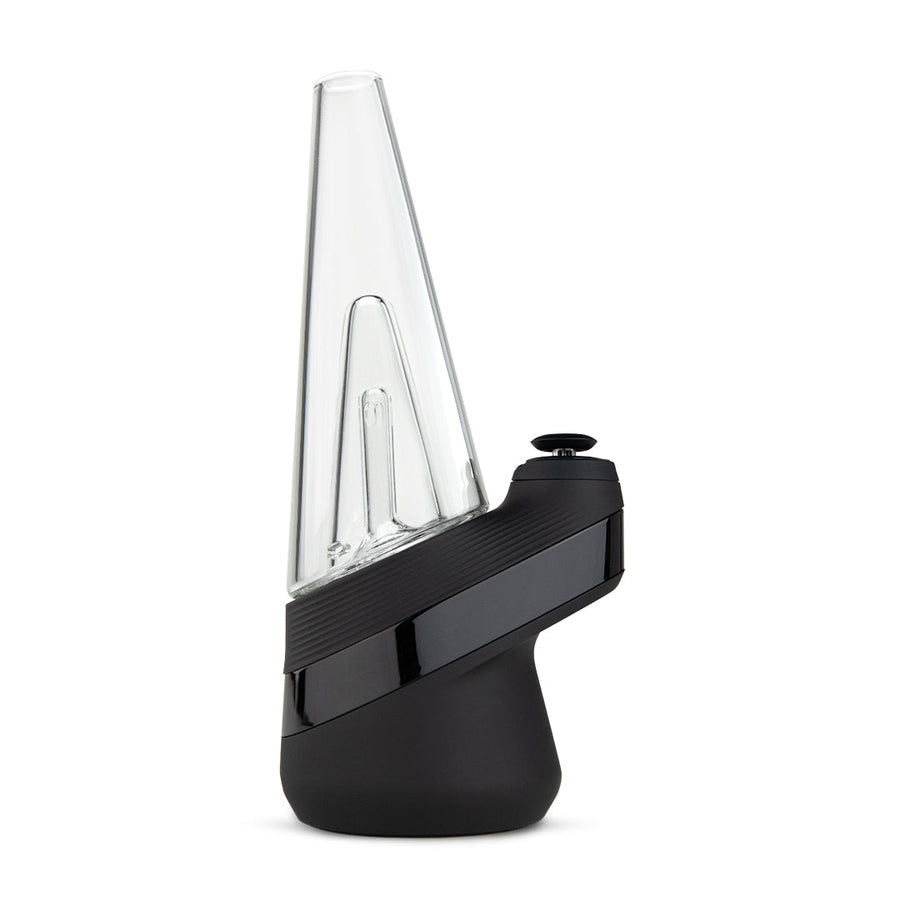
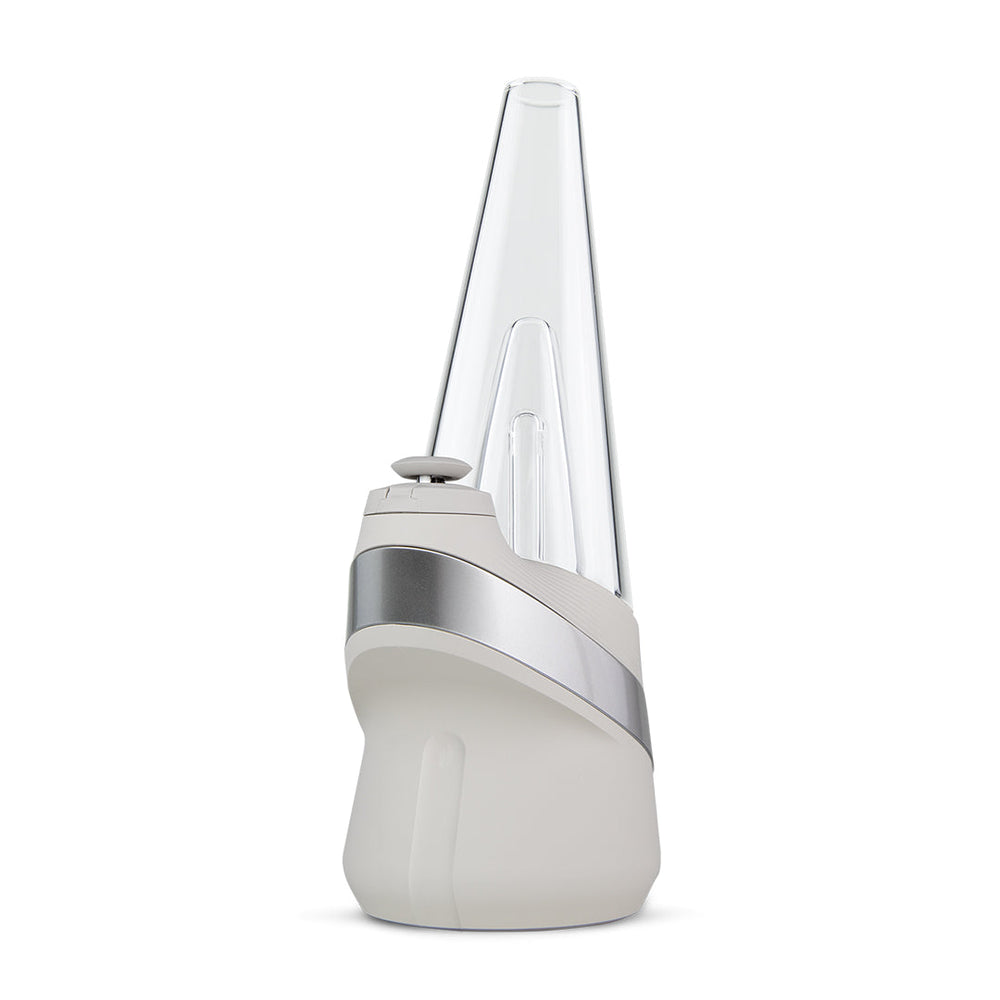
I will shop here again. I bought a puffco peak which developed a faulty chamber days after I bought it and puffco sent me a new chamber. Very satisfied!
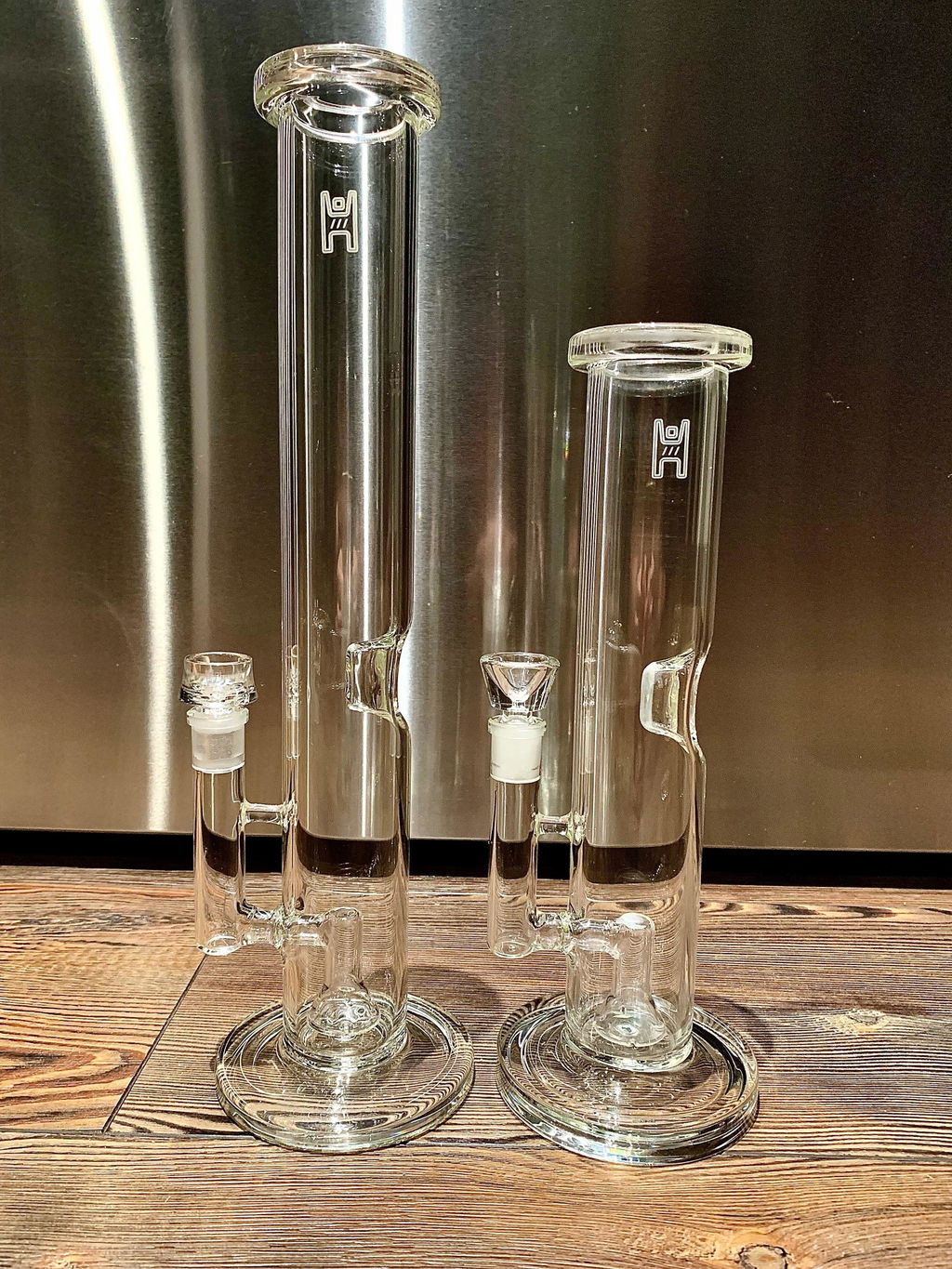
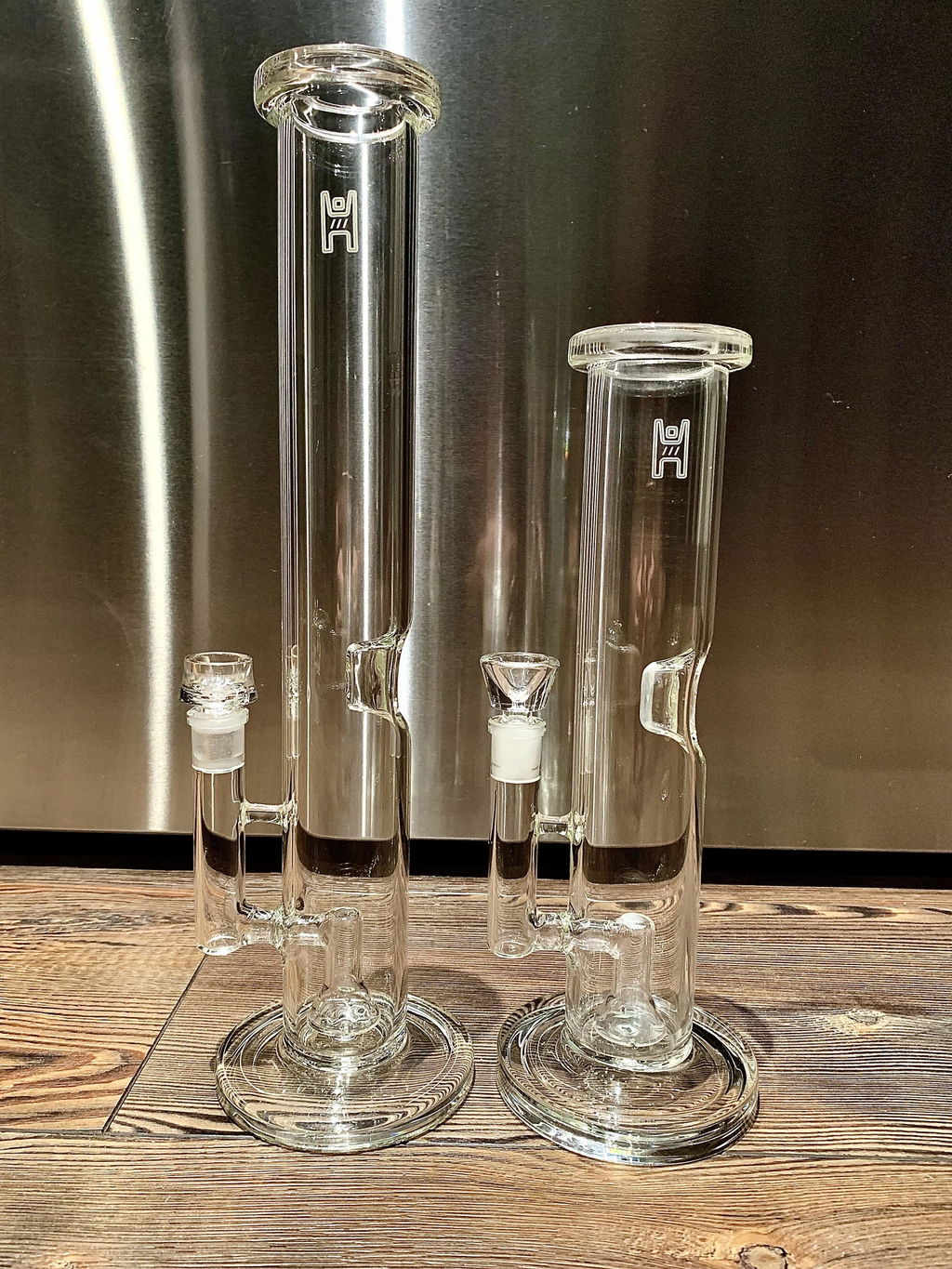
This bong is a monster hitter. I've seen similar items that my local shops for at least 3 times more than what I bought this one for. The product is quality is absolutely amazing. And it functions perfectly. The customer service is beyond reproach. I would highly recommend this shop. This online company to anyone. The only thing I could say is when you order. It may take a little while for you to receive your product. And when I say a little while, I mean, for me, I live in Utah, and it took about a week. But even that hey, patience is a virtue, When you're ordering quality. Just found out, you can pay for quicker shipping. Take care all.
Solid design, really could tell the difference in air flow
This is a great bowl. Its shape makes it easy to handle and pick up. The actual bowl shape allows for an even burn without clogging. Definitely recommend!
compact, well made and the pieces come apart for ease of cleaning.
Great device! Great for travel, you don't have to take a whole rig with you and still enjoy your concentrates. The dual use feature is an excellent addition, heat your concentrates to the prefect temperature at a fraction of the price!
Love it ♥️
Nice and thick 👍 Hits well and it really keeps the heat.
I love this device! Last year I purchased the 12” version. I felt it was a bit small as the flame is close to your face upon lighting. Recently I was looking again and came across the 18”. Think that may be too much but then I saw the 15”. Perfect! Better ergonomics, it just fits better and has a better draw. Just as easy to clean. Looks like it’s never been used if you clean it daily. I also recommend buying a nicer bowl than what it is supplied with. The standard ones work but clog easily. Pictured are the additional bowls.
Great place to shop for your goods. Many devices of all types. I’ve placed a couple orders and I have been very pleased.
These are my favorite spoon. They hit great and are easy to clean and the size is just right.
Does the trick
Product was exactly as advertised.
Everything went smoothly no issues
Over 1/2 my neck is held together with titanium it helps ease the pain
Easy to use and clean