



THCA Kief
0 products

0 products
THCA kief is the glittery dust that coats top-shelf cannabis flowers.
You're probably here because you want to know what THCA kief is, how to use it, and how to spot a good batch from a bad one. You'll find all of that below. We'll cover the science, the different grades, how to buy, how to store, and how to get the most out of every gram. We'll also point you to the gear that makes kief easier to enjoy, from dab rigs to vaporizers.
Why buy from us? Because we handle kief the way it should be handled. It arrives fresh, in a sealed, UV-protective jar. We store our inventory cold to slow down oxidation. We don't mix batches. We don't cut corners. If a batch doesn't smell right or test clean, we don't sell it. We're enthusiasts too, so we're happy to answer questions about mesh sizes, decarboxylation, or the best way to top a bowl. You get straight answers and a product that matches the description.
THCA kief usually tests between 40% and 70% THCA. That's 2 to 5 times stronger than most flower. A little goes a long way. You can sprinkle it on a joint, vape it, or press it into hash. It's versatile, shelf-stable when stored right, and cost-effective per dose. Whether you're a daily smoker or you only indulge on weekends, kief gives you control. You add as much or as little as you want. That's why we keep it in stock.
One note before we go further: THCA kief is not the same as THC kief. THCA is the raw, non-psychoactive form of THC. Heat changes that. We'll explain exactly how that works in the next section. For now, just know that you're in the right place if you want a clean, potent, solventless concentrate. We'll walk you through everything else.
Cannabis plants produce trichomes on their flowers and sugar leaves. These are tiny, mushroom-shaped glands. They look like frost under a microscope. Trichomes make cannabinoids like THCA and CBDA, plus terpenes and flavonoids. The sticky resin protects the plant from pests and UV light. When you break up a bud and see a dusting of crystals on your fingers, that's trichomes. Kief is what you get when you separate those trichomes from the plant material.
The word 'kief' comes from Arabic 'kayf', which means pleasure or well-being. It's been collected for centuries. Traditional hash makers sifted dried cannabis over screens to gather the resin, then pressed it into blocks. Modern kief is usually sold as a loose powder. It ranges from pale gold to light green. The color tells you a lot about purity. Golden kief is mostly trichome heads. Green kief has more leaf matter. Brown kief is often older or oxidized.
THCA stands for tetrahydrocannabinolic acid. It's the acidic precursor to delta-9 THC. In raw cannabis, most THC exists as THCA. THCA doesn't bind well to CB1 receptors, so it doesn't get you high. That changes with heat. When you smoke, vape, or decarboxylate THCA, it loses a carboxyl group and becomes THC. That process is called decarboxylation. It happens fast at combustion temperatures (around 600°F and up) and slower at oven temperatures (240°F for 30–40 minutes).
So THCA kief is simply kief that's high in THCA. Most hemp-derived kief sold online is THCA-dominant because it complies with federal law (under 0.3% delta-9 THC). But the THCA content can be high. That's why you see 50%+ THCA on lab reports. It's legal to buy, but once you heat it, it becomes psychoactive. That's the key distinction. Raw THCA kief is non-intoxicating. Heated THCA kief is intoxicating.
Kief also contains terpenes. These are the aromatic oils that give each strain its smell and flavor. Terpenes like myrcene, limonene, and pinene are concentrated in trichomes. A good batch of kief smells loud. It should remind you of the flower it came from. If it smells like hay or dust, the terpenes have degraded. That usually means old material or poor storage.
Purity matters. Kief is mechanically separated, not chemically extracted. That means no solvents are used. But it also means plant matter can sneak in. The finer the screen, the cleaner the kief. Screens are measured in microns. A 70–120 micron screen produces a finer, more golden product. A 150–220 micron screen lets more plant material through. High-quality kief is sifted multiple times. Some producers use static electricity to pull trichomes away from leaf matter. That's a solventless way to get a cleaner product.
THCA kief is not the same as bubble hash. Bubble hash uses ice water and agitation to separate trichomes. Kief is dry-sifted. Both are solventless, but the texture and potency differ. Kief is usually lighter and sandier. Bubble hash is more clumpy and can be full-melt. We'll cover that difference later. For now, know that THCA kief is a dry-sifted concentrate that's rich in THCA and terpenes.
Not all THCA kief is created equal. The market has grades, styles, and price points. Here's how to tell them apart.
Flower kief comes from the buds themselves. It's higher in trichomes and lower in chlorophyll. The color is usually golden or pale blonde. Trim kief comes from the sugar leaves and fan leaves trimmed off the buds. It has more plant matter, so it's greener and harsher. Flower kief costs more because the source material is more valuable. Trim kief is cheaper and works fine for edibles or topping a bowl, but it won't taste as clean.
Kief is graded by the size of the screen used to sift it. Smaller mesh (70–90 microns) captures only the ripest trichome heads. The result is a fine, golden powder that melts easily. Larger mesh (120–160 microns) lets more stalks and leaf bits through. That kief is greener and less potent. Some producers sell 'full-spectrum' kief that's a blend of mesh sizes. It's a compromise between purity and yield. If you want the cleanest experience, look for kief sifted at 90 microns or lower.
Live kief is made from fresh-frozen cannabis. The plant is harvested and frozen immediately, then sifted while frozen. This preserves more terpenes and gives a brighter, more aromatic product. Cured kief is made from dried and cured flower. It has a more traditional profile, often with deeper, earthier notes. Live kief is usually more expensive and harder to find. Both are excellent. The choice comes down to flavor preference.
Golden or blonde kief is the top grade. It means the trichomes are intact and there's minimal plant matter. Green kief has more chlorophyll. It's not necessarily bad, but it will taste more herbal and can be harsher. Brown kief is a sign of oxidation or age. Avoid it if you want peak flavor. Texture should be sandy and loose. If it's clumpy or sticky, it might be fresh (good) or exposed to humidity (bad). Hard clumps usually mean the kief was pressed or stored poorly.
Static sifting uses charged surfaces to attract trichomes and leave plant matter behind. It's a solventless refinement step that produces a cleaner, more golden product. Traditional sifting relies on screens alone. Static sifted kief costs more but often tests higher and tastes better.
Single-strain kief comes from one cultivar. You get a specific flavor and effect profile. Blended kief mixes strains, usually to balance potency or mask inconsistencies. Single-strain is better for connoisseurs. Blended is fine for everyday use.
Organic kief comes from cannabis grown without synthetic pesticides or fertilizers. It's cleaner for you and the environment. Conventional kief may have residues. Always ask for lab tests that screen for pesticides, heavy metals, and mold. Even organic farms can have mold issues if drying isn't dialed in.
Kief is loose trichomes. Hash is kief that's been pressed and heated. Pressing ruptures trichome heads and creates a solid block. Hash is more shelf-stable and easier to transport, but kief is more versatile. You can press kief into hash yourself if you want. Some people prefer the loose form for topping bowls or vaping.
THCA kief is raw and non-psychoactive until heated. THC kief has already been decarboxylated, so it's psychoactive as-is. Most legal hemp kief is THCA-dominant. THC kief is more common in legal recreational states. The effects are similar once heated, but THCA kief gives you more control over the process.
THCA kief is versatile, but you need the right tools to enjoy it fully. If you're dabbing, start with a dab rig that suits your style. We carry everything from small, portable rigs to full-size glass. Pair it with a dab banger made from quartz or titanium. Quartz gives you the cleanest flavor. Titanium heats faster and holds heat longer. A carb cap is essential for low-temp dabs. It restricts airflow and helps vaporize every last bit of kief. If you need to replace parts or upgrade, check our dab rig accessories.
For a more portable experience, a nectar collector lets you dab directly from your jar. It's a straw-like device with a heated tip. You touch the tip to the kief and inhale. No torch needed if you use an electric nectar collector. Similarly, a dab straw is a simple, low-tech option. Both are great for quick hits.
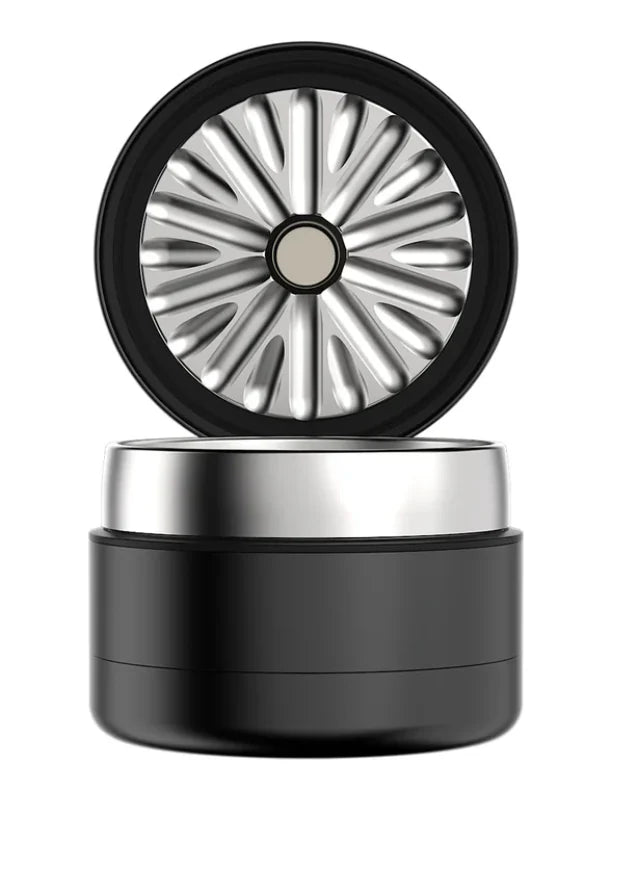
Keeping your kief organized is easier with a dishes and dabber set. A glass dish gives you a clean surface to work on, and a dabber helps you scoop without waste. If you prefer dry herb vaping, our vaporizers can handle kief when you use a concentrate pad or sandwich it between flower. And if you're mixing kief with ground flower, a weed grinder with a kief catch lets you collect your own. Finally, store your kief in stash gear that blocks light and air. Airtight glass jars are best. Avoid plastic bags because trichomes stick to them and static can degrade the product.
Good THCA kief starts with good flower. The plant must be grown well, harvested at the right time, and dried slowly. Trichomes are most potent when they're cloudy, not clear or amber. Growers who rush the dry or cure can degrade terpenes and cannabinoids before the kief is even sifted. We source from small farms in Oregon and California that use organic practices. They hand-trim and keep separate batches by strain. That traceability matters when you want consistent quality.
The extraction process is mechanical, not chemical. Here's the basic flow: dried cannabis is broken up and placed on a series of screens with different micron sizes. The material is agitated, either by hand or with a machine. Trichomes fall through the screens and collect on a tray. Larger plant matter stays on top. The first sift is usually coarser. The finest sift is the most golden. Some producers run the same material through multiple screens to get different grades. Static electricity can be used to further clean the kief. A charged surface attracts trichomes and repels leaf matter. That's how you get a product that's nearly pure trichome heads.
We don't use solvents. No butane, no ethanol, no CO2. That's the appeal of kief. It's a solventless concentrate. But that also means we rely on the quality of the flower and the skill of the sifter. A bad sift can be green and harsh. A good sift is golden and melts clean. We test every batch for cannabinoid potency and contaminants. Our COAs screen for pesticides, heavy metals, mold, and microbials. We also check for residual solvents, even though none are used, just to be thorough.
After sifting, the kief is stored in small, UV-protective jars. We keep our inventory in a cold room at 60–65°F. Heat and light are the enemies of THCA and terpenes. Oxidation turns kief brown and dulls the smell. We don't press our kief into bricks. We sell it loose so you can use it as you like. If you want hash, you can press it yourself.
When you smoke or vape THCA kief, the heat converts THCA to THC. That means you get the full range of cannabis effects: euphoria, relaxation, creativity, appetite stimulation, and relief from stress or discomfort. The onset is fast, usually within 2–5 minutes. The peak hits around 15–30 minutes. Effects last 1–3 hours depending on your tolerance and dose. Because kief is concentrated, you need less material to feel it. That makes it cost-effective. A gram of kief can last as long as an eighth of flower if you use it as a topper.
Kief is full-spectrum. It contains THCA, other minor cannabinoids like CBG and CBC, and a full profile of terpenes. That's the entourage effect in action. Many users report that kief feels more well-rounded than isolated THC. The terpenes shape the experience. A myrcene-heavy kief might be more sedating. A limonene-heavy kief might be more uplifting. That's why strain selection matters.
Raw THCA kief is non-psychoactive. Some people use it for potential wellness benefits. Early research suggests THCA may have anti-inflammatory and neuroprotective properties, but we're still learning. If you want to try raw kief, start with a tiny amount, like 10–20 mg. You won't get high. You might notice mild relaxation or digestive comfort. If you want the classic high, you need to heat it.
Potential side effects are the same as with any cannabis product: dry mouth, red eyes, increased heart rate, and anxiety at high doses. Kief is potent, so new users should start with a very small amount. A grain of rice-sized piece is enough for some people. Wait 15 minutes before adding more. Don't drive or operate machinery after use. Avoid cannabis if you're pregnant, breastfeeding, or under 21. Check your local laws before buying.
Buying THCA kief online can feel like a gamble. Here's how to stack the odds in your favor.
Every reputable seller provides a Certificate of Analysis (COA) from a third-party lab. Look for THCA percentage, delta-9 THC percentage (should be under 0.3% for hemp), and tests for pesticides, heavy metals, mold, and microbials. If a seller doesn't show COAs, walk away. Potency matters, but purity matters more.
Golden or pale blonde kief is a sign of high trichome content. Green kief has more plant matter. Brown kief is oxidized. The texture should be sandy and loose. If it's clumpy in a way that feels damp, it might have been stored poorly. Hard chunks could be pressed kief or old material.
In-person, ask to smell the kief. It should have a strong, strain-specific aroma. If it smells like hay, dust, or nothing, the terpenes are gone. Online, read reviews that mention smell and flavor.
Single-strain kief is better than blended if you care about flavor. Organic is better than conventional. Small-batch is often better than mass-produced because there's more attention to detail. Ask where the flower was grown and how it was processed.
Kief should come in an airtight, UV-protective jar. Plastic bags are a no-go because trichomes stick to the sides and static can degrade the product. A good jar keeps the kief fresh and makes it easy to scoop.
Kief ranges from $15 to $40 per gram depending on quality. Cheap kief is often trim-based and green. Top-shelf kief costs more but you use less. Calculate the cost per dose, not just per gram. A 60% THCA kief at $30 per gram is a better deal than a 30% kief at $15 per gram.
THCA hemp is federally legal under the 2018 Farm Bill if it contains less than 0.3% delta-9 THC. But some states have banned THCA or treat it like marijuana. Check your local laws before ordering. You must be 21 or older.
Look for reviews that mention freshness, potency, and customer service. A seller with a lot of 5-star reviews but no COAs is a red flag. A seller with a few detailed reviews and full transparency is a safer bet.
There are several ways to use THCA kief. Each has its own technique.
Sprinkle kief on top of a bowl of flower. Use a glass screen to prevent pull-through. Light gently and inhale slowly. You can also roll it into a joint. Mix kief with ground flower at a 1:4 ratio (kief to flower) for an even burn. Pure kief can be smoked in a pipe, but it will clog if you pack it too tight. Use a small pinch and a gentle draw.
Use a dry herb vaporizer with a concentrate pad or sandwich the kief between two layers of flower. Set the temperature to 350–430°F. Start low and increase. Vaping gives you a cleaner flavor and less tar than smoking. You can also use a dab rig, but kief leaves more residue than wax. Use a quartz banger and clean it with a Q-tip after each dab.
Kief can be dabbed, but it's messy. Use a low-temp dab (around 450–500°F) to avoid burning plant matter. A carb cap helps. Expect some residue. Nectar collectors and dab straws work well for small amounts.
You must decarboxylate kief before eating it. Spread it evenly on a parchment-lined baking sheet. Bake at 240°F for 30–40 minutes. It will smell toasty. Then mix it into butter, coconut oil, or olive oil. Use 0.1–0.2 grams per serving for beginners. Label your edibles clearly.
Store kief in an airtight glass jar in a cool, dark place. A cupboard away from the stove works. The fridge is fine if the jar is sealed tight and you let it come to room temperature before opening (to prevent condensation). For long-term storage, use the freezer. Keep it away from light, heat, and moisture. Properly stored kief stays fresh for 6–12 months. After that, it may lose flavor and potency. Label the jar with the strain and date. Keep out of reach of children and pets.
THCA kief is kief that's high in THCA, the non-psychoactive precursor to THC. Regular kief can be high in THCA too, but the term 'THCA kief' usually means it's from hemp and legally sold with under 0.3% delta-9 THC. The main difference is labeling and legal status. Chemically, most raw kief is THCA-dominant. Once heated, it becomes THC.
Only if you heat it. Raw THCA kief is not psychoactive. When you smoke, vape, or decarboxylate it, THCA converts to THC and you feel the effects. If you eat it raw, you won't get high. You might get some mild wellness benefits, but no intoxication.
Start small. For beginners, 0.05 grams (about a grain of rice) is plenty. Experienced users can use 0.1–0.3 grams. Kief is potent, so it's easy to overdo it. Wait at least 15 minutes before adding more. If you're making edibles, use 0.1 grams per serving after decarboxylation.
Yes, but you won't get high. Raw THCA kief can be added to smoothies, yogurt, or capsules. Some people use it for potential anti-inflammatory benefits. Start with a tiny amount, like 10–20 mg, to see how you feel. If you want the psychoactive effect, you must decarboxylate it first.
Keep it in an airtight glass jar, away from light and heat. A cool cupboard works. The fridge is okay if the jar is sealed and you let it warm up before opening. For long-term storage, use the freezer. Avoid plastic bags. Properly stored kief stays fresh for 6–12 months.
For smoking, sprinkle it on a bowl of flower or mix it into a joint. For vaping, use a dry herb vaporizer with a concentrate pad at 350–430°F. For dabbing, use a low-temp dab with a carb cap. Each method gives a different experience. Vaping is the cleanest. Smoking is the most traditional. Dabbing is the most potent.
Federally, THCA hemp is legal under the 2018 Farm Bill if it contains less than 0.3% delta-9 THC. But many states have their own rules. Some ban THCA entirely. Check your local laws before buying. You must be 21 or older. We only ship to states where THCA is legal.
Look for golden or pale blonde color, a sandy texture, and a strong smell. Check for lab tests that show THCA potency and contaminant screening. Avoid green, brown, or clumpy kief. Fresh kief should smell like the strain it came from. If it smells like hay, it's old.
Yes. You can buy a sifting screen or a grinder with a kief catch. Dry your flower well, then agitate it over the screen. Collect the powder that falls through. You can also use dry ice to make larger batches. Home-made kief is usually lower grade than professional sift, but it's fun and cost-effective. Wear gloves and work in a clean space.
Kief is loose trichomes. Hash is kief that's been pressed and heated into a solid block. Pressing ruptures trichome heads and changes the texture and potency. Hash is more shelf-stable and easier to transport. Kief is more versatile because you can press it yourself or use it loose. Both are solventless concentrates.
I will shop here again. I bought a puffco peak which developed a faulty chamber days after I bought it and puffco sent me a new chamber. Very satisfied!
This bong is a monster hitter. I've seen similar items that my local shops for at least 3 times more than what I bought this one for. The product is quality is absolutely amazing. And it functions perfectly. The customer service is beyond reproach. I would highly recommend this shop. This online company to anyone. The only thing I could say is when you order. It may take a little while for you to receive your product. And when I say a little while, I mean, for me, I live in Utah, and it took about a week. But even that hey, patience is a virtue, When you're ordering quality. Just found out, you can pay for quicker shipping. Take care all.
Solid design, really could tell the difference in air flow
This is a great bowl. Its shape makes it easy to handle and pick up. The actual bowl shape allows for an even burn without clogging. Definitely recommend!
compact, well made and the pieces come apart for ease of cleaning.
Great device! Great for travel, you don't have to take a whole rig with you and still enjoy your concentrates. The dual use feature is an excellent addition, heat your concentrates to the prefect temperature at a fraction of the price!
Love it ♥️
Nice and thick 👍 Hits well and it really keeps the heat.
I love this device! Last year I purchased the 12” version. I felt it was a bit small as the flame is close to your face upon lighting. Recently I was looking again and came across the 18”. Think that may be too much but then I saw the 15”. Perfect! Better ergonomics, it just fits better and has a better draw. Just as easy to clean. Looks like it’s never been used if you clean it daily. I also recommend buying a nicer bowl than what it is supplied with. The standard ones work but clog easily. Pictured are the additional bowls.
Great place to shop for your goods. Many devices of all types. I’ve placed a couple orders and I have been very pleased.
These are my favorite spoon. They hit great and are easy to clean and the size is just right.
Does the trick
Product was exactly as advertised.
Everything went smoothly no issues
Over 1/2 my neck is held together with titanium it helps ease the pain
Easy to use and clean