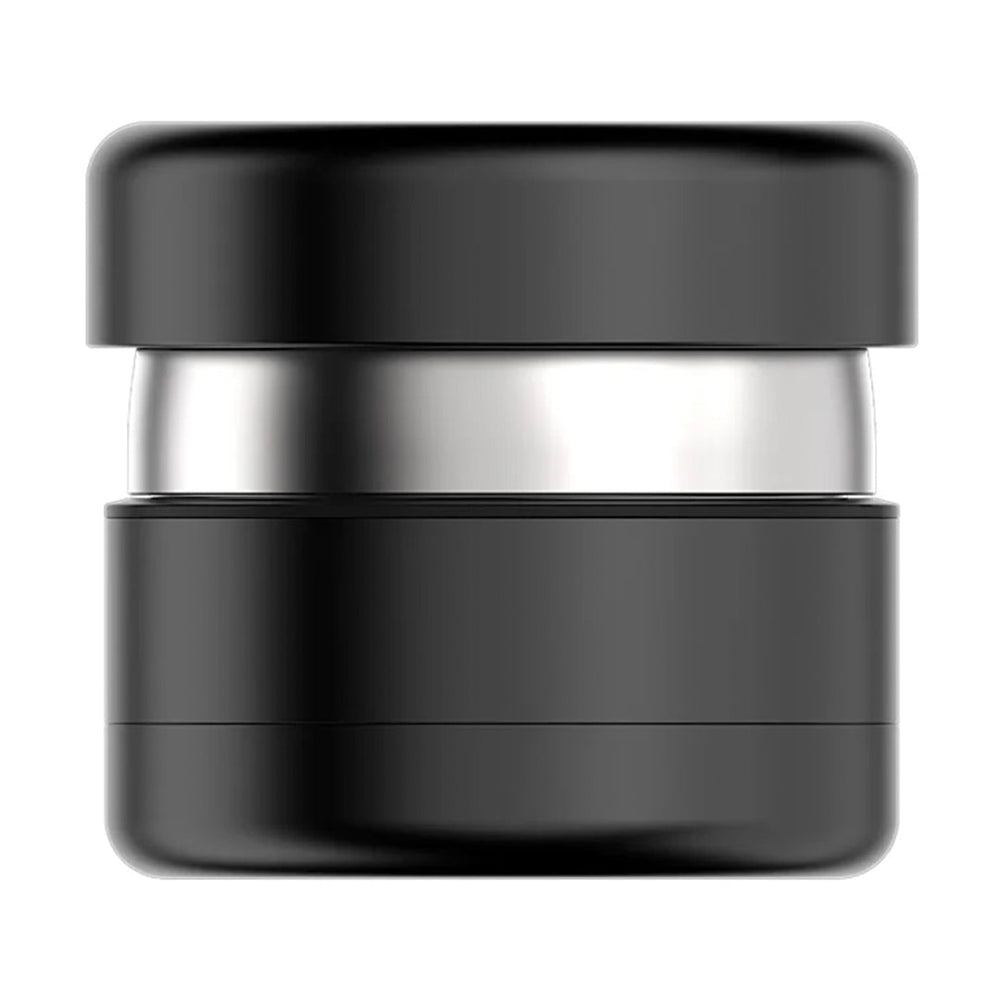
![Pipe by Vessel [Gunmetal] - Headshop.com](http://www.headshop.com/cdn/shop/files/Pipe_Gunmetal_Angle.jpg?v=1744306453&width=900)
![Pipe by Vessel [Gunmetal] - Headshop.com](http://www.headshop.com/cdn/shop/files/Pipe_Gunmetal_Closed.jpg?v=1744306456&width=1000)


THC Wax
25 products

25 products
At our shop, we understand that THC wax isn't just another product—it's a craft. From the meticulous extraction processes to the final, terpene-rich dab, every step matters.
Simple: we vet every batch for potency, purity, and terpene profile. Our sources are trusted cultivators and extractors who prioritize clean, solvent-free methods whenever possible. We also offer a wide range of consistencies—from sugary live resins to buttery budders—so you can find the texture and experience that suits your style. Plus, our team is made up of enthusiasts who are always happy to chat about the best gear to complement your wax.
To truly appreciate it, you need the right setup. That's why we've carefully chosen accessories and tools that elevate the dabbing experience. Think high-quality quartz bangers, precise carb caps, and thoughtful storage solutions. When you shop with us, you're not just buying a product—you're investing in a ritual.
So, whether you're looking to explore new flavors, achieve maximum effects, or simply enjoy a smoother hit, you've come to the right place. Let's dive into the sticky, fragrant, and potent world of THC wax.
THC wax, at its core, is a cannabis concentrate. But it's not just any concentrate—it's a versatile, potent extract that captures the essence of the cannabis plant in a semi-solid form. The term 'wax' refers to its consistency, which can range from crumbly and dry to soft and buttery. This consistency is determined by the extraction method and the specific chemical composition of the starting material.
Cannabis trichomes—those tiny, crystal-like structures on the plant—are packed with cannabinoids like THC and CBD, as well as aromatic compounds called terpenes. Extraction methods, such as butane hash oil (BHO) or CO2 extraction, use solvents to separate these compounds from plant matter. The resulting oil is then purged of solvents and whipped or agitated to form the waxy consistency. Some concentrates are made without solvents, using ice water or heat and pressure (like rosin).
THC levels can soar above 80%, making it much more potent than flower. Terpenes, which give each strain its distinct aroma and flavor, are also retained, offering a sensory experience that flower can't match. This is why experienced users often prefer wax for its clean, flavorful hits and immediate effects.
When you heat wax and inhale the vapor, you're activating the cannabinoids rapidly. The effects are felt almost instantly—a wave of euphoria, relaxation, or creativity, depending on the strain. Because wax is so concentrated, a tiny amount goes a long way, making it both economical and efficient for regular users.
Factors like starting material (whole flower vs. trim), extraction method, and post-processing (like winterization or dewaxing) affect the final product. That's why we prioritize transparency and lab testing, so you know exactly what you're getting.
The world of THC wax is wonderfully diverse. Here's a breakdown of the most popular types you'll encounter:
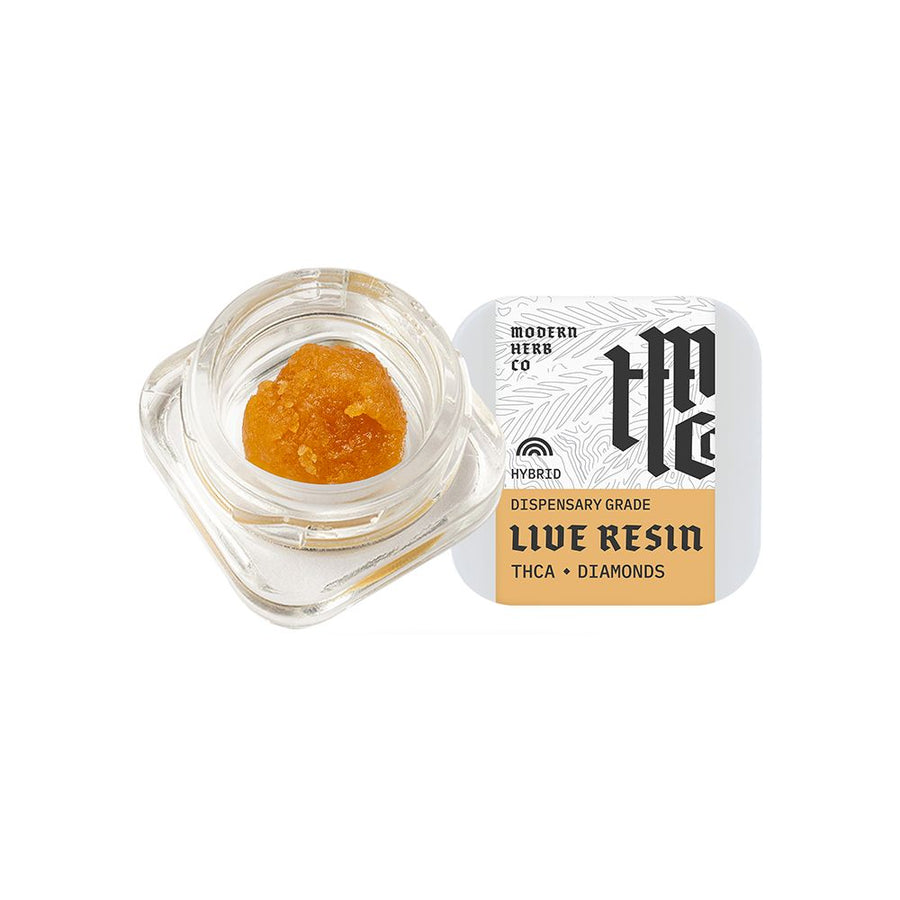
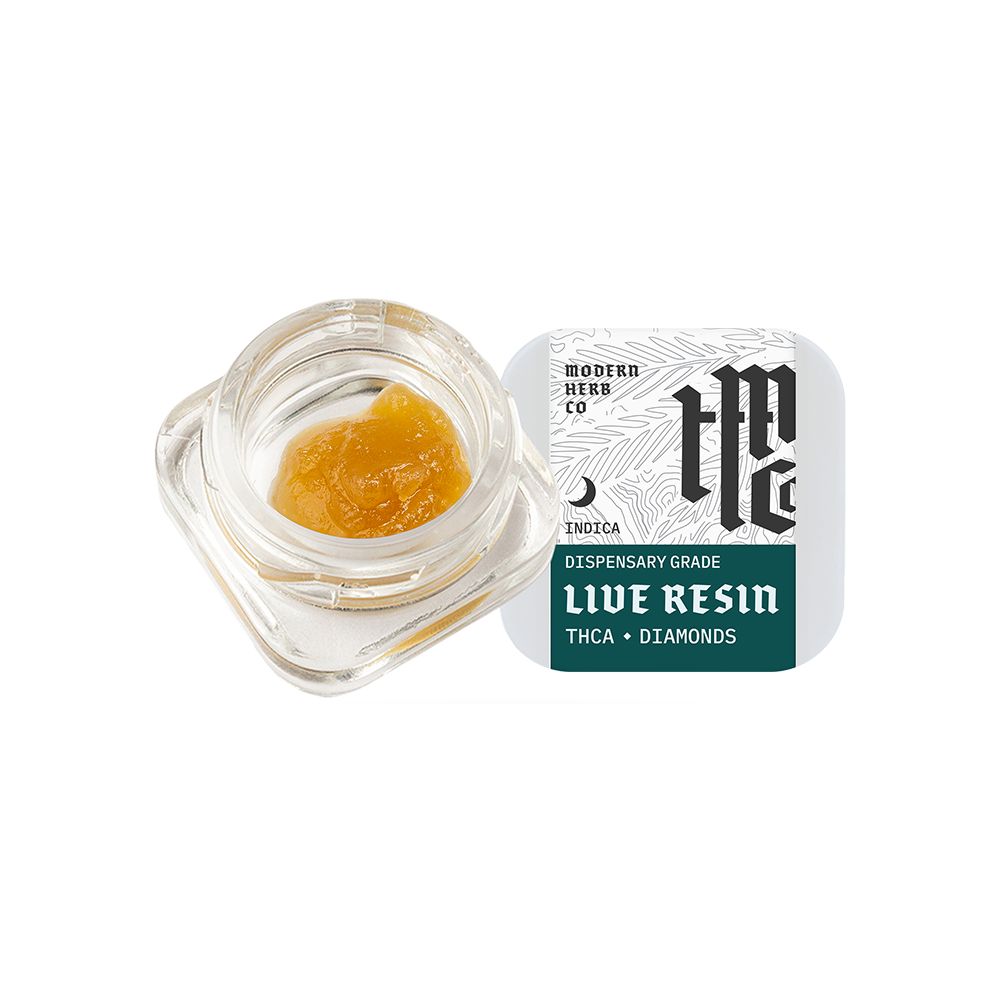
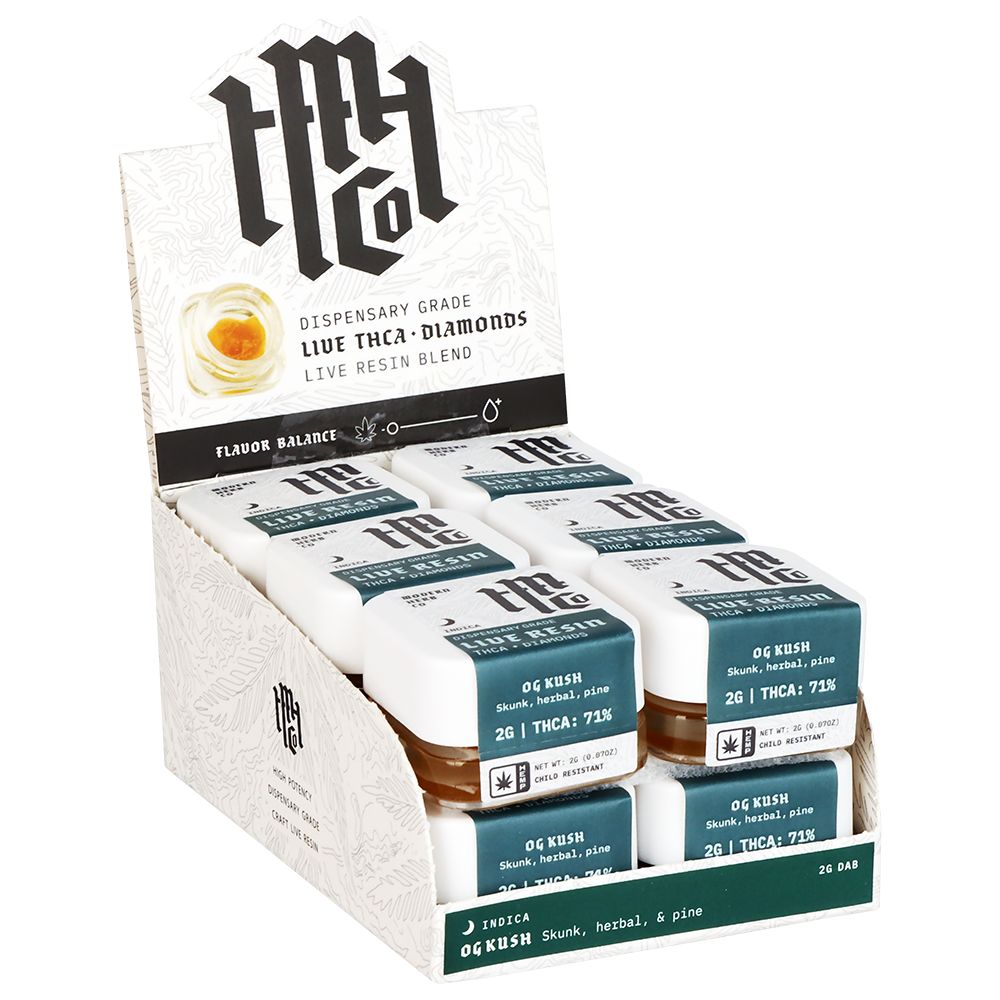
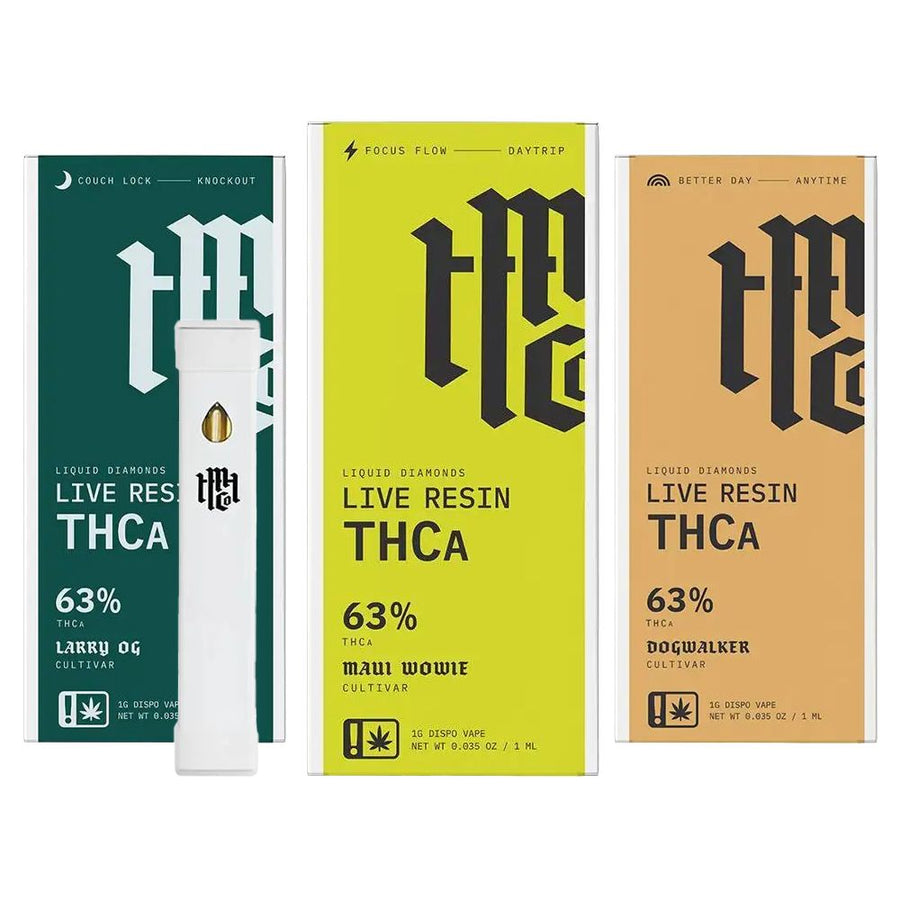
Live resin is made from fresh-frozen cannabis plants, preserving the full spectrum of terpenes. The result is a saucy, fragrant wax that's packed with flavor. It's often more liquid than other waxes but can be whipped into a budder-like consistency. Ideal for flavor chasers.
Crumble is a dry, crumbly wax that's easy to handle and dab. It's typically made by whipping the extract during purging, which introduces air and creates a porous texture. Crumble tends to have a lower terpene content than live resin, but it's still potent and flavorful. Great for beginners and those who prefer a no-mess consistency.
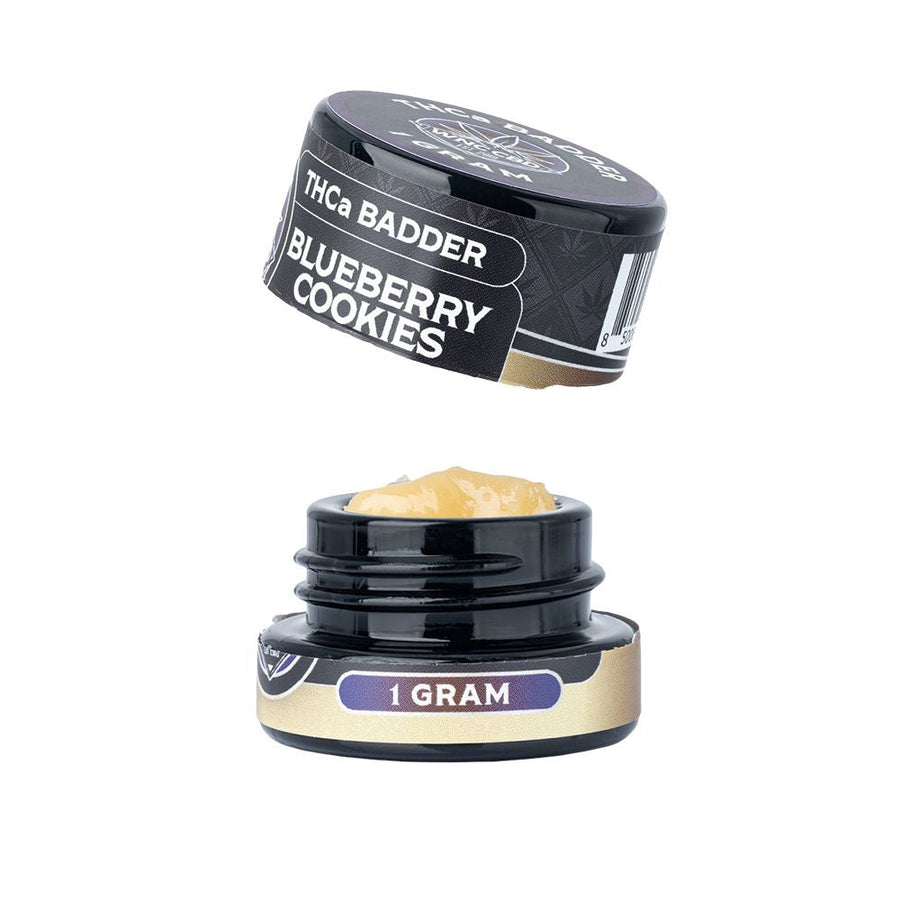
Budder is a soft, buttery wax that's whipped to a creamy consistency. It's often high in terpenes and easy to work with—perfect for spreading on a dab tool. Budder is popular for its smooth dabbing experience and balanced flavor profile.
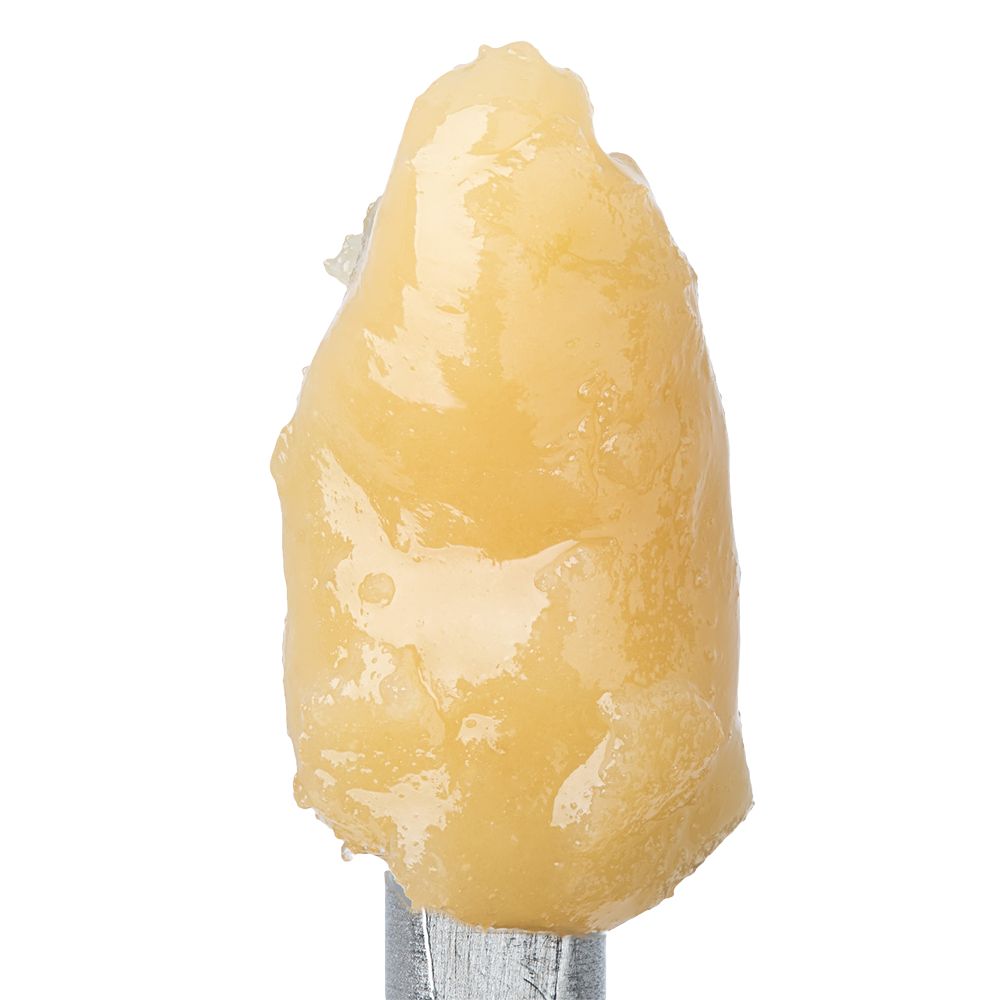
Named for its sugary, crystalline texture, sugar wax is a semi-solid concentrate that's full of terpene-rich sauce. It's often made from live resin that's allowed to crystallize. Sugar wax offers a great balance of flavor and potency, and it's easy to scoop.
While technically not a wax (it's glass-like and brittle), shatter is sometimes grouped with waxes. It's a solid, translucent concentrate that's highly potent and flavor-forward. Some users prefer shatter for its stability and ease of handling, but it can be more difficult to work with than softer waxes.
Each type has its own ritual. For live resin, you'll want a low-temp dab to savor the terpenes. For crumble, a standard dab works perfectly. The choice ultimately comes down to personal preference in texture, flavor, and effect.
To get the most out of your THC wax, you'll need the right gear. Here are some curated collections that pair perfectly with your concentrate journey:
Dab Rigs: The classic tool for dabbing wax. We have a range of premium borosilicate glass rigs that offer smooth water filtration and stunning designs. Whether you prefer a mini rig for flavor or a larger piece for bigger rips, our dab rigs collection has something for you.
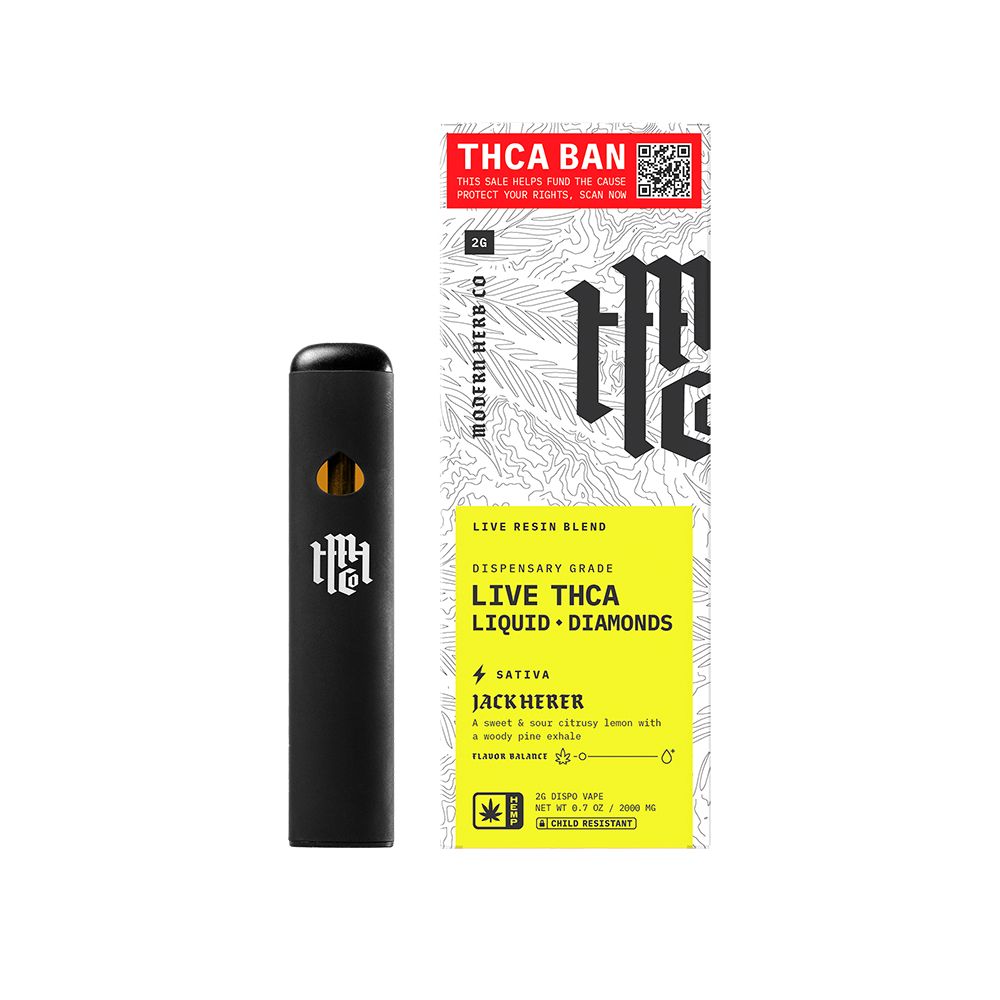
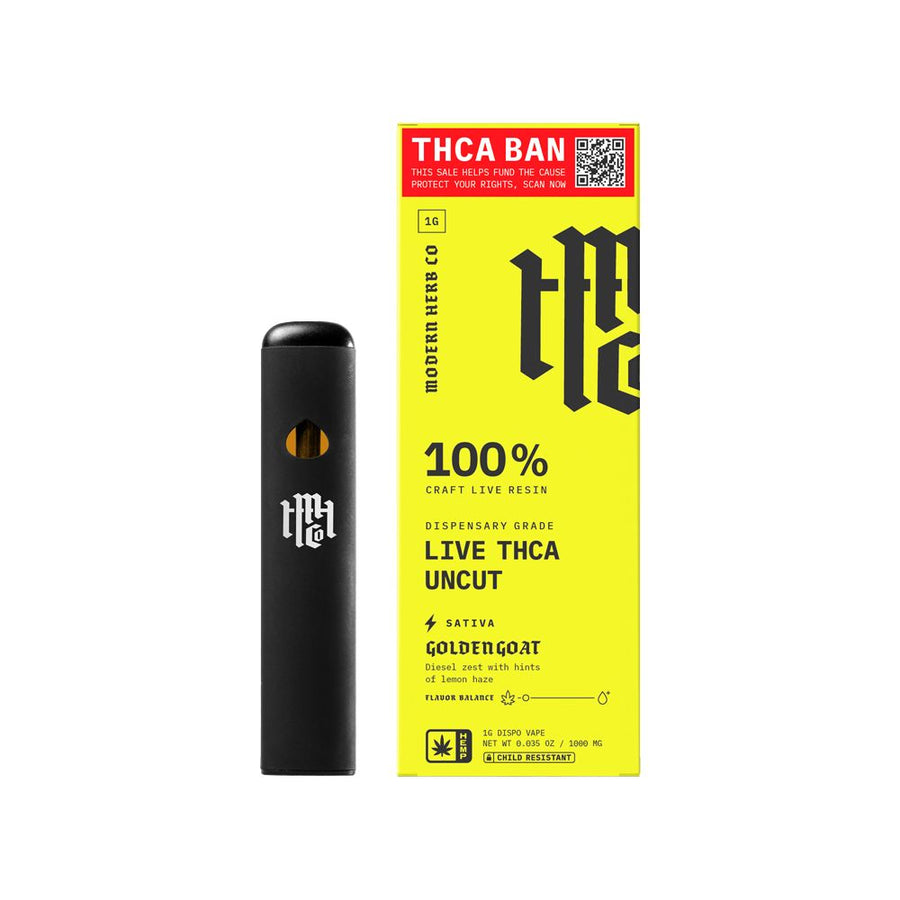
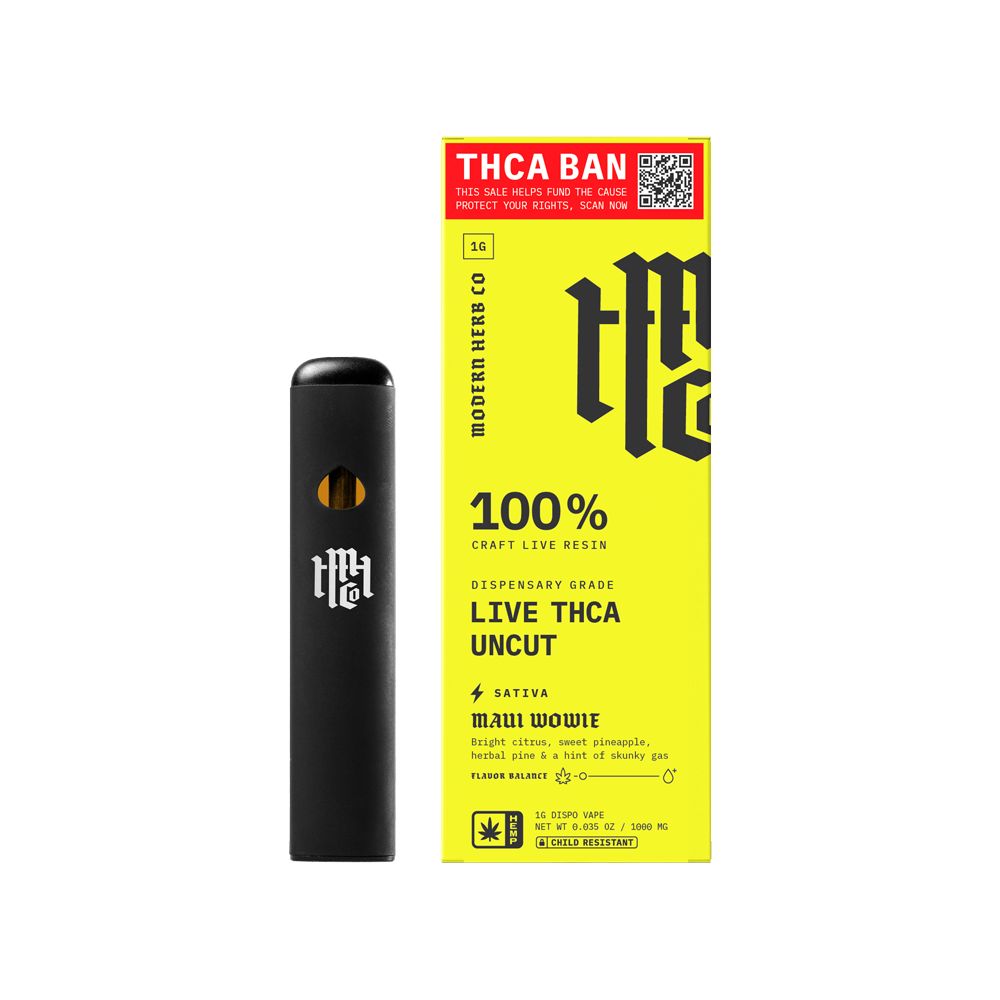
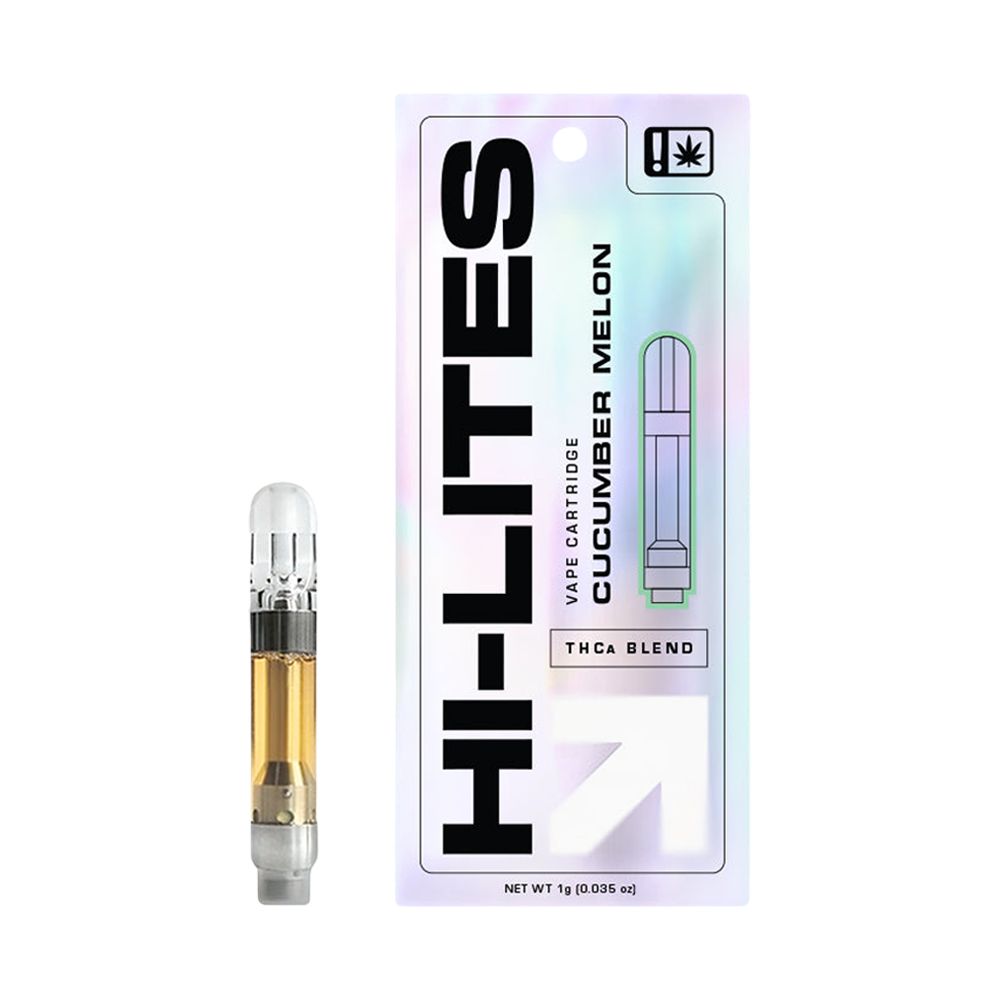
Dab & Wax Pens: For on-the-go convenience, dab pens are a game-changer. They're discreet, easy to use, and deliver potent vapor without the need for a torch. Check out our dab and wax pens collection for sleek, portable options.
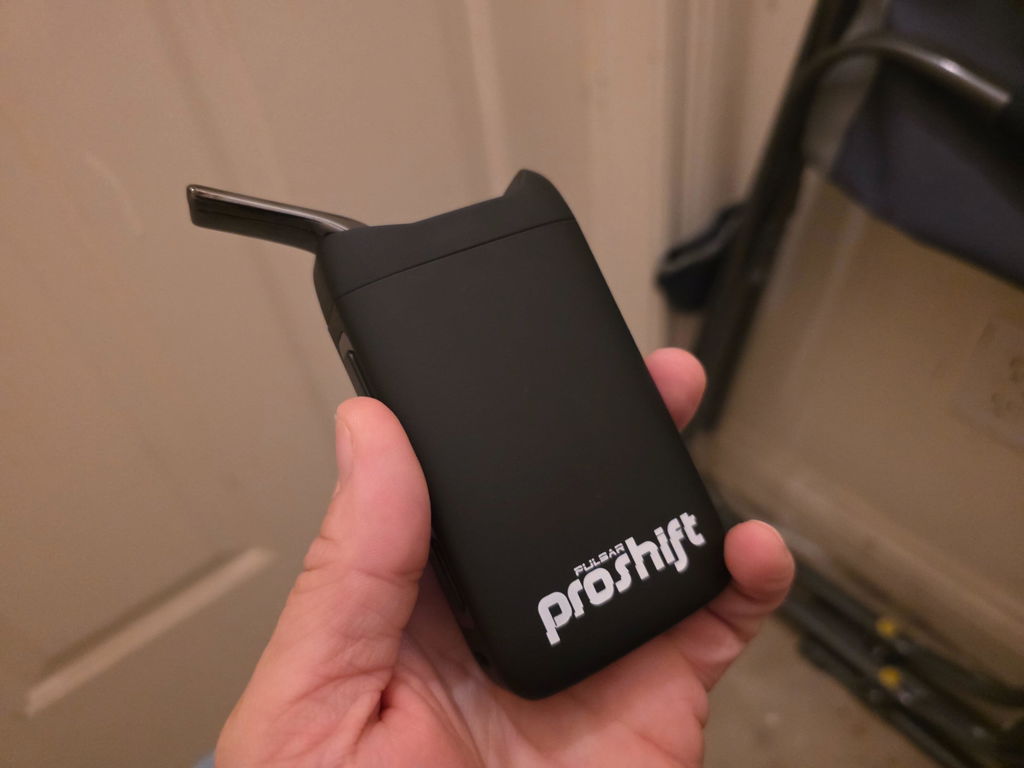
Vaporizers: If you prefer dry herb but want the option to use concentrates, many vaporizers support both. Our vaporizers collection includes versatile devices that let you swap between flower and wax, giving you flexibility in your sessions.
Dab Rig Accessories: Keep your rig performing at its best with tools like dab tools, silicone containers, and cleaning supplies. Browse the dab rig accessories collection to find everything you need for maintenance and convenience.
Nectar Collectors: For a different dabbing experience, nectar collectors allow you to dab directly from the wax. They're portable and easy to use—a favorite among traveling dabbers. Explore our nectar collectors collection.
Carb Caps: A good carb cap can make or break your dab. It controls airflow and vaporization, ensuring you get the most out of each hit. Our carb caps collection includes directional flow caps, bubble caps, and more.
Dab Bangers: The banger is the heat source for your wax. Quartz bangers are popular for their heat retention and flavor purity. Find the right size and style in our dab bangers collection.
Dishes & Dabber Sets: Keep your wax organized and accessible with a dedicated dish and dabber set. This is a must-have for any dedicated dabber. Check out our dishes and dabber sets collection.
Dab Pads: Protect your surfaces and catch any spills with a non-stick dab pad. It's a small investment that keeps your session clean. See our dab pads collection.
Dab Torches: To heat your banger or nail, you need a reliable torch. From butane torches to culinary torches, we have options that offer precise flame control. Browse our dab torches collection.
Pairing the right gear with your wax not only enhances flavor but also ensures an efficient and enjoyable experience.
Understanding how THC wax is made can help you make informed choices. Here's a look at common extraction methods:
This is the most common method for producing wax. Butane is used as a solvent to strip cannabinoids and terpenes from plant material. The resulting oil is then purged of butane in a vacuum oven. BHO can produce a range of consistencies depending on how it's handled—whipping creates budder, while letting it sit can form shatter. The quality varies based on starting material and purging diligence.
CO2 extraction uses pressurized carbon dioxide to separate compounds. It's considered a 'cleaner' method because CO2 evaporates completely, leaving no residual solvents. CO2 wax is often more stable but may have a slightly different terpene profile. It's a popular choice for those concerned about solvent safety.
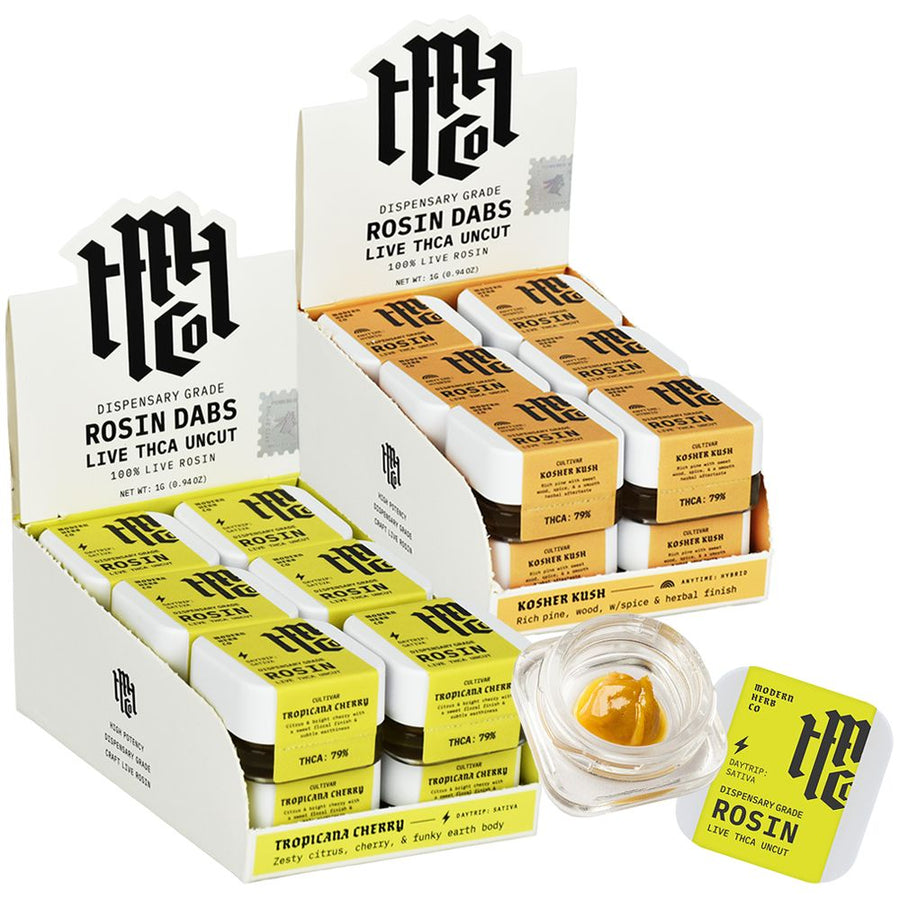
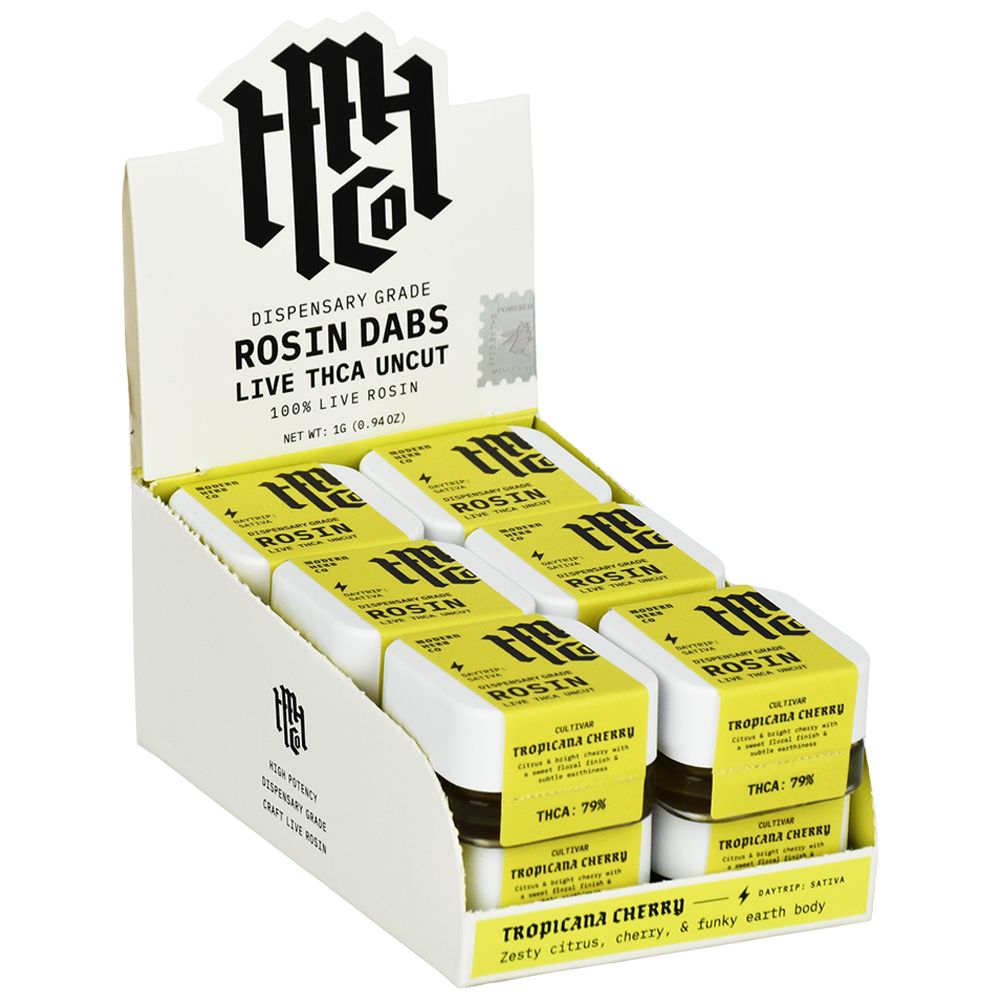
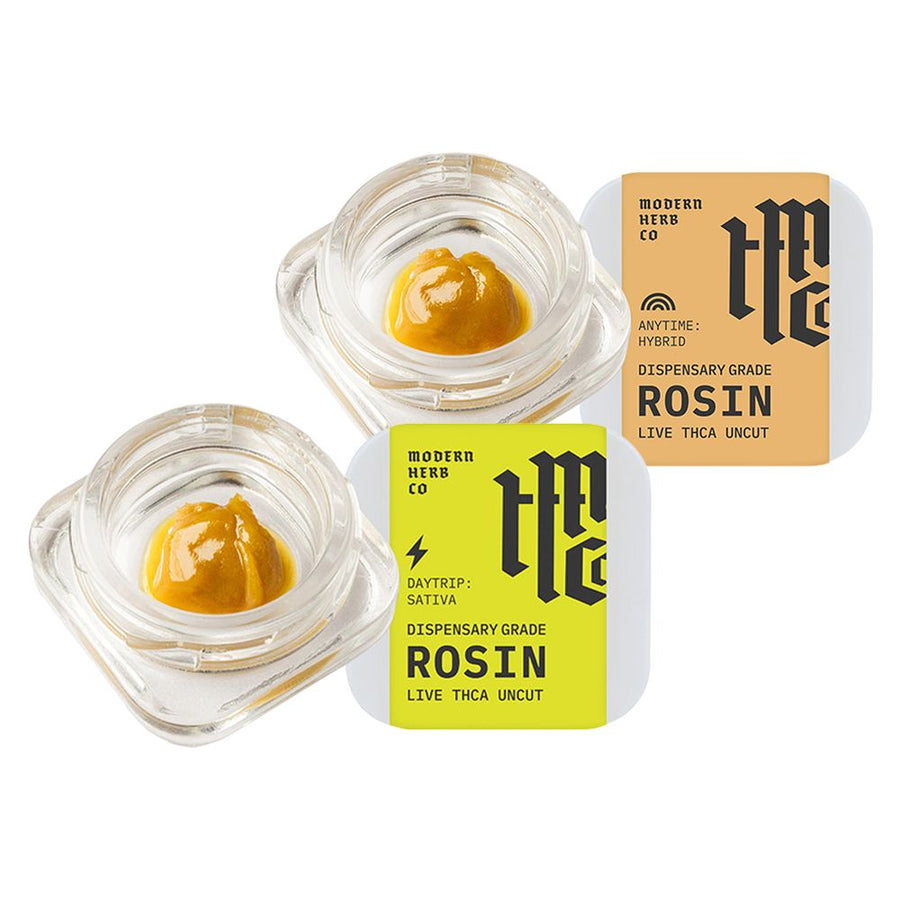
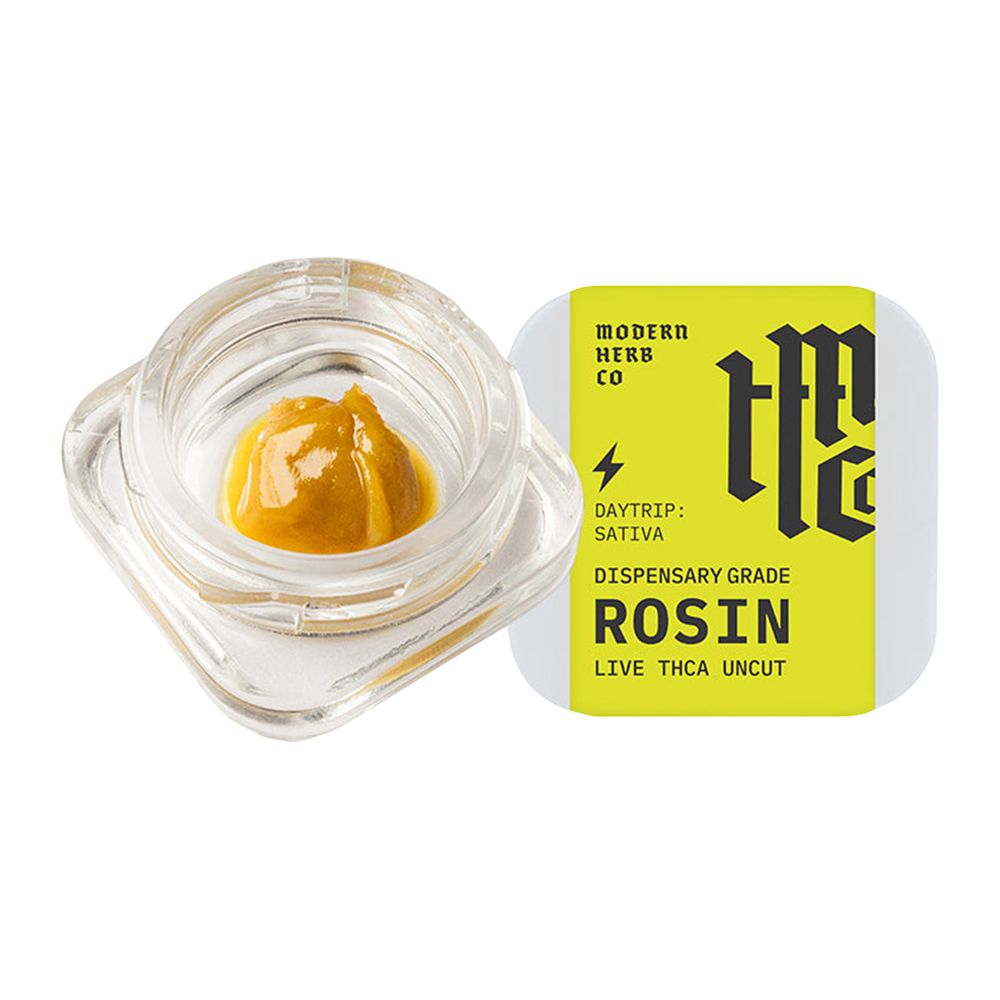
Rosin is made by applying heat and pressure to flower or hash, squeezing out the resin. It's 100% solvent-free, preserving the full spectrum of flavors. Rosin can be collected as a waxy consistency depending on temperature and pressure. Ice water hash uses cold water and agitation to separate trichomes, which can then be pressed into rosin or used as a concentrate itself.
We source our wax from trusted producers who prioritize quality. Look for products with clear labeling on strain, extraction method, and lab results. COA (Certificate of Analysis) ensures the wax is free from contaminants like residual solvents, pesticides, and heavy metals. We always stock products that meet our standards for purity and potency.
THC wax offers several advantages over traditional flower:
Effects vary by strain. Indica-dominant waxes tend to be relaxing and sedative, while sativas provide uplifting, creative energy. Hybrids offer balanced outcomes. Always start with a small dose, especially if you're new to concentrates, and gradually increase as needed.
Choosing the right THC wax can be overwhelming. Here's what to look for:
Always look for a Certificate of Analysis (COA) that confirms cannabinoid potency and shows no residual solvents, pesticides, or heavy metals. Reputable brands display this information prominently.
Think about how you plan to use it. Crumble and sugar are easy to handle and don't require special tools. Budder and live resin are softer and may need a dabber with a scoop. Shatter is stable but can be brittle.
If flavor is important, opt for live resin or high-terpene extracts. The aroma should be pungent and true to the strain. Avoid wax that smells like burnt rubber or chemicals—it may be poorly purged.
Good wax ranges from light yellow to amber. Dark brown or green wax may indicate impurities or old starting material. The texture should be consistent: crumble shouldn't be too dry, and budder shouldn't be too oily.
Wax is sensitive to heat, light, and air. Store it in a cool, dark place in a silicone or glass container. If it becomes too runny, refrigerate briefly; if too dry, a small amount of heat can restore pliability.
Your setup matters. For flavor, a low-temp dab (315-450°F) is best. Use a quartz banger and a directional carb cap for optimal vaporization. Beginners might prefer a nectar collector or wax pen for simplicity.
We recommend starting with a versatile wax like crumble or sugar if you're new. As you learn your preferences, you can explore live resins and other artisanal extracts.
Nectar collectors (also called dab straws) have a heated tip that you dip directly into the wax. Heat the tip, then touch it to your wax while inhaling through the mouthpiece. This method is convenient for on-the-go dabbing.
Wax is a general term for concentrates with a semi-solid, waxy consistency. Shatter is a brittle glass-like solid, while budder is whipped and creamy. The main differences are texture and terpene retention. Wax can refer to crumble, sugar, or live resin—all fall under the 'wax' umbrella.
Look for lab-tested products. A COA should show THC/CBD percentages and confirm the absence of contaminants. Avoid wax that smells like butane or has a dark, oily appearance.
Yes, you can 'twax' a joint or bowl by adding a small amount of wax to your flower. This increases potency and flavor. Alternatively, use a vaporizer designed for both materials.
For flavor, low-temp dabbing (315-450°F) is ideal. For bigger vapor clouds, higher temps (450-600°F) work but can degrade terpenes. We recommend starting low and adjusting to your preference.
When stored properly, wax can last 6-12 months without significant degradation. Over time, terpenes may evaporate and cannabinoids can oxidize, reducing potency and flavor.
Yes, typically wax contains 60-90% THC, compared to 15-25% in flower. Because it's concentrated, effects are more intense and immediate. Start with a small dab if you're new.
DIY extraction is risky due to flammable solvents and potential contaminants. We recommend buying from trusted sources. For a safer home option, consider pressing rosin with a heat press.
This is called nucleation—certain terpenes cause the concentrate to crystallize. It's natural and doesn't affect potency. In fact, sugar wax is a sought-after consistency.
Use isopropyl alcohol (90% or higher) and coarse salt. Swish the mixture in the rig, then rinse with warm water. Regular cleaning prevents residue buildup and keeps terpene flavors pure.
We often have special deals on larger quantities. Check our website or sign up for our newsletter to stay updated on promotions.
Great products and Great Service. I highly recommend this company. You won’t be disappointed!!
I’ve ordered from here numerous times always 100% satisfied whatever you’re smoking preference they have everything you need and the price are on point.and if by chance that happens to be a problem the customer service department is prompt to reply, so nothing negative to say.
Great glass, it holds the heat very well.
This little magical device has changed the way I consume. No more smoke. Efficient and clean.
I'm a huge fan.
Product is Awesome
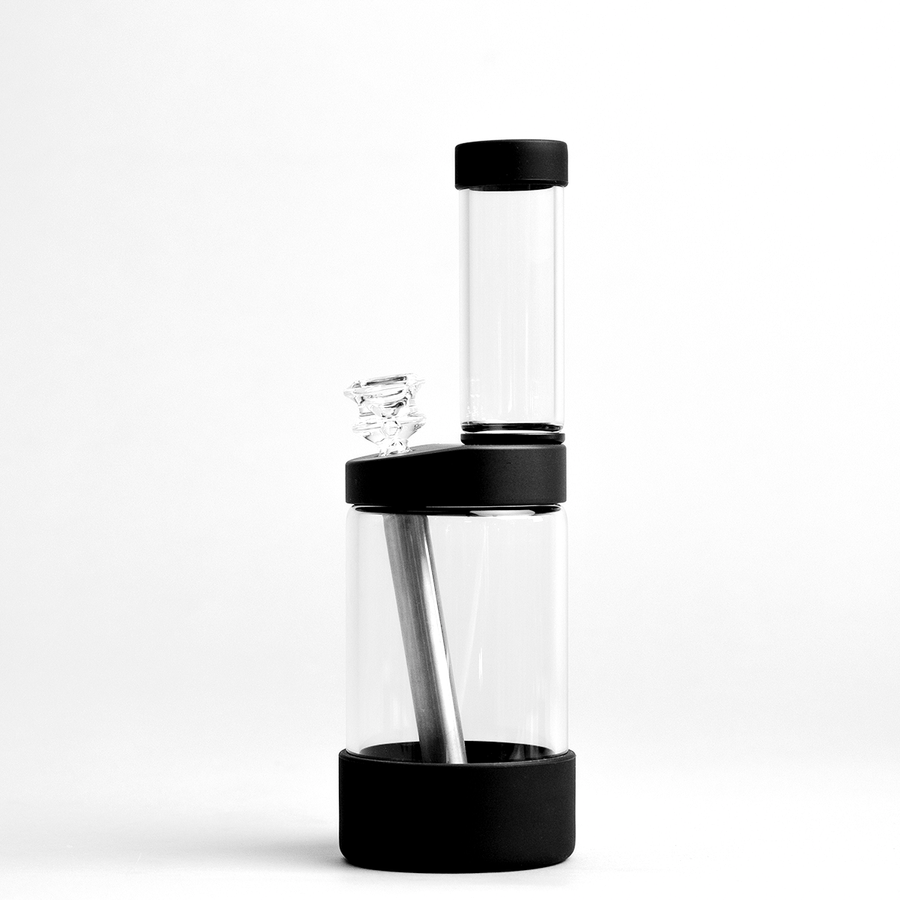
I absolutely love this bubbler. It’s made well, thick glass, works like a dream, and easy to clean. I love the flat base.
I HIGHLY Recommend
Sadly I broke my beloved beaker bong not long ago. Searching the internet I found Headshop and they had the perfect beaker bong! I love that it's borosilicate glass, for durability, and it's design is, I feel, the most efficient glass pipe out there, in terms of filtering tar, and providing a smooth enjoyable experience. Thumbs up!
Very comfortable weight and feel, paint is incredible, and best bit is how easy it is to clean! The inside gets icky as designed, so I use a blazing susan q tip and it cleans up so fast! Just need 1 and it's done! When the part the flower goes in gets to rough, a light soak as instructed and it cleans easy with a paper towel!
It’s great, so smooth.love the way the pieces have cutaway threads
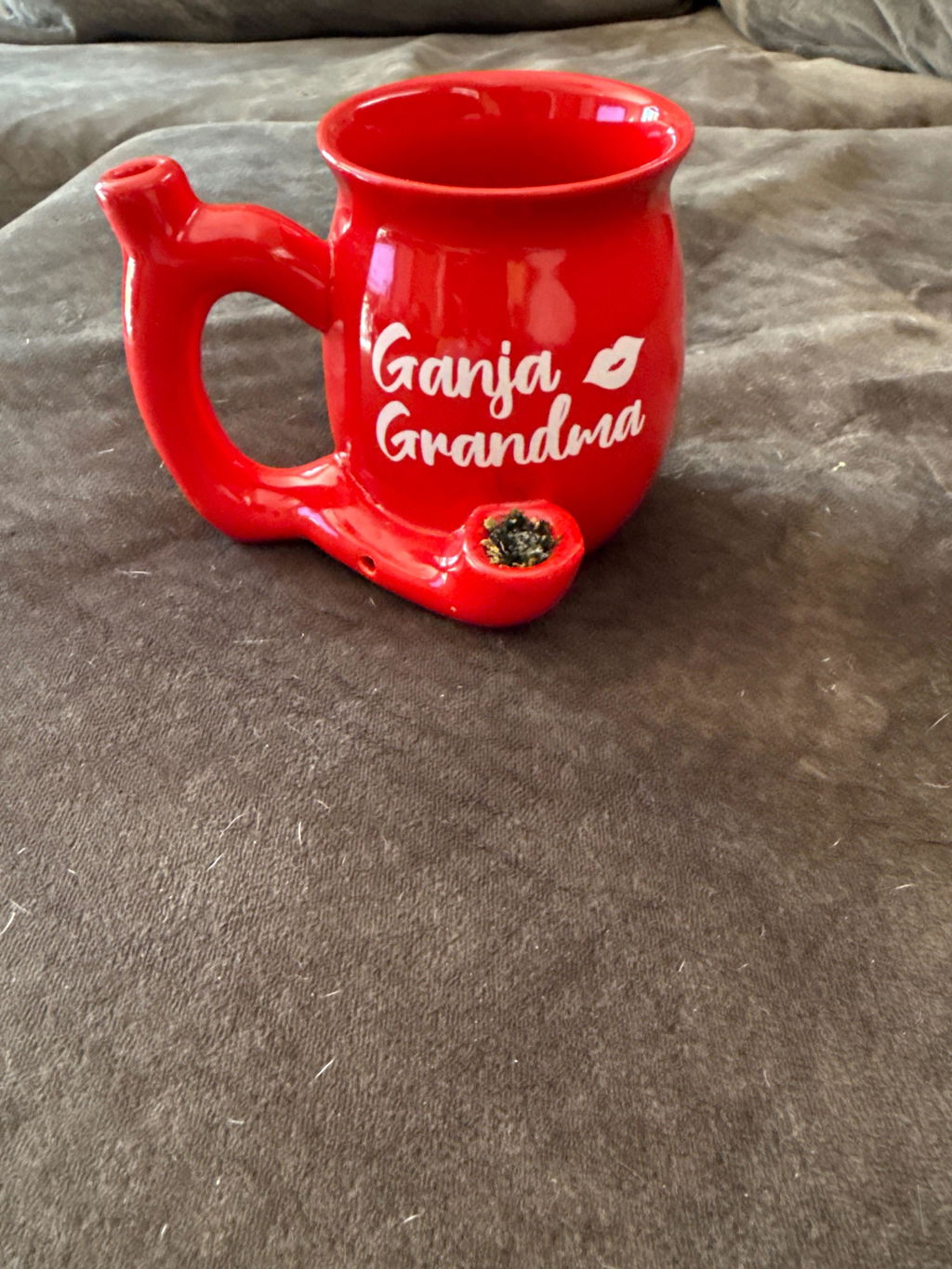
How cute is this… you take care of two tasks with one hand, a sip of your morning coffee and a big fat hit what could be better than that first thing in the a.m.
good service , items as advertised. load it up with ice and water and you have the coolest smoke. the only problem is the lid is hard to seal and the stem is glass, easy to break. i've been unable to find a replacement.
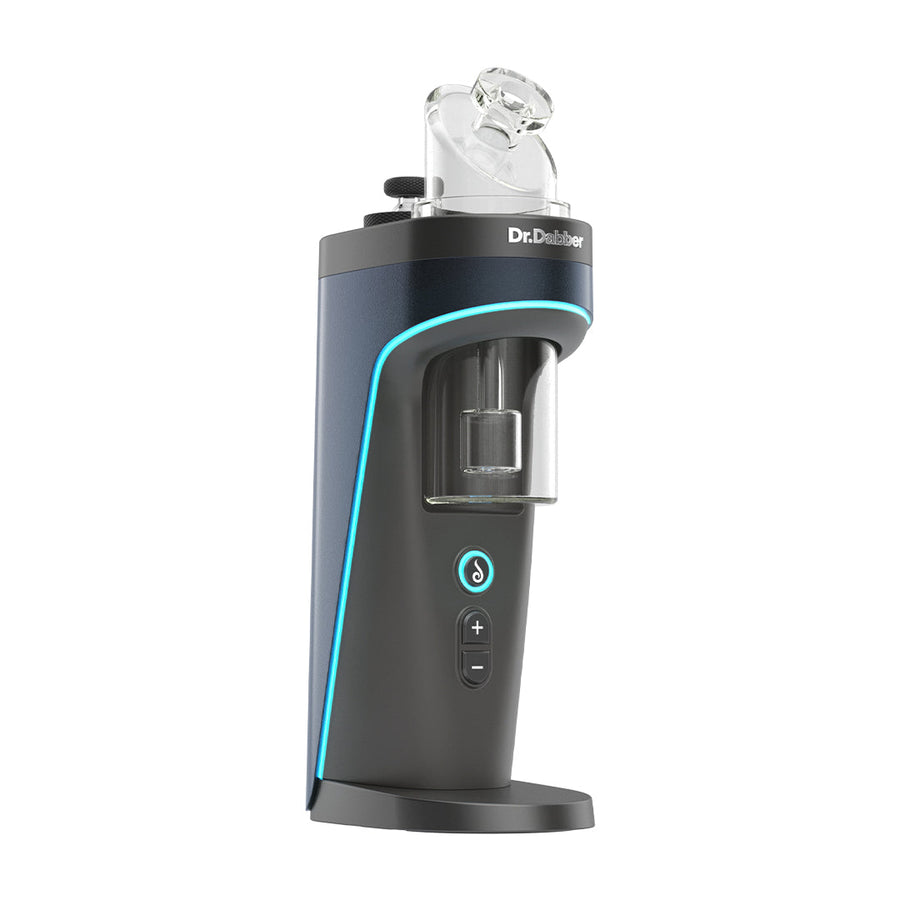
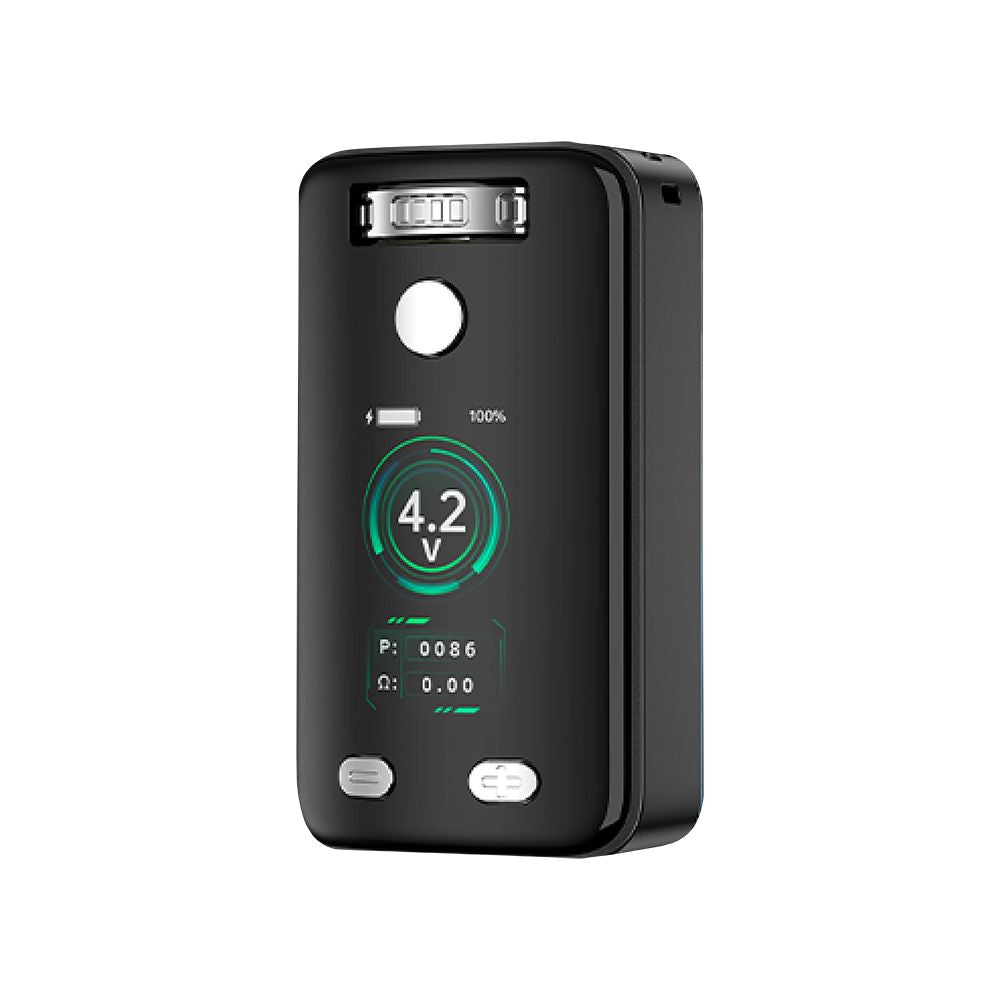
When I first got it, I was so disapointed,so plane Jane, just a dull all black box with a nipple to suck on.
But when I used it, things changed, it lit up into a colorful display! cool! Now I can get "stoned" at will & it feels so good!
\It's a good product, easy to use, very effective colorful eye candy.
The pipes ordered are very nice! They were packaged so carefully too. Very pleased.
Definitely holds heat longer than the cap that comes with the Hyderdyn.
Great toy-works as advertised










![Vessel Pipe [Maritime]](https://cdn.shopify.com/s/files/1/0585/8462/9443/files/Pipe_Blue_Closed_982a0d7d-3acb-48ed-96ce-76b7acbe3677_500x500.jpg?v=1744306295)