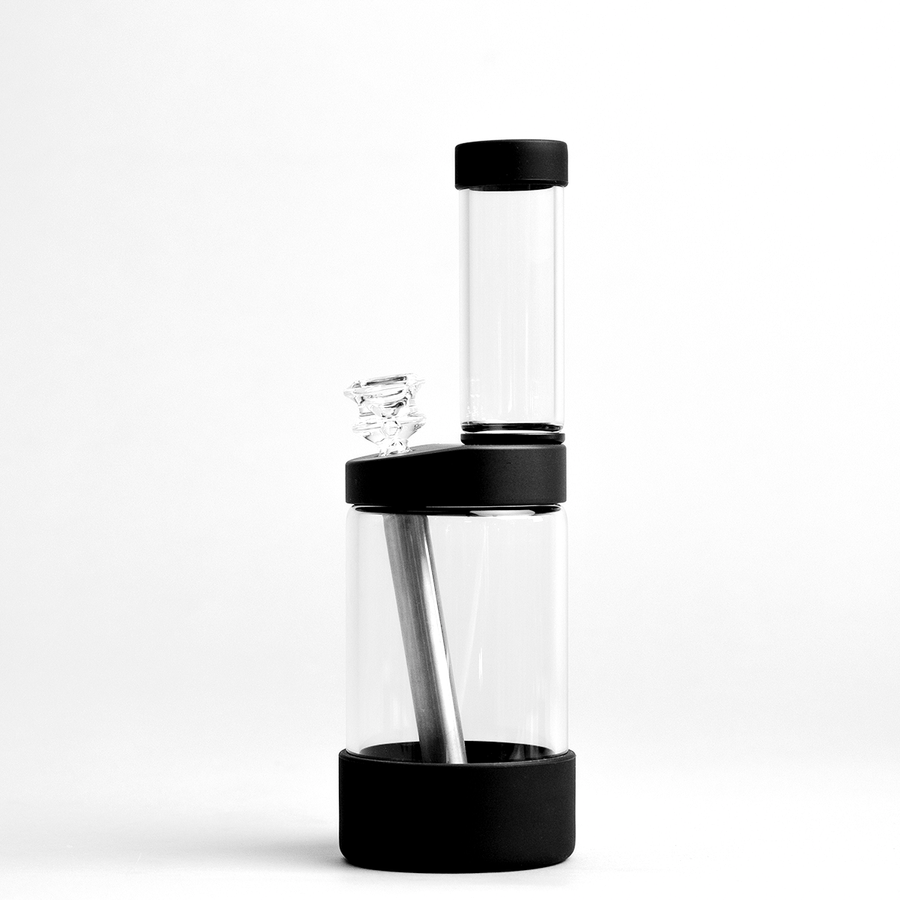
![Pipe by Vessel [Gunmetal] - Headshop.com](http://www.headshop.com/cdn/shop/files/Pipe_Gunmetal_Angle.jpg?v=1744306453&width=900)
![Pipe by Vessel [Gunmetal] - Headshop.com](http://www.headshop.com/cdn/shop/files/Pipe_Gunmetal_Closed.jpg?v=1744306456&width=1000)


THC Tinctures
0 products

0 products
Welcome to the ultimate guide for THC tinctures, where we dive deep into everything you need to know about these potent, fast-acting cannabis extracts. Whether you're a seasoned connoisseur or exploring new consumption methods, THC tinctures offer a discreet, precise, and efficient way to experience the effects of THC.
When it comes to THC tinctures, quality and purity are paramount. Our carefully curated collection features only the finest extracts from reputable brands, ensuring you get a consistent, potent product every time. Unlike edibles or smoking, tinctures offer sublingual absorption, meaning they enter your bloodstream quickly for fast onset of effects—typically within 15-45 minutes. This makes them ideal for those seeking immediate relief from pain, anxiety, or insomnia. Plus, with precise dropper measurements, you can easily customize your dosage down to the milligram. Whether you prefer full-spectrum extracts with a rich cannabinoid profile or isolated THC for maximum potency, we have options to suit every preference. Our commitment to third-party lab testing means every bottle is verified for purity and potency, so you can shop with confidence. Explore our exclusive selection and discover why THC tinctures are a favorite among experienced users.
THC tinctures are liquid cannabis extracts made by soaking high-THC cannabis flowers or concentrates in alcohol or a carrier oil like MCT (medium-chain triglyceride) oil. This process extracts the cannabinoids, terpenes, and other beneficial compounds from the plant material, resulting in a concentrated liquid that can be administered under the tongue (sublingually) or added to food and drinks. The science behind tinctures lies in their bioavailability. When placed under the tongue, the THC is absorbed directly into the sublingual gland and enters the bloodstream through the mucous membranes, bypassing the digestive system and liver metabolism. This leads to faster onset and higher bioavailability compared to edibles, which must be processed by the liver. The effects of a THC tincture can be felt within 15-45 minutes and typically last 2-4 hours, making them ideal for those who want controlled, predictable effects. The extraction process can vary: traditional methods use high-proof alcohol (ethanol) to strip cannabinoids, while modern techniques often use CO2 extraction to create a more refined oil that is then mixed with a carrier. The final product is a potent, shelf-stable liquid that can be precisely dosed. Full-spectrum tinctures contain a wide range of cannabinoids and terpenes, potentially offering the entourage effect—a synergistic interaction that enhances therapeutic benefits. Understanding the science helps you choose the right tincture for your needs, whether you seek potent psychoactive effects or a more balanced experience.
THC tinctures come in various formulations to suit different preferences and tolerance levels. Here are the main types:
Other variations include flavored tinctures (mint, citrus) for better taste, and even custom blends with added terpenes for specific effects (e.g., lavender for relaxation, limonene for focus).
Expand your cannabis experience with our related collections. For those interested in non-psychoactive wellness, explore our CBD Tinctures, which offer similar convenience without the high. If you prefer inhalation, check out our Vape Pens and Dab & Wax Pens for potent, instant effects. For dry herb enthusiasts, our Vaporizers provide a clean, flavorful experience. Want to craft your own edibles? Our DIY Edible Making Products include tools and ingredients for homemade treats. Round out your wellness routine with our Wellness and Sleep Aids collections, featuring tinctures and other products tailored for relaxation and restful sleep.
High-quality THC tinctures start with premium cannabis. The best tinctures use organically grown, pesticide-free hemp or cannabis rich in THC. Extraction methods greatly influence the final product's purity and potency. The most common methods include:
Sourcing: Look for brands that prioritize sustainable farming and third-party lab testing. Reputable manufacturers provide Certificates of Analysis (COAs) verifying cannabinoid content and absence of contaminants like heavy metals, pesticides, and solvents. Our collection features brands that meet these rigorous standards.
THC tinctures offer a range of potential benefits, especially for experienced users seeking fast-acting relief. Common effects and benefits include:
Note that effects vary by dose, individual tolerance, and product chemistry. Start low and go slow to find your optimal dose.
Choosing the right THC tincture can be overwhelming with so many options. Here's a step-by-step guide:
At our shop, we simplify this by curating only top-tier tinctures from trusted brands. Use the filters on our collection page to narrow down by potency, type, and price.
Using THC tincture correctly maximizes its benefits. Here's a step-by-step guide:
For an alternative method, tinctures can be added to food or beverages, but this delays onset and reduces bioavailability. Sublingual use is preferred for quick effects.
When used sublingually, effects can begin within 15-45 minutes. However, this can vary based on metabolism, body weight, and the specific product. If you swallow the tincture, effects may take longer (30-90 minutes) as it passes through the digestive system.
Tinctures offer faster onset because they are absorbed sublingually, bypassing the liver. Edibles must be metabolized by the liver, leading to a delay of 30-90 minutes and often producing more intense, longer-lasting effects due to the conversion of THC to 11-hydroxy-THC. Tinctures also allow more precise dosing compared to many homemade edibles.
Yes, many users find THC tinctures helpful for insomnia. The recommended dose for sleep is typically higher than for daytime use, but start low to avoid overintoxication. Look for tinctures with added CBN or indica-dominant strains for sedating effects. Check our Sleep Aids collection for specialized products.
For new users, we recommend starting with 2.5-5mg of THC (roughly 0.25-0.5 ml of a 10mg/ml tincture). Wait at least 45 minutes before considering an additional dose. Experienced users may start at 10-15mg. Always follow the product's labeling and your own tolerance.
Legality depends on your jurisdiction. Hemp-derived THC tinctures (with delta-9 THC ≤0.3% by dry weight) are legal under federal law in the US, but many states have restrictions. Marijuana-derived tinctures (higher THC) are legal only in states with adult-use or medical programs. Always verify local laws before purchasing.
We strongly advise consulting a healthcare professional before combining THC tinctures with prescription medications, especially those metabolized by the liver (like anticoagulants, antidepressants, etc.). THC can interact with these drugs, potentially altering their effects. Also, avoid alcohol and other depressants when using high doses of THC.
Store tinctures in a cool, dark place, away from heat and direct sunlight. A medicine cabinet or kitchen pantry works well. Avoid freezing, as it can alter the oil's consistency. Always keep the bottle tightly sealed to prevent oxidation. Most tinctures are shelf-stable for 1-2 years.
Great products and Great Service. I highly recommend this company. You won’t be disappointed!!
I’ve ordered from here numerous times always 100% satisfied whatever you’re smoking preference they have everything you need and the price are on point.and if by chance that happens to be a problem the customer service department is prompt to reply, so nothing negative to say.
Great glass, it holds the heat very well.
This little magical device has changed the way I consume. No more smoke. Efficient and clean.
I'm a huge fan.
Product is Awesome
I absolutely love this bubbler. It’s made well, thick glass, works like a dream, and easy to clean. I love the flat base.
I HIGHLY Recommend
Sadly I broke my beloved beaker bong not long ago. Searching the internet I found Headshop and they had the perfect beaker bong! I love that it's borosilicate glass, for durability, and it's design is, I feel, the most efficient glass pipe out there, in terms of filtering tar, and providing a smooth enjoyable experience. Thumbs up!
Very comfortable weight and feel, paint is incredible, and best bit is how easy it is to clean! The inside gets icky as designed, so I use a blazing susan q tip and it cleans up so fast! Just need 1 and it's done! When the part the flower goes in gets to rough, a light soak as instructed and it cleans easy with a paper towel!
It’s great, so smooth.love the way the pieces have cutaway threads
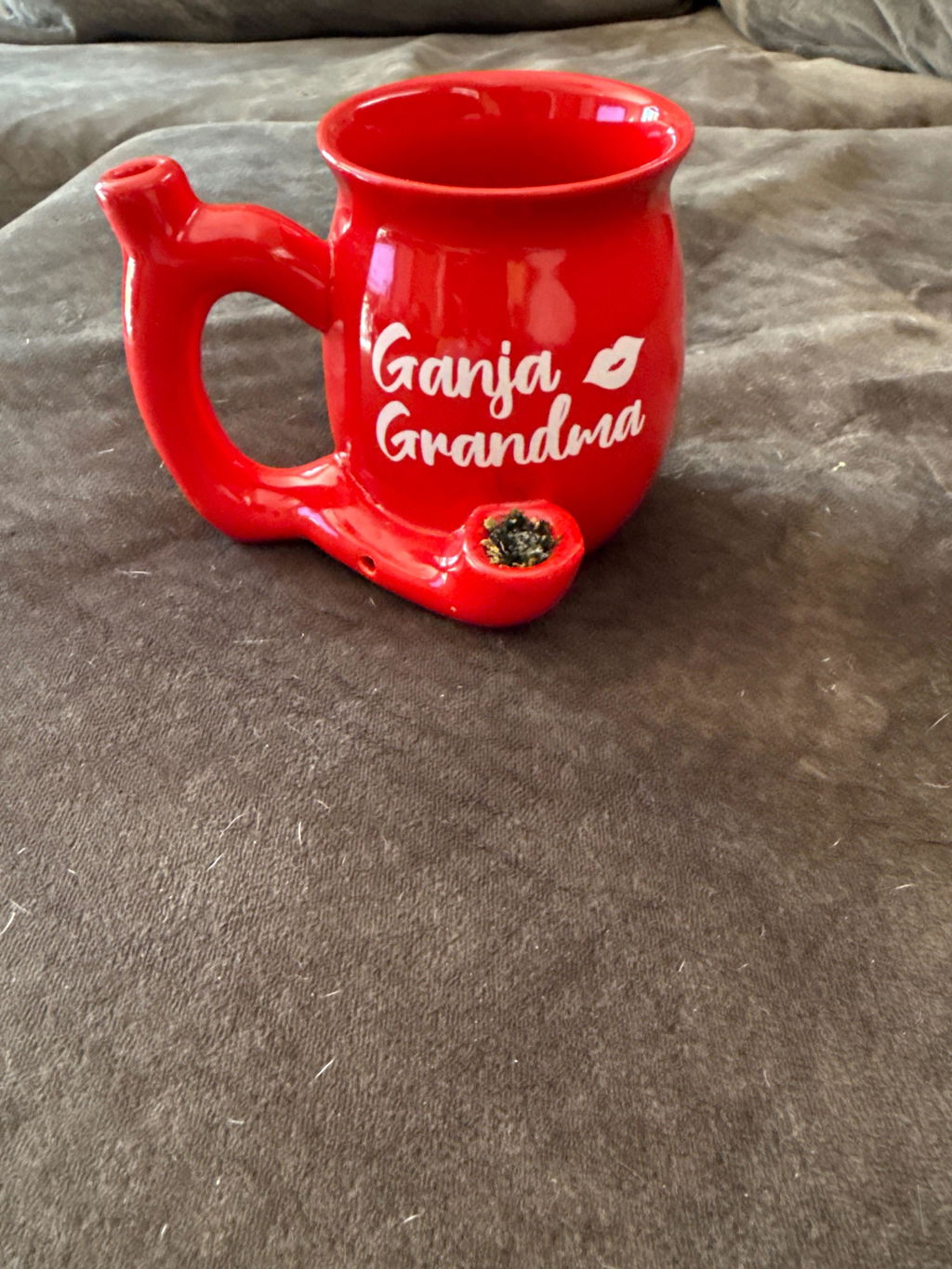
How cute is this… you take care of two tasks with one hand, a sip of your morning coffee and a big fat hit what could be better than that first thing in the a.m.
good service , items as advertised. load it up with ice and water and you have the coolest smoke. the only problem is the lid is hard to seal and the stem is glass, easy to break. i've been unable to find a replacement.
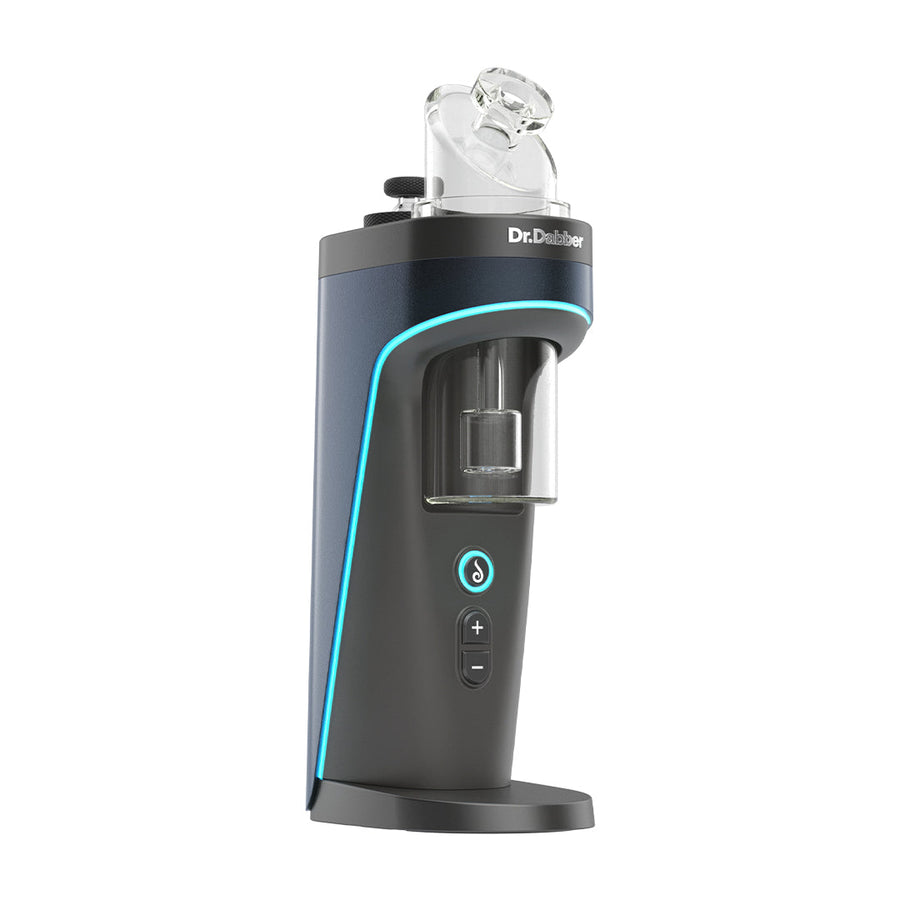
When I first got it, I was so disapointed,so plane Jane, just a dull all black box with a nipple to suck on.
But when I used it, things changed, it lit up into a colorful display! cool! Now I can get "stoned" at will & it feels so good!
\It's a good product, easy to use, very effective colorful eye candy.
The pipes ordered are very nice! They were packaged so carefully too. Very pleased.
Definitely holds heat longer than the cap that comes with the Hyderdyn.
Great toy-works as advertised




![Vessel Pipe [Maritime]](https://cdn.shopify.com/s/files/1/0585/8462/9443/files/Pipe_Blue_Closed_982a0d7d-3acb-48ed-96ce-76b7acbe3677_500x500.jpg?v=1744306295)