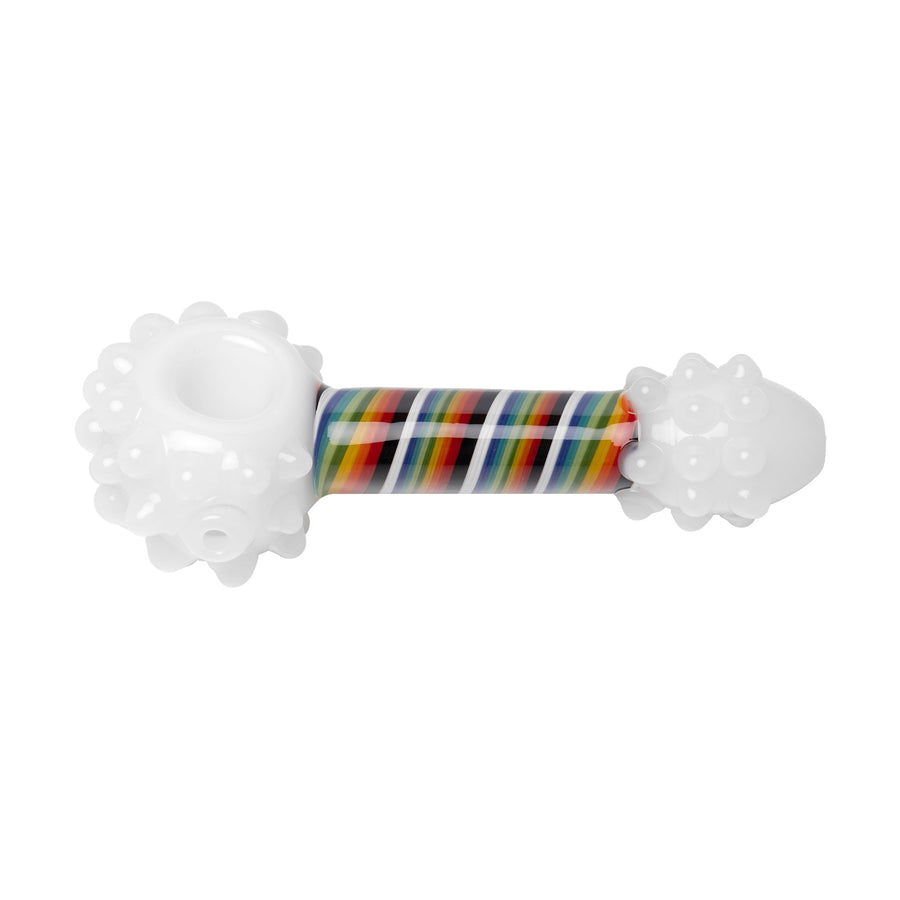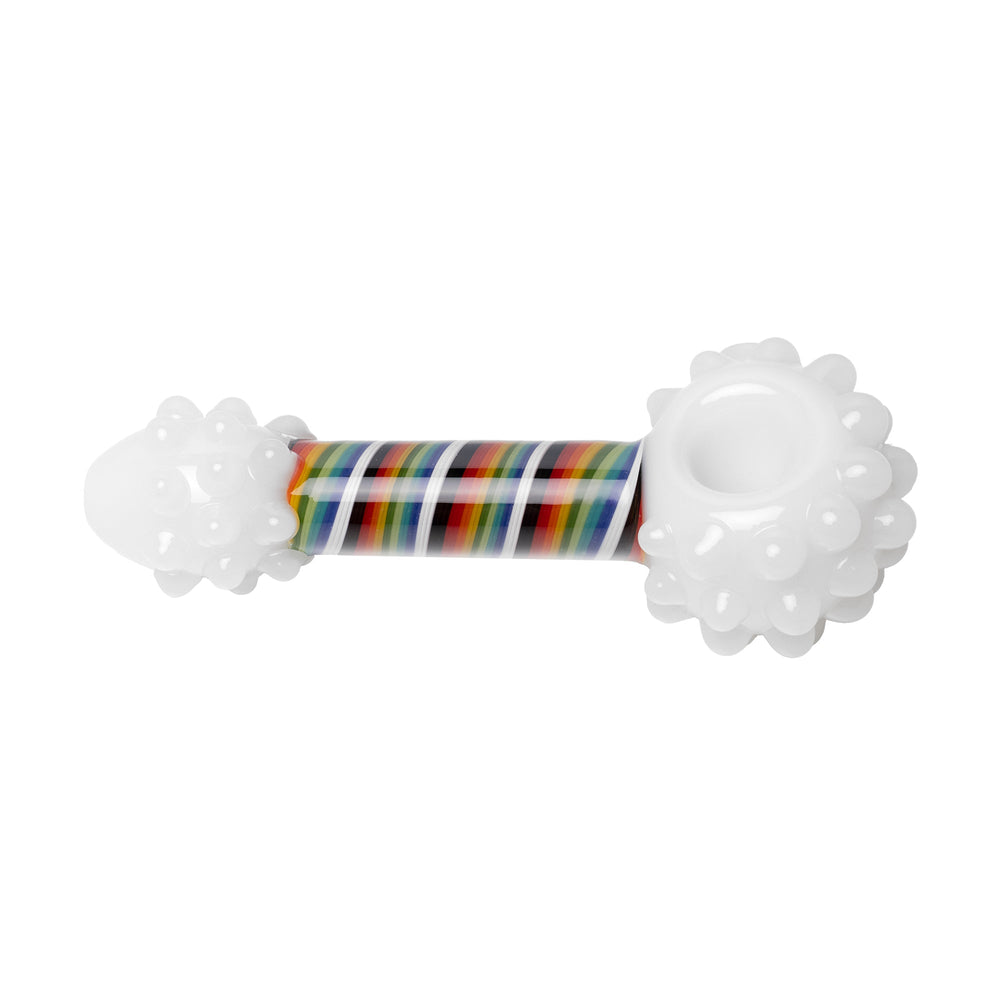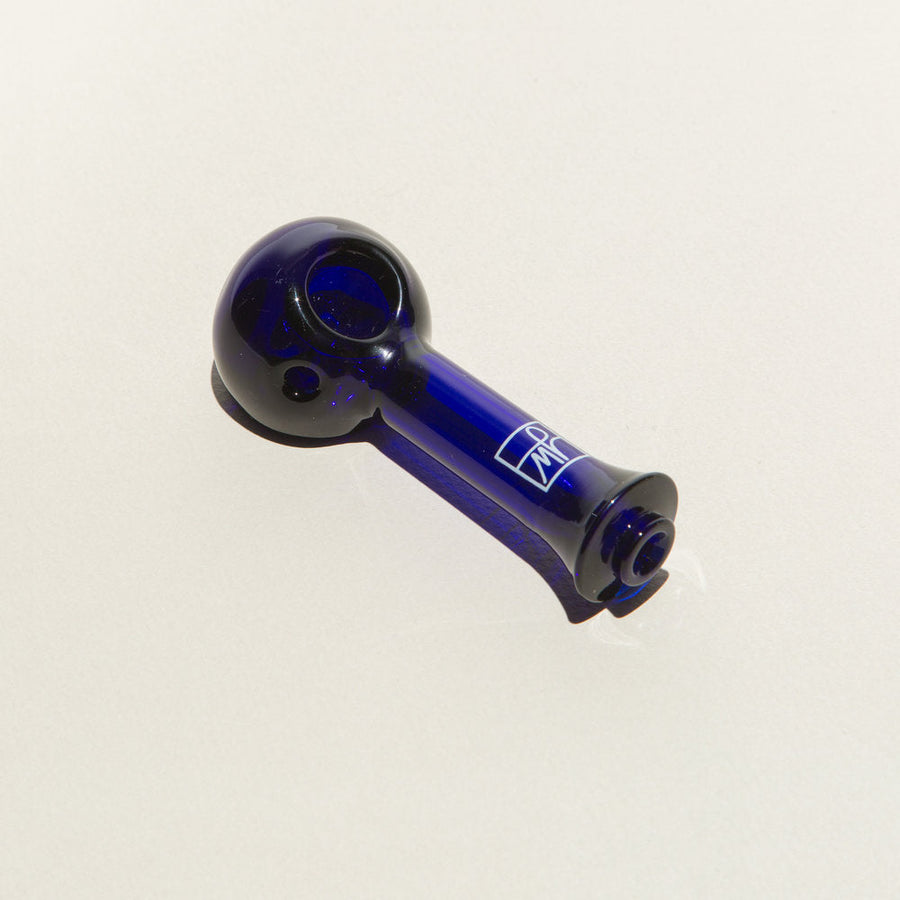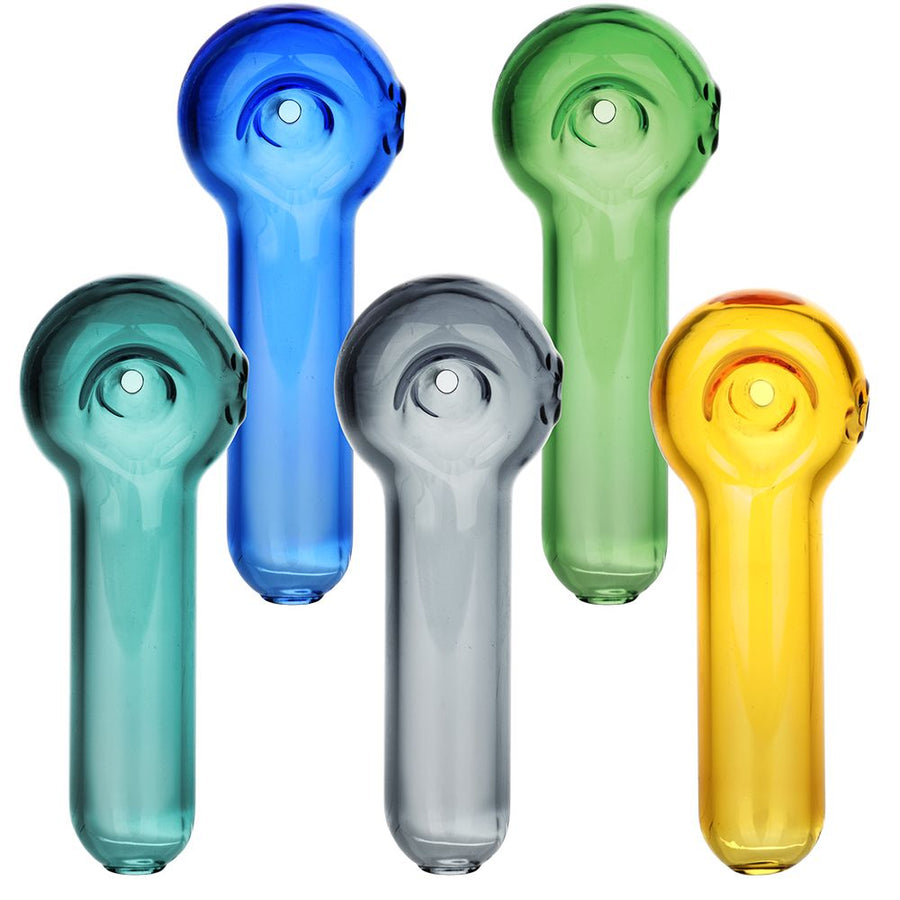
![Vessel Helix Pipe [Copper] - Headshop.com](http://www.headshop.com/cdn/shop/files/ad3c0443-b76d-4fe5-84b8-a617dd50a950.jpg?v=1747419387&width=900)
![Vessel Helix Pipe [Copper] - Headshop.com](http://www.headshop.com/cdn/shop/files/7b0e06e3-9106-4684-80e4-408362c34085.jpg?v=1747419388&width=1000)
![Vessel Vista Edge [Cobalt] + - Headshop.com](http://www.headshop.com/cdn/shop/files/eeb7d469-ad7e-4a94-9f1b-14e53e558723.jpg?v=1717696904&width=900)
![Vessel Vista Edge [Cobalt] + - Headshop.com](http://www.headshop.com/cdn/shop/files/89f3c547-10cd-4f66-87e2-953d85ddf7b5.jpg?v=1717696907&width=1000)
![Vessel Drift Case [Olive] - Headshop.com](http://www.headshop.com/cdn/shop/files/bcf30faf-8c6e-478d-a317-2a580dba197e.jpg?v=1768365177&width=900)
![Vessel Drift Case [Olive] - Headshop.com](http://www.headshop.com/cdn/shop/files/b91ca13e-53ae-40ff-963a-43ba10195212.jpg?v=1768365178&width=1000)
Spoon Pipes
119 products
Free Shipping 🌿 On Orders Over $100
Spend $100 Save 20% 🔥Father's Day Sale
Free Shipping 🌿 On Orders Over $100
Free Shipping 🌿 On Orders Over $100
119 products
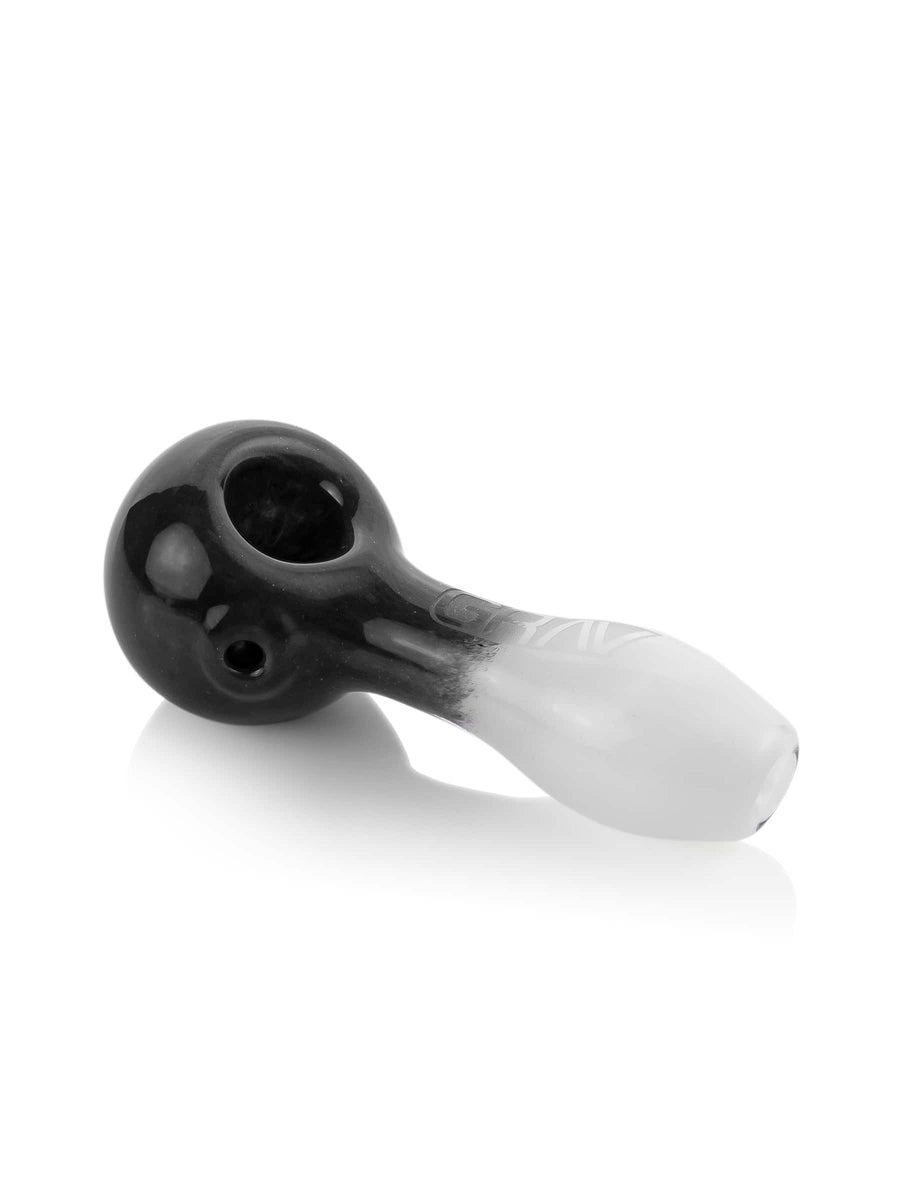
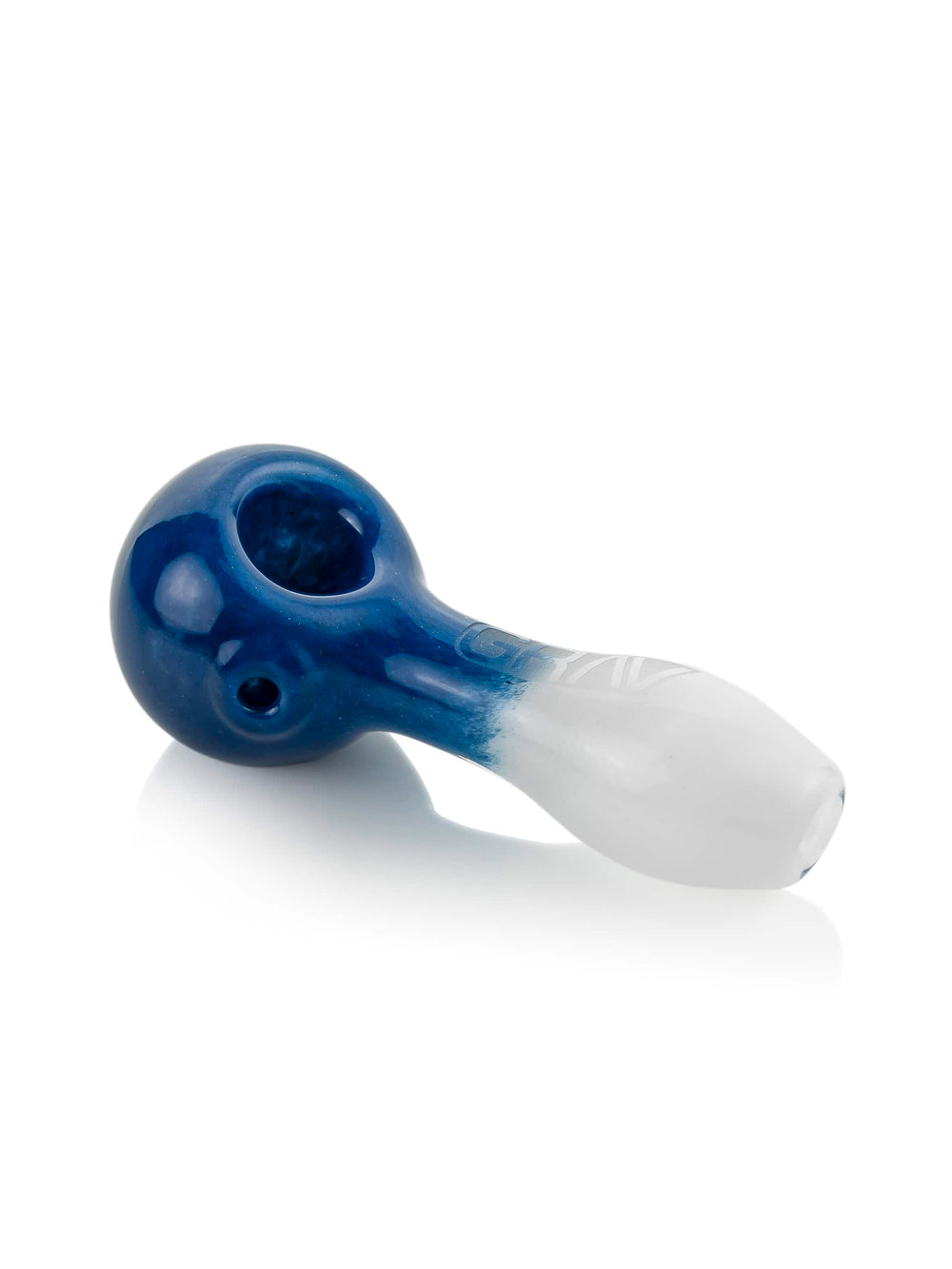
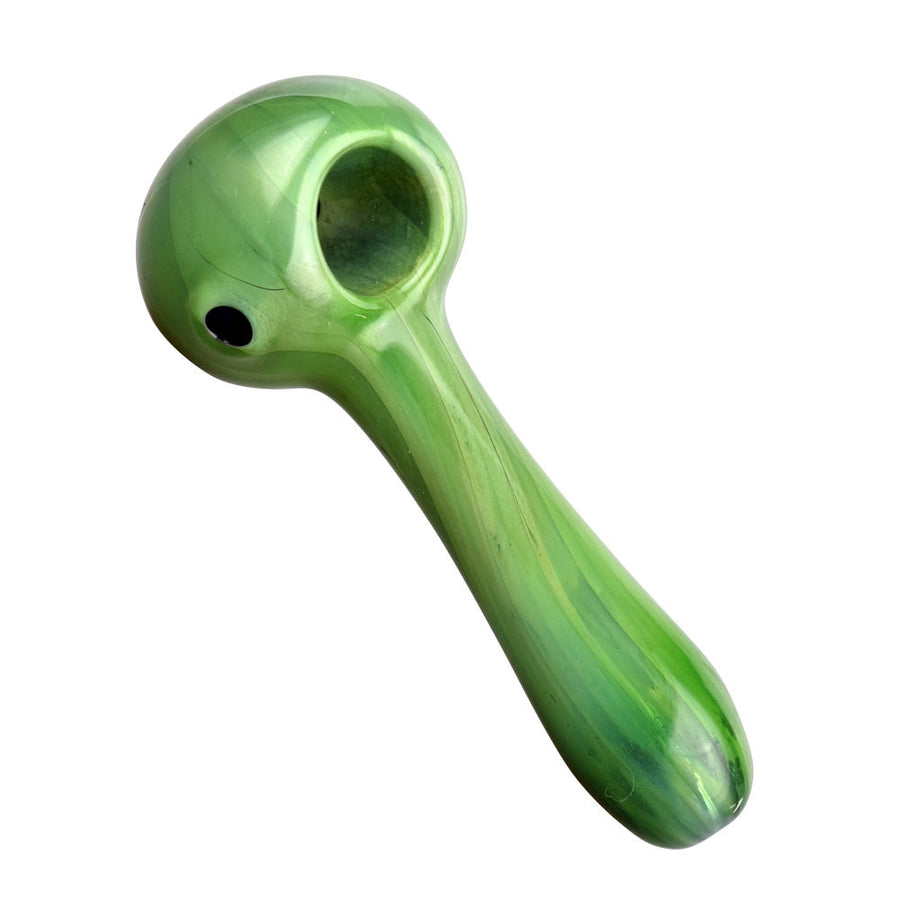
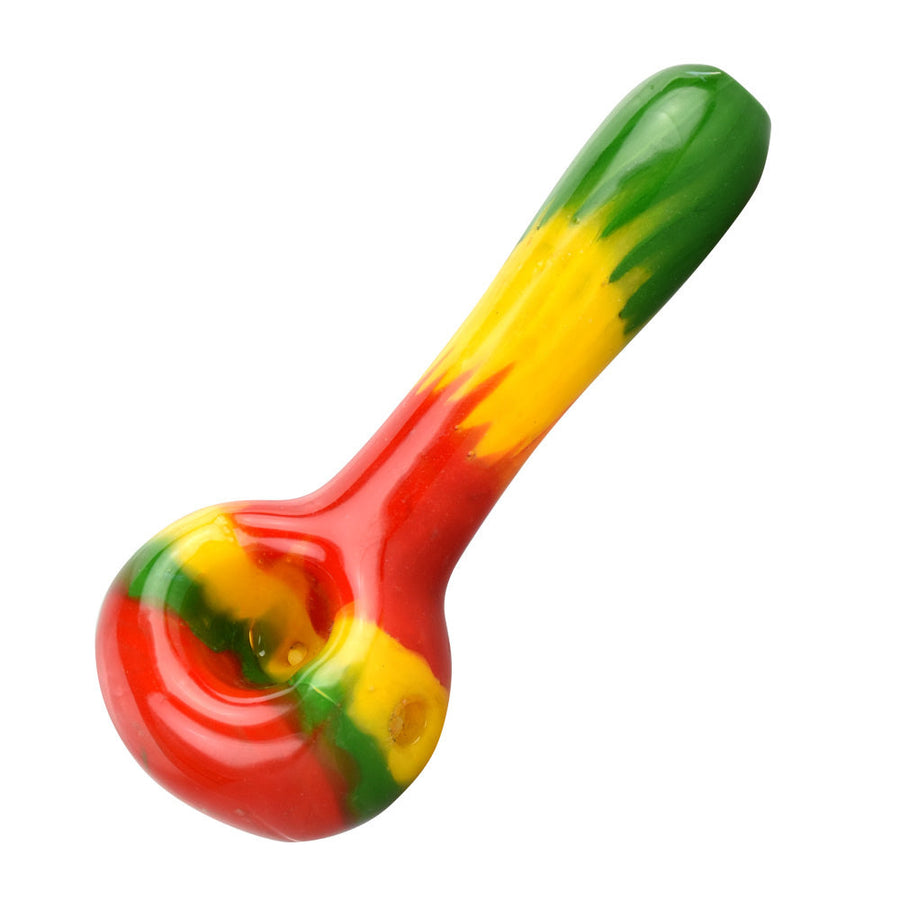
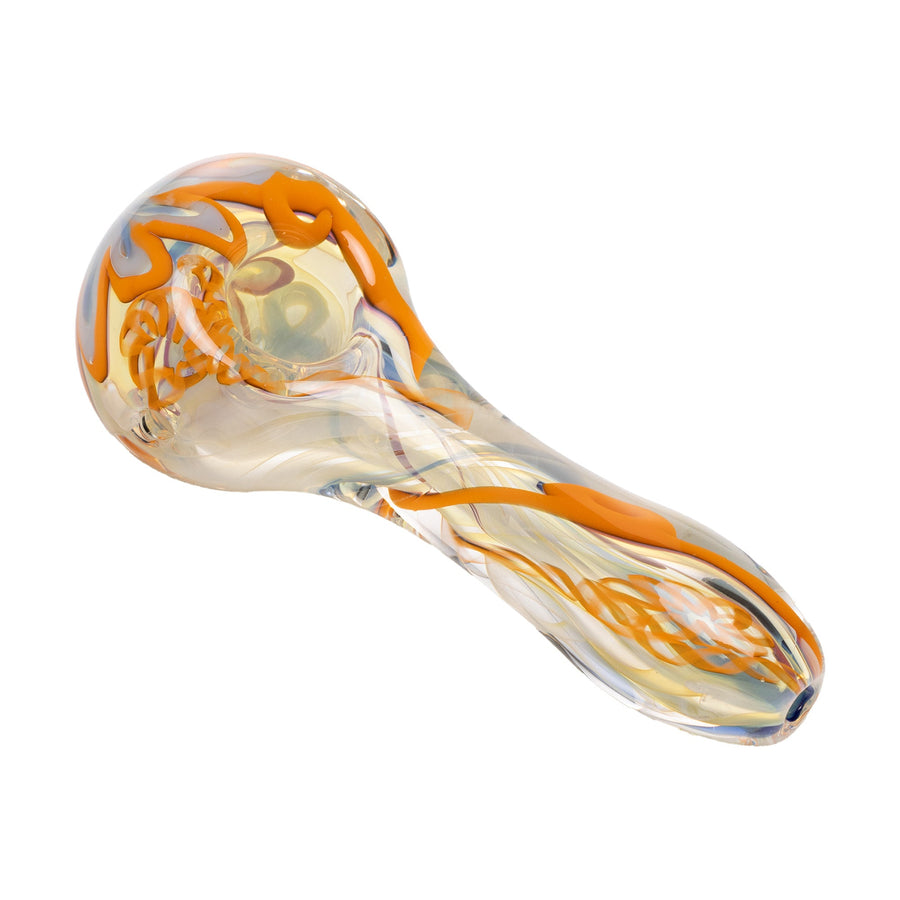
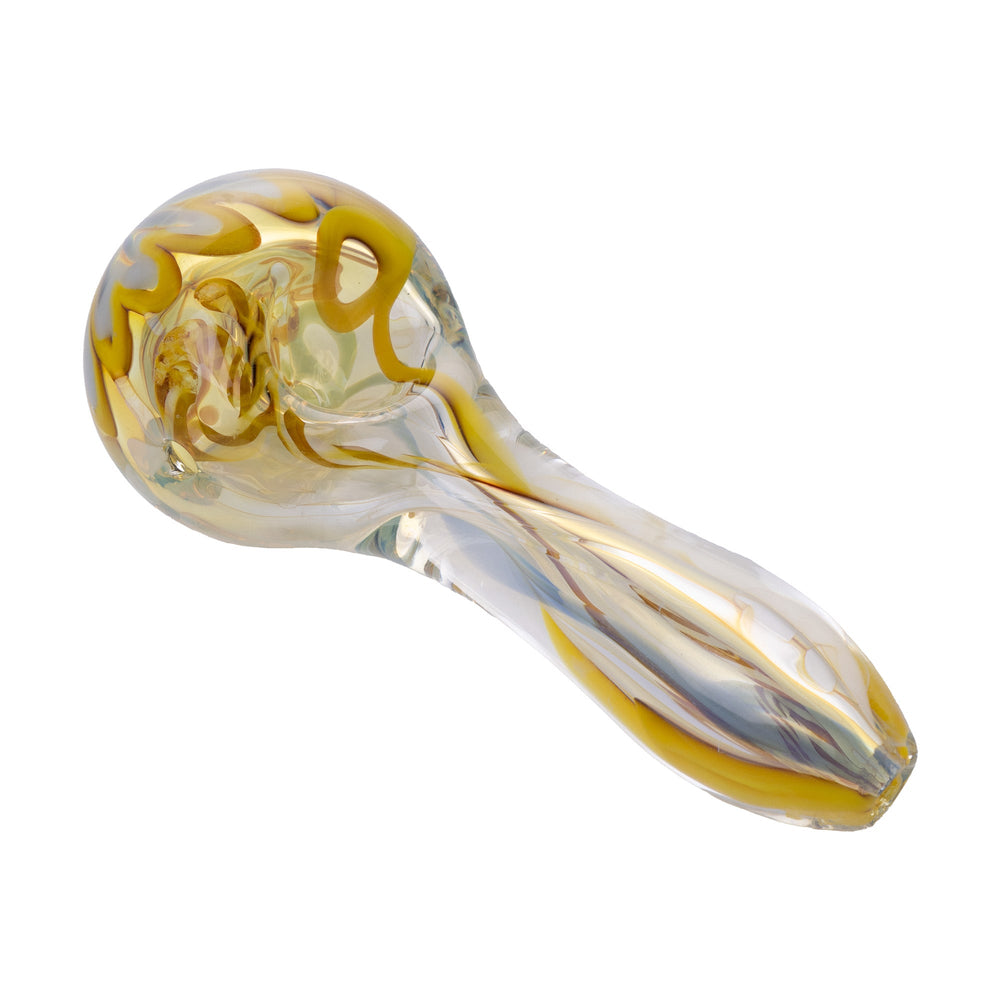
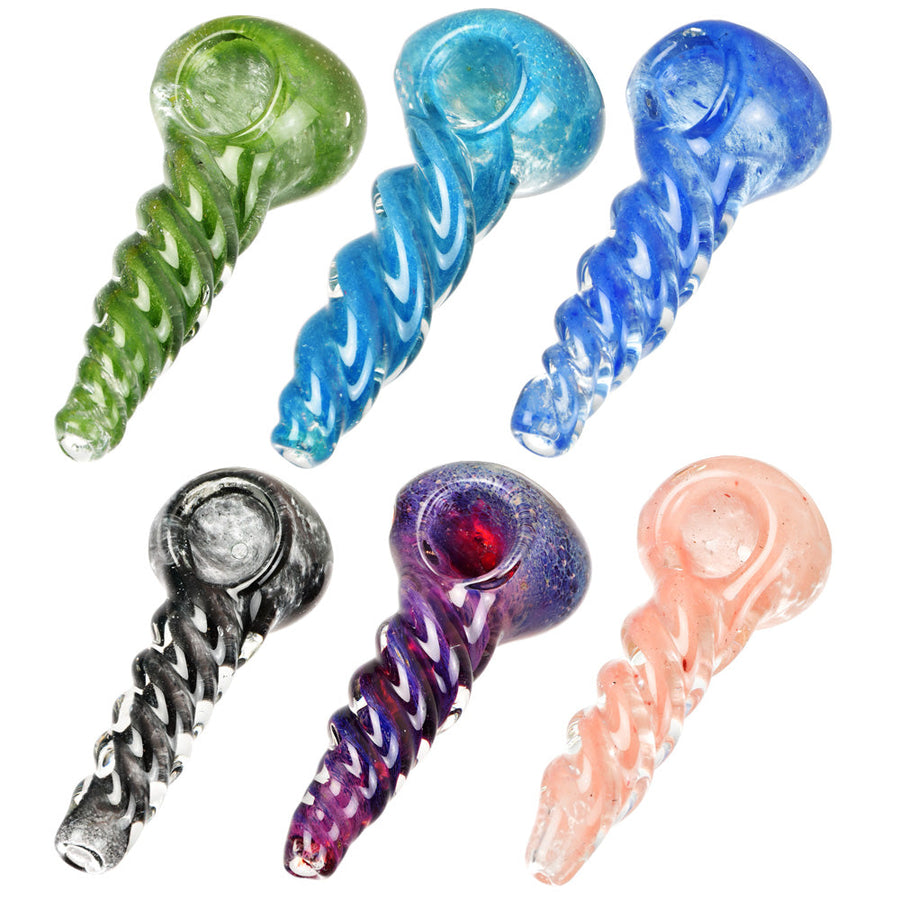
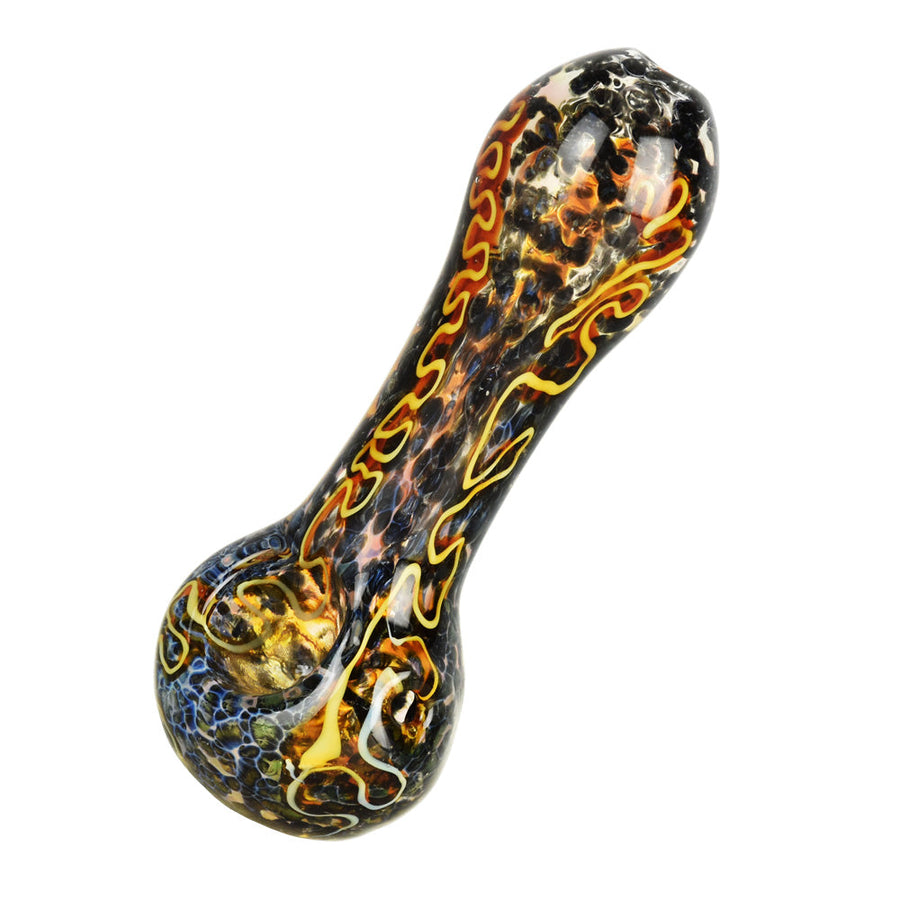
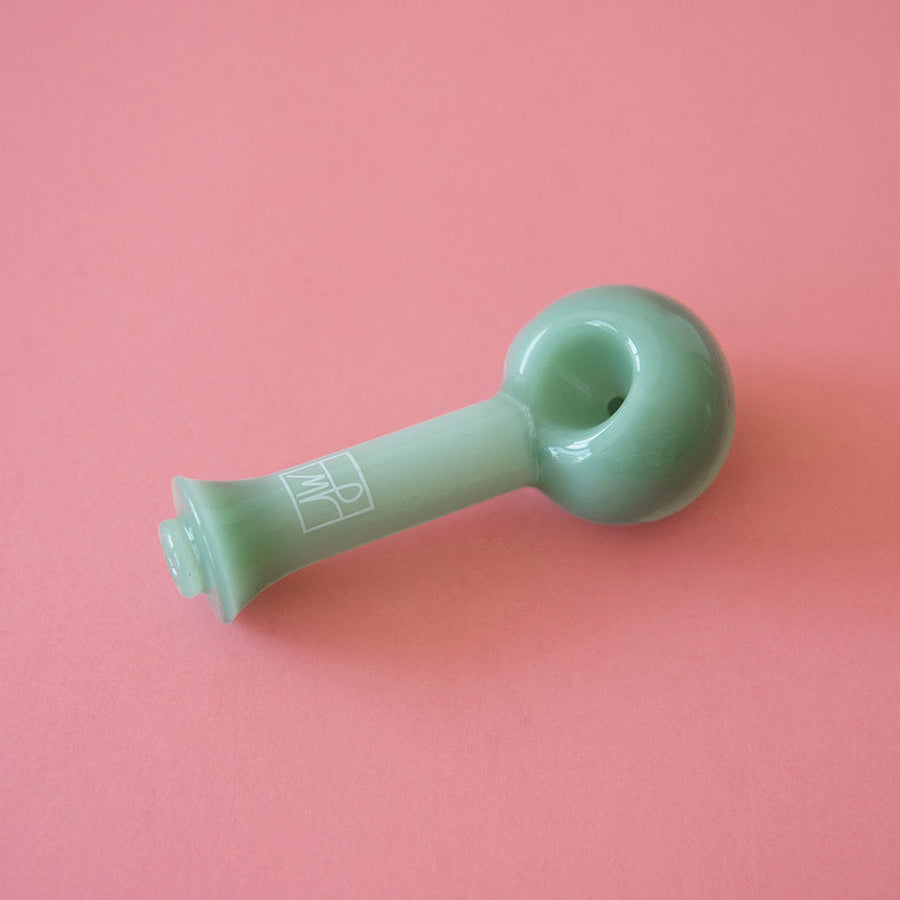
Spoon pipes do one thing exceptionally well: deliver a clean, controlled hit in a pocket-sized package, and we carry every style, material, and color worth owning.
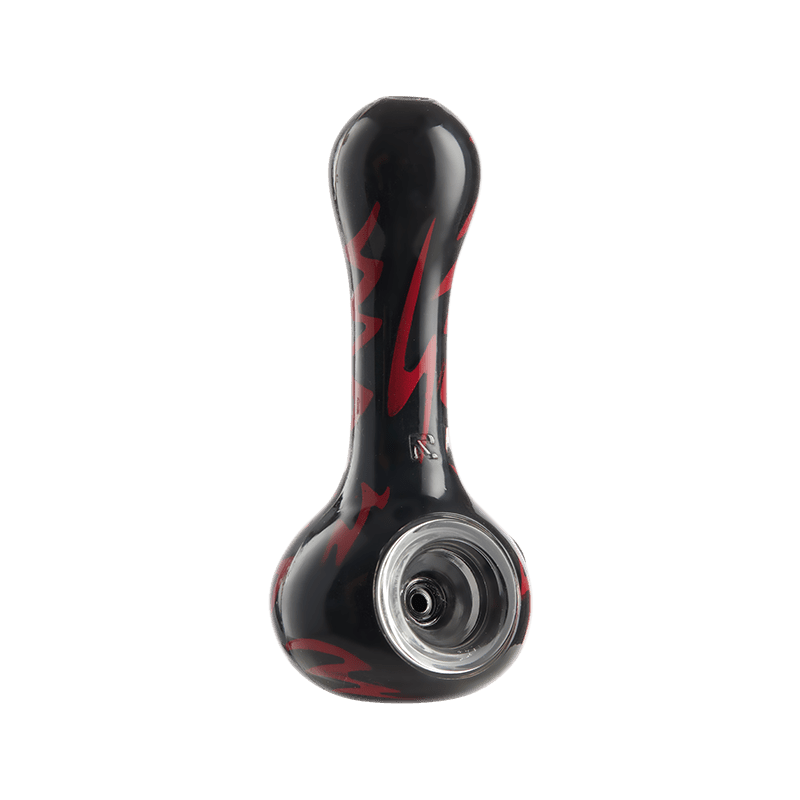
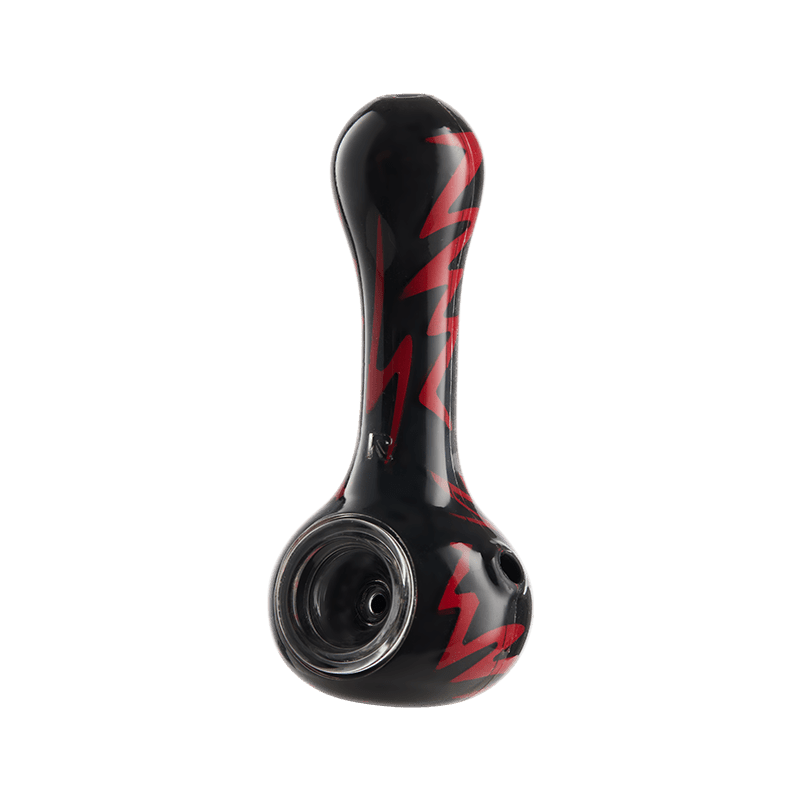
The shape has barely changed in decades because it works. A spoon pipe puts the bowl, the carb, and the mouthpiece in exactly the right spots for intuitive, single-handed use. Pack the bowl, cover the carb with your thumb, light, and release. That's the whole ritual. No water, no torch, no assembly. Just your herb and a piece you can take anywhere.
They're also the easiest pipes to learn on and the hardest to outgrow. Experienced smokers keep at least one in rotation for its simplicity. Browse our full smoking pipes collection if you want to see how spoons stack up against the rest of the lineup.
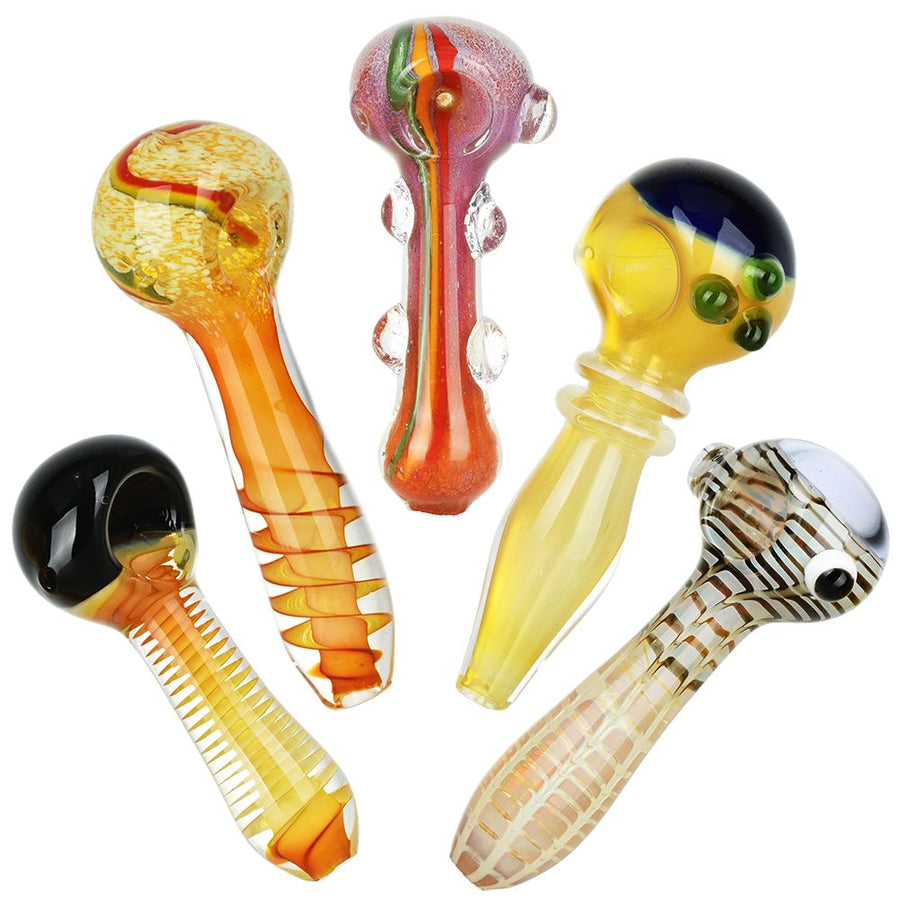
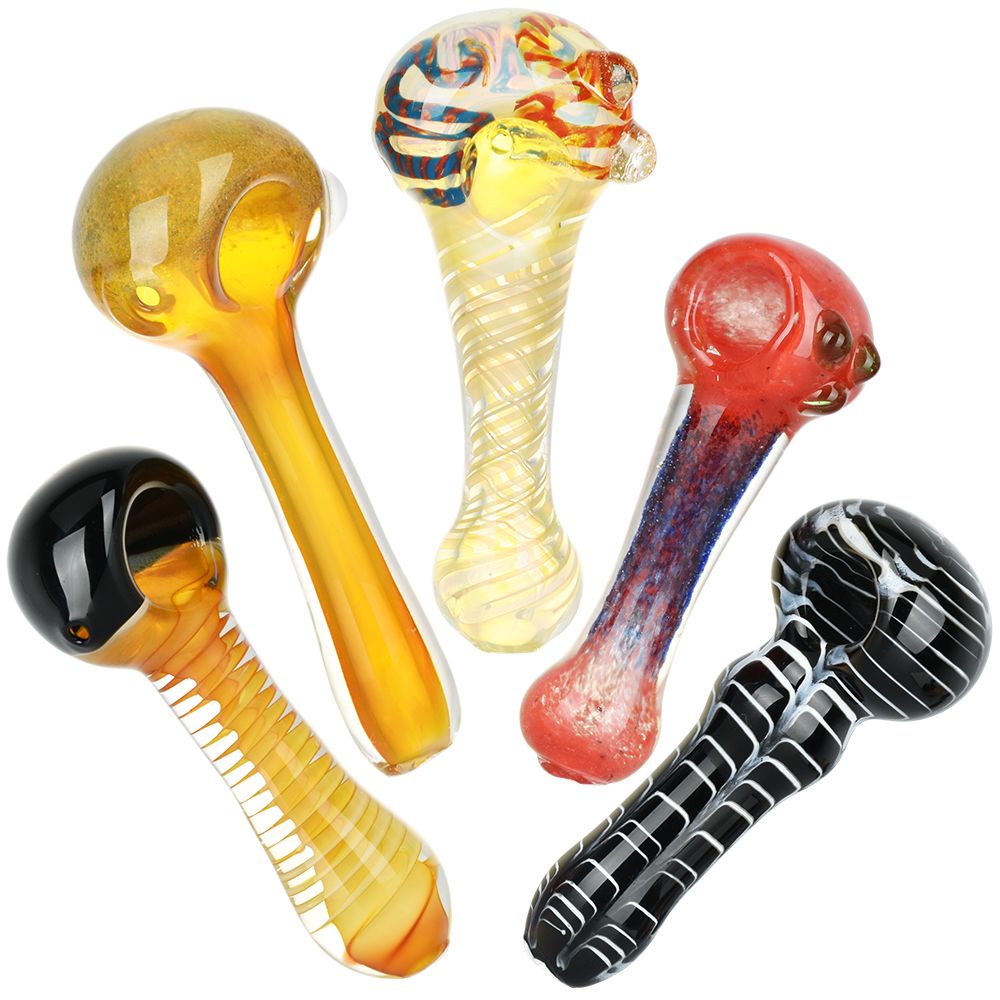
Borosilicate glass is the default for a reason. It doesn't hold odors, it doesn't affect flavor, and it lets you see exactly how dirty your pipe is getting so you know when to clean it. Glass spoon pipes range from simple, clear tubes to thick, sculpted pieces with swirling color work. If taste is your priority, glass is your material.
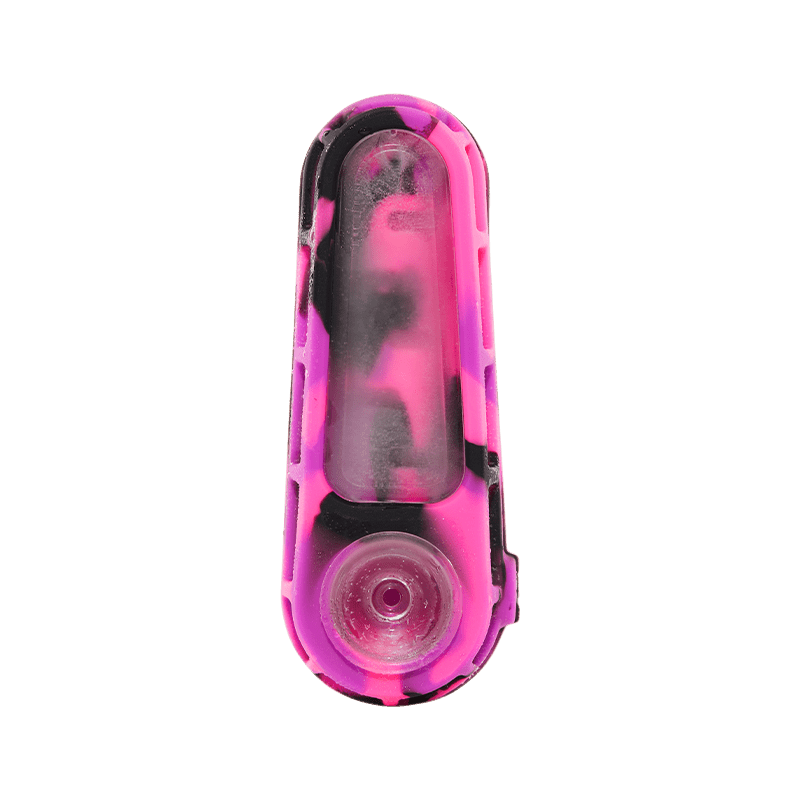
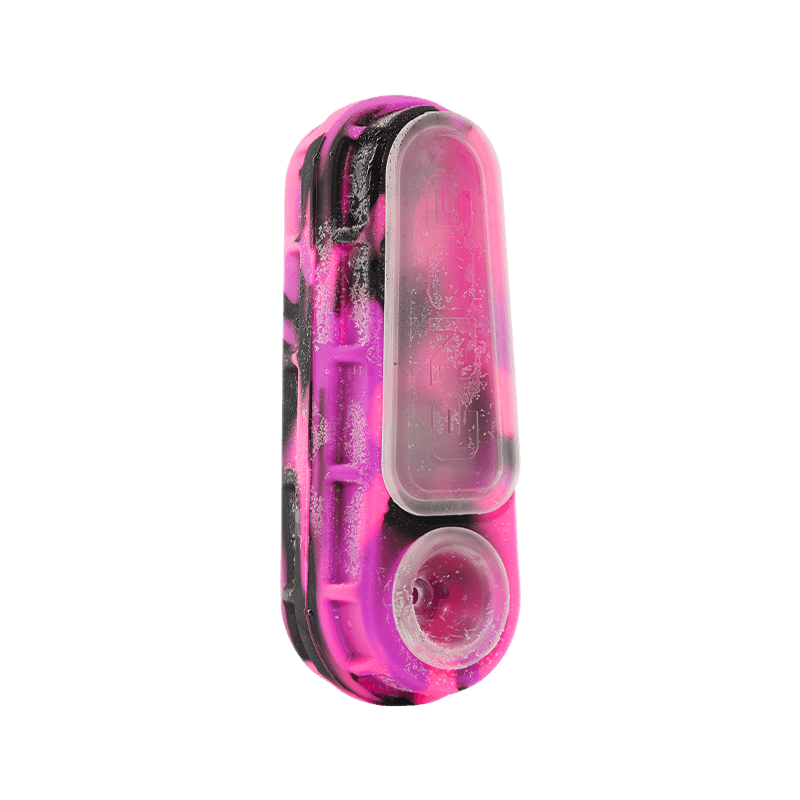
Silicone is the pick for people who drop things. It's nearly indestructible, easy to pull apart and clean, and lightweight enough that losing one in a bag feels like losing a pen. The tradeoff is a slightly different draw compared to glass, but most smokers find it negligible. Check out our handheld pipes section for more durable options built for active use.
Quartz runs hotter and cleaner than borosilicate glass, which makes it a favorite for smokers who are particular about flavor. Ceramic offers a more artisan feel, often with glazed finishes that turn a functional pipe into something closer to a collectible. Our quartz pipes and ceramic pipes collections have dedicated selections if either material is calling your name.
Size matters more than most people admit. A mini spoon pipe disappears into a jacket pocket and works great for solo sessions or microdosing. A full-size spoon with a deeper bowl is better for sharing or longer sit-down sessions. Thickness matters too: thicker glass costs more but chips and cracks far less often with daily use.
Color and aesthetics are not frivolous considerations. You're going to hold this thing every day. Get one you actually like looking at. Our glass pipes collection shows how much variety exists even within a single material category. And if you want more reading before you decide, our guide to the best weed pipes breaks down what separates a good pipe from a great one.
The carb is the small hole on the side of the bowl near the mouthpiece end. You cover it while you light and inhale to build up smoke, then release it to clear the chamber with fresh air. Controlling the carb is how you manage hit size and smoothness. It's one of the first things new smokers learn and one of the things experienced smokers do without thinking.
The most reliable method is an isopropyl alcohol soak with coarse salt as an abrasive. Let the pipe sit in the solution, shake it, and rinse thoroughly with warm water. Pipe cleaners handle the stem and carb. For silicone pipes, skip the alcohol and use warm soapy water or put the piece in the dishwasher. Cleaning regularly makes a real difference in flavor and airflow. Our smoking pipes blog has tips for keeping any pipe in good shape.
They're probably the best starting point. There's no water level to manage, no torch to handle, and no moving parts to break or lose. You learn how to pack a bowl, work a carb, and control your hit, and those skills carry over to almost every other pipe type. Start simple, then branch out into one hitters or steamrollers once you know your preferences.
Wall thickness, clean joints where the carb meets the bowl, and smooth edges at the mouthpiece are the three things to look at first. On glass pipes, uniform color saturation and no visible air bubbles in the glass indicate better craftsmanship. A pipe that feels substantial in your hand and doesn't rattle when you tap it is built to last. Cheap pipes feel light and flimsy. Quality pipes feel like they belong in your hand. Our pipes blog covers more on what to look for when you're shopping seriously.
Bought for husband he had one similar the puppy chewed on. Loves this one, he did remove the lid, not needed.
Great Customer service, they ran out of one item and offered to replace with another, that was actually a better product than i had originally ordered. Their shipping was quick, effecient, and WELL PACKED!! Very important when shipping fragile items is the packing!
Customer service was top notch! I will be ordereing again and have already recommended them to 4 other people for similar products.
I will be back, shop here, they are worth the time!!
Awesome pipes!!! No problems whatsoever!!! Recommended seller.
Perfect Set Up for the Beginner!
Delivered on time and love the Alien Head THC beverage!!
This item is fantastic and it takes me where I want to go!!!
One of the best glass pieces I've ever got. I love the water vortex chamber and the 4 percelators a lot! Uses a lot more water than I thought but once I figured it out, made the piece amazing haha. Nice feel to it.
On time and exactly what I ordered
perfect travel size, grinds product nicely. 10/10
Quality glass, fast shipping.
Easy to clean Easy to hit Easy to look at I love it! Wish I had bought one sooner! Beautiful glass work! Love the purple glass!
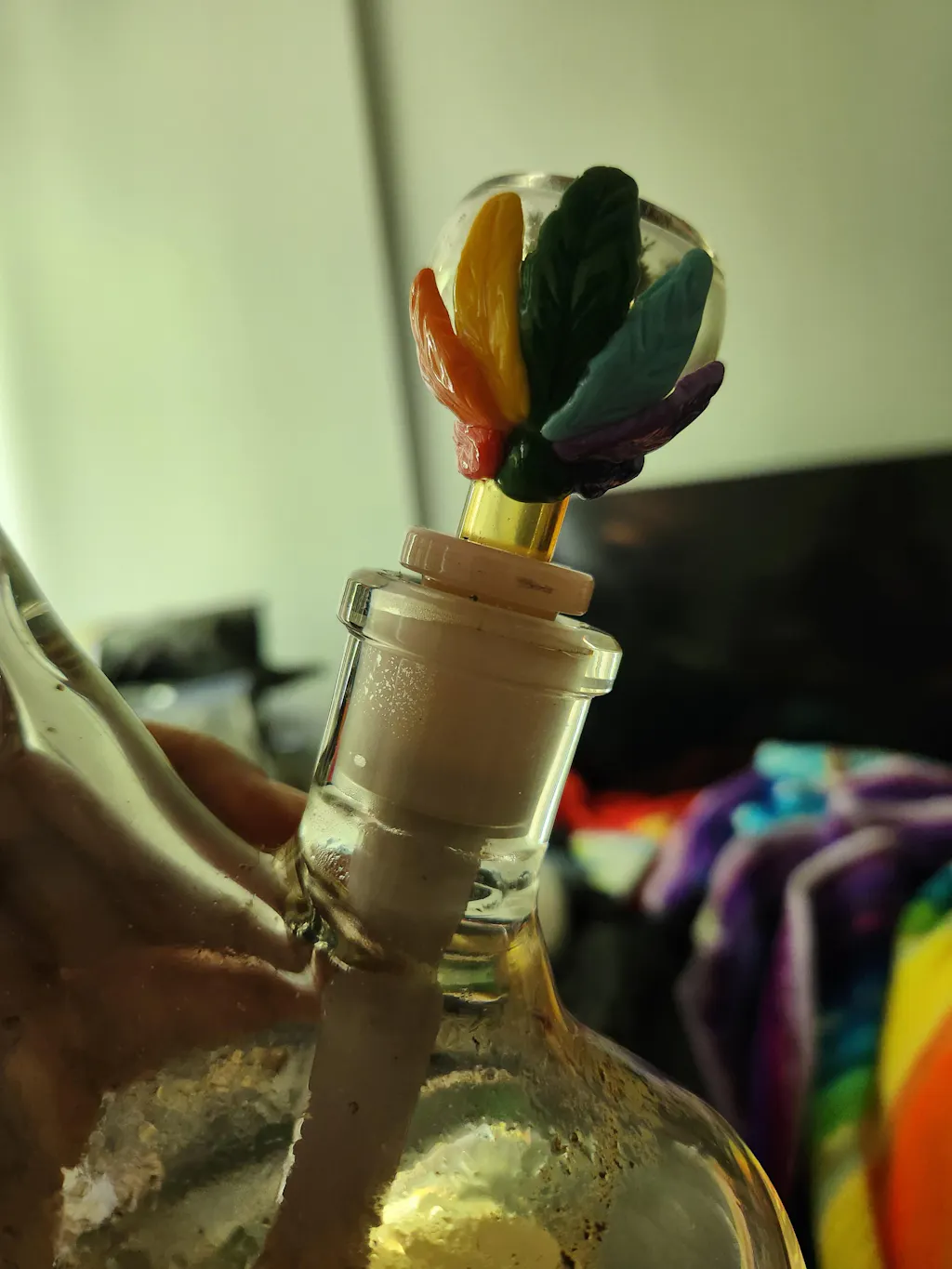
I am a smoking glass collector. Love me a good bubble 14mm bowl. It had a good seal in the downstem. Pulled very smooth. I like it. Recommend. My childhood was in the 1970s when everything was rainbow 🌈! LOVE the rainbow leaf on the side. I will say you used the prettiest ones for the ad photo.
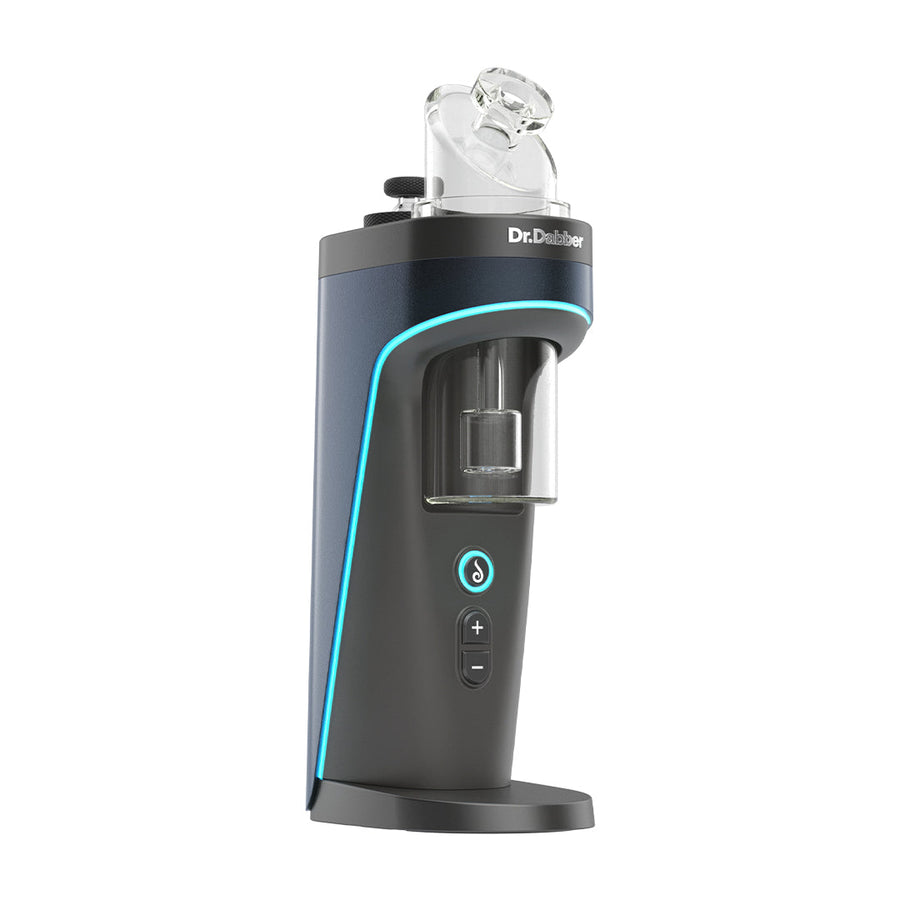
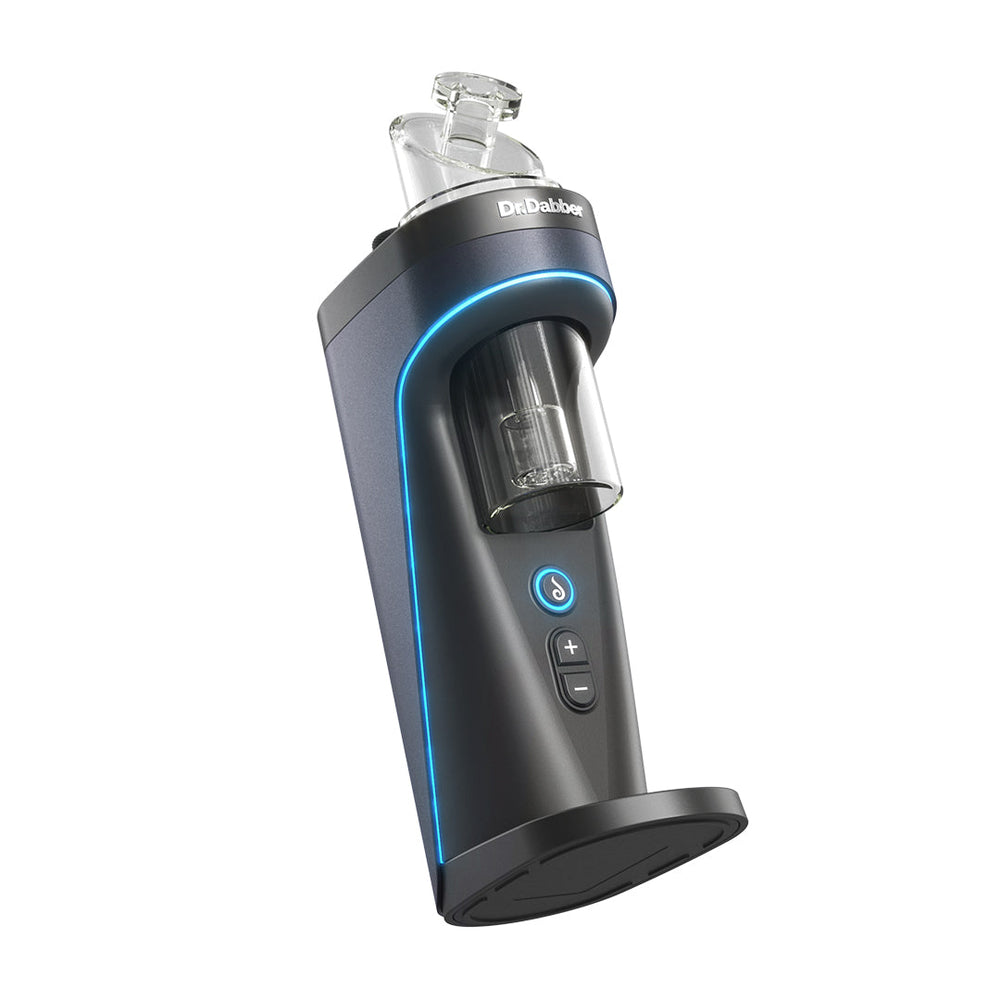
Dr Dabber XS e-Rig Portable Vaporizer
Great shop to browse through, fast shipping
It works great
Subscribe today and get 10% off your first purchase