![Vessel Helix Pipe [Copper] - Headshop.com](http://www.headshop.com/cdn/shop/files/ad3c0443-b76d-4fe5-84b8-a617dd50a950.jpg?v=1747419387&width=900)
![Vessel Helix Pipe [Copper] - Headshop.com](http://www.headshop.com/cdn/shop/files/7b0e06e3-9106-4684-80e4-408362c34085.jpg?v=1747419388&width=1000)
![Vessel Vista Edge [Cobalt] + - Headshop.com](http://www.headshop.com/cdn/shop/files/eeb7d469-ad7e-4a94-9f1b-14e53e558723.jpg?v=1717696904&width=900)
![Vessel Vista Edge [Cobalt] + - Headshop.com](http://www.headshop.com/cdn/shop/files/89f3c547-10cd-4f66-87e2-953d85ddf7b5.jpg?v=1717696907&width=1000)
![Vessel Drift Case [Olive] - Headshop.com](http://www.headshop.com/cdn/shop/files/bcf30faf-8c6e-478d-a317-2a580dba197e.jpg?v=1768365177&width=900)
![Vessel Drift Case [Olive] - Headshop.com](http://www.headshop.com/cdn/shop/files/b91ca13e-53ae-40ff-963a-43ba10195212.jpg?v=1768365178&width=1000)
Oil Burner Pipes
7 products
Free Shipping 🌿 On Orders Over $100
Spend $100 Save 20% 🔥Father's Day Sale
Free Shipping 🌿 On Orders Over $100
Free Shipping 🌿 On Orders Over $100
7 products
Oil burner pipes cut straight to the point, delivering clean, concentrated vapor with minimal setup and maximum flavor.
An oil burner pipe is a small glass pipe with a rounded bowl designed to hold concentrates, waxes, or oils. You heat the bowl from underneath with a torch or lighter, the material vaporizes, and you inhale through the stem. The design is simple by intention. Less hardware means fewer things to break, fewer parts to lose, and a faster session from start to finish. Most are built from borosilicate glass, the same heat-resistant material used in lab equipment, so they handle repeated thermal stress without cracking or warping.
The standard straight-stem oil burner is the one most people picture. A long, narrow neck feeds into a round, bulbed bowl on one end and a mouthpiece on the other. It keeps concentrate away from your lips, gives the vapor a moment to cool in transit, and stays easy to clean. Pyrex-quality borosilicate is the material of choice here because it stays clear under heat so you can watch your concentrate melt and know exactly when to inhale.
An oil burner bubbler adds a water chamber to the classic design. The vapor passes through water before it reaches your mouth, which drops the temperature noticeably and filters out some of the harshness. If you find straight oil burner pipes a little rough on the throat, a bubbler is the natural next step. They stay compact enough to hold in one hand but deliver a noticeably smoother hit. Check out our full glass pipes section if you want to see how bubbler-style builds carry across different categories.
Some oil burner setups scale up into bong or rig territory, with more water volume and a taller profile. More water means more cooling and more filtration per hit. These work especially well with thicker, more viscous concentrates that produce dense vapor. If you already own a smoking pipe and want to upgrade to something water-cooled, an oil burner bong is one of the more affordable ways to make that jump.
A few things separate a pipe that lasts from one that ends up in the trash after a week.
Glass thickness. Thicker walls resist thermal shock better. Look for borosilicate or Pyrex-quality glass. Thin, cheap glass will crack the first time you heat it unevenly.
Bowl size. Smaller bowls work better for concentrates because you load less material per session and keep waste down. Larger bowls suit users who prefer longer, single sessions.
Stem length. A longer stem gives vapor more distance to cool before it reaches your mouth. Shorter stems are easier to store but hit warmer.
Water filtration. If smoothness matters to you, go for a bubbler or bong-style oil burner. If portability is the priority, a classic straight pipe travels better.
Ease of cleaning. Residue builds up fast in oil burner bowls. Pipes with wider openings and fewer bends are far easier to soak and clear with isopropyl alcohol. Our pipes blog has practical cleaning tips worth bookmarking.
Load a small amount of concentrate into the rounded bowl. Hold the pipe by the stem and apply gentle heat to the outside of the bowl with a torch or butane lighter, keeping the flame moving so you don't scorch one spot. Once the concentrate starts to melt and vapor appears in the stem, place your mouth on the mouthpiece and inhale slowly. Start with less material than you think you need. Concentrates are more potent than flower, and a small load goes a long way.
Residue hardens quickly in a glass oil burner bowl. The easiest method is a hot isopropyl alcohol soak after every few uses. Drop the pipe into a resealable bag with 91% or higher isopropyl, add a pinch of coarse salt, seal it, and shake gently. Rinse with hot water and let it dry completely before the next session. The best pipes guide on our blog covers maintenance in more detail if you want the full breakdown.
A dab rig uses a quartz banger or nail that you heat separately from the concentrate, then drop the material onto the hot surface. An oil burner pipe heats the bowl directly while the concentrate is already inside. Oil burner pipes are simpler and cheaper. Dab rigs give you more precise temperature control and are better suited to premium concentrates where flavor is the priority.
Technically yes, but they're not designed for it. The rounded bowl doesn't hold loose herb well, and the stem geometry is built around vapor, not combustion smoke. You'll get a better experience using a dedicated spoon pipe or a one-hitter for dry herb.
Yes, for regular users. Pyrex-quality borosilicate handles repeated heating and cooling without developing micro-fractures the way cheaper soft glass does. It also stays clearer longer, so you can monitor your concentrate as it vaporizes. The price difference is usually small, and the durability gap is significant.
Cloudiness is reclaim buildup inside the glass. Clean it with isopropyl alcohol and salt before the residue hardens. If the cloudiness is already set, a longer soak in hot iso usually clears it. Consistent cleaning after every few sessions keeps the glass clear and the vapor tasting fresh. Our smoking pipes blog has more on keeping glass in good shape over time.
Bought for husband he had one similar the puppy chewed on. Loves this one, he did remove the lid, not needed.
Great Customer service, they ran out of one item and offered to replace with another, that was actually a better product than i had originally ordered. Their shipping was quick, effecient, and WELL PACKED!! Very important when shipping fragile items is the packing!
Customer service was top notch! I will be ordereing again and have already recommended them to 4 other people for similar products.
I will be back, shop here, they are worth the time!!
Awesome pipes!!! No problems whatsoever!!! Recommended seller.
Perfect Set Up for the Beginner!
Delivered on time and love the Alien Head THC beverage!!
This item is fantastic and it takes me where I want to go!!!
One of the best glass pieces I've ever got. I love the water vortex chamber and the 4 percelators a lot! Uses a lot more water than I thought but once I figured it out, made the piece amazing haha. Nice feel to it.
On time and exactly what I ordered
perfect travel size, grinds product nicely. 10/10
Quality glass, fast shipping.
Easy to clean Easy to hit Easy to look at I love it! Wish I had bought one sooner! Beautiful glass work! Love the purple glass!
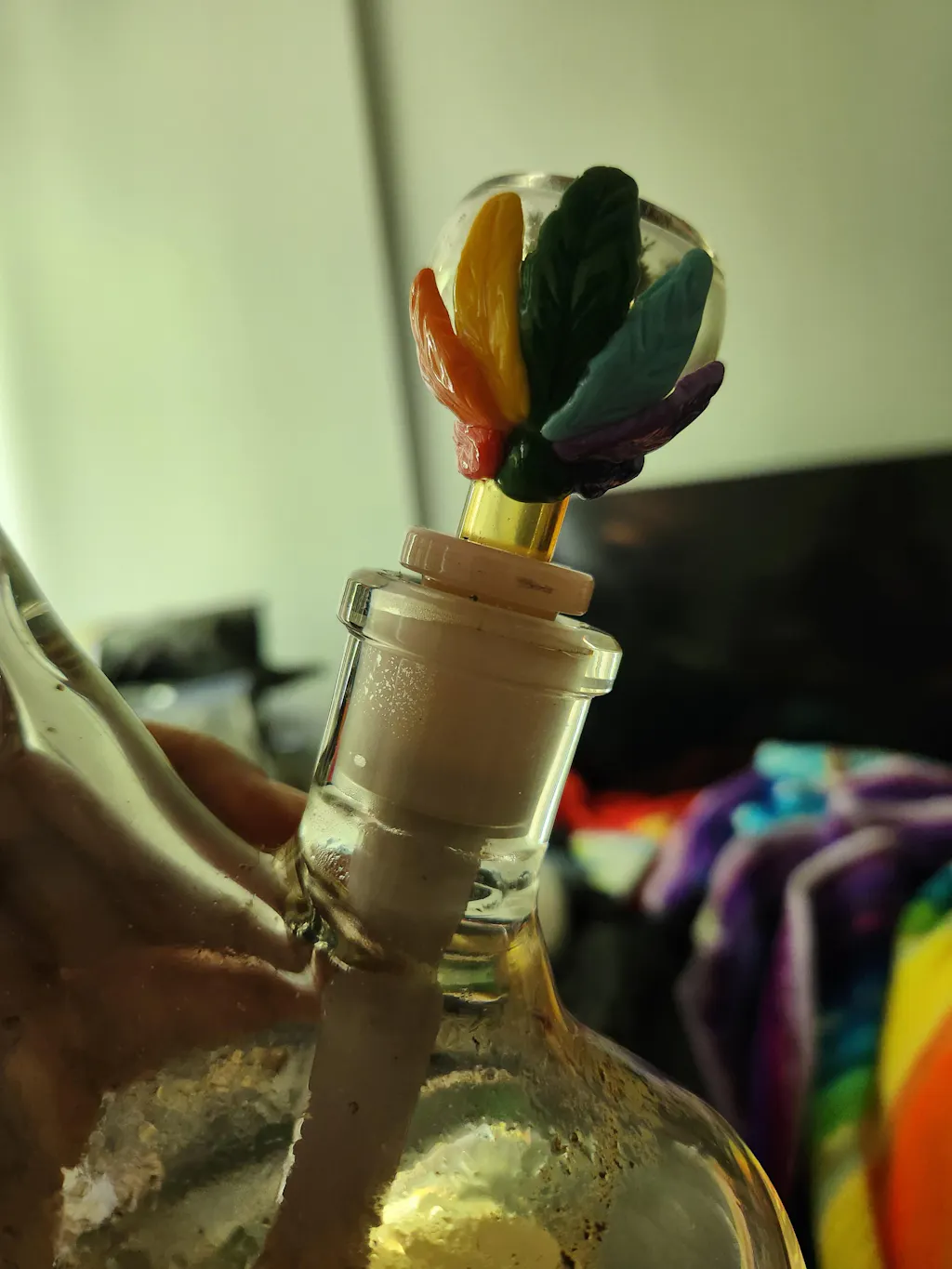
I am a smoking glass collector. Love me a good bubble 14mm bowl. It had a good seal in the downstem. Pulled very smooth. I like it. Recommend. My childhood was in the 1970s when everything was rainbow 🌈! LOVE the rainbow leaf on the side. I will say you used the prettiest ones for the ad photo.
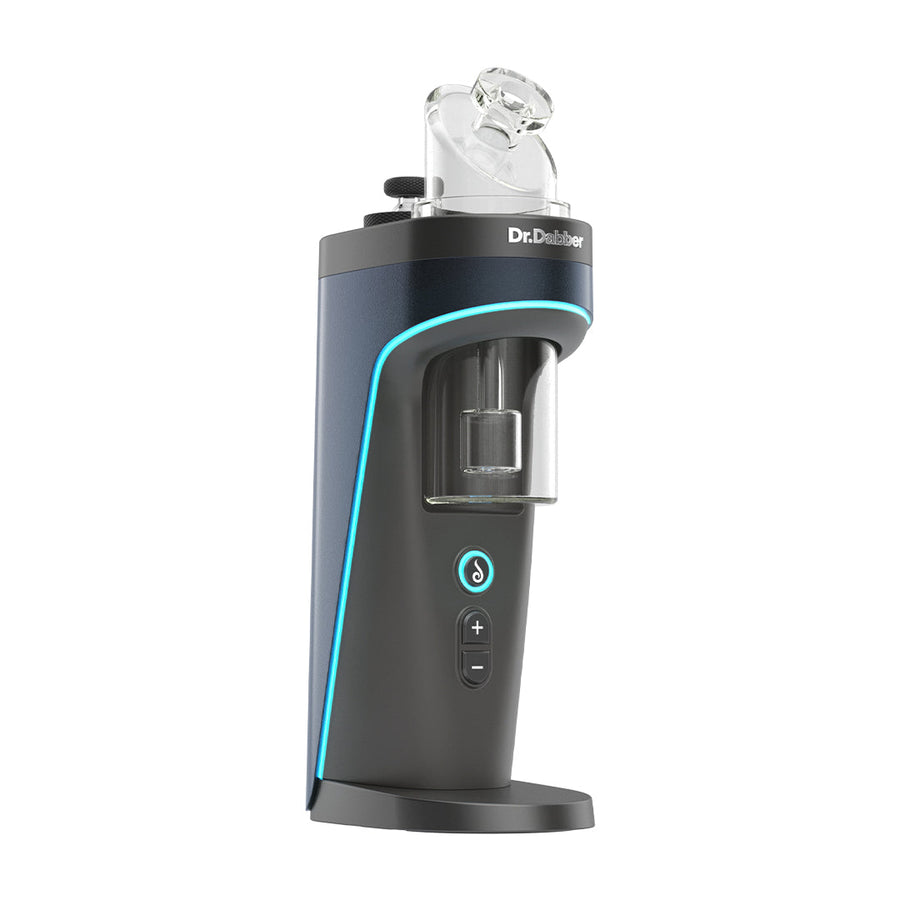
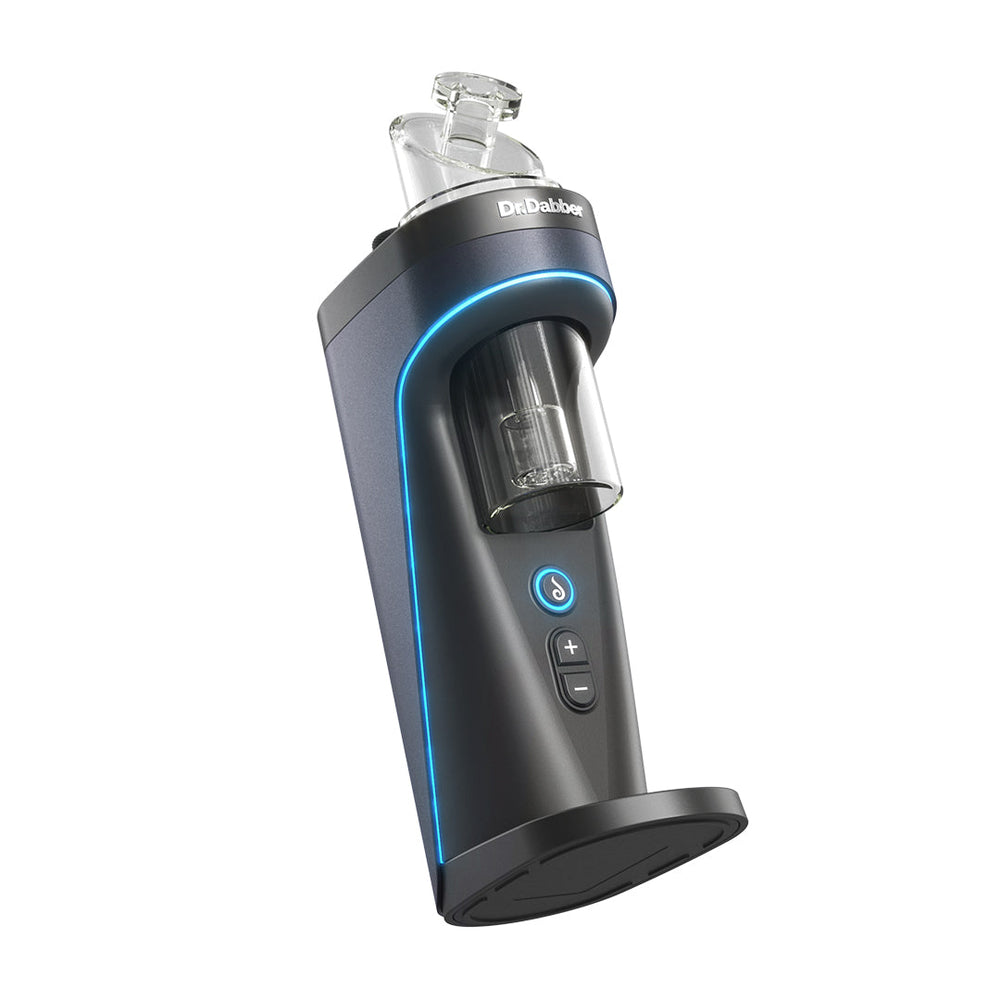
Dr Dabber XS e-Rig Portable Vaporizer
Great shop to browse through, fast shipping
It works great
Subscribe today and get 10% off your first purchase