![Vessel Helix Pipe [Copper] - Headshop.com](http://www.headshop.com/cdn/shop/files/ad3c0443-b76d-4fe5-84b8-a617dd50a950.jpg?v=1747419387&width=900)
![Vessel Helix Pipe [Copper] - Headshop.com](http://www.headshop.com/cdn/shop/files/7b0e06e3-9106-4684-80e4-408362c34085.jpg?v=1747419388&width=1000)
![Vessel Vista Edge [Cobalt] + - Headshop.com](http://www.headshop.com/cdn/shop/files/eeb7d469-ad7e-4a94-9f1b-14e53e558723.jpg?v=1717696904&width=900)
![Vessel Vista Edge [Cobalt] + - Headshop.com](http://www.headshop.com/cdn/shop/files/89f3c547-10cd-4f66-87e2-953d85ddf7b5.jpg?v=1717696907&width=1000)


![Vessel Drift Case [Olive] - Headshop.com](http://www.headshop.com/cdn/shop/files/bcf30faf-8c6e-478d-a317-2a580dba197e.jpg?v=1768365177&width=900)
![Vessel Drift Case [Olive] - Headshop.com](http://www.headshop.com/cdn/shop/files/b91ca13e-53ae-40ff-963a-43ba10195212.jpg?v=1768365178&width=1000)
Joint Rolling Machines
30 products
Free Shipping 🌿 On Orders Over $100
Spend $100 Save 20% 🔥Father's Day Sale
Free Shipping 🌿 On Orders Over $100
Free Shipping 🌿 On Orders Over $100
30 products
Joint rolling machines do one thing exceptionally well: they turn loose flower into a tight, even joint in seconds, and we carry every style worth owning.
Not every roller works the same way, and the right one depends on how you like to work. Here's how the main types break down.
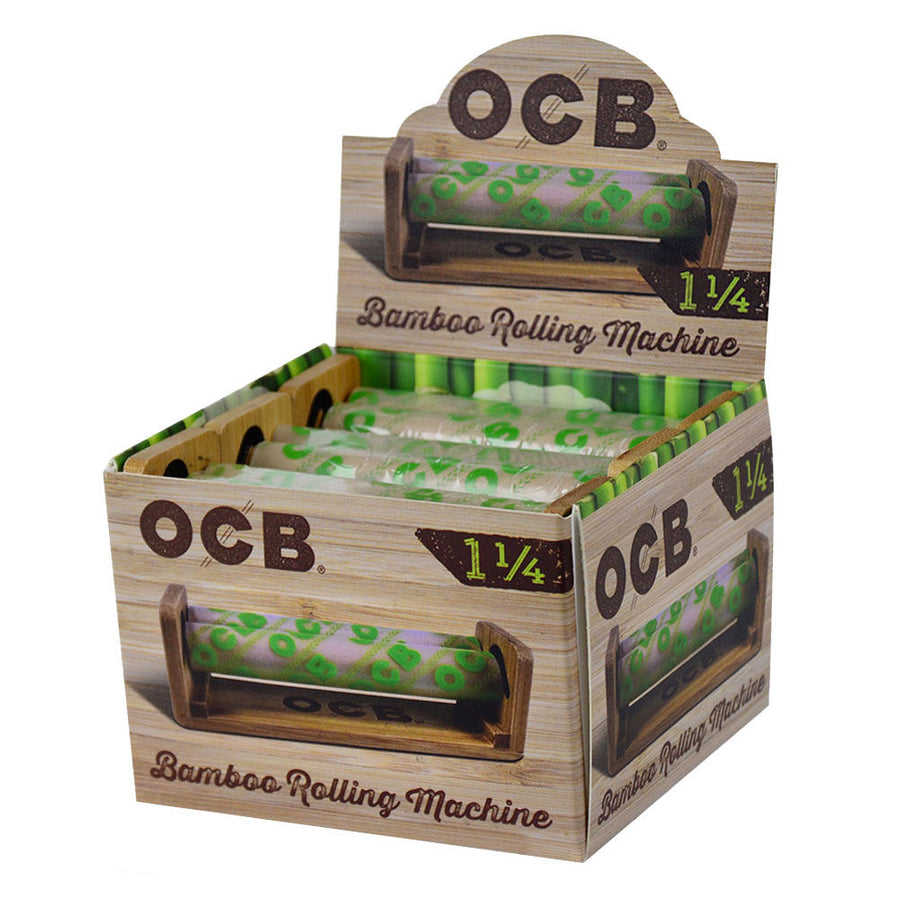
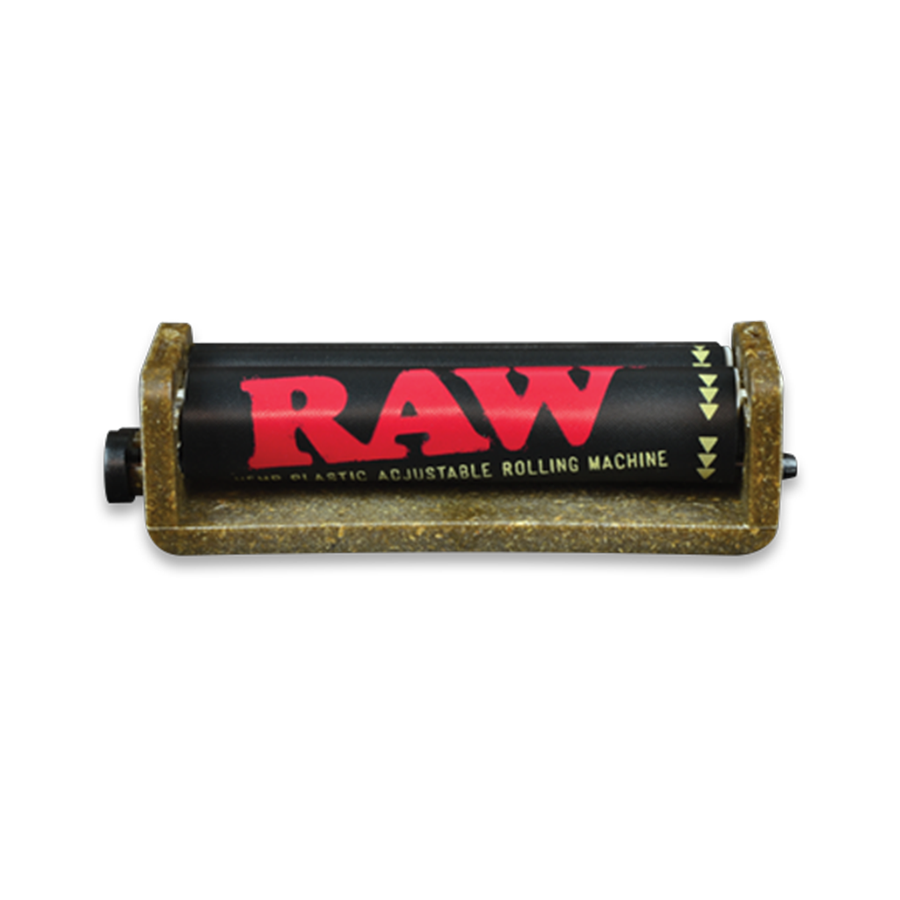
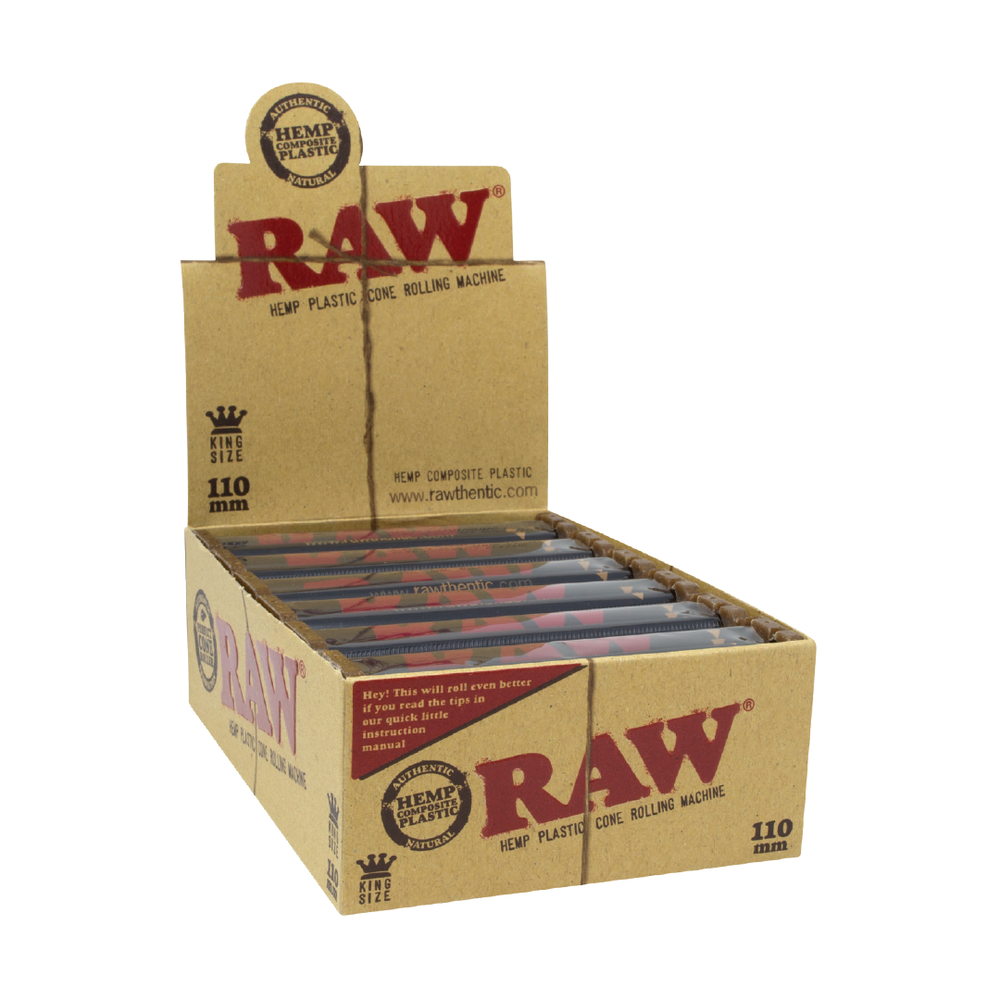
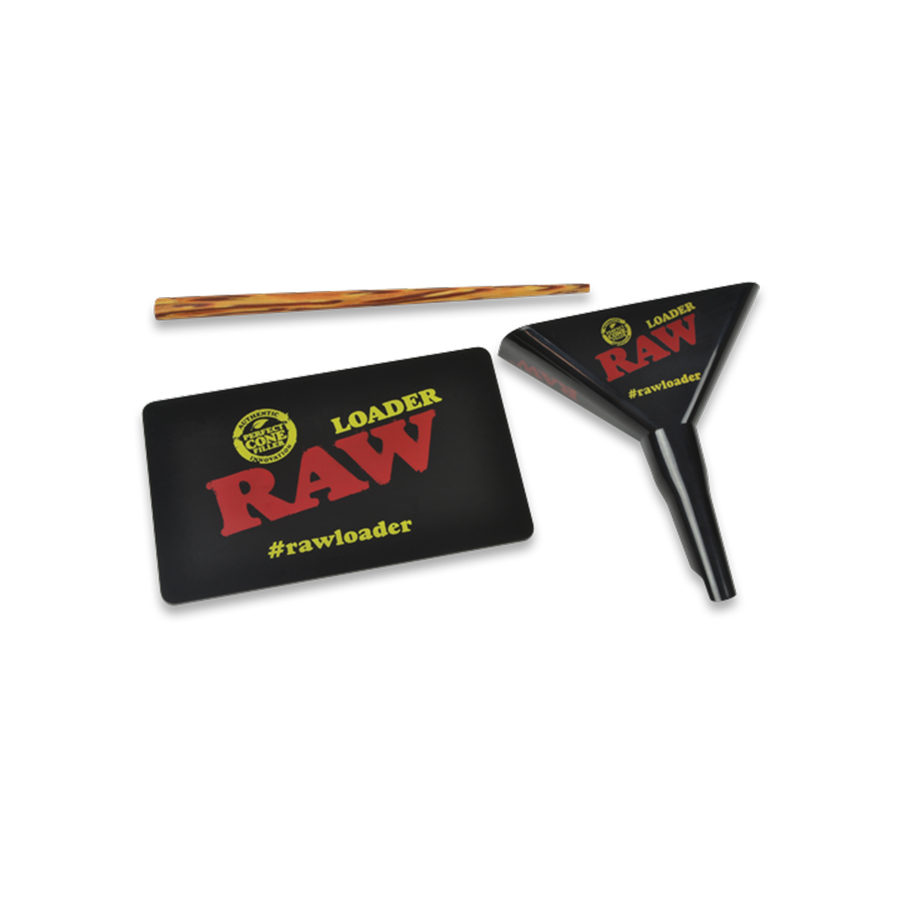
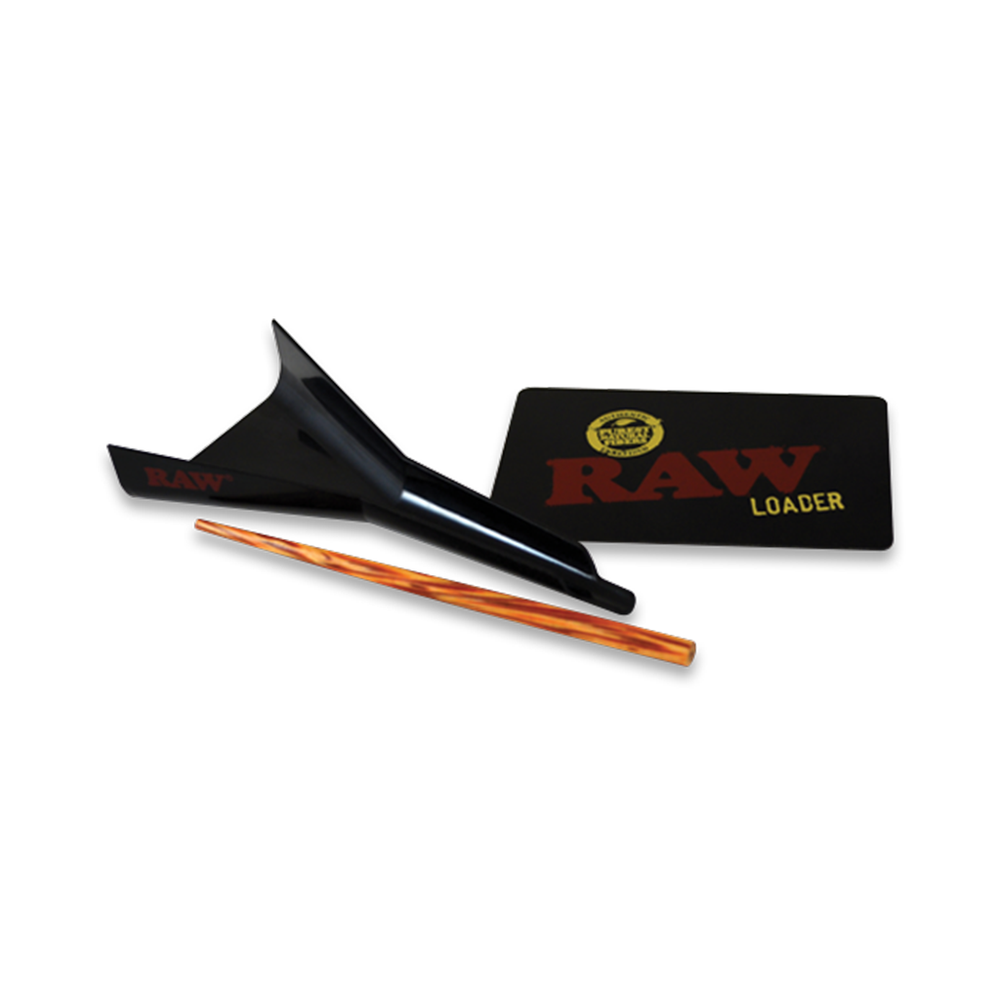
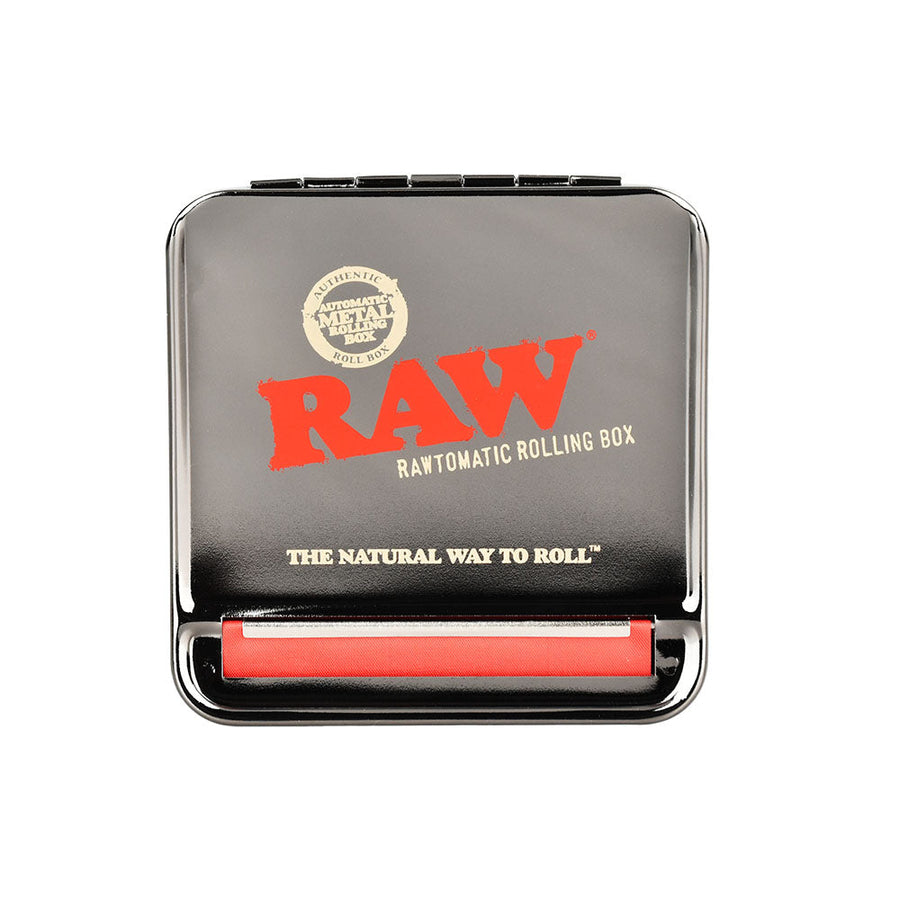
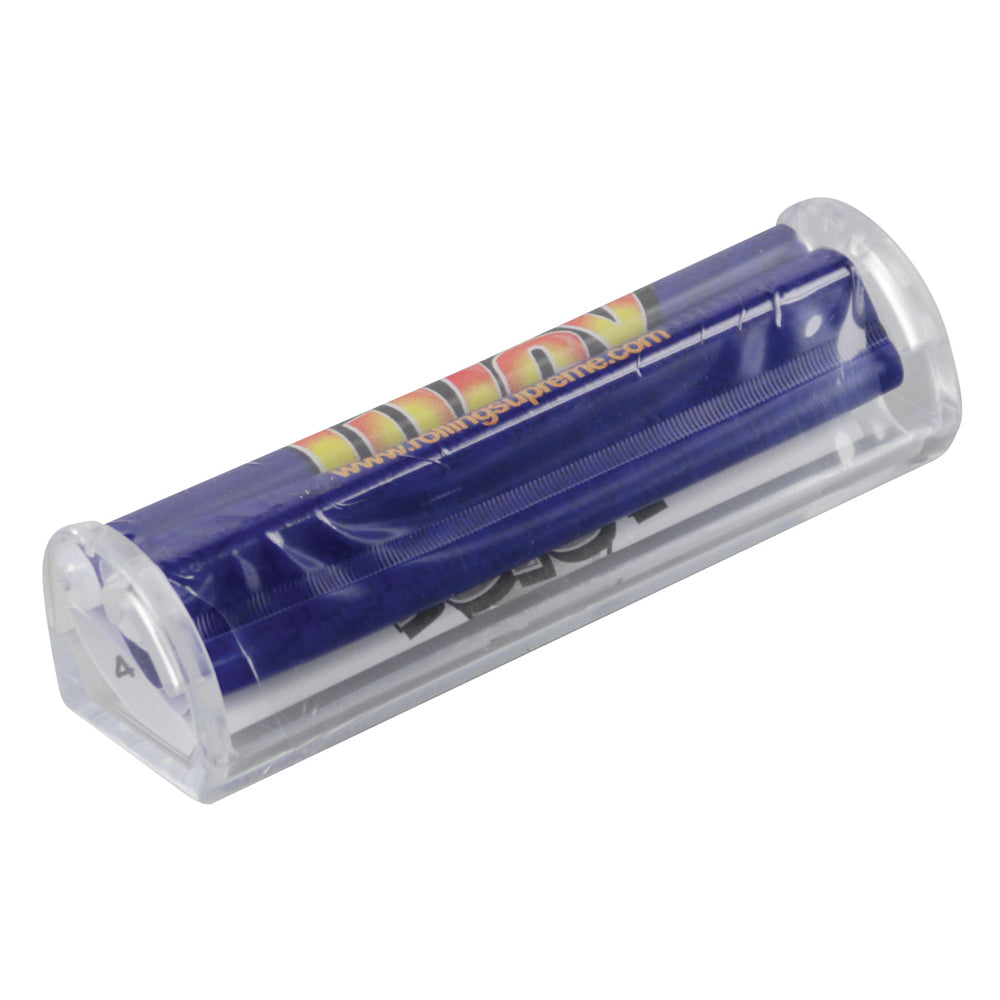
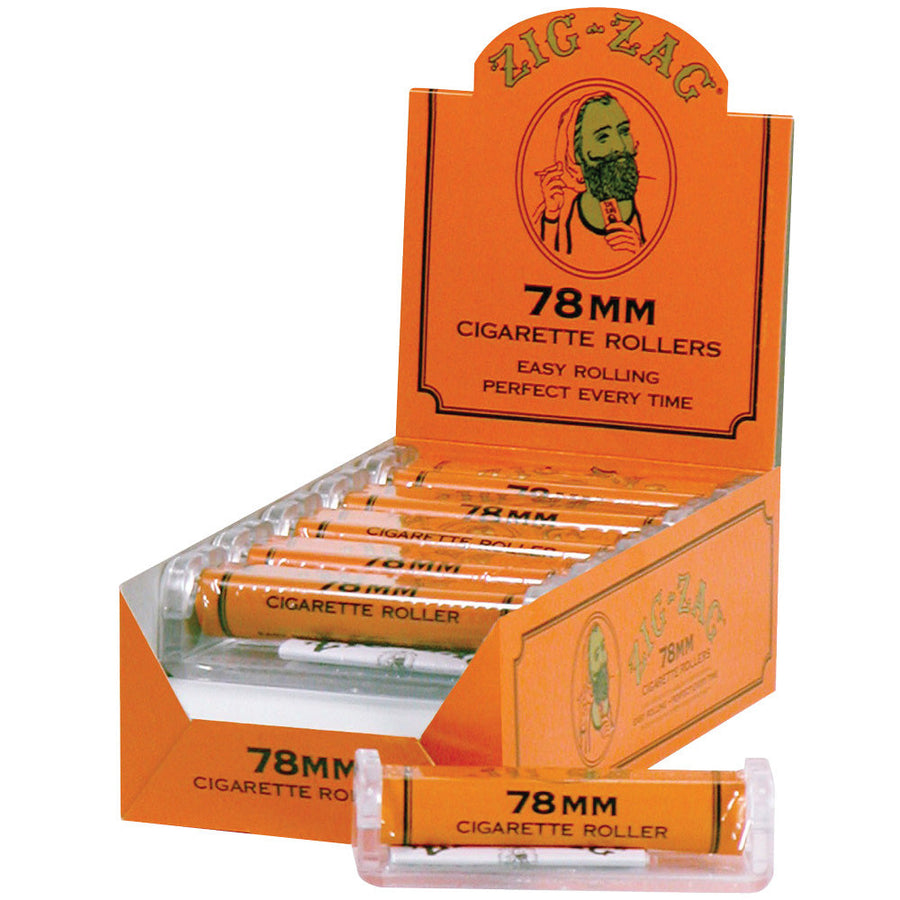
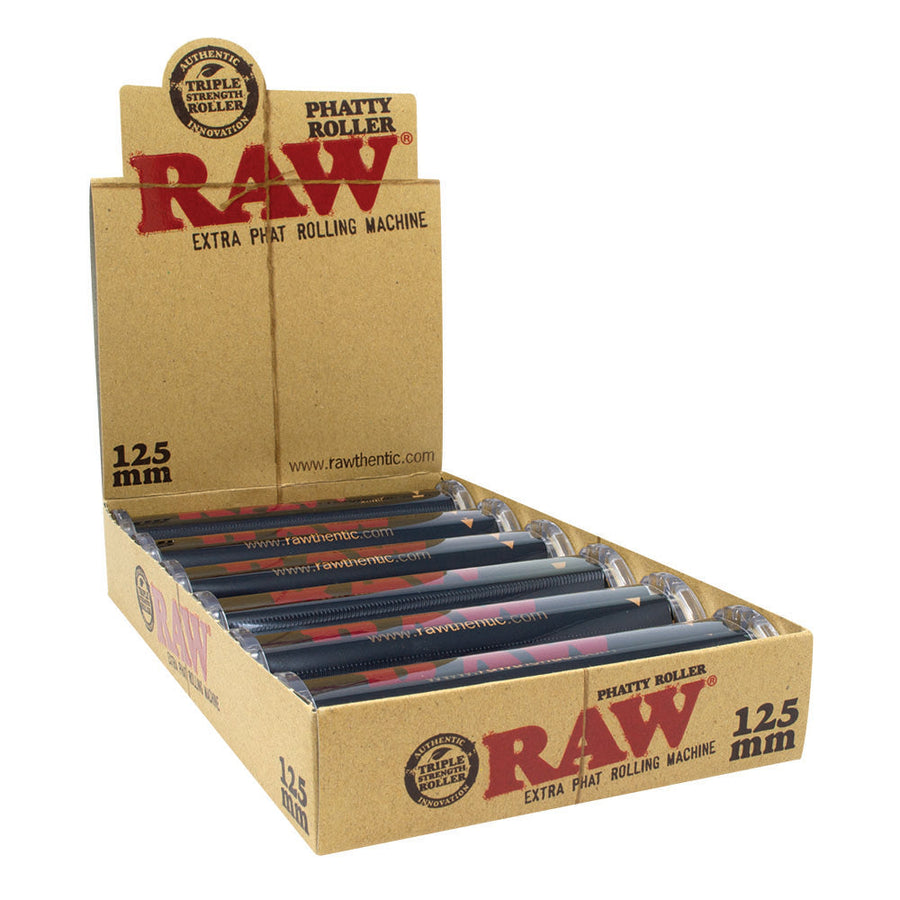
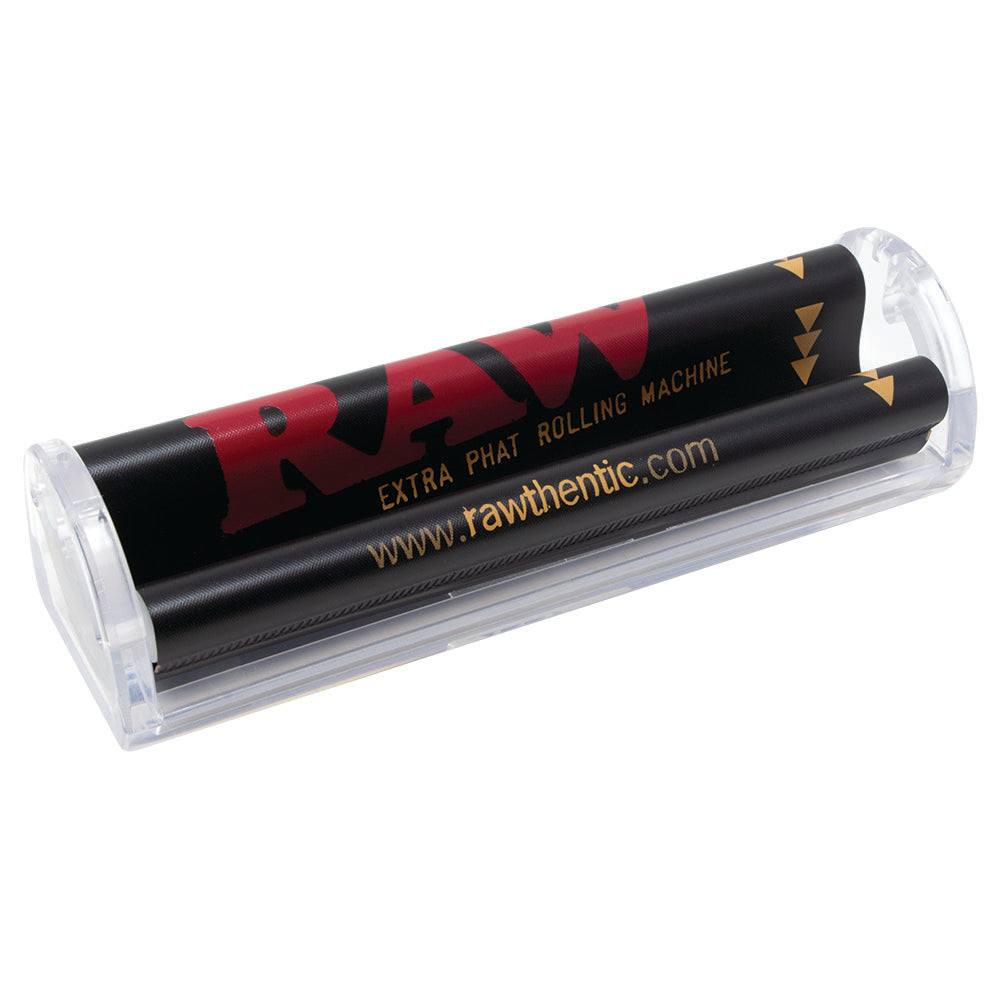
These are the classics. You load your flower, close the roller, feed a paper through, and lick the seal. They're small, cheap, and nearly indestructible. RAW makes some of the most reliable ones on the market, and they've earned that reputation for a reason. Great for travel, great for anyone who just wants consistent results without overthinking it.
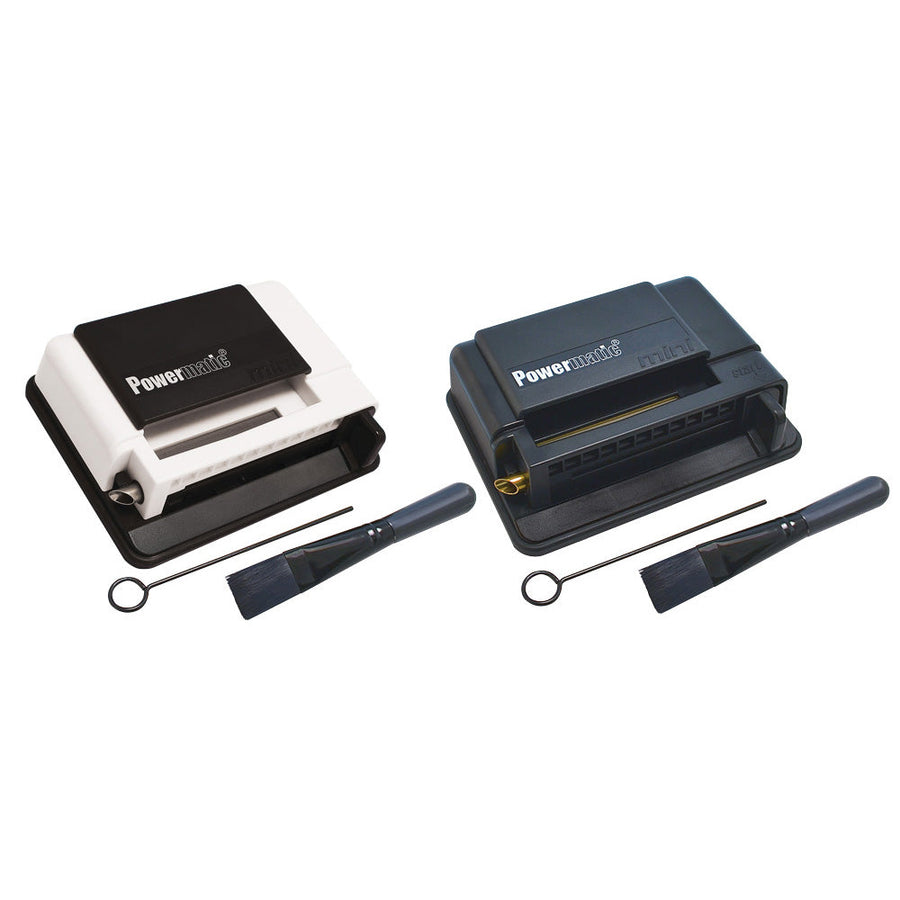
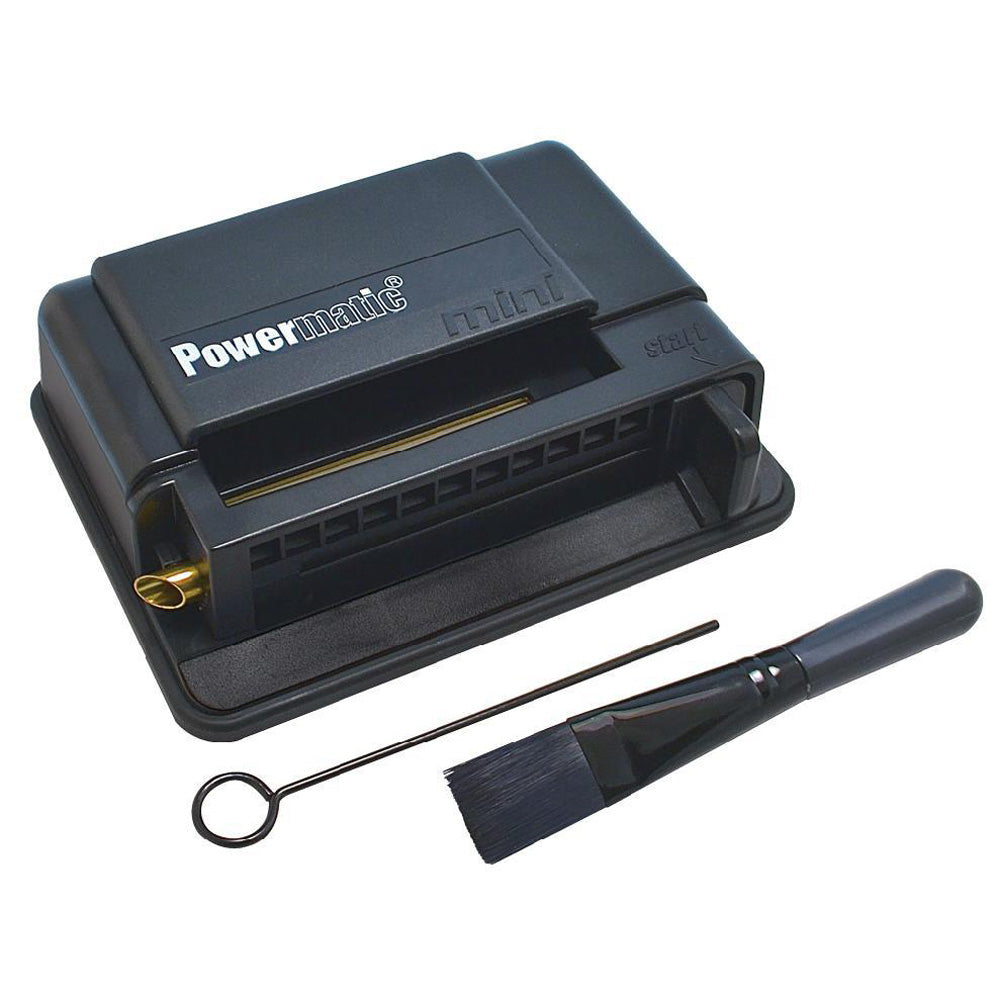
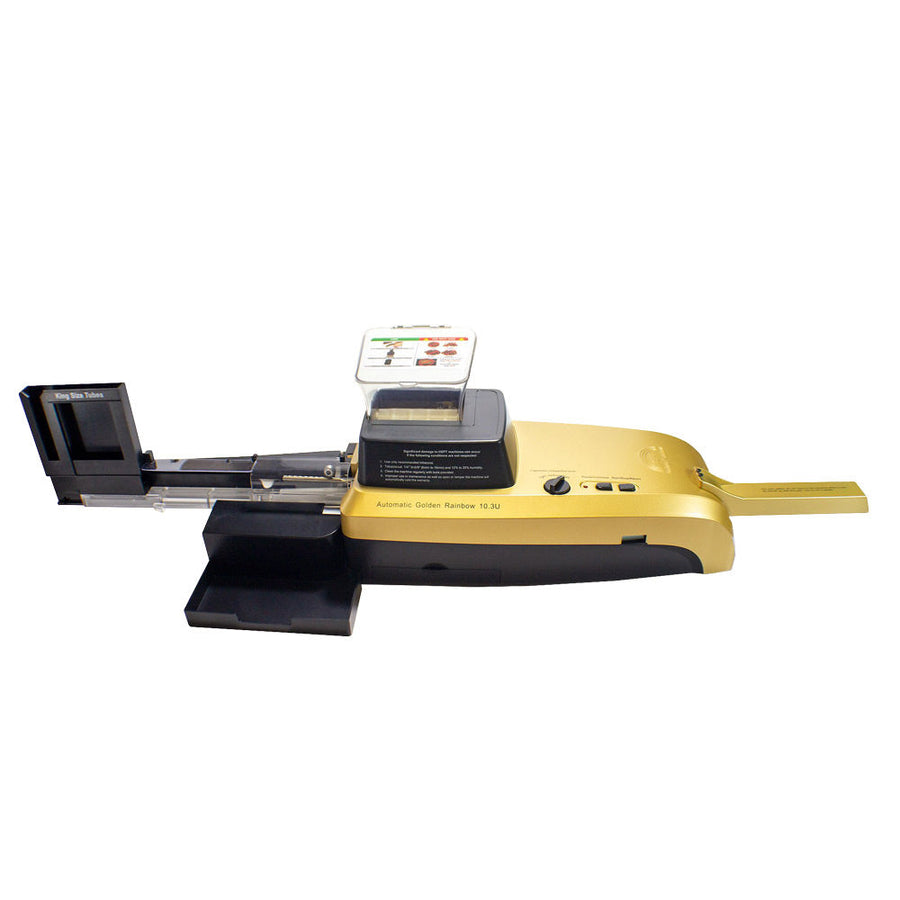
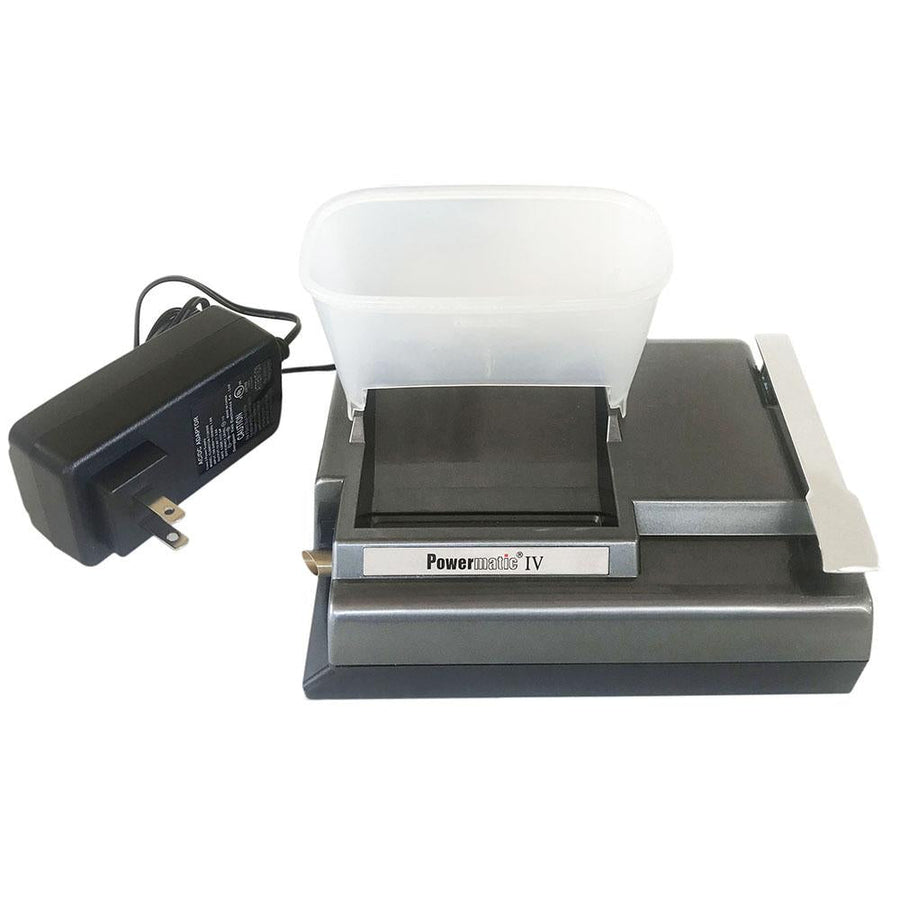
Automatic joint rollers take the hand-rolling step out entirely. Load the chamber, press or turn, and the machine does the rolling for you. Many models let you adjust cone size or paper length, so you're not stuck with one format. These are popular with people who roll in volume or whose hands make manual rolling frustrating.
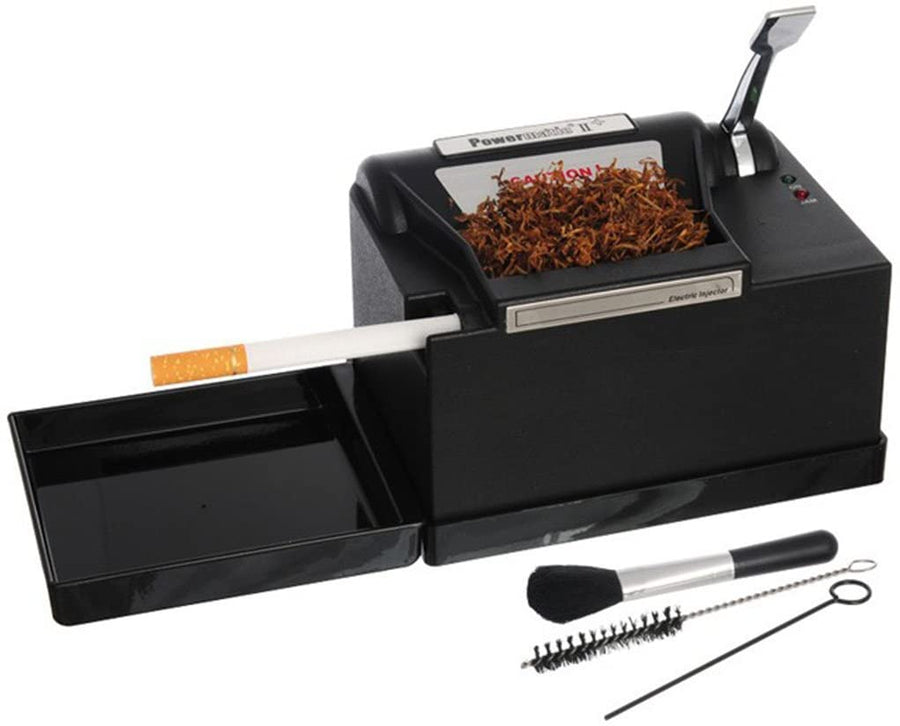
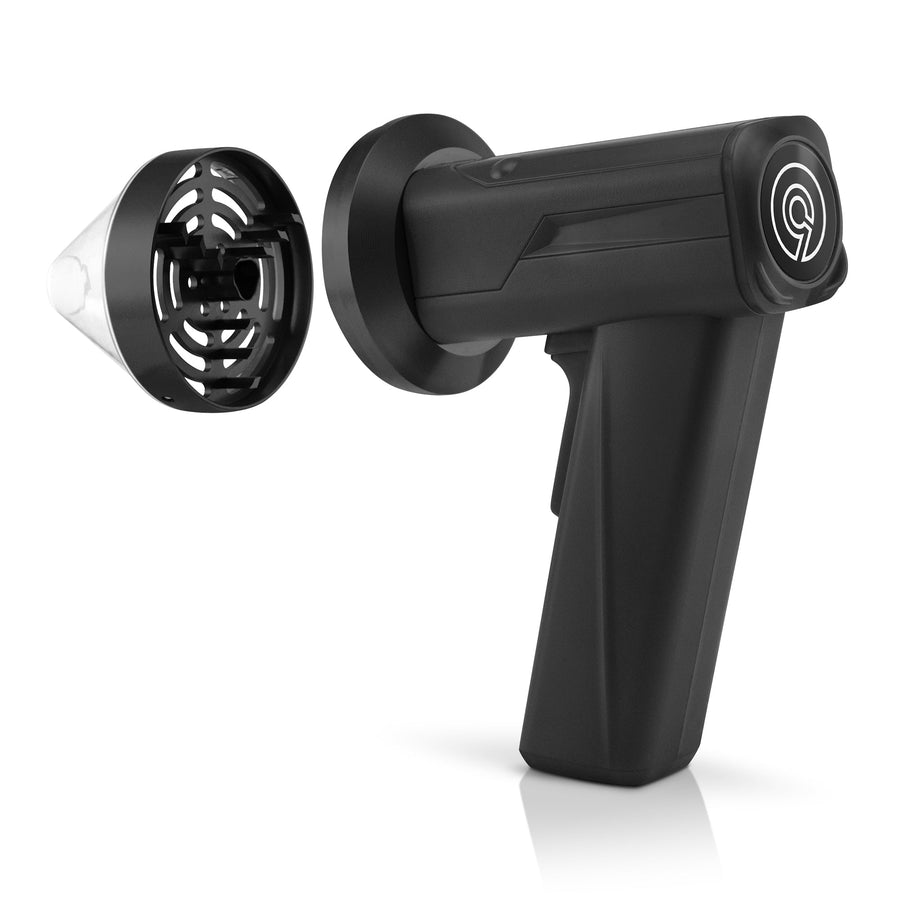
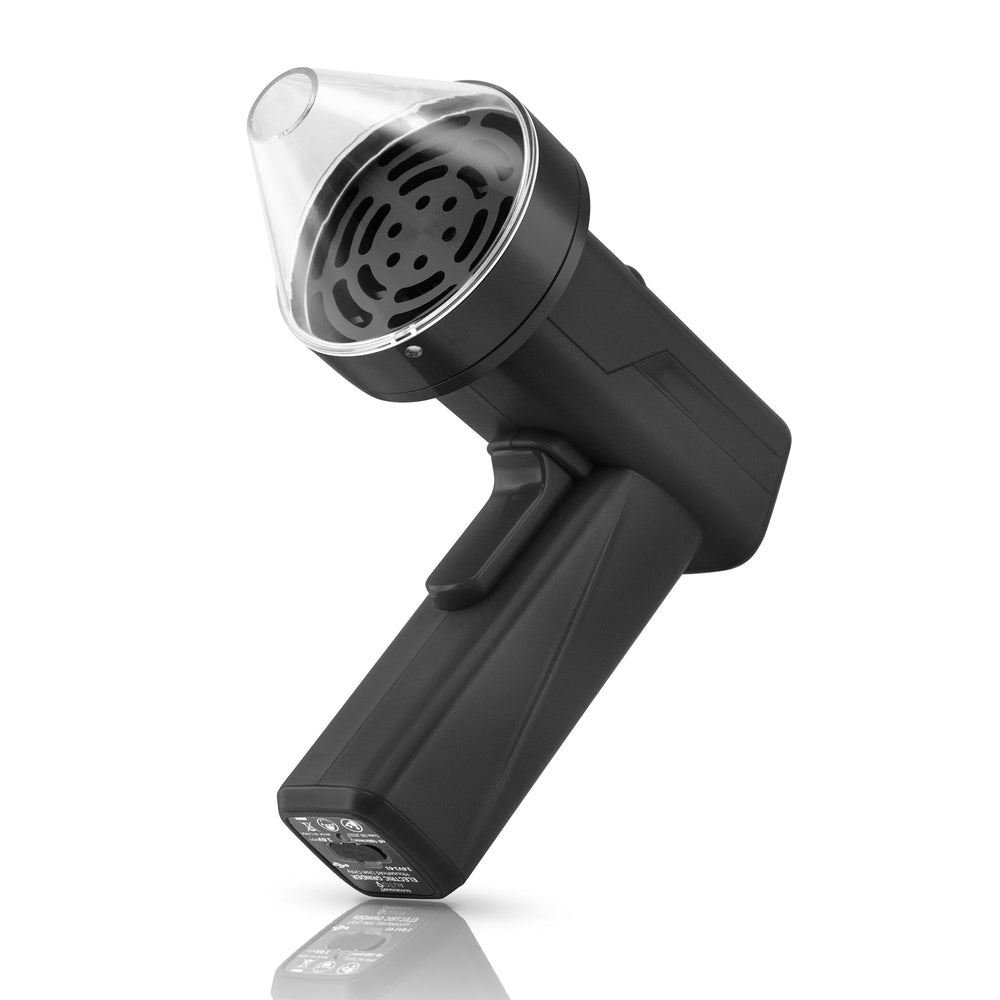
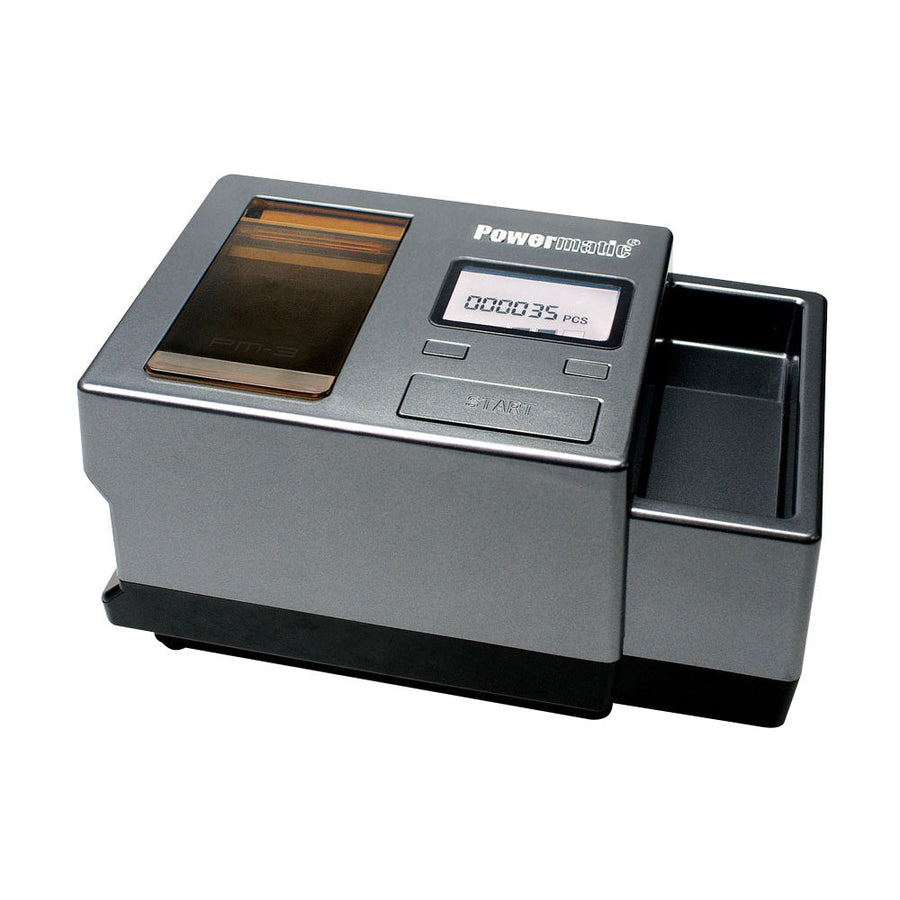
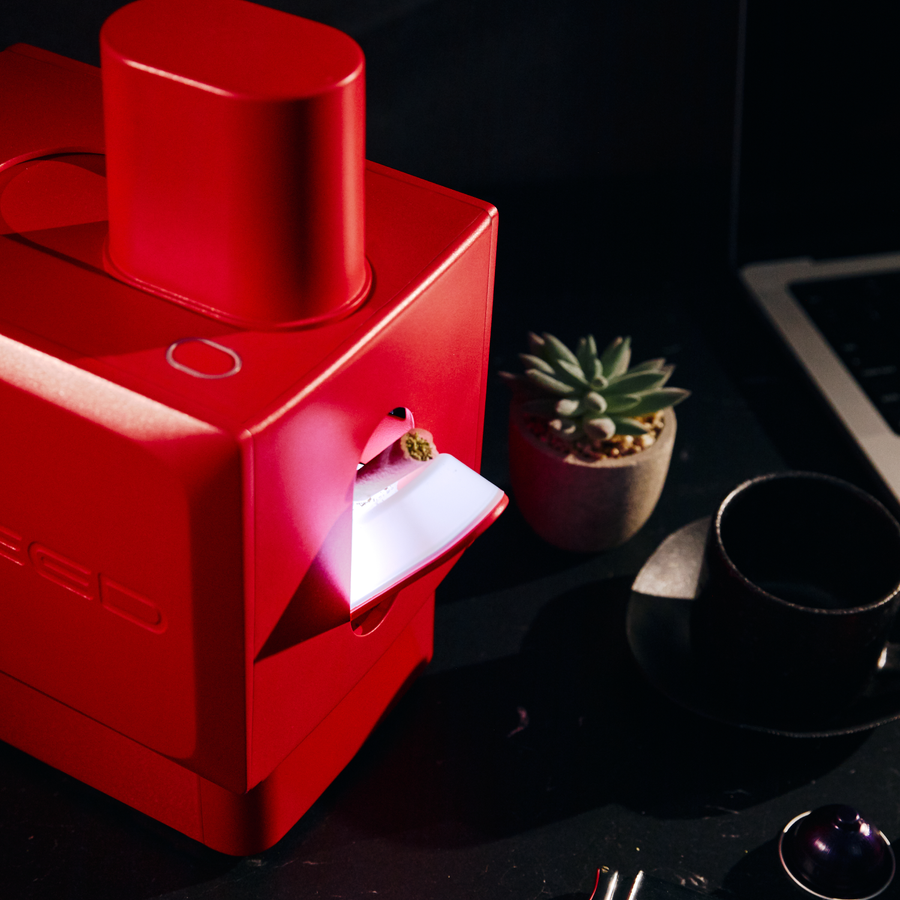
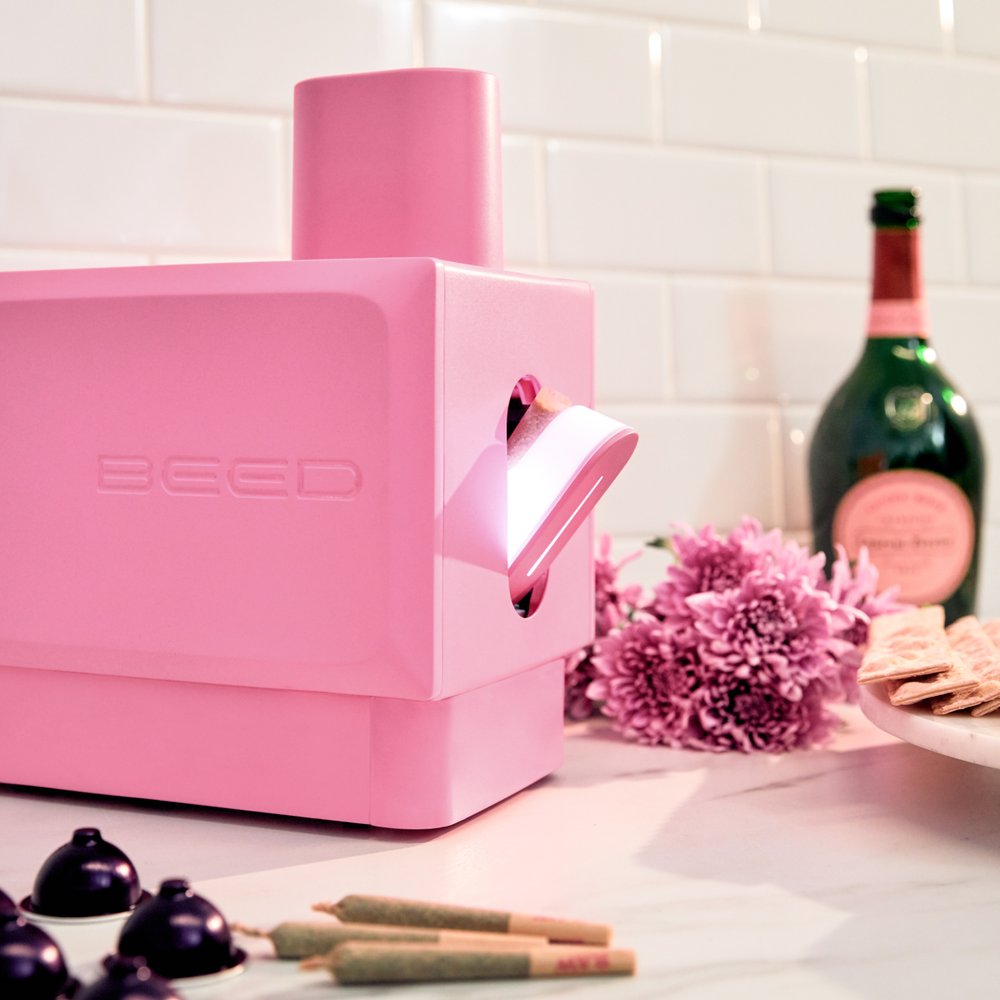
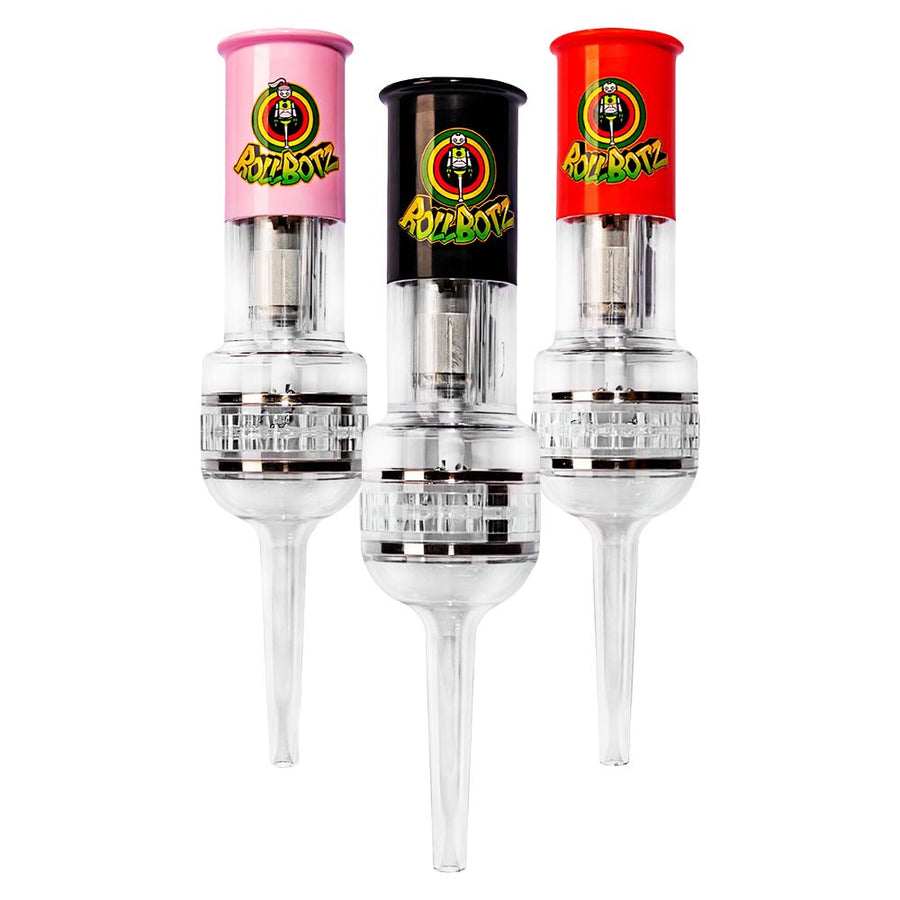
Electric models are the top of the food chain. Battery-powered or USB-charged, they grind and roll in one motion on some units, or handle the rolling stage on others. If you want speed and consistency with almost zero effort, an electric joint roller is where you land. They're a bigger investment, but for daily smokers, they pay off fast.
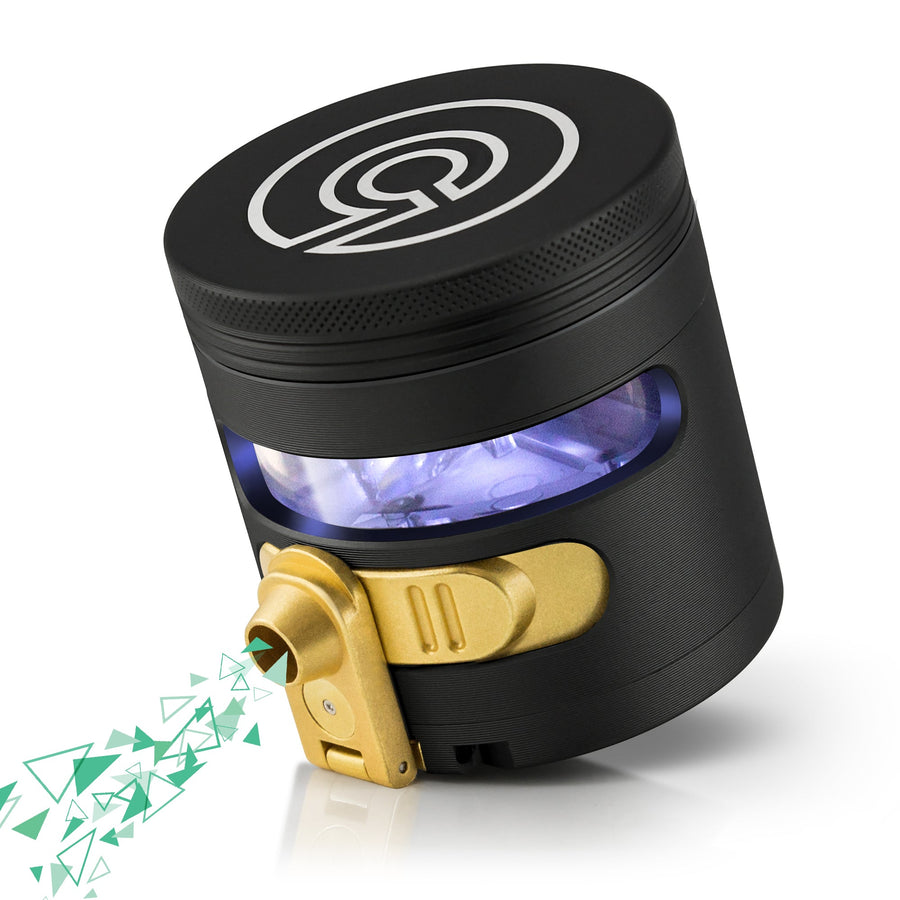
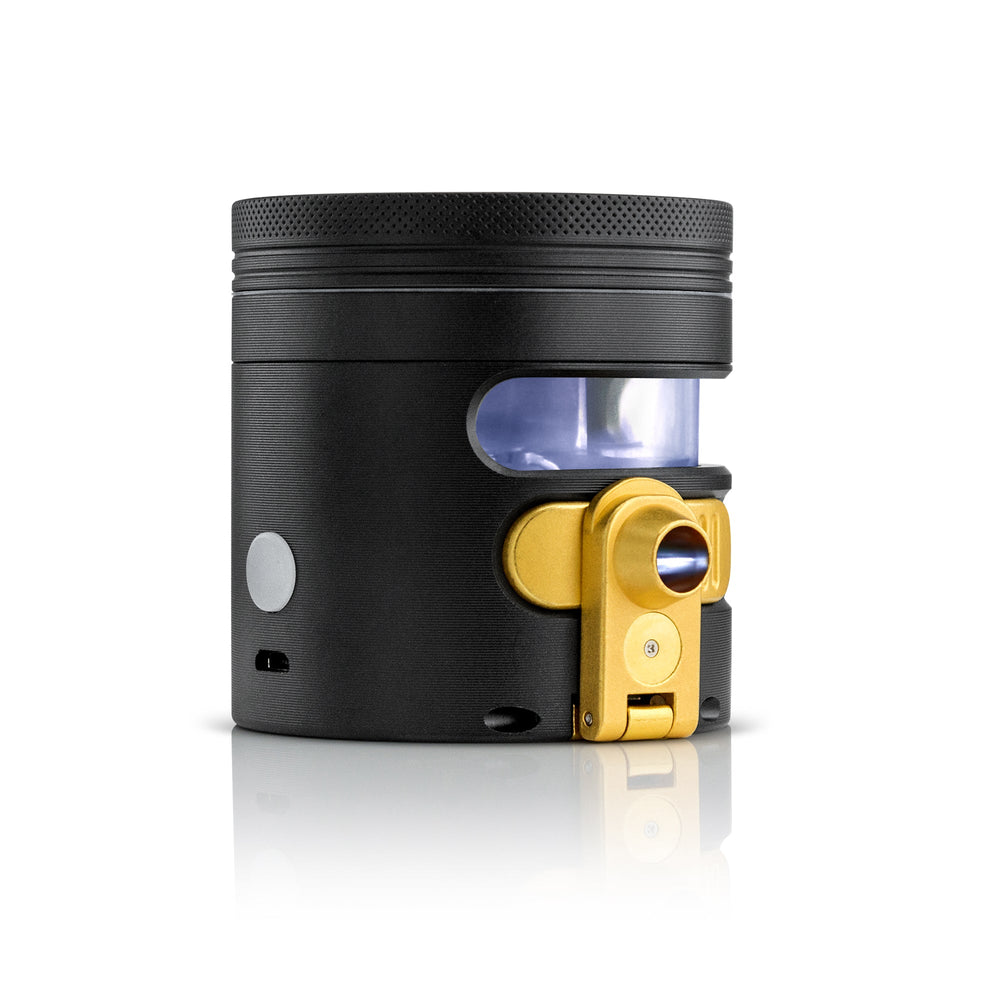
Some machines combine a grinder and a roller into one unit. You load whole flower, and the machine handles everything through to the finished joint. If you're tired of bouncing between tools, a combo unit cuts the whole process down to one step. Just make sure the grind consistency matches what your preferred papers need.
A few things separate a machine you'll use every day from one that ends up in a drawer.
If you're new to rolling machines, start with a manual roller. They're inexpensive, reliable, and teach you the basics of what makes a good joint. Once you know what you like, moving up to an automatic or electric model makes a lot more sense because you'll know exactly what you're improving on.
Heavy daily smokers or anyone rolling for a group should lean toward automatic or electric options. The time savings add up quickly, and the consistency is noticeably better than hand-rolling when you're tired or rushing.
If you want to dig deeper into rolling technique before committing to a machine, our joint rolling 101 guide covers the fundamentals. And if you're on the fence about whether a machine is even worth it, this piece on why hand-rolling wastes more time than you think makes a pretty convincing case.
An automatic joint roller usually refers to a spring-loaded or hand-cranked machine that automates the rolling motion but still requires some manual input. An electric joint roller is battery or USB powered and handles the entire rolling process with a button press. Electric models are faster and more consistent, but they cost more and need charging.
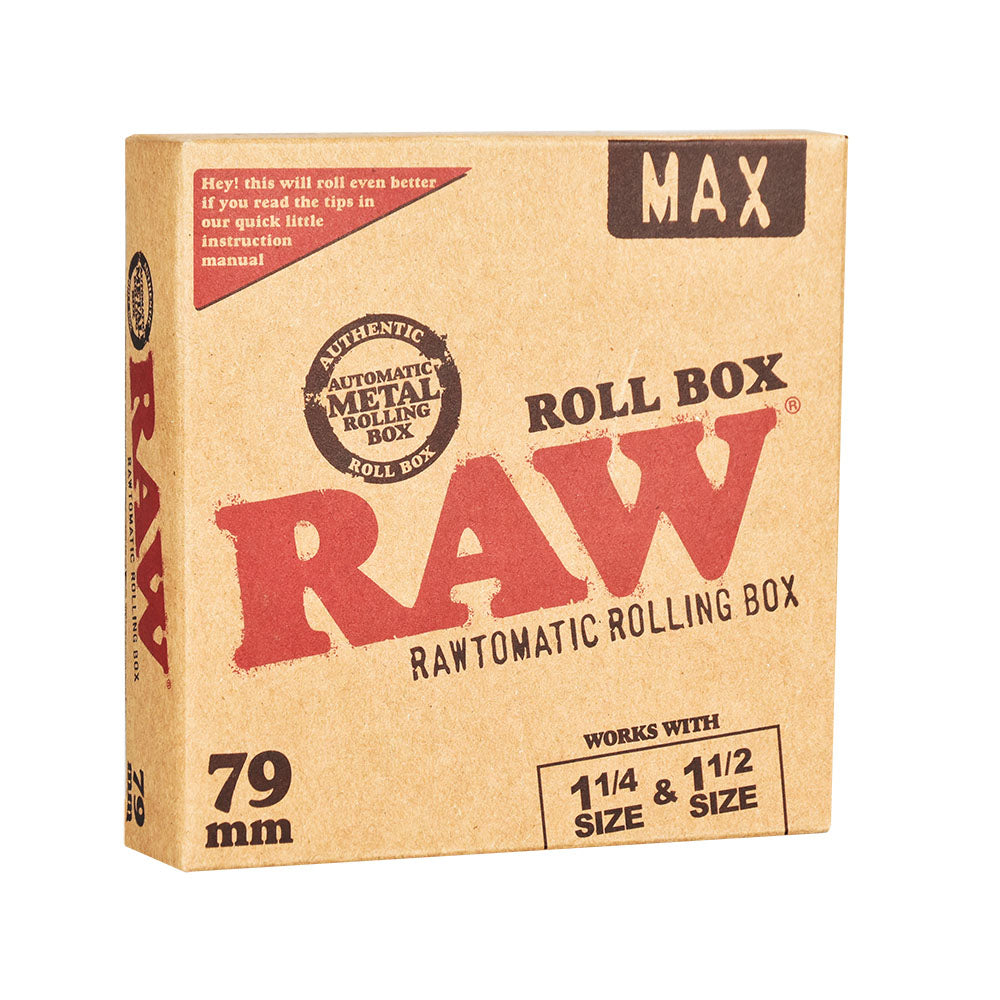
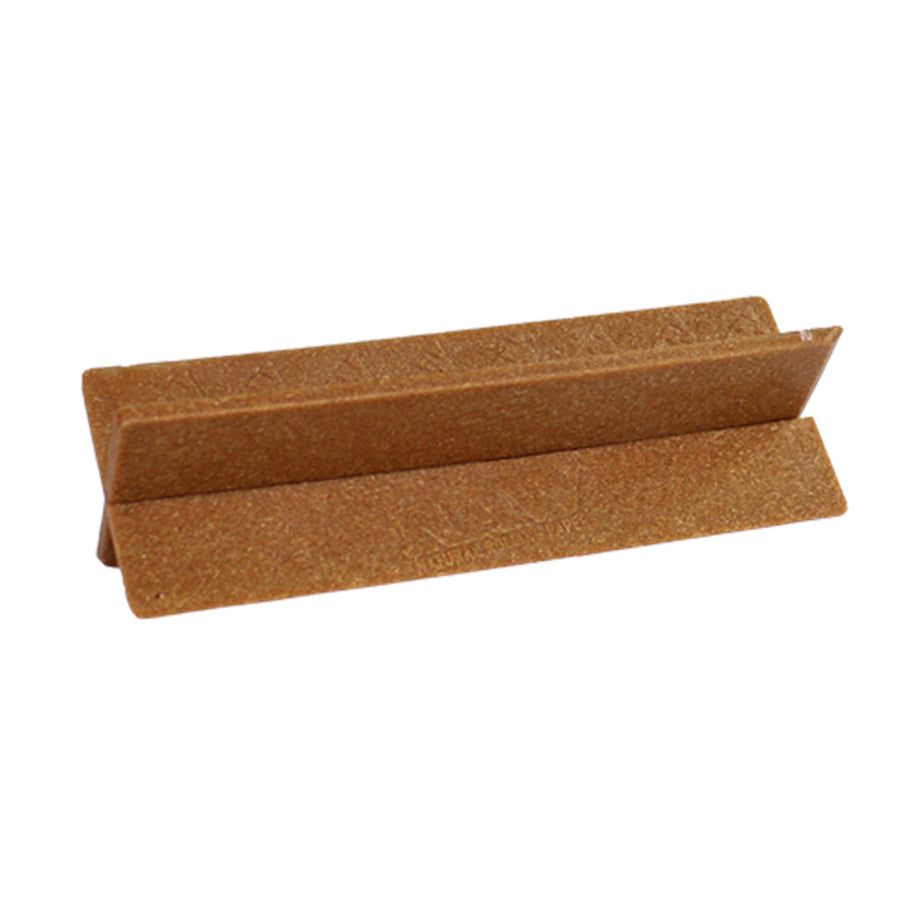
Most machines are designed around standard rolling paper sizes, typically 1.25-inch or king-size. Always check the machine's listed compatibility before buying. Using a paper that's too short or too thick for the roller can cause jams or loose joints. Check out our rolling papers collection to find papers sized for your machine.
Clean it regularly. Resin and fine plant material accumulate in the chamber and along the rolling apron, which causes uneven rolls and eventually jams. A dry brush or compressed air handles most buildup. For stickier residue, a cotton swab with isopropyl alcohol works on most surfaces. Let it dry completely before using again.
A rolling tray keeps your workspace clean and makes loading your roller much easier. A grinder with a consistent, medium grind gives you the best results in most machines. If you like having everything in one place, browse our rolling kits, our rolling trays, and our joint holders for the full setup. And if you want to learn more about the smoking experience beyond the roll itself, our joints guide is worth a read.
Bought for husband he had one similar the puppy chewed on. Loves this one, he did remove the lid, not needed.
Great Customer service, they ran out of one item and offered to replace with another, that was actually a better product than i had originally ordered. Their shipping was quick, effecient, and WELL PACKED!! Very important when shipping fragile items is the packing!
Customer service was top notch! I will be ordereing again and have already recommended them to 4 other people for similar products.
I will be back, shop here, they are worth the time!!
Awesome pipes!!! No problems whatsoever!!! Recommended seller.
Perfect Set Up for the Beginner!
Delivered on time and love the Alien Head THC beverage!!
This item is fantastic and it takes me where I want to go!!!
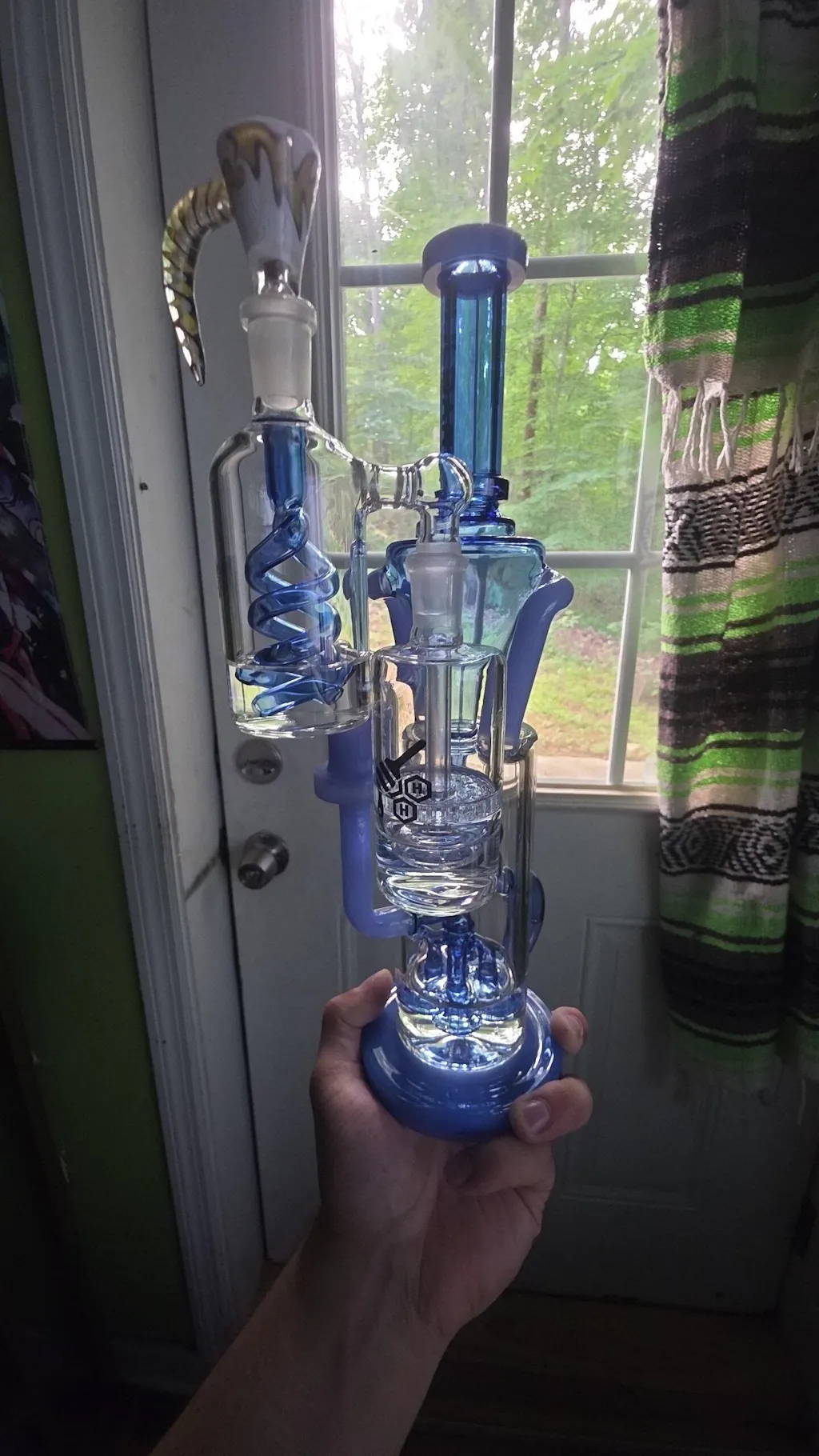
One of the best glass pieces I've ever got. I love the water vortex chamber and the 4 percelators a lot! Uses a lot more water than I thought but once I figured it out, made the piece amazing haha. Nice feel to it.
On time and exactly what I ordered
perfect travel size, grinds product nicely. 10/10
Quality glass, fast shipping.
Easy to clean Easy to hit Easy to look at I love it! Wish I had bought one sooner! Beautiful glass work! Love the purple glass!
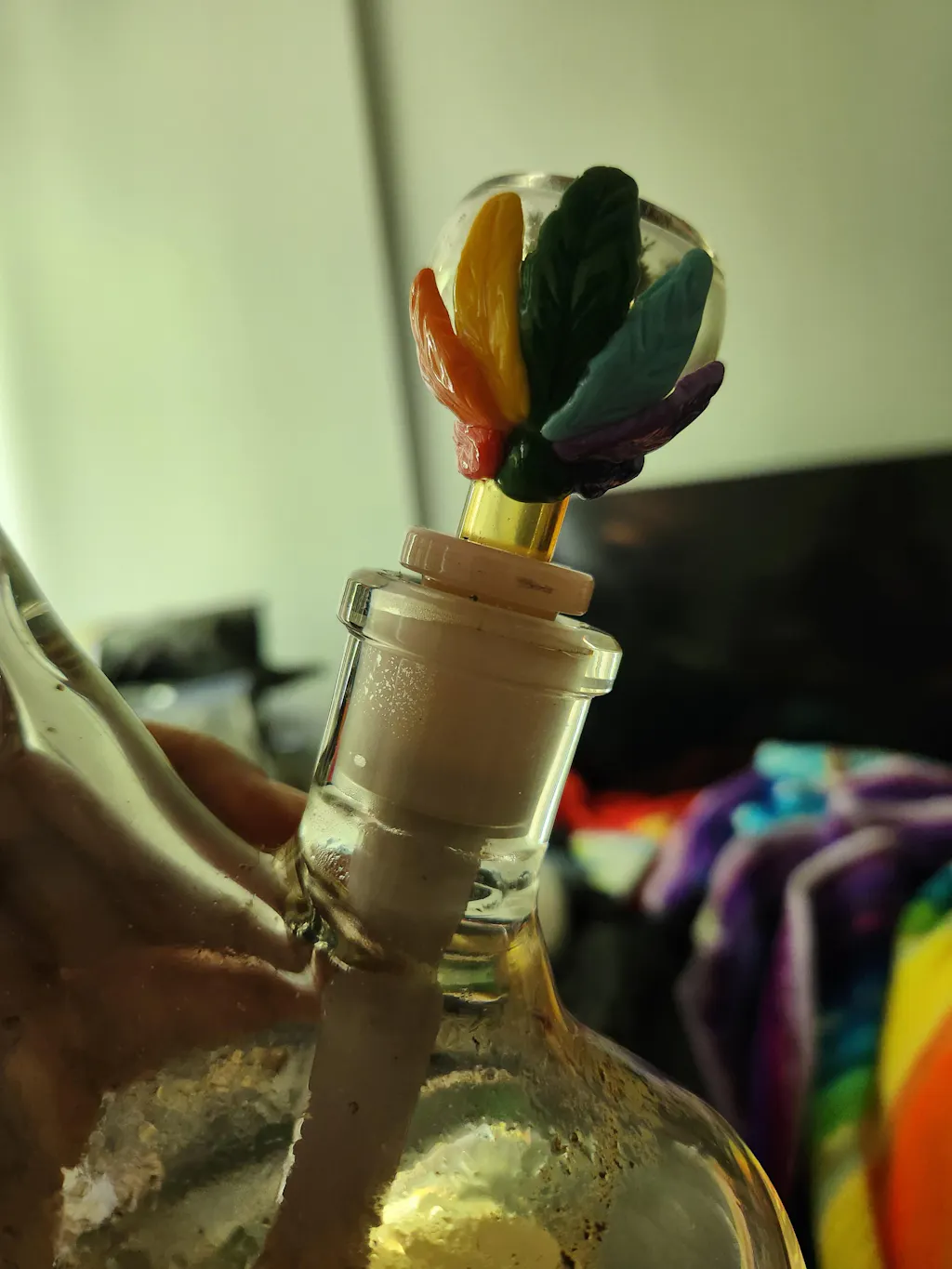
I am a smoking glass collector. Love me a good bubble 14mm bowl. It had a good seal in the downstem. Pulled very smooth. I like it. Recommend. My childhood was in the 1970s when everything was rainbow 🌈! LOVE the rainbow leaf on the side. I will say you used the prettiest ones for the ad photo.
Dr Dabber XS e-Rig Portable Vaporizer
Great shop to browse through, fast shipping
It works great
Subscribe today and get 10% off your first purchase