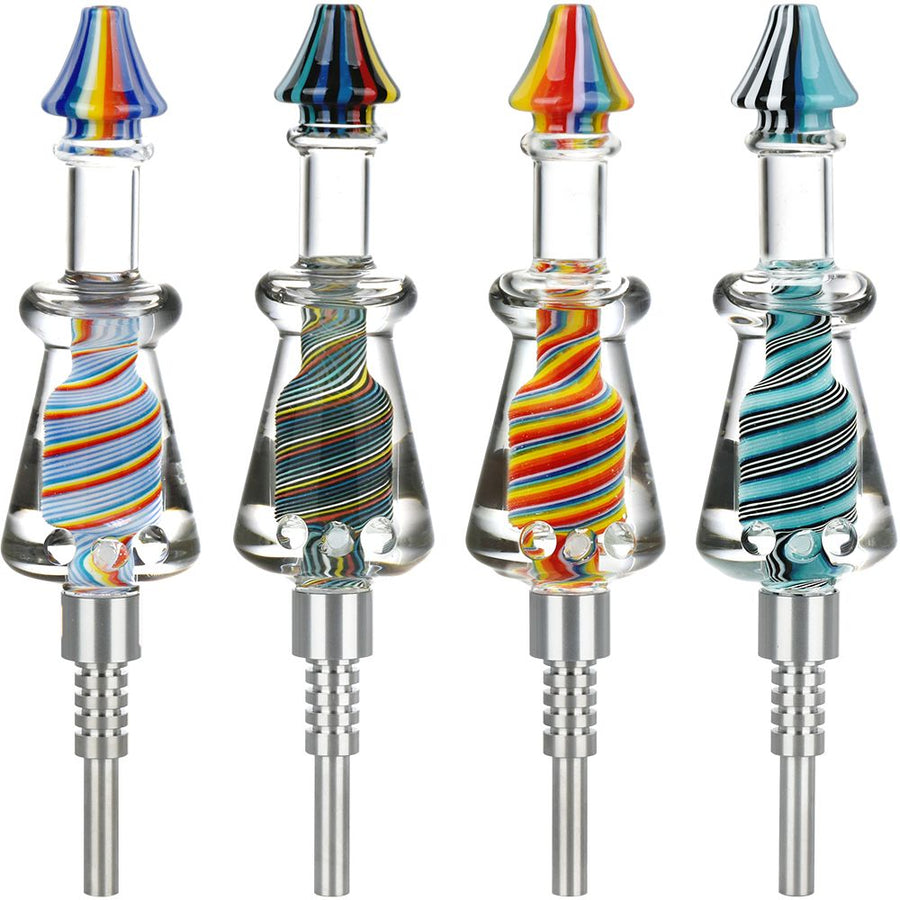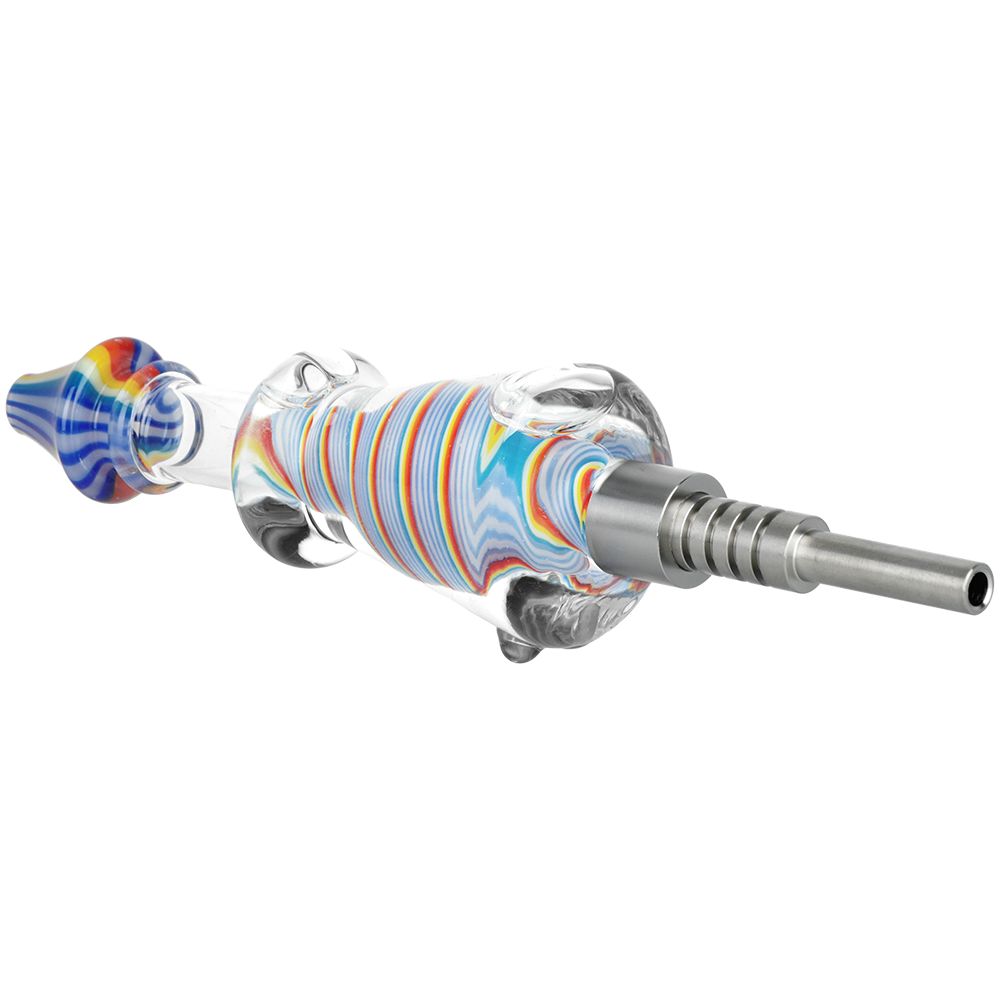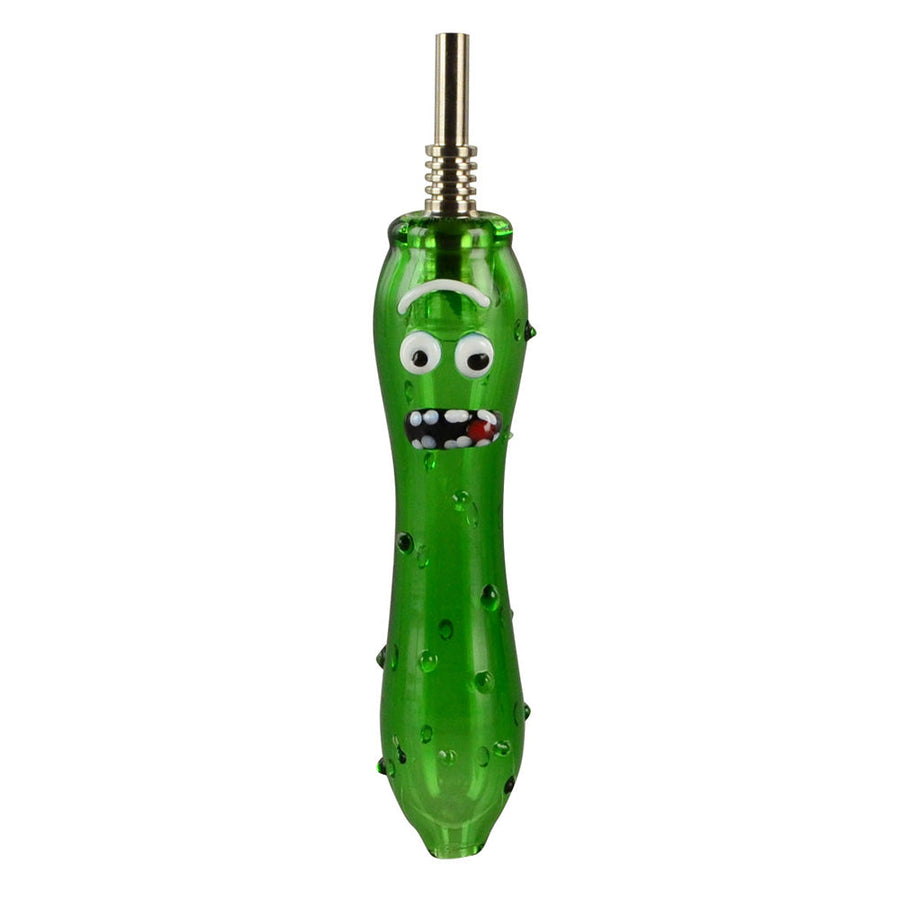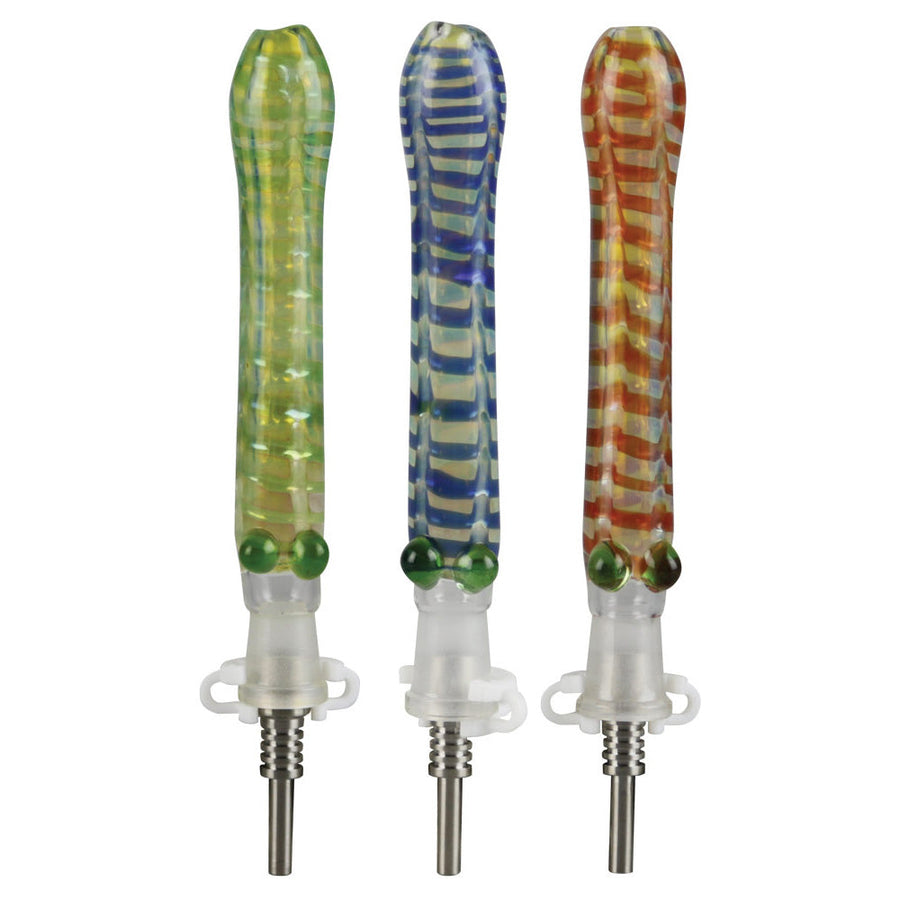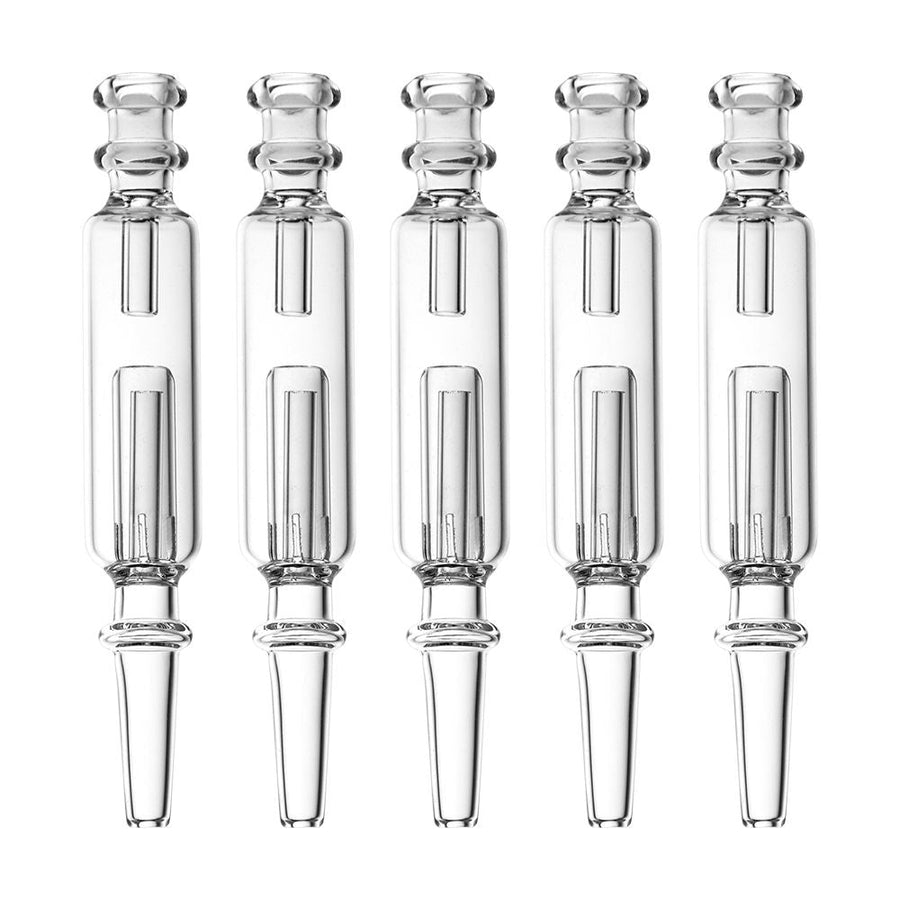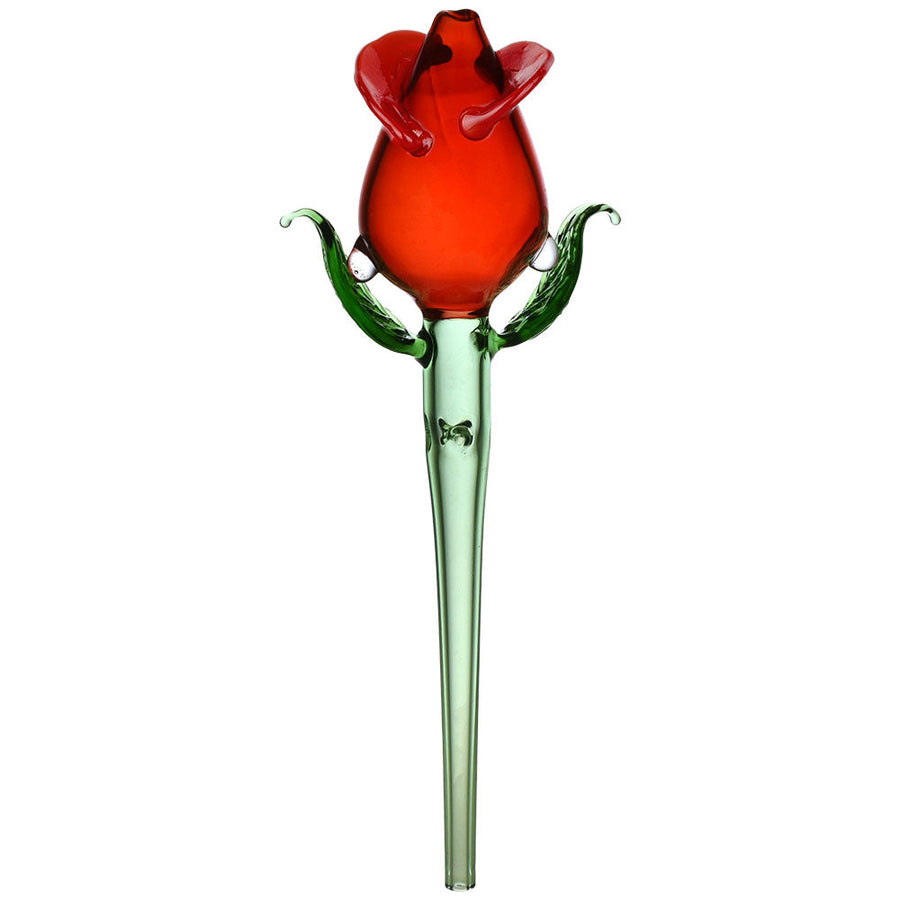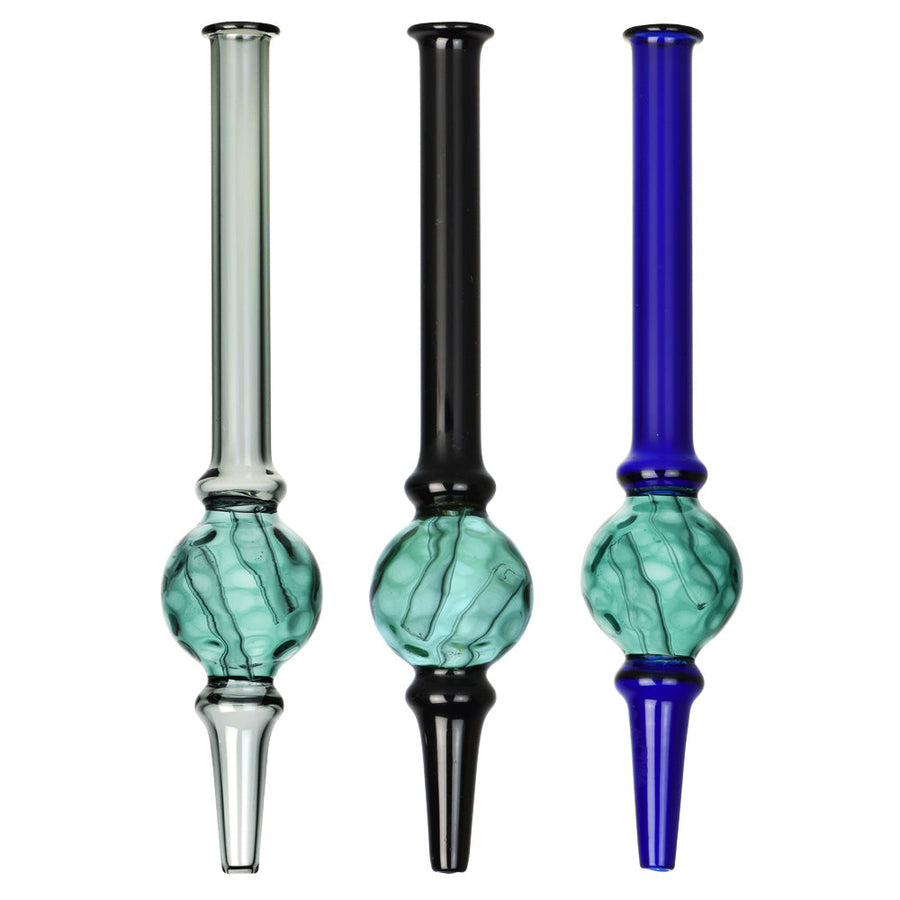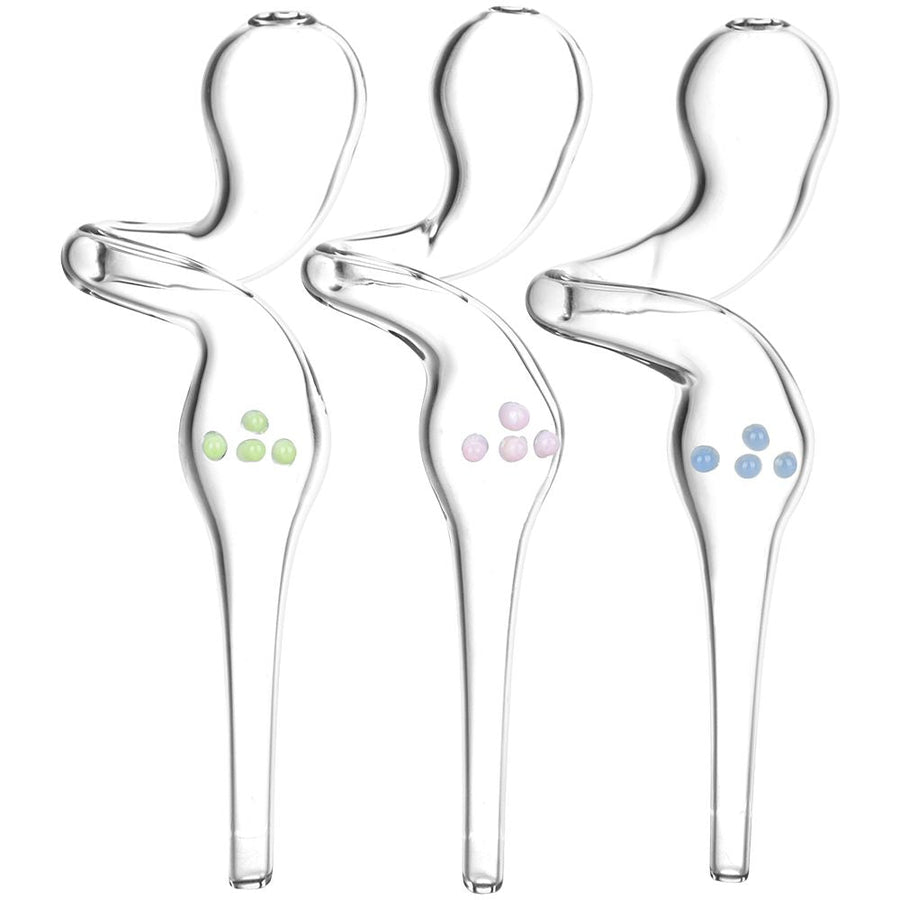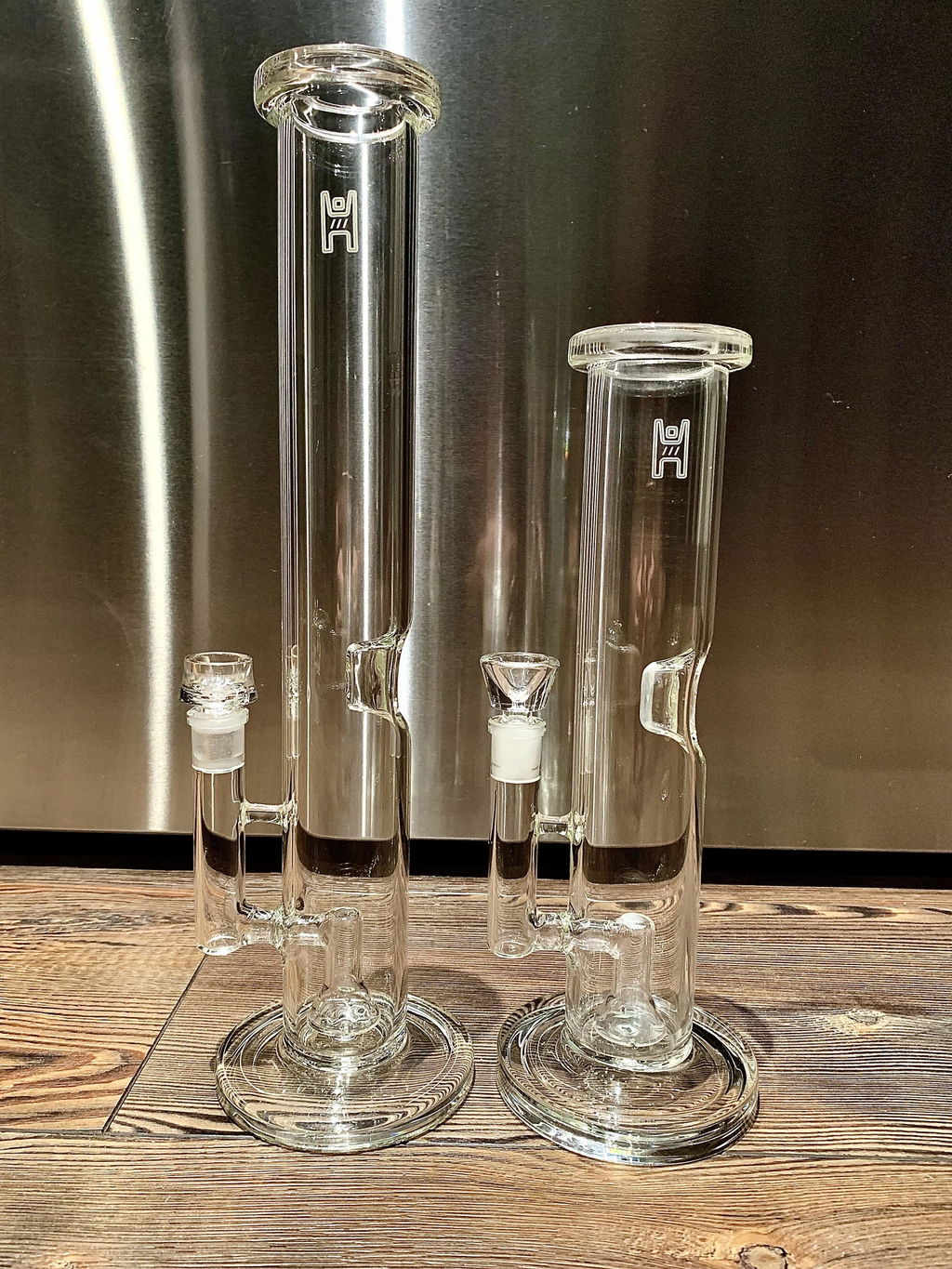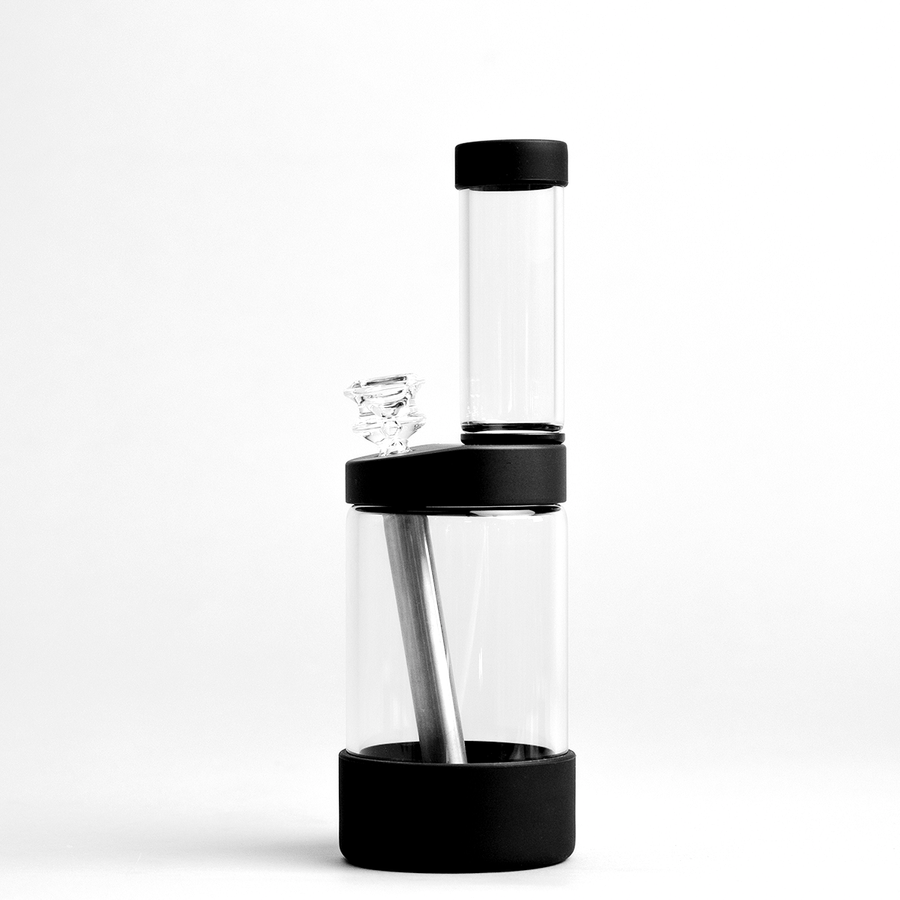




Glass Dab Straw
27 products

27 products
The straw does one job well. It turns a small amount of concentrate into vapor. You control the heat with your torch and your timing. You control the dose with the size of your dab. That makes it a good choice for quick sessions, travel, and anyone who wants less gear on the table. It also works as a backup when your rig is dirty or packed away.
Why buy here? We stock glass dab straws with thick walls, clean holes, and tips that hold heat well. We list real measurements, so you know what arrives. You can compare 4 inch minis to 10 inch models, glass tips to quartz tips, and straight tubes to bent necks. Our team answers questions before and after the sale. If you are new, we will tell you which straw is easier to heat. If you have used them for years, we will point you to thicker glass and better airflow. We pack glass with padding, ship fast, and stand behind what we sell.
You do not need a $200 rig to take a good dab. You need a clean surface, a steady hand, and a straw that does not crack when it gets hot. That is the bar we buy to. We check wall thickness, mouthpiece finish, and tip alignment. We avoid straws with sharp edges or loose tips. The result is a small tool that feels solid in your hand and gives you a hit you can repeat.
This guide covers the whole category. You will learn how a straw works, which materials matter, and how to clean one without breaking it. You will see the difference between a basic tube and a nectar collector. You will get a buying checklist and a set of answers to common questions. Use it to pick your first straw or your next upgrade.
One more thing. A glass dab straw is not a one-size tool. A 4 inch straw with a 10mm tip hits differently than a 10 inch straw with a 14mm tip. Thin glass heats fast and cools fast. Thick glass holds heat longer. Quartz tips cost more, but they take more heat cycles. You will see these trade-offs in every product. The point is to match the straw to how you dab, not to buy the biggest tube on the page.
A glass dab straw is a tube with a heated tip. The tip is usually glass, quartz, or titanium. You heat the tip with a butane torch. Then you touch the hot tip to a small piece of concentrate. The concentrate hits the hot surface and turns into vapor. You pull that vapor through the tube and into your lungs. The whole cycle takes 10 to 20 seconds once you have done it a few times.
This is vaporization, not combustion. You are not setting the concentrate on fire. You are bringing it to a temperature where the active compounds and terpenes turn into gas. That is why the flavor is cleaner than smoke. It is also why heat control matters. Too little heat gives you a weak hit and leaves a puddle. Too much heat can scorch the oil and give you a harsh, bitter hit.
Terpenes are fragile. They boil at lower temperatures than cannabinoids. A short, controlled touch can preserve more of the flavor. A long, hot touch can cook off the light notes. This is the same reason low-temp dabs taste better in a rig. With a straw, you manage that by waiting a few seconds after you heat the tip. The wait lets the surface cool from orange-hot to a working temperature.
The tube shape creates a direct path. There is no water chamber and no long vapor path. That means less surface area for vapor to cling to. It also means the hit arrives warm and fast. Some people love that. Some people prefer water filtration because it cools the vapor. Neither is wrong. It is a matter of what feels better on your throat.
Glass matters because it is inert. It does not add taste. It does not hold onto resin the way some plastics do. Borosilicate glass is common because it handles heat better than soda-lime glass. Quartz is denser and handles higher heat. Titanium tips heat fast and survive drops. Each material has a job. Clear borosilicate is the value pick. Quartz is the flavor pick. Titanium is the travel pick.
Thermal shock is the main enemy. That is when one part of the glass gets hot faster than another. The stress can cause a crack. Thick glass with a proper anneal resists that stress. So does good technique. Heat the tip slowly and evenly. Do not jam a cold straw into a hot torch flame at full blast. Do not set a hot straw on a cold wet towel. Let it cool on a dry, heat-resistant pad.
The background is simple. People have used heated metal and glass to vaporize concentrates for decades. The modern glass straw is a refined version of that idea. It is portable, affordable, and easy to clean. It does not need power. It does not need a water level. It just needs a torch and a little timing. That is why it remains a staple in head shops and in personal kits.
Not every glass dab straw is the same. The length, tip material, airflow, and water filtration all change the experience. Here are the main types you will see. Use this list to narrow your search before you buy.
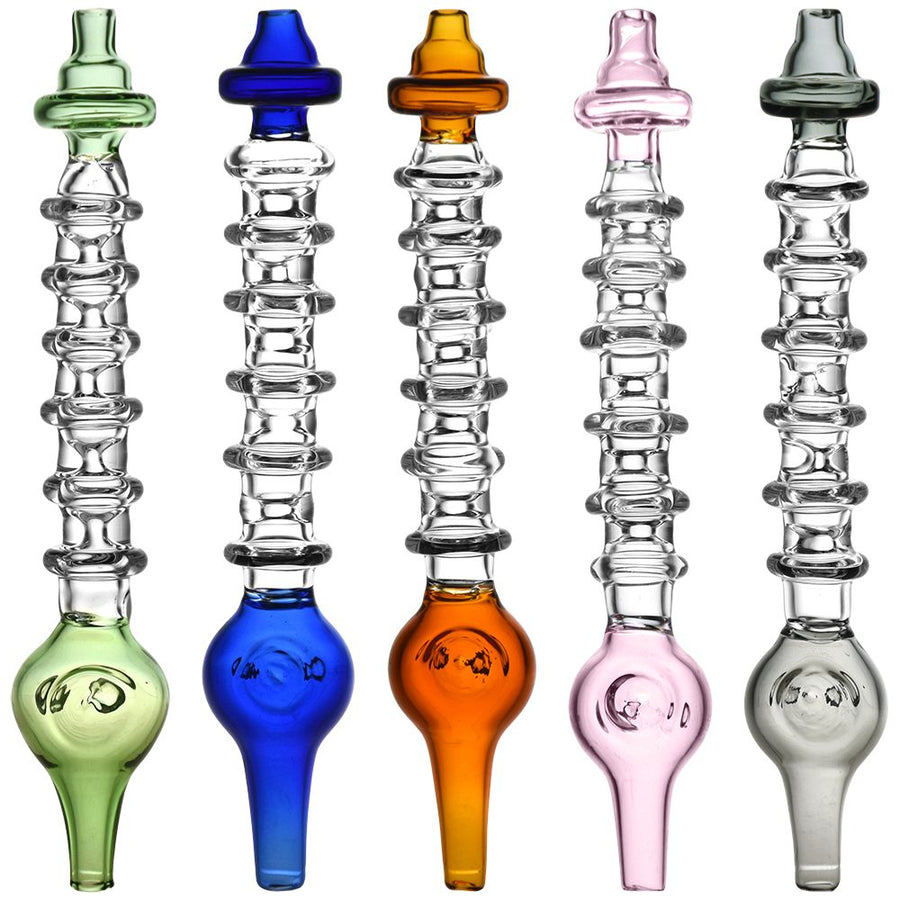
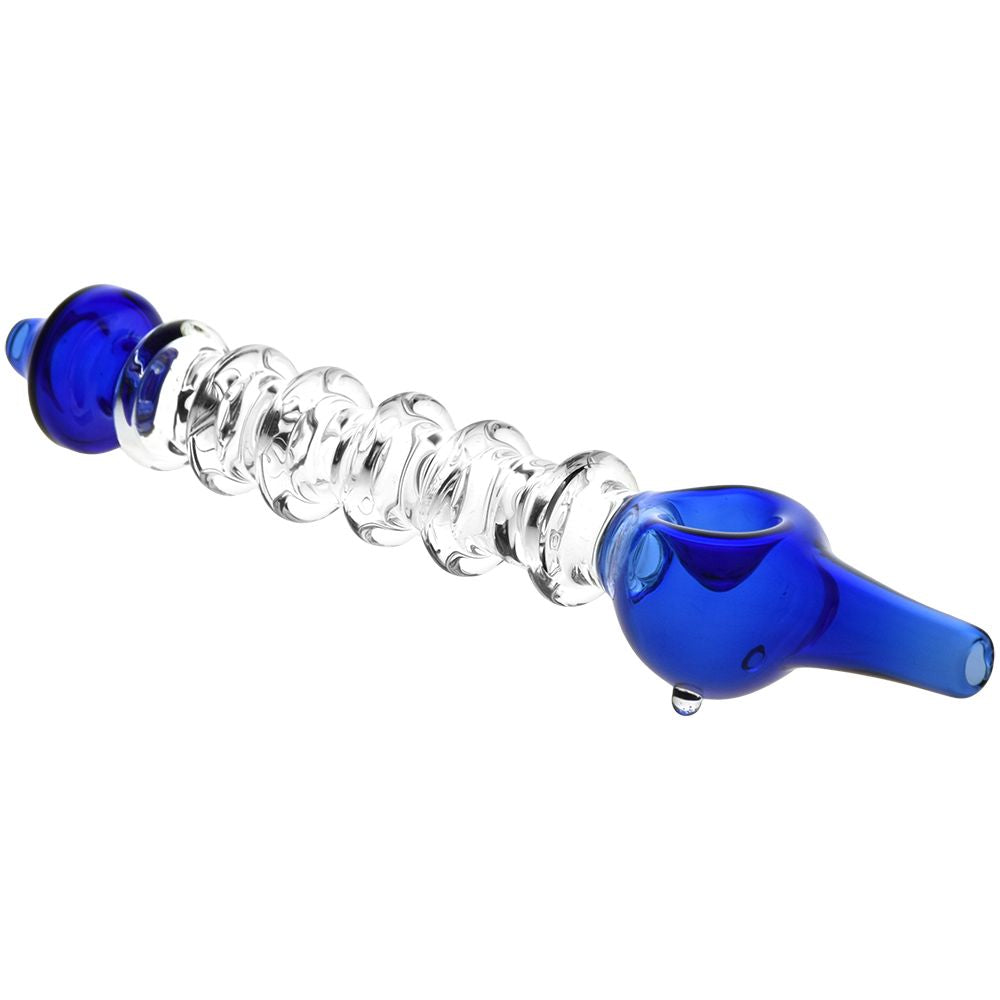
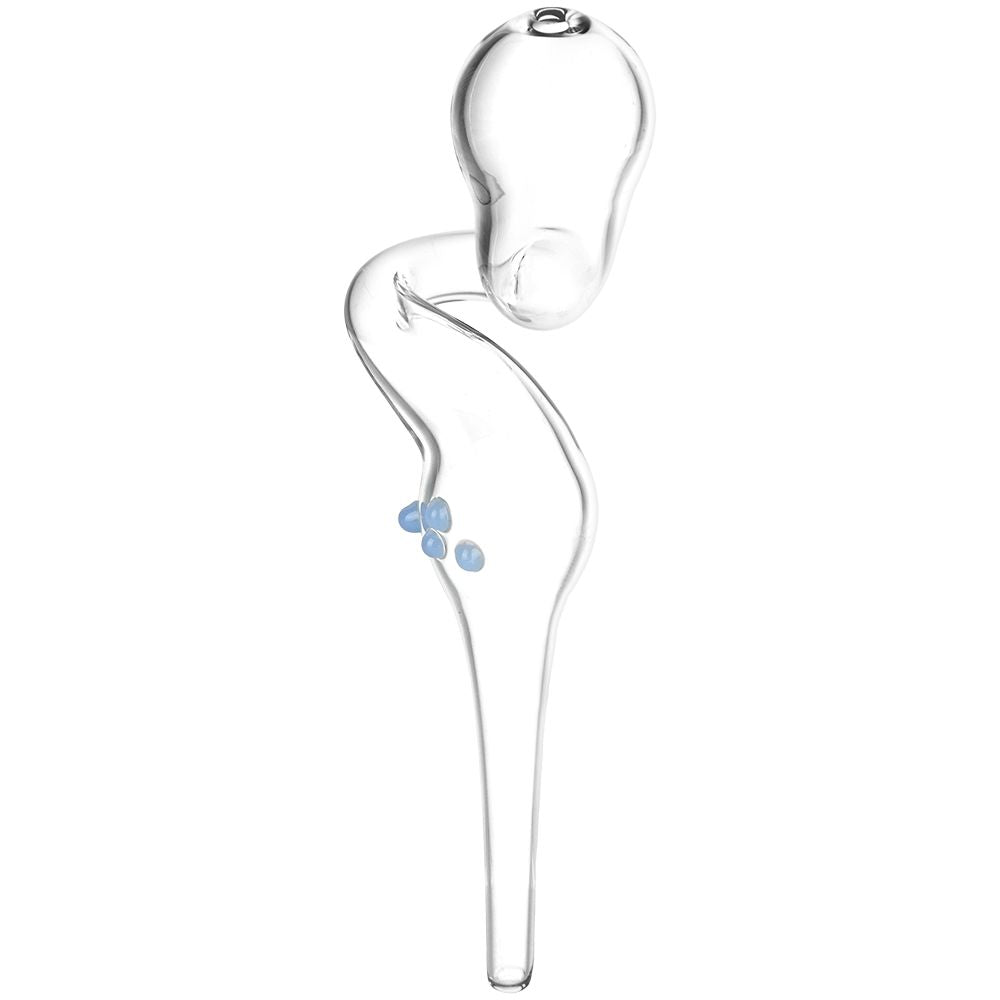
The basic straw is a straight glass tube with a flared or rounded tip. Some have a small constriction near the tip to keep oil from pulling through. Most are 4 to 8 inches long. They are the lowest cost way to try a straw. They work best with small dabs and a steady hand. You heat the tip, wait a beat, and touch the oil. The hit is direct and warm. Cleanup is a soak in isopropyl alcohol.
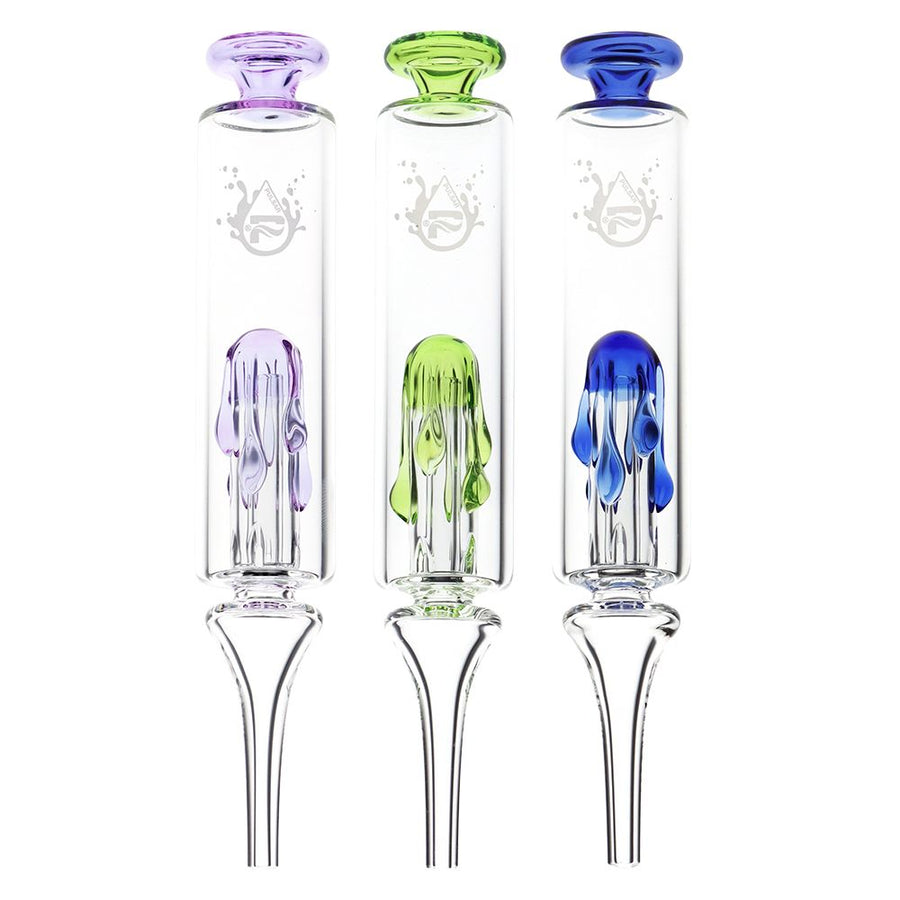
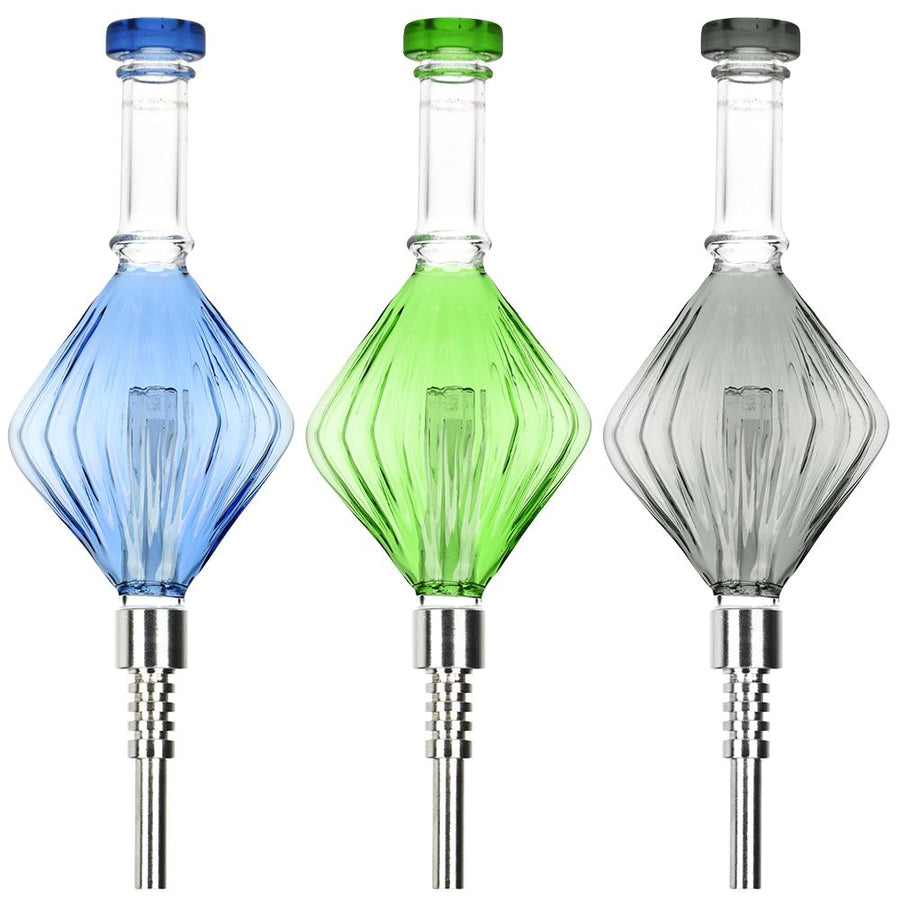
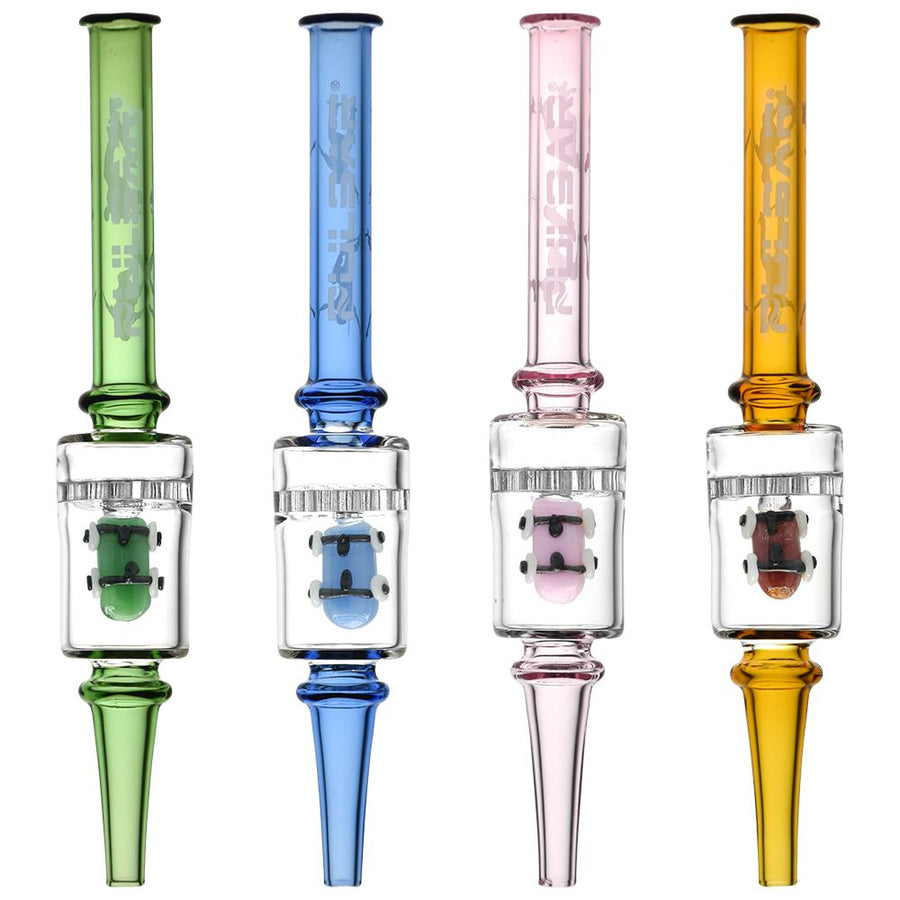
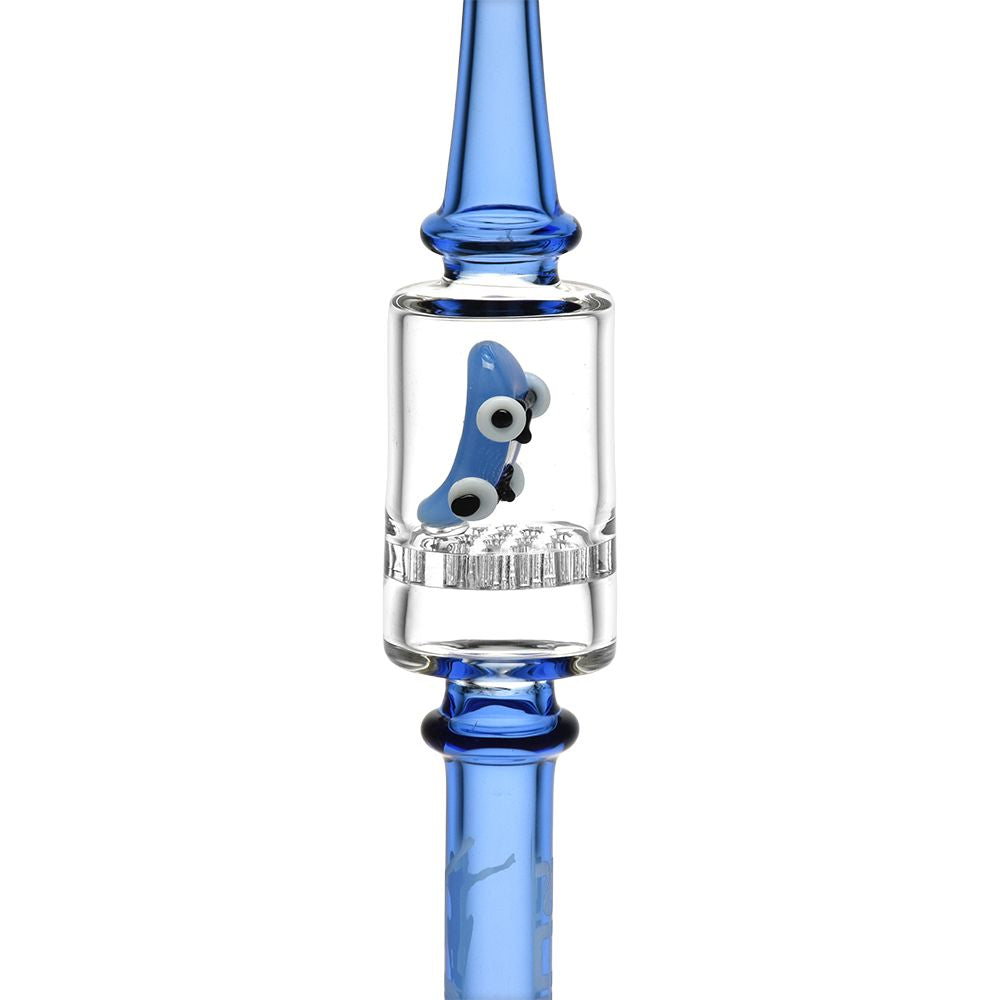
A nectar collector is a dab straw with a removable tip and often a water chamber. The tip can be quartz, titanium, or ceramic. The body can be glass, silicone, or a mix. Water filtration cools the vapor and catches some reclaim. Nectar collectors are larger than pocket straws. They are good for home use and for people who want a smoother hit. You will see straight models and bent models. You will also see models with a base that lets them stand up. If you want water filtration, this is the family to shop.
Honey dabber tools are small, simple straws or dabbers with a focused tip. They are often used for precise, small dabs. The name comes from the way the tool picks up a drop of oil. These tools are good for tasting a new concentrate. They are not made for giant hits. They reward a light touch and a short heat cycle. If you like control and flavor, put this style on your list.
Quartz tips cost more. They handle repeated heat cycles well and hold flavor clean. Glass tips are affordable and work fine if you heat them gently. Titanium tips heat fast, survive drops, and are easy to travel with. Titanium can add a slight metallic note if you overheat it. Quartz and glass are neutral. For a first straw, a glass tip is a fair start. For daily use, quartz is worth the upgrade. For a hiking bag or a glove box, titanium is the tough choice.
A straight straw is easy to clean and easy to store. A bent neck keeps your face away from the hot tip. That is a real comfort win when you are working over a table. Angled straws can make it easier to reach a dish without tipping the torch near your hand. The trade-off is cleaning. Bent necks need a pipe cleaner and a little more care. Straight tubes are simpler. Pick based on how you dab, not on looks alone.
Mini straws are 3 to 5 inches. They fit in a pocket and heat fast. They can be harsh because the vapor path is short. Standard straws are 6 to 8 inches. They balance portability and cooling. Large straws are 9 to 12 inches. They give you more distance from the hot tip and a cooler hit. They are less portable. A 6 inch straw is the safe middle for most people.
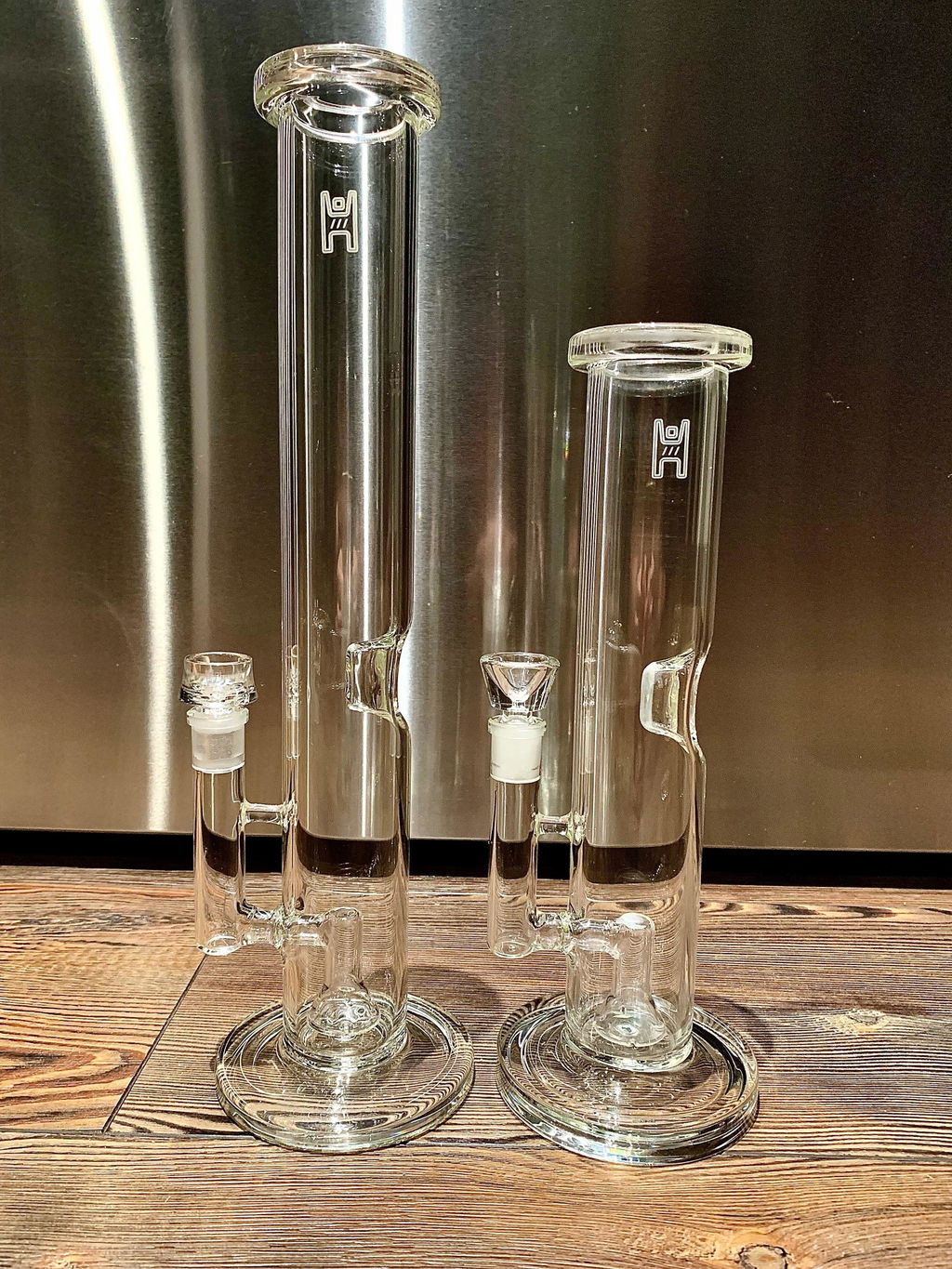
Some straws come with a small bubbler or a water chamber. You add a little water, heat the tip, and draw through the water. The water cools the vapor and can catch ash or reclaim. These setups are bigger and need more cleaning. They are not as pocket-friendly. They are a good fit if you dab at a desk and want a smoother hit. Change the water often. Stale water makes stale vapor.
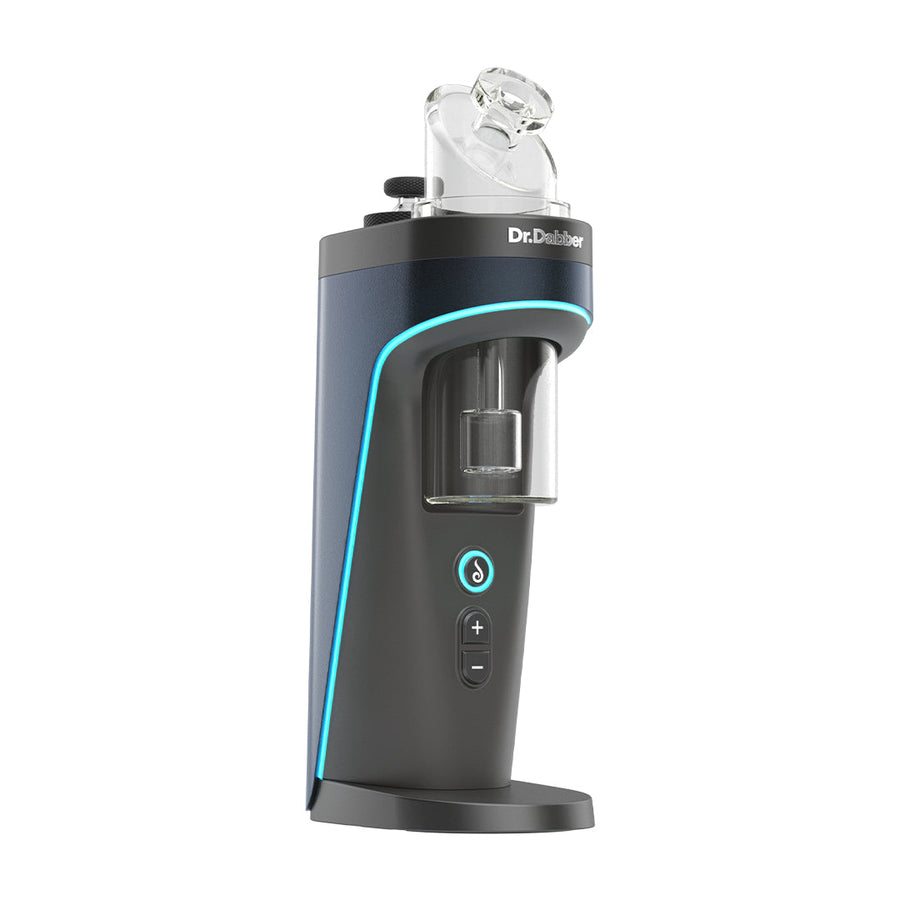
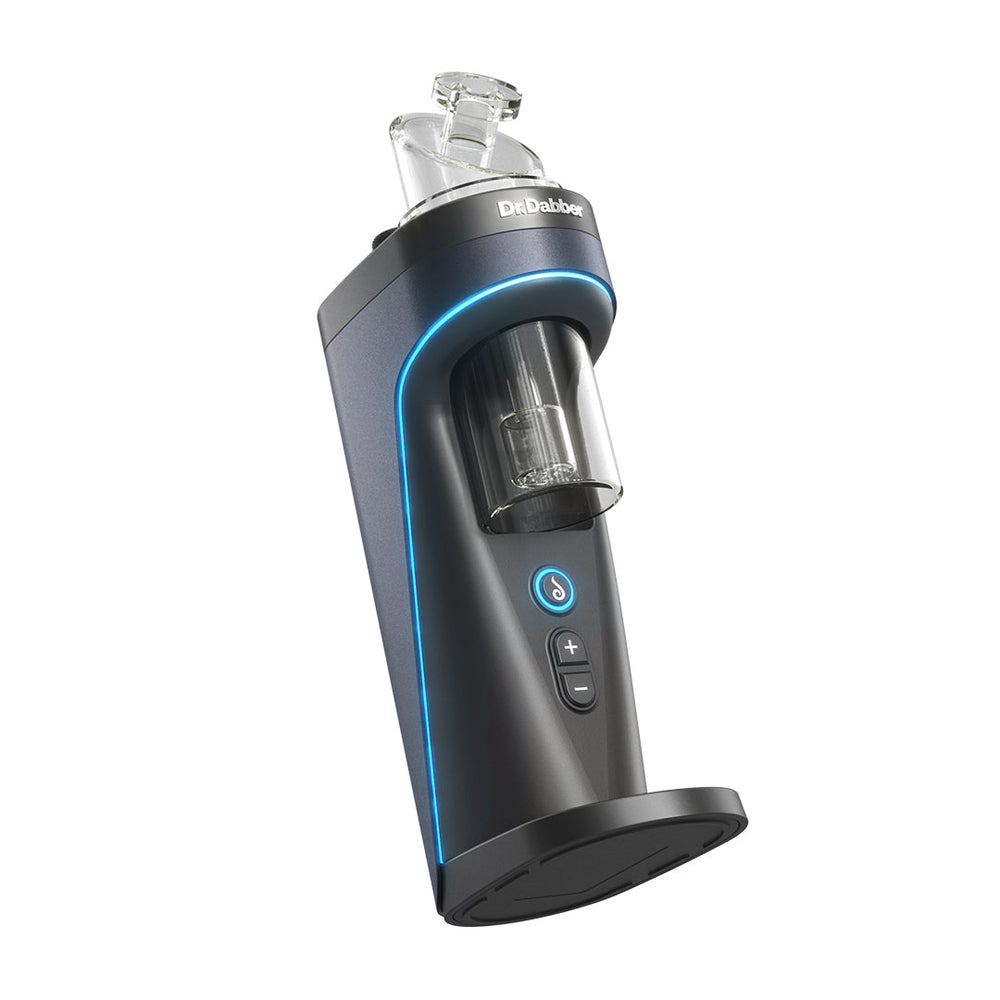
Electric nectar collectors use a battery and a heated coil instead of a torch. You press a button, wait for the coil to heat, and touch the concentrate. They are easy to use on the go. They remove the need for butane. They also add a battery, a charger, and more parts that can fail. They are a different category from a pure glass straw. If you want push-button convenience, look at electric models. If you want zero batteries, stay with glass and a torch.
Many straws use replaceable tips. That is good news. A chipped tip does not mean a new body. You can buy quartz, titanium, or glass tips. You can also add a silicone sleeve, a mouthpiece, a case, or a dab mat. A dab mat gives you a safe place to set a hot straw. A dish and dabber set gives you a clean way to handle concentrate. These small extras make the tool safer and easier to live with.
You can build a full dab setup around one straw. Start with the straw, then add the parts that make your sessions cleaner and safer. These collections are the next stops on our site.
Shop all Dab Straws to compare lengths, tip materials, and prices in one place. This is the fastest way to see what is in stock.
If you want water filtration, browse Nectar Collectors. You will find models with quartz and titanium tips plus glass bodies.
A straw is great for quick hits, but a full session at home often calls for a Glass Dab Rigs. Compare small rigs and full-size rigs.
Keep your setup dialed with Dab Rig Accessories. You will find tools, cases, and parts that work with straws and rigs.
Handle sticky concentrate without a mess with a Dishes & Dabber Sets. A clean dish makes a straw easier to use.
If you also run a rig, stock up on Dab Bangers. Quartz bangers are the core of most modern rigs.
Control airflow and heat with a Carb Caps. They are not needed for a straw, but they are key for banger use.
Protect your table and your glass with a Dab Pads. A heat-resistant pad gives you a safe place to rest a hot tip.
For small, precise dabs, look at the Honey Dabber collection. These tools reward a light touch.
Want push-button heat? See Human Sucks Electric Nectar Collectors, Bubblers & More for battery-powered options and water pieces.
Most glass straws start as borosilicate tubing. The maker cuts the tube to length and shapes the tip with a torch or a lathe. The tip may be flared, rounded, or ground flat. The mouthpiece gets a smooth fire-polish so it does not cut your lips. Then the piece goes into an annealing kiln. Annealing is a slow cool-down. It removes stress from the glass. A well-annealed straw can take heat without cracking. A poorly annealed straw may look fine and fail on the third session.
Quartz tips are made from fused quartz tubing. Quartz is harder and more heat resistant than borosilicate. It costs more and takes more skill to work. A good quartz tip has a clean hole and even wall thickness. A cheap quartz tip may have bubbles or a rough edge. Those flaws can cause weak spots. If you buy quartz, look for clear, bubble-free glass and a smooth tip.
Titanium tips are machined from grade 2 titanium. The tip is threaded or press-fit into a glass or silicone body. Grade 2 is the common choice for dab tools because it resists corrosion and handles heat. A good titanium tip has a clean seam and no sharp burrs. It should fit the body without wobble. A loose tip can leak air and make the hit weak.
Sourcing matters. Clear glass from a known supplier is more consistent than no-name tubing. Consistency means the wall thickness is even and the straw heats without hot spots. We avoid straws with visible cracks, chips, or cloudy patches. We also avoid painted glass near the tip. Paint can flake or burn. Colored glass is fine if the color is in the glass, not on it. Worked glass can be beautiful, but check the tip and mouthpiece first. Those are the parts that touch your concentrate and your mouth.
The straw does not extract anything from the plant. Extraction happens before the straw. Solventless rosin is pressed with heat and pressure. Solvent-based extracts are purged in a vacuum oven. Live resin is made from fresh frozen plant material. The straw only vaporizes what you put on it. A clean straw will not fix a dirty concentrate. A dirty straw will make good concentrate taste bad. That is why cleaning matters as much as buying.
Quality checks are simple. Look down the tube. The hole should be round and clear. Run your finger around the mouthpiece. It should feel smooth. Check the tip for chips. Roll the straw on a flat table. It should not wobble. If it has a removable tip, seat it and check for play. A good straw feels solid. A bad one feels like it will break if you look at it wrong.
A glass dab straw gives you a fast, direct hit. There is no heat-up time for a rig. There is no water to change. You heat the tip for 10 to 20 seconds, wait a few seconds, and touch the oil. That makes it a good tool for a quick session or a small taste. It is also easy to pack. A 6 inch straw with a case fits in a backpack or a drawer.
Flavor is the big win. The vapor path is short and glass is neutral. You get the terpenes up front. The first hit from a clean straw can be very loud. The second hit may be less bright because the tip is cooler. That is normal. If you want a full-flavor hit every time, clean the straw between sessions and use a fresh tip temperature. Do not rip a huge dab on a tiny straw. Small dabs taste better and waste less.
Hit size depends on the tip and your pull. A wide tip and a strong pull give a bigger hit. A narrow tip and a slow pull give a smaller, more controlled hit. You will cough if you overdo it. That is not a badge of honor. Start small. A grain of rice is a good starting point for many concentrates. You can always take another hit. You cannot put the vapor back.
The straw is low maintenance. You do not need to clean a water chamber. You do not need to replace a battery. You do need to clean the tube. Resin builds up and restricts airflow. A dirty straw tastes like old oil. Soak it in 91% isopropyl alcohol, run a pipe cleaner through it, rinse with warm water, and let it dry. Do that once a week for daily use. Do it more often if you use saucy concentrates.
Durability is good if you treat it right. Borosilicate glass handles heat and drops better than soda-lime. It is not unbreakable. A straw can crack if you heat one spot too long, set it on a cold surface, or knock it off a table. A dab mat helps. A case helps more. If you are hard on gear, a titanium tip and a silicone body may last longer. Glass is the flavor pick. Titanium is the tough pick.
What to expect on the first try? You may overheat the tip. You may touch the oil too soon or too late. You may pull too hard and get a mouthful of vapor. That is normal. Give it three or four tries. Heat, wait, touch, inhale. Keep the tip moving. Do not dig into the dish. Let the oil melt onto the hot tip. You will find a rhythm.
Safety is part of the deal. The tip gets hot enough to burn. Keep it away from your face, your clothes, and anything plastic. Use a heat-resistant pad. Keep a torch on a stable surface. Do not heat a straw that is wet or cracked. Do not use a straw near children or pets. Let it cool completely before you clean it. These are simple rules. They keep a simple tool from becoming a problem.
Start with length. A 4 to 5 inch straw is a pocket tool. It heats fast and hits warm. A 6 to 8 inch straw is the all-around choice. It gives you a little more cooling and still fits in a case. A 9 to 12 inch straw is a desk piece. It gives you distance from the hot tip and a cooler hit. If you are new, pick 6 inches. If you travel, pick 5 inches or less. If you dab at home, pick 8 inches or more.
Next, pick the tip material. Glass is the budget pick. It works, but it can chip. Quartz is the flavor and heat pick. It costs more and lasts longer with proper care. Titanium is the durable pick. It heats fast and survives drops. Ceramic is another option. It is neutral and easy to clean, but it can crack if you bang it. Match the tip to your habits. A quartz tip for daily desk use. A titanium tip for a bag or a car kit. A glass tip for a first straw on a budget.
Check wall thickness. Thick glass holds heat longer and resists thermal shock. Thin glass heats fast but can crack. You cannot always see thickness online. Look for the word thick or heavy in the listing. Check the weight if it is listed. A 6 inch straw that weighs 30 grams is thicker than one that weighs 18 grams. If you are rough on glass, go thicker. If you want a light pocket straw, go thinner and treat it with care.
Look at the airflow. A straw with a wide mouthpiece and a wide tip gives a big, airy hit. A narrow mouthpiece and a narrow tip give a restrictive, concentrated hit. Some people like a tight pull for flavor. Some like an open pull for volume. If you are not sure, pick a middle-size tip. A 10mm or 12mm tip is a good start. A 14mm tip is for bigger hits. A 6mm tip is for small, precise dabs.
Decide on water filtration. A straight straw is simple and portable. A nectar collector with a water chamber is smoother and bigger. Water adds cleaning steps. It also adds breakable parts. If you mostly dab at a table, water is nice. If you mostly dab on the go, skip it. You can always add a water piece later. You cannot make a big water piece pocket-sized.
Budget for the extras. A torch, butane, a dab mat, a dish, a dabber, and a case all matter. A $20 straw with a $5 mat and a $10 case will last longer than a $60 straw rattling loose in a bag. Do not forget cleaning supplies. A bottle of 91% isopropyl alcohol and a pack of pipe cleaners cost little and save every session. A small dab mat gives you a safe place to set the hot tip. That is not a luxury. It is part of the tool.
Price ranges are broad. Simple glass straws often cost $10 to $25. Quartz-tipped straws and nectar collectors often cost $25 to $75. Worked glass and premium water pieces can cost $75 to $200 or more. You do not have to spend a lot to get a good hit. You do have to check the tip, the mouthpiece, and the glass. A cheap straw with clean edges can outperform an expensive straw with a rough tip.
Set up before you heat. You need your straw, a torch, a small dab of concentrate, a dabber, and a heat-resistant pad. Keep the torch on a stable surface. Keep your hair and sleeves away from the flame. Have the dab ready before you heat the tip. You do not want to hold a hot straw while you dig for oil.
Step one: load a small dab. A grain of rice is a good start. Put it on a dish or a dabber. Do not use a huge glob. A big dab on a straw can drip into the tube and make a mess.
Step two: heat the tip. Move the tip through the flame. Do not hold it in one spot. Heat it evenly for 10 to 20 seconds. The tip should get hot, but you do not need to get it white-hot. For a glass tip, stop before it glows bright orange. For quartz, you can go a little hotter. For titanium, heat until it is hot but not red. Let the tip cool for 3 to 8 seconds. The wait is the temperature control.
Step three: touch and inhale. Touch the hot tip to the edge of the dab. Inhale slow and steady. Keep the tip moving. Do not push the tip into the dish. The oil will melt and vaporize on contact. If the hit is weak, wait a second and touch again. If the hit is harsh, you overheated the tip or pulled too hard.
Step four: cool and clean. Set the straw on a heat-resistant pad. Let it cool completely. Do not run it under cold water while it is hot. That is how glass cracks. Once it is cool, soak it in 91% isopropyl alcohol. Use a pipe cleaner for bent necks. Rinse with warm water. Let it dry before the next session.
Store it in a case. A soft case keeps dust off the mouthpiece and protects the tip. Do not store it loose with keys or tools. Do not leave it in a hot car. Do not put it in a pocket with a lighter. A little care adds years to the tool.
A glass dab straw is a glass tube with a heated tip. You heat the tip with a torch, touch it to a small dab of concentrate, and inhale through the other end. The concentrate vaporizes on contact. The vapor travels through the tube to your mouth. There is no water and no battery. It is a simple, direct way to take a dab. The key is heat control and a small dab.
Quartz handles more heat cycles and resists thermal shock better than borosilicate glass. It also stays neutral in taste. That makes it a good pick for daily use. Glass is cheaper and works fine if you heat it gently. Titanium is the toughest option. If you want the best flavor and you dab often, quartz is worth the extra cost. If you are buying your first straw, glass is a fair start.
Hot enough to vaporize the concentrate, but not so hot that it scorches the oil. There is no single number because tip materials and torch sizes differ. Use the glow as a guide. Glass should not glow bright orange. Quartz can take more heat. Titanium heats fast. After you heat, wait 3 to 8 seconds before you touch the oil. That wait is your temperature control. Start with a shorter heat and add time if the hit is weak.
Yes, a straw works with shatter, budder, live resin, rosin, and most hash oils. The texture changes how you load it. Shatter can snap off in a small piece. Budder can be pinched. Live resin can be saucy, so keep it cold and use a dabber. Soft concentrates can drip into the tube if you use too much. Keep dabs small and touch the tip to the edge of the oil.
Let it cool completely. Soak it in 91% isopropyl alcohol for 20 to 30 minutes. Use a pipe cleaner or a cotton swab to loosen resin. For a straight tube, you can shake alcohol inside with a little coarse salt. Rinse with warm water. Let it air dry. Do not use boiling water. Do not put hot glass in cold water. Clean once a week for daily use, or more often if you use saucy concentrates.
Yes. A 4 to 6 inch straw fits in a pocket, a purse, or a small case. You still need a torch and a dab, so it is not as simple as a battery vape. A mini straw and a small torch make a compact kit. If you want the smallest setup, look at a titanium tip and a short glass body. Always use a case. A loose straw in a bag is a broken straw waiting to happen.
No. A dab straw does not use a banger or a carb cap. It has its own heated tip. A carb cap is for a banger on a rig. A banger is a quartz bucket that you heat and then cap. If you already have a rig, you can shop bangers and carb caps separately. If you are using a straw, put your money into a good tip and a safe mat.
With care, a thick borosilicate straw can last months or years. The tip is the weak point. It can chip or crack if you overheat it or drop it. A removable tip makes repairs easy. A fixed tip means you replace the whole straw. Clean it often, store it in a case, and do not heat a cracked straw. If you see a crack near the tip, stop using it. A broken straw can send glass into your mouth.
A 6 inch straw is the best all-around size for most people. It is long enough to cool the vapor a little and short enough to store easily. A 4 inch straw is a pocket pick. An 8 inch straw is a desk pick. A 10 inch straw is for home use and bigger hits. If you have never used a straw, start in the middle. You can add a mini or a large one later.
A nectar collector is a type of dab straw. It usually has a removable tip and often a water chamber. A basic dab straw is a simple glass tube. A nectar collector is more like a small rig that you use as a straw. Both work the same way: heat the tip, touch the oil, inhale. The difference is size, water filtration, and replacement parts. Pick based on where and how you dab.
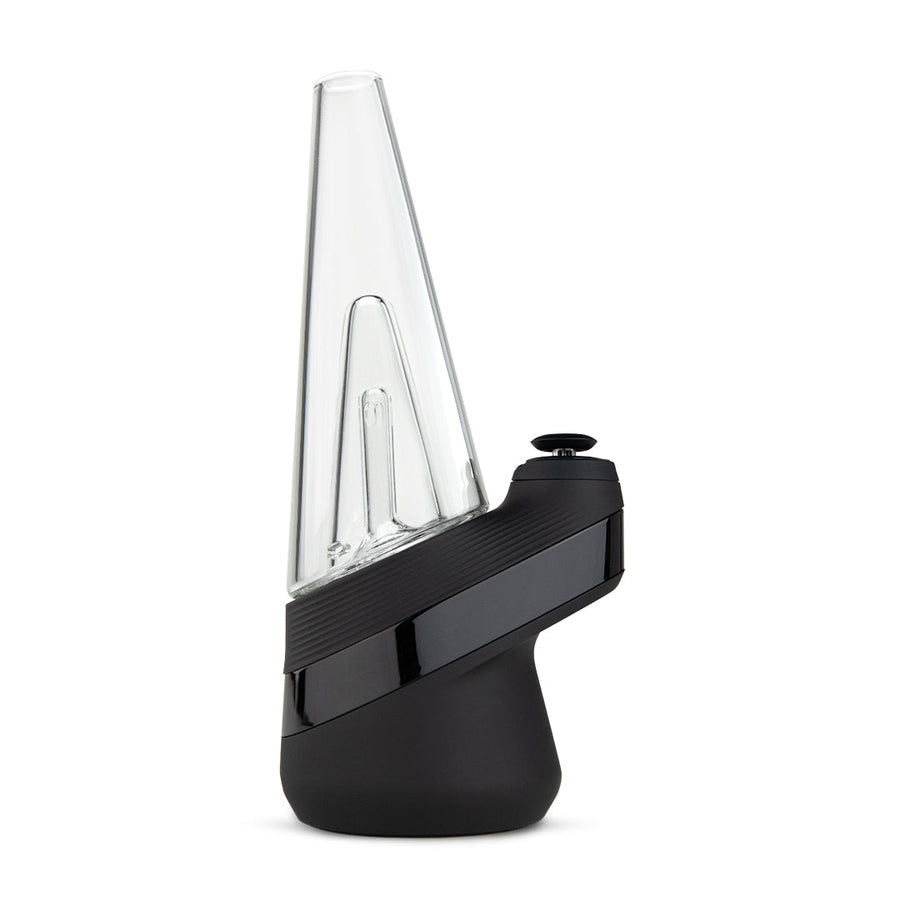
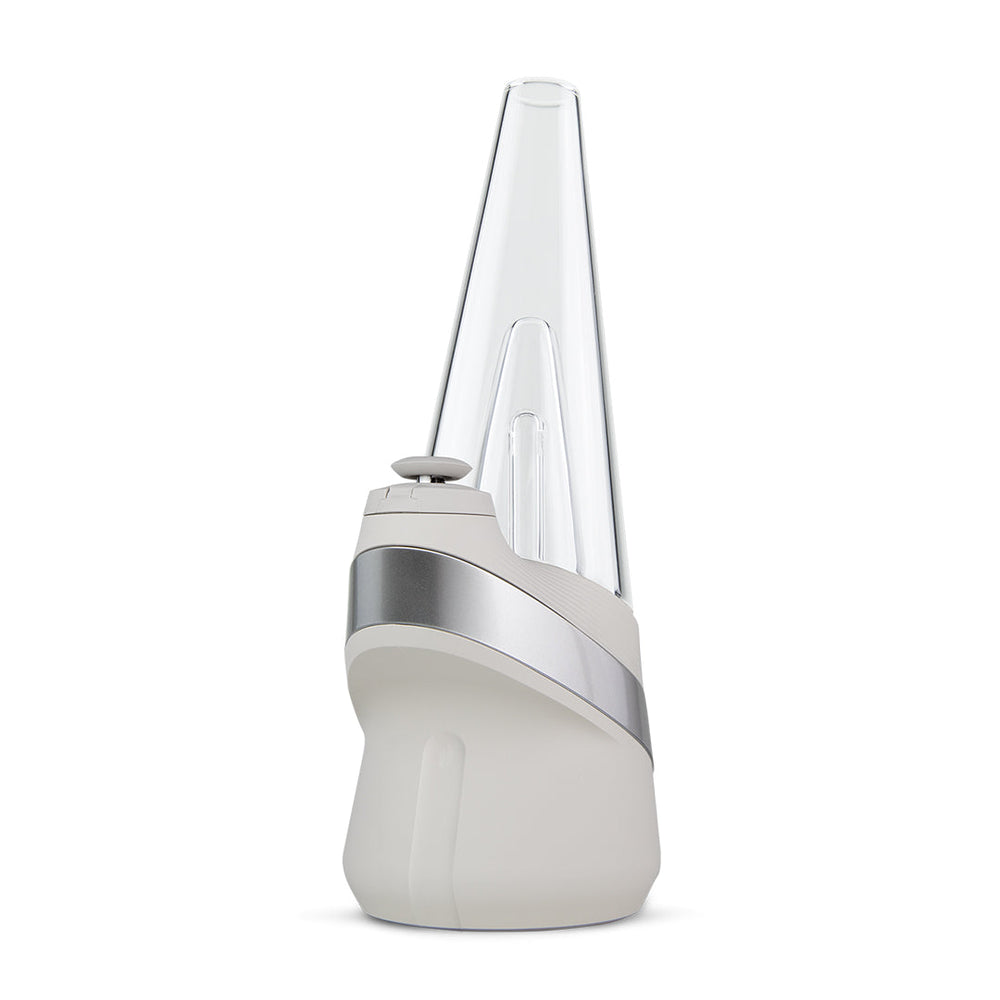
I will shop here again. I bought a puffco peak which developed a faulty chamber days after I bought it and puffco sent me a new chamber. Very satisfied!
This bong is a monster hitter. I've seen similar items that my local shops for at least 3 times more than what I bought this one for. The product is quality is absolutely amazing. And it functions perfectly. The customer service is beyond reproach. I would highly recommend this shop. This online company to anyone. The only thing I could say is when you order. It may take a little while for you to receive your product. And when I say a little while, I mean, for me, I live in Utah, and it took about a week. But even that hey, patience is a virtue, When you're ordering quality. Just found out, you can pay for quicker shipping. Take care all.
Solid design, really could tell the difference in air flow
This is a great bowl. Its shape makes it easy to handle and pick up. The actual bowl shape allows for an even burn without clogging. Definitely recommend!
compact, well made and the pieces come apart for ease of cleaning.
Great device! Great for travel, you don't have to take a whole rig with you and still enjoy your concentrates. The dual use feature is an excellent addition, heat your concentrates to the prefect temperature at a fraction of the price!
Love it ♥️
Nice and thick 👍 Hits well and it really keeps the heat.
I love this device! Last year I purchased the 12” version. I felt it was a bit small as the flame is close to your face upon lighting. Recently I was looking again and came across the 18”. Think that may be too much but then I saw the 15”. Perfect! Better ergonomics, it just fits better and has a better draw. Just as easy to clean. Looks like it’s never been used if you clean it daily. I also recommend buying a nicer bowl than what it is supplied with. The standard ones work but clog easily. Pictured are the additional bowls.
Great place to shop for your goods. Many devices of all types. I’ve placed a couple orders and I have been very pleased.
These are my favorite spoon. They hit great and are easy to clean and the size is just right.
Does the trick
Product was exactly as advertised.
Everything went smoothly no issues
Over 1/2 my neck is held together with titanium it helps ease the pain
Easy to use and clean