![Vessel Helix Pipe [Copper] - Headshop.com](http://www.headshop.com/cdn/shop/files/ad3c0443-b76d-4fe5-84b8-a617dd50a950.jpg?v=1747419387&width=900)
![Vessel Helix Pipe [Copper] - Headshop.com](http://www.headshop.com/cdn/shop/files/7b0e06e3-9106-4684-80e4-408362c34085.jpg?v=1747419388&width=1000)
![Vessel Vista Edge [Cobalt] + - Headshop.com](http://www.headshop.com/cdn/shop/files/eeb7d469-ad7e-4a94-9f1b-14e53e558723.jpg?v=1717696904&width=900)
![Vessel Vista Edge [Cobalt] + - Headshop.com](http://www.headshop.com/cdn/shop/files/89f3c547-10cd-4f66-87e2-953d85ddf7b5.jpg?v=1717696907&width=1000)


![Vessel Drift Case [Olive] - Headshop.com](http://www.headshop.com/cdn/shop/files/bcf30faf-8c6e-478d-a317-2a580dba197e.jpg?v=1768365177&width=900)
![Vessel Drift Case [Olive] - Headshop.com](http://www.headshop.com/cdn/shop/files/b91ca13e-53ae-40ff-963a-43ba10195212.jpg?v=1768365178&width=1000)
Chastity Belts
8 products
Free Shipping 🌿 On Orders Over $100
Spend $100 Save 20% 🔥Father's Day Sale
Free Shipping 🌿 On Orders Over $100
Free Shipping 🌿 On Orders Over $100
8 products
Chastity belts put control exactly where it belongs, and we carry every style worth considering for serious D/s play.
A chastity belt is a wearable restraint device designed to restrict sexual access or prevent self-stimulation. Originally a historical concept, modern chastity belts are purpose-built for consensual BDSM dynamics, power exchange relationships, and orgasm denial play. They range from minimalist cage-integrated waistband designs to full-coverage metal shields, and the right one depends entirely on your anatomy, your dynamic, and how long you plan to wear it.
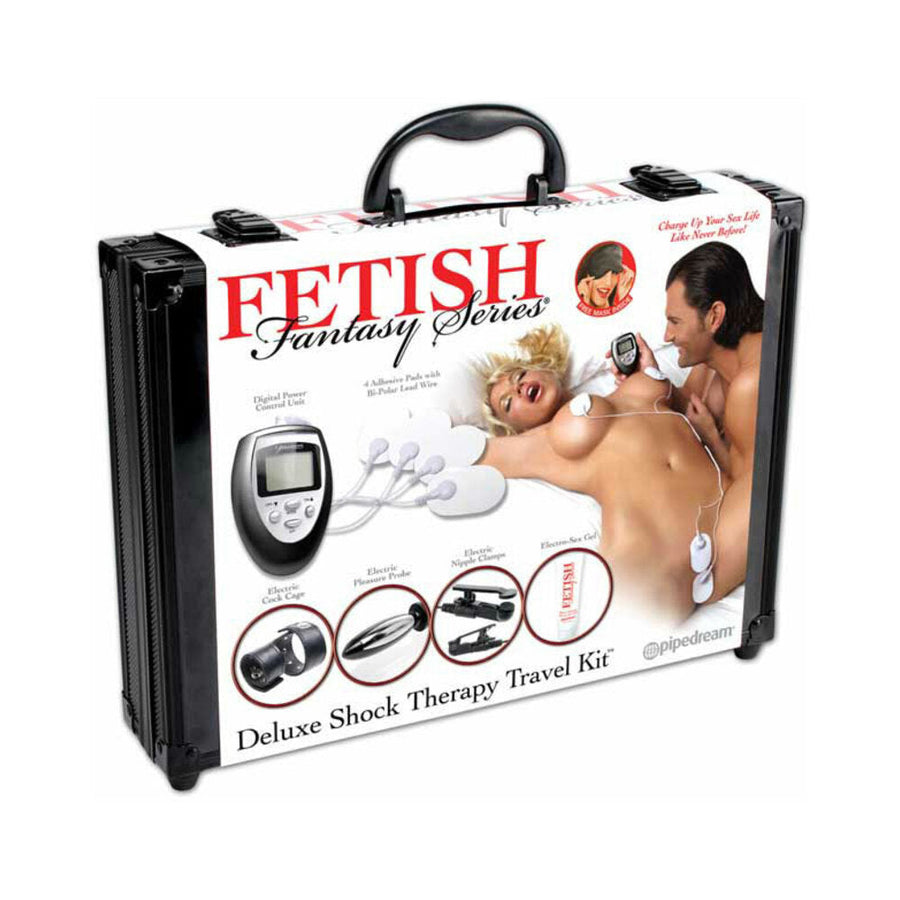
Male chastity belts combine a waist or hip band with a cage or sheath that secures the penis and, in many designs, restricts access to the perineum as well. They offer more coverage and positional security than a standalone cage, making them a popular choice for long-term wear or for submissives whose keyholders want maximum control. Materials range from stainless steel to medical-grade silicone to rigid ABS plastic.
Chastity cage belts integrate a classic cock cage with an anchoring belt system. The belt prevents the cage from being pulled off, which is the main workaround people find with ring-only cages. If escape-proof security is the goal, a cage belt combo is the more reliable architecture. These come in both metal and plastic builds, with varying levels of ventilation and hygiene access.
Some chastity belt designs go further, incorporating vibrating or stimulating elements that the wearer cannot control or remove. These are sometimes called compelled climax belts. The person wearing it may be forced into repeated stimulation without the ability to reach full release, or stimulated on a timer or remote trigger. These sit at the more advanced end of BDSM toy design and are built for experienced players who have clear communication and safe-word protocols in place.
Not every chastity belt fits every body, and fit is the most important factor. A device that pinches, cuts off circulation, or shifts during movement is a safety issue, not just a discomfort. Here is what to evaluate before buying.
Chastity play is one of the most intimate and psychologically intense forms of power exchange. Handing over physical control of your body, or holding that control over a consenting partner, requires clear negotiation, ongoing check-ins, and agreed-upon limits before any device goes on. Safe, sane, and consensual are not just buzzwords here. They are the foundation.
Many practitioners use chastity belts within larger D/s or M/s relationships, sometimes as a 24/7 dynamic element and sometimes for scene-specific play. The device is a physical anchor for the psychological dynamic. The lock matters less than the agreement behind it.
Some are designed for extended wear, but comfort and hygiene depend heavily on fit and material. Start with shorter sessions to assess fit and skin response before attempting long-term wear. Always follow the manufacturer's hygiene guidance and remove the device immediately if you notice numbness, discoloration, or significant pain.
A chastity cage uses a base ring to hold the device in place. A chastity belt anchors around the waist or hips instead, offering more coverage and making it harder to remove without the key. Belt designs are generally more secure for extended play and for anatomies where a ring-only cage tends to shift or slip.
Quality matters a lot here. Look for devices made from body-safe materials like surgical stainless steel or medical-grade silicone. Avoid porous materials or hardware with sharp interior edges. Reputable manufacturers design with anatomy in mind and include hygiene access. When in doubt, research the brand before purchasing.
Stainless steel devices can typically be cleaned with warm water, mild soap, and a soft brush to reach textured areas or seams. Some are dishwasher safe on the top rack, though verify this with the manufacturer. Clean the device before and after every use, and clean regularly during extended wear with access ports where provided.
If you are building out your restraint kit, our Garter Belts and Garters collection is worth a look for complementary lingerie and bondage-adjacent accessories.
For more on BDSM gear, adult accessories, and how to make informed choices about intimate products, check out the Headshop.com blog.
Bought for husband he had one similar the puppy chewed on. Loves this one, he did remove the lid, not needed.
Great Customer service, they ran out of one item and offered to replace with another, that was actually a better product than i had originally ordered. Their shipping was quick, effecient, and WELL PACKED!! Very important when shipping fragile items is the packing!
Customer service was top notch! I will be ordereing again and have already recommended them to 4 other people for similar products.
I will be back, shop here, they are worth the time!!
Awesome pipes!!! No problems whatsoever!!! Recommended seller.
Perfect Set Up for the Beginner!
Delivered on time and love the Alien Head THC beverage!!
This item is fantastic and it takes me where I want to go!!!
One of the best glass pieces I've ever got. I love the water vortex chamber and the 4 percelators a lot! Uses a lot more water than I thought but once I figured it out, made the piece amazing haha. Nice feel to it.
On time and exactly what I ordered
perfect travel size, grinds product nicely. 10/10
Quality glass, fast shipping.
Easy to clean Easy to hit Easy to look at I love it! Wish I had bought one sooner! Beautiful glass work! Love the purple glass!
I am a smoking glass collector. Love me a good bubble 14mm bowl. It had a good seal in the downstem. Pulled very smooth. I like it. Recommend. My childhood was in the 1970s when everything was rainbow 🌈! LOVE the rainbow leaf on the side. I will say you used the prettiest ones for the ad photo.
Dr Dabber XS e-Rig Portable Vaporizer
Great shop to browse through, fast shipping
It works great
Subscribe today and get 10% off your first purchase