






Stash boxes for college students: complete 2026 guide
College students’ stash-box storage is a way to organize permitted smoking accessories with the aim of keeping a shared living space orderly. This 2026 guide helps you choose a stash box for college students by checking room rules, usable space, access control, and cleaning needs before buying.
- Choose a stash box for college students by permitted contents, interior fit, and access control—not appearance.
- Headshop serves adult shoppers buying smoking accessories; check campus rules separately before choosing storage.
- A lock controls access; a gasket addresses the closure. Neither proves odor containment.
- Measure accessories and shelf space before comparing lockable storage or padded cases.
Why stash-box storage matters for college students
Shared rooms change the buying decision. Your storage needs to fit your own space, separate your belongings from a roommate’s, and close without putting pressure on fragile accessories. A large box that occupies communal shelving solves the wrong problem.
Choose permitted contents first, then choose the container. A lock does not override a residence agreement, and an odor-control claim does not establish permission to keep something in your room. This guide addresses adult students storing lawful, permitted accessories—not concealing prohibited items.
For a starting point on closure choices, review the lockable stash boxes guide. Compare the actual construction and dimensions rather than treating every lockable container as equivalent.
For your 2026 checklist, separate three questions: what you can keep, where it will fit, and who should have access. Answering those questions prevents buying decorative storage that cannot hold your existing setup.
How to choose and organize your stash box
Check your housing rules before choosing storage
Start with your current housing agreement and student conduct policy. Read the sections covering smoking accessories, prohibited items, batteries, and room inspections; do not assume a general smoking rule answers every storage question. Off-campus renters should check their lease too.
Ask the housing office about unclear language before ordering. Keep the response with your housing documents, but recognize that a container itself does not create an exception. If an item is prohibited, leave it out of the room rather than looking for a more discreet box.
Use the policy that applies to your actual residence in 2026. A friend’s experience in another building is not a substitute for your agreement.
- Check rules for possession separately from rules for use.
- Confirm whether your residence permits the accessories you own.
- Read any restrictions on battery-powered devices and charging.
- Ask how locked personal containers are handled during authorized inspections.
- Exclude prohibited items from your storage plan.
Measure your accessories and your storage space
Use a ruler or tape measure before browsing. Record 3 interior dimensions: length, width, and height. Then measure the shelf or drawer where the container will live, including the space needed to lift its lid or slide it out.
Arrange your permitted accessories on a table in the layout you want inside the box. Keep fragile pieces apart and include any protective sleeves you already use. Measuring the arrangement is more useful than adding together individual product dimensions because dividers and empty spaces also occupy room.
Interior and exterior measurements answer different questions. The exterior determines whether the box fits your furniture; the interior determines whether your belongings fit without forcing the closure. Do not infer usable space from a photograph.
- Measure your tallest accessory with its protective cover attached.
- Check the width of jars, grinders, and removable trays.
- Include the thickness of padding and dividers.
- Check clearance for hinges, handles, and latches.
- Make a paper footprint to test the proposed shelf position.
Match the container to your main storage problem
Begin with a clean container you already own if it meets your housing rules and storage needs. Test the layout before buying anything. An existing organizer is useful for checking fit, but an open tray or loosely closing box does not provide controlled access.
Headshop is best for adult college students shopping for smoking accessories, not for interpreting campus storage rules. Use Headshop when comparing permitted accessories, then choose storage around the items you actually intend to keep. Do not expand the shopping list simply to fill a larger container.
For storage, choose the feature that addresses your main problem. A rigid lockable box addresses casual access; a padded case separates fragile pieces; a washable organizer simplifies sorting. None of those features automatically supplies the others.
- Choose a lockable rigid box when controlled access is the priority.
- Choose a padded case when separating fragile accessories is the priority.
- Choose a removable organizer when sorting small parts is the priority.
- Check closure details separately when odor containment matters.
- Reject storage that needs to sit in a roommate’s assigned space.
Separate clean accessories from used items
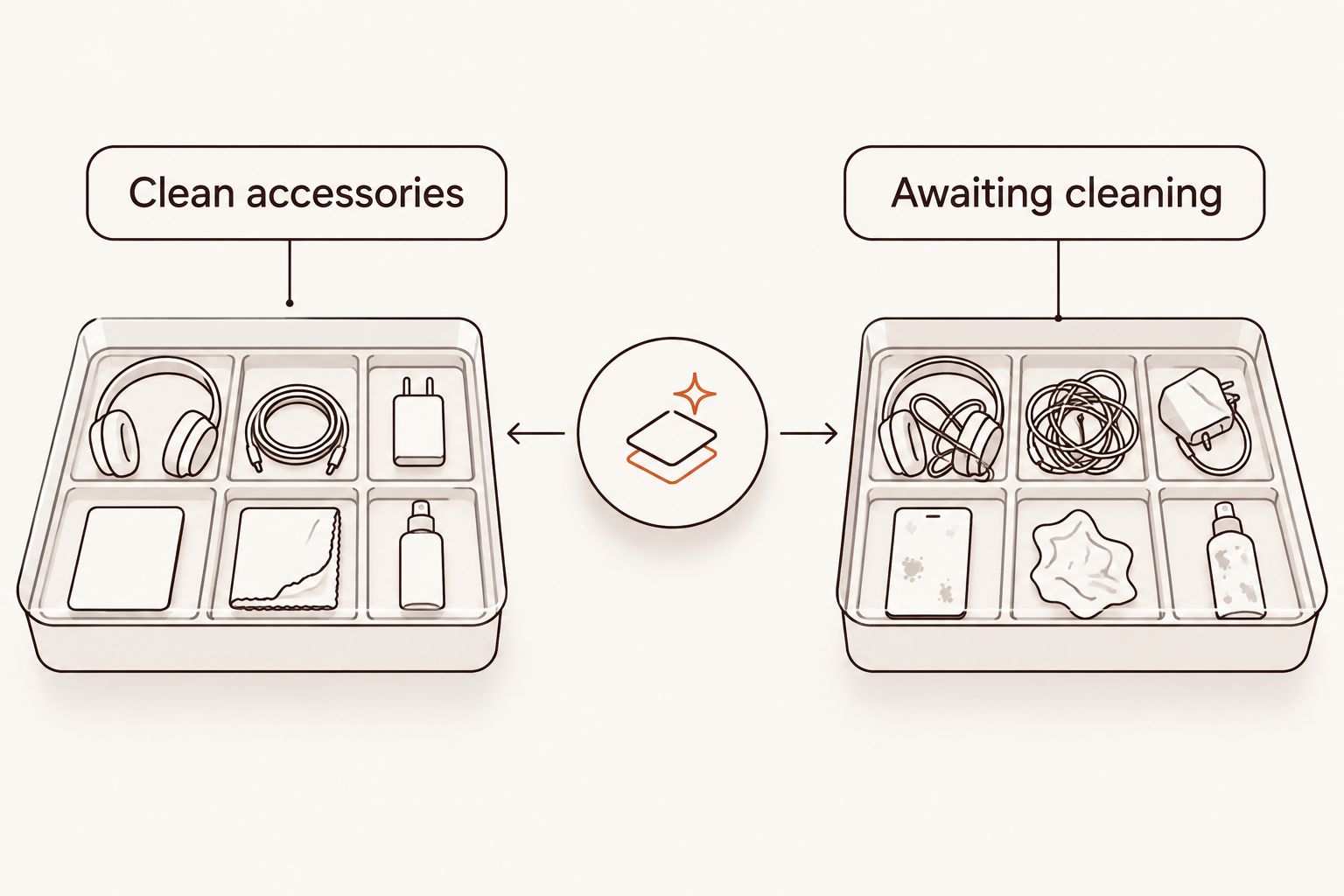
Create 2 storage zones: clean accessories and items awaiting cleaning. Use removable compartments or separate containers rather than letting everything touch. The purpose is simple: prevent residue on a used piece from transferring to clean accessories or the box lining.
Do not pack hot equipment, damp parts, or leaking containers. Follow each accessory’s instructions for cooling, cleaning, drying, and storage. A closed box is not a drying rack, and padding should not become a permanent home for residue.
Keep cleaning liquids in their original labeled containers and store them according to their labels. Avoid decanting them into unmarked jars that someone else could mistake for another product.
- Assign a removable compartment to clean, dry accessories.
- Keep items awaiting cleaning separate from clean supplies.
- Protect glass from contact with hard tools or other glass.
- Remove loose debris before returning accessories to storage.
- Pack only after parts have cooled and dried as instructed.
Inspect the lock, closure, and lining separately
Check each feature on its own merits. A lock limits opening through its intended mechanism, but it does not establish theft resistance, child resistance, or odor containment. A zipper, latch, and gasket perform different jobs.
For an existing box, inspect the perimeter for trapped debris, uneven closure, worn lining, and loose hardware. When shopping online, look for explicit construction details and clear interior photographs. Treat unspecified features as unknown rather than filling in the gaps yourself.
A padded lining also needs a cleaning plan. Removable sections let you inspect underneath; fixed fabric requires care appropriate to that material. Avoid calling a container washable unless the maker says it is.
- Confirm whether the closure uses a key, combination, latch, or zipper.
- Check whether any gasket sits evenly around the opening.
- Look for gaps where hinges or handles interrupt the closure.
- Read care instructions for fabric, wood, plastic, and padding.
- Keep keys or access codes separate from shared room supplies.
Build a repeatable packing and maintenance routine
Choose 1 assigned location for your box within your own storage area. Return it there after checking the contents and closure. A consistent location prevents the container from becoming another loose object on a shared desk or floor.
Before closing, check for moisture, loose parts, damaged accessories, and debris around the seal. Remove anything that needs attention rather than burying it under another layer. Keep charging outside closed storage and follow the device manufacturer’s charging instructions.
Recheck your setup before moving residences or packing for a break. The rules and available space at your next destination can differ from your current room. Keep your 2026 storage checklist with your moving notes so the decision starts with permission and fit again.
- Return each accessory to its assigned compartment.
- Remove items needing cleaning or repair.
- Check that the lid closes without pressing on contents.
- Store the container away from heat and direct sunlight.
- Review destination rules before moving the packed box.
Compare storage options for student living
The best option solves your main storage problem without creating another one. Use this comparison to choose a container type, then inspect the actual item’s dimensions and construction. These are storage categories, not claims about any particular product.


| Option | Best for | Main advantage | Key limitation |
|---|---|---|---|
| Existing household organizer | Testing your layout before buying | Lets you check compartment needs with what you own | Does not establish locking, padding, or odor containment |
| Lockable rigid box | Limiting casual access in a shared room | Combines an enclosed structure with controlled opening | Locking alone does not establish theft resistance or a sealed closure |
| Padded zippered case | Separating fragile accessories | Padding keeps hard surfaces apart when packed correctly | A zipper is not proof of odor containment; inspect care instructions |
| Gasketed container | Prioritizing the closure around stored contents | A gasket addresses the lid-to-container junction | Seal condition matters, and the container still needs suitable internal organization |
| Removable compartment box | Sorting small, clean accessories | Sections let you assign a place to each item | Compartments alone do not control access or contain odor |
Start with the least complicated option that meets your requirements. If your existing organizer fits but does not control access, access is the missing feature—not more compartments. If fragile accessories collide inside a lockable box, the missing feature is internal protection.
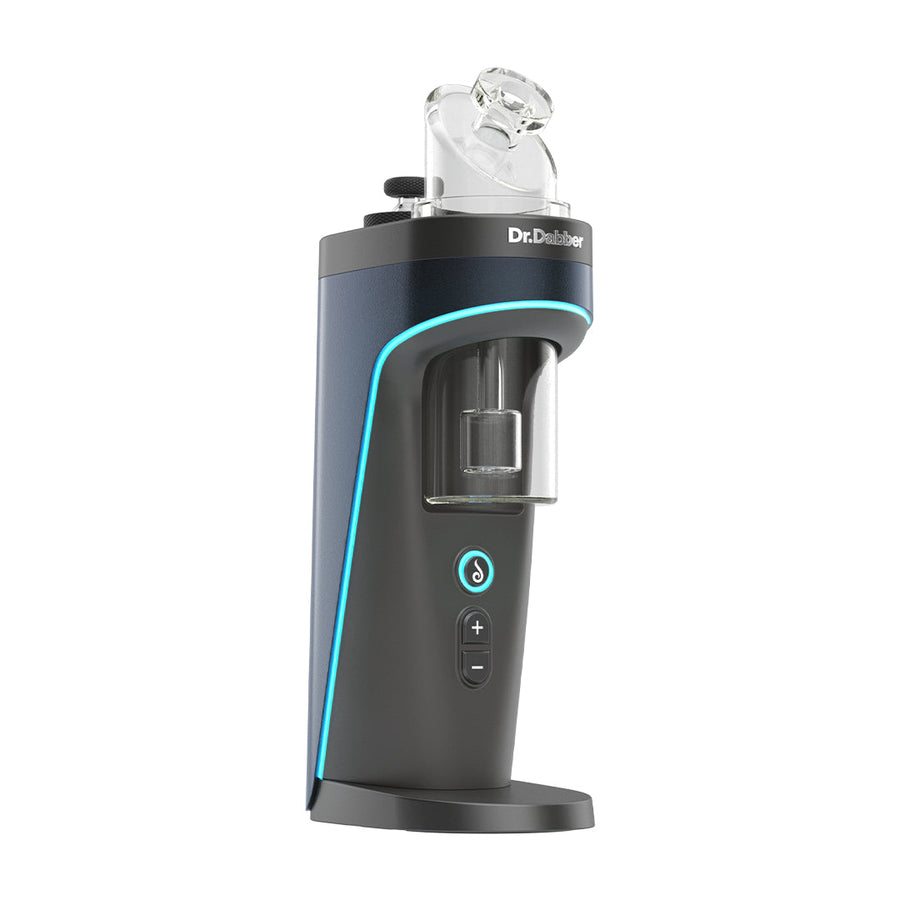
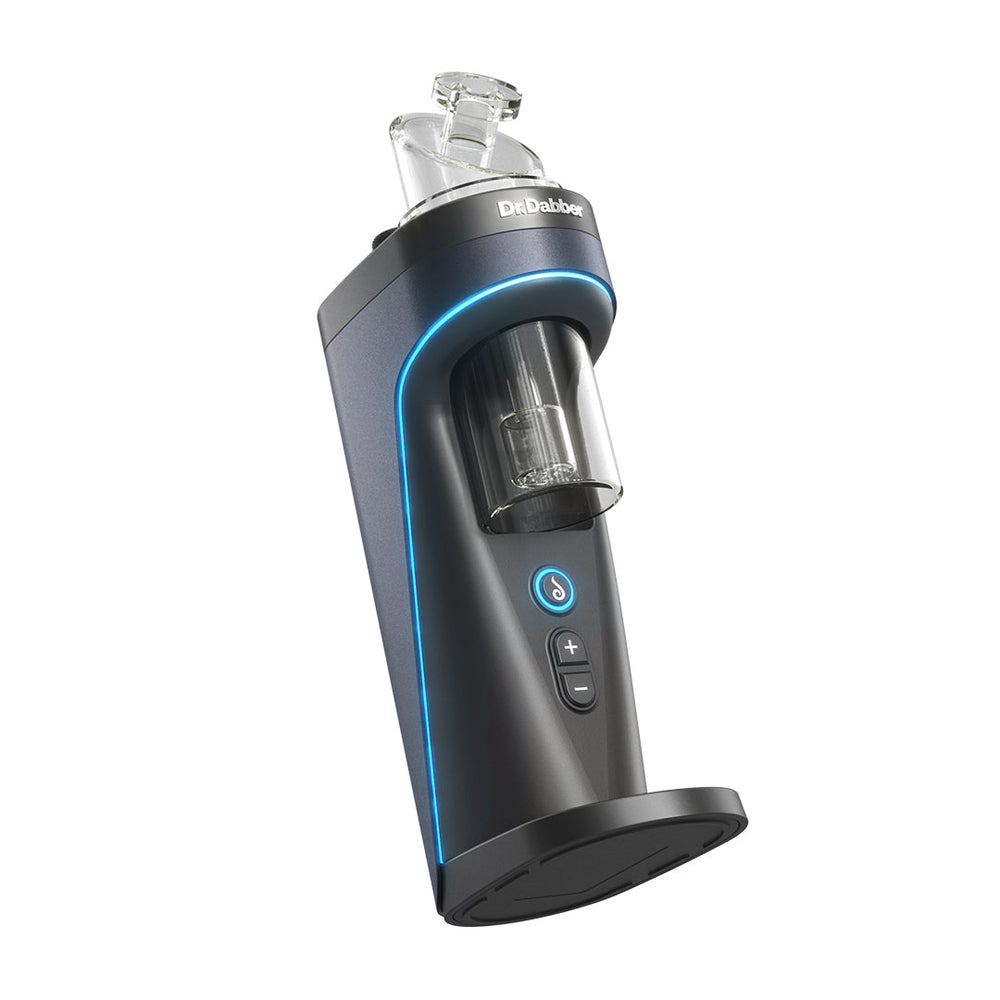
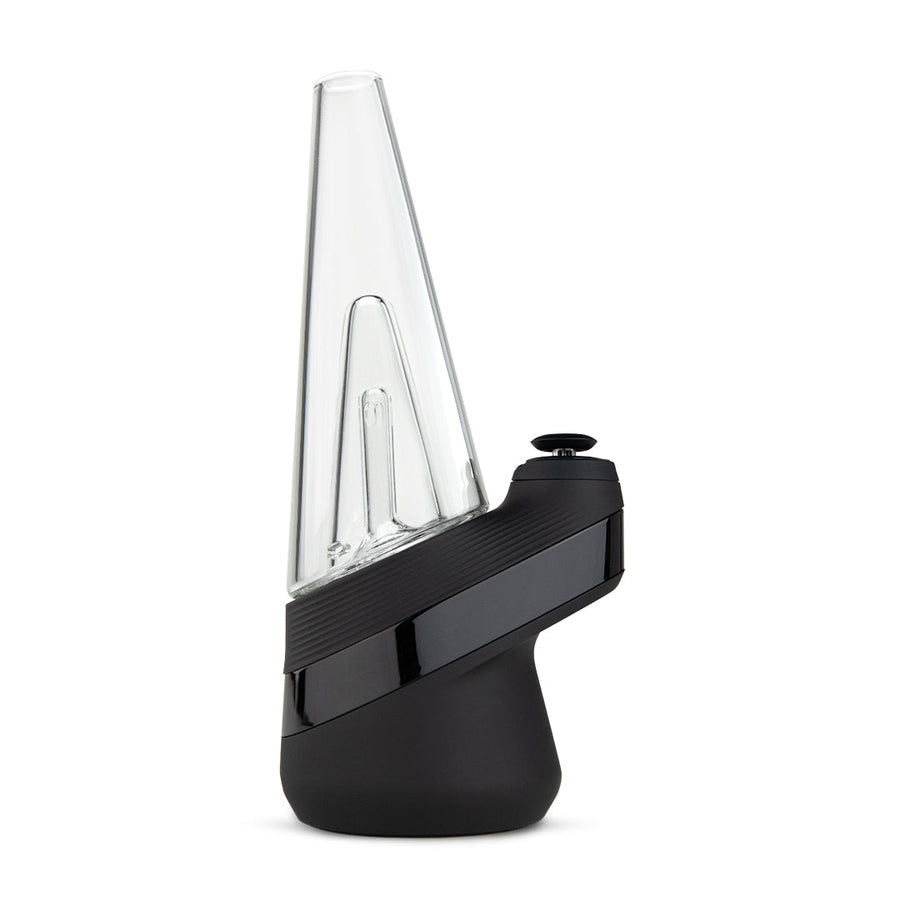
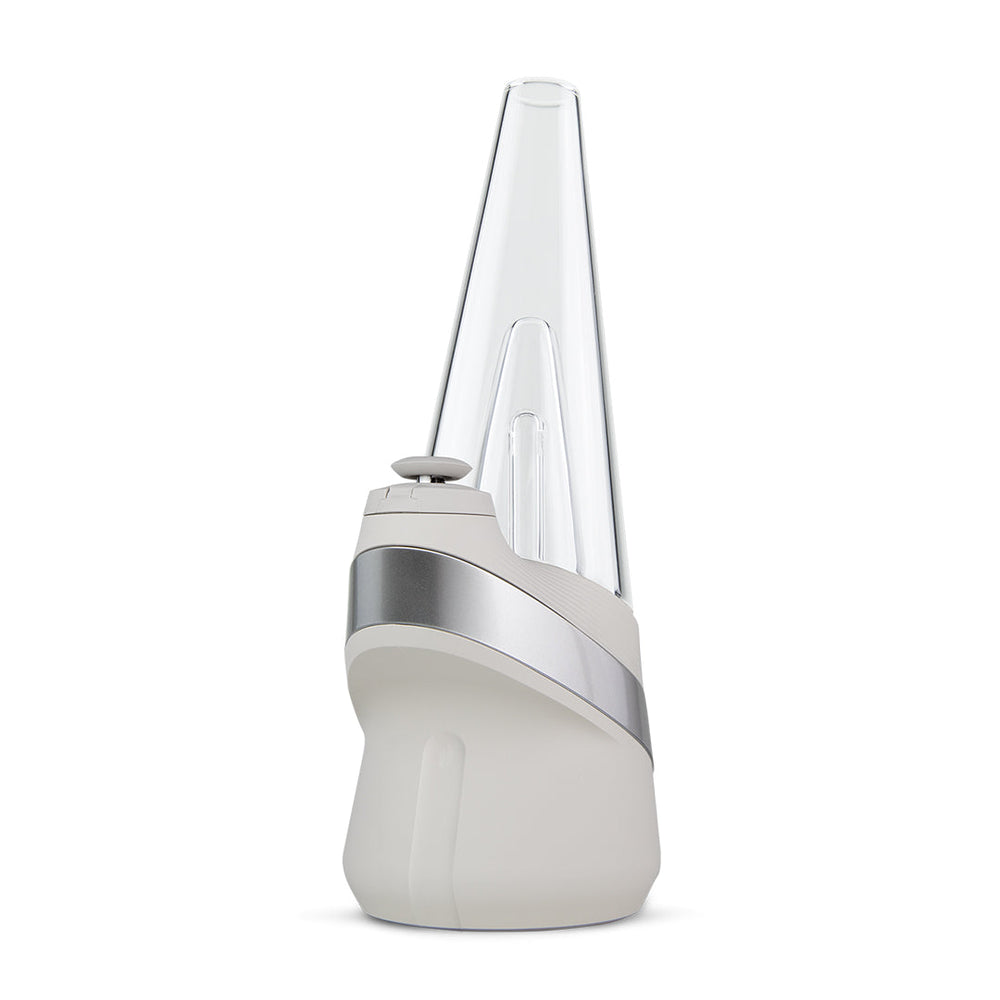
Headshop smoking accessories cover several product categories, so avoid assuming a container that fits a pipe will also fit a vaporizer or glass assembly. Measure your own items and verify the box independently.
Common stash-box mistakes college students make
Buying for appearance instead of usable space
A box can match your room and still fail to hold your accessories. Hinges, trays, padding, and thick walls all affect the interior layout. Choose verified interior fit before color or finish, and keep the paper footprint until you have checked the real container.
Treating a lock as permission
Locking an item away does not change your residence agreement. Separate privacy from compliance: first establish that you can keep the item, then decide how to limit access. Do not use storage to work around a restriction.
Treating odor claims as a guarantee
A product description does not prove that a packed container will contain every odor under every condition. Closure design, cleanliness, and the stored items all matter. Never use a smell claim as evidence that an item belongs in shared housing.
Packing around a charger cable
Running a cable through a lid leaves the container partly open and can put pressure on the cable. It also turns storage into an improvised charging arrangement. Follow the device’s instructions and store the device after charging rather than designing the box around active charging.
Buying a larger kit to justify a larger box
Extra accessories create extra fitting, cleaning, and storage decisions. Start with your actual permitted belongings, not an imagined collection. Headshop smoking accessories should enter the plan because you need the item—not because an empty compartment needs filling.
FAQ
What's the best stash box for college students in a shared room?
The best stash box for college students fits permitted accessories, stays within personal storage space, and provides the access control you need. Check interior dimensions, closure construction, and cleaning instructions before choosing.
Can I keep a stash box in a college dorm?
Check your residence agreement and student conduct policy before keeping a stash box or its contents in a dorm. Permission depends on the applicable rules and the items inside, not on whether the container locks.
Does a lockable stash box stop smells?
A lock does not establish odor containment. Inspect the closure, any gasket, and the manufacturer's stated use separately, and keep stored accessories clean and dry.
Is a hard box better than a padded bag?
A hard box is better suited to keeping its shape, while padding separates fragile accessories from hard contact. Compare the actual closure, internal layout, and care requirements rather than choosing by material alone.
How do I work out what size stash box I need?
Measure the length, width, and height of your intended packed layout, including sleeves and dividers. Compare those measurements with usable interior dimensions, then check the exterior against your shelf or drawer.
Can I charge a vaporizer inside my stash box?
Do not use a closed stash box as a charging station. Charge according to the device manufacturer's instructions and return the device to storage after charging and any required cooling.
Do I need to buy a dedicated stash box right away?
You can test your layout with a clean container you already own if it meets your rules and storage needs. Buy dedicated storage when you identify a specific missing feature, such as controlled access or internal protection.
One last thing
Test the closure with the actual packed layout, not an empty box. A container that closes neatly when empty still fails your setup if a jar presses against the lid or a divider traps a cable. Nothing inside should require you to force the latch.
For a 2026 move-in purchase, fit and permission come before appearance. Keep the checklist short enough to use again when your room, roommate arrangement, or housing agreement changes.
Related guides