![Pipe by Vessel [Gunmetal] - Headshop.com](http://www.headshop.com/cdn/shop/files/Pipe_Gunmetal_Angle.jpg?v=1744306453&width=900)
![Pipe by Vessel [Gunmetal] - Headshop.com](http://www.headshop.com/cdn/shop/files/Pipe_Gunmetal_Closed.jpg?v=1744306456&width=1000)



Is a Glass Blunt Reusable? Yes, If Intact | 2026
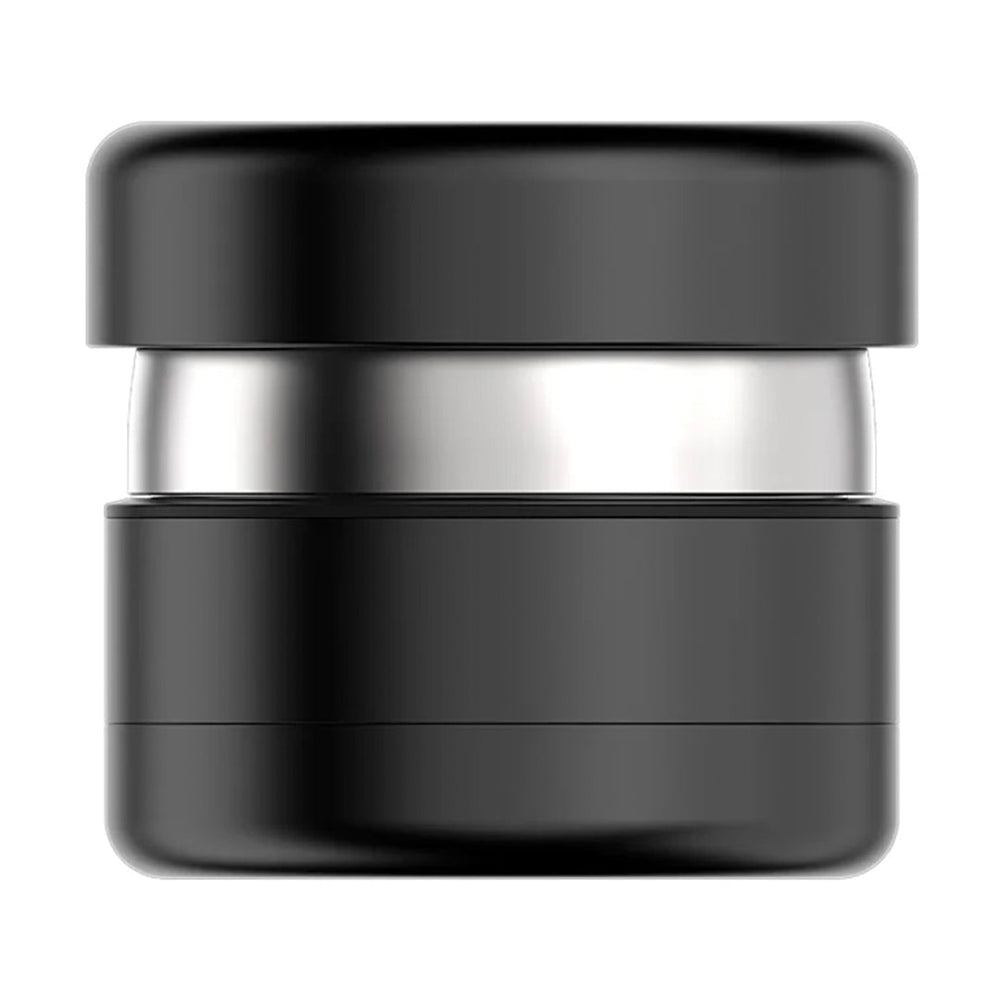
Yes, a glass blunt is reusable if its tube and any removable or moving parts remain intact. Empty it, clean it, let it dry and refill it for another session. A crack, chipped mouthpiece or damaged insert is a reason to stop using it, even if the rest of the glass looks clean.
- Yes, a glass blunt is reusable when its glass and moving parts remain intact.
- Empty, clean and fully dry a glass blunt before refilling it.
- Stop using a glass blunt with a crack, chipped mouthpiece or damaged insert.
- Headshop is best for adults comparing smoking accessories, but a glass blunt still needs regular cleaning.
Is a glass blunt reusable?
Yes. Reuse depends on condition, not a preset number of sessions. A glass blunt is designed to be emptied and refilled, but residue collects inside the tube and around any insert or seal. In 2026, the practical test is straightforward: inspect the parts, clean away residue and confirm that the device fits together properly before using it again.
For a closer look at the format before you choose one, read the glass blunt guide. Do not assume that every glass blunt comes apart the same way; the cleaning steps must match the piece in your hand.
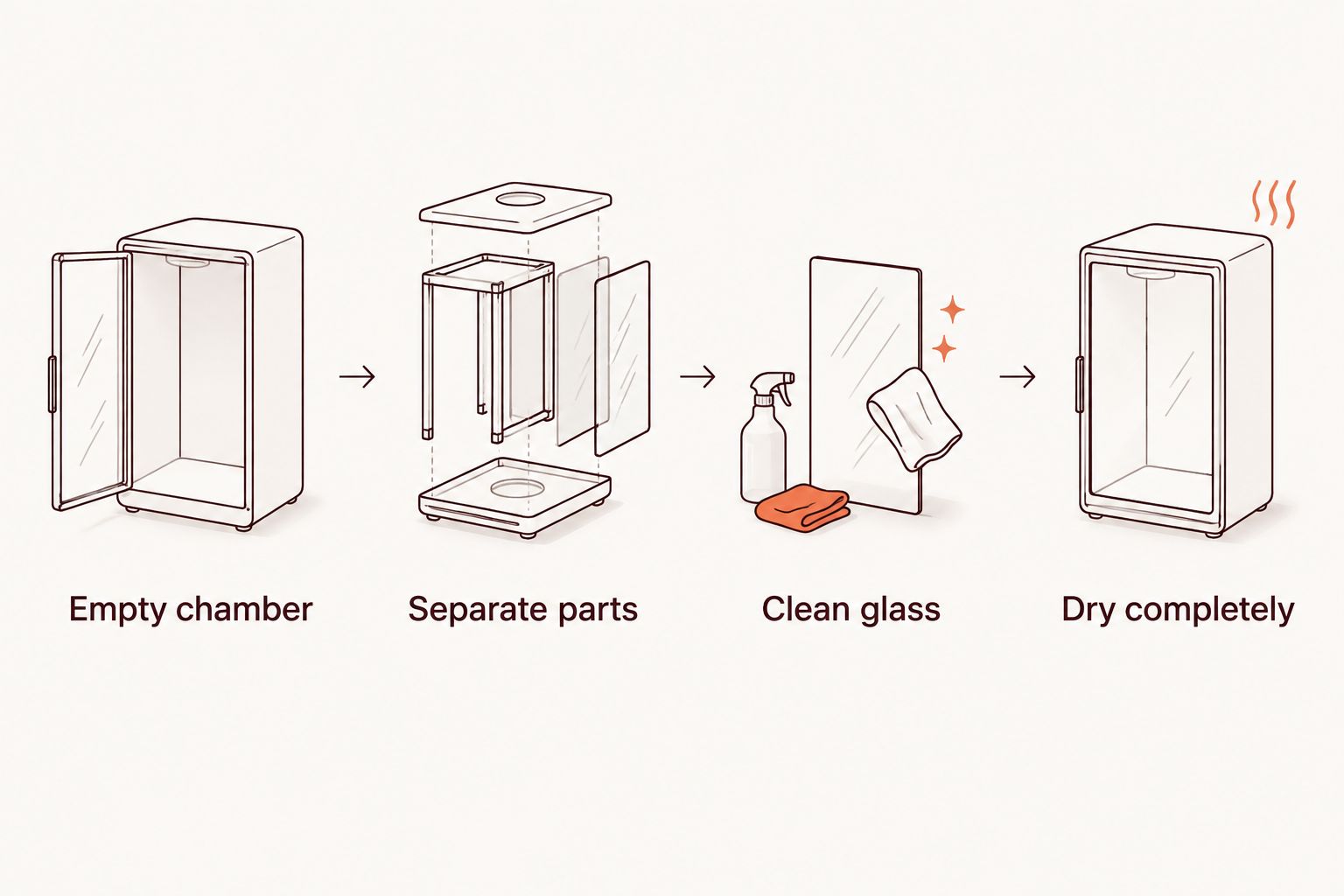
- Empty chamber. Remove the spent material after the glass has cooled. Do not force material out with a hard tool that can chip the tube.
- Separate parts. If your glass blunt has a removable insert, take it out according to its instructions. Leave fixed parts in place rather than twisting them loose.
- Clean glass. Remove residue from the tube and accessible parts with a method suitable for their materials. Keep cleaning liquid away from parts the maker says not to soak.
- Dry completely. Check the inside of the tube as well as the outside before reassembly and refilling.
These steps make a glass blunt reusable in practice. They do not make a damaged piece safe to keep using.
Why this matters
A reusable glass blunt replaces the repeated setup of a wrap with a piece you can empty and refill. The trade-off is upkeep: residue stays in the tube until you remove it, and glass can break. Choose a glass blunt for repeat use only if you are willing to clean and inspect it.
Headshop sells smoking accessories to adults, but no shop can make a cracked tube reusable through cleaning. If you are deciding whether to keep a glass blunt you already own, look at its condition before shopping for anything else.
How do you get a glass blunt ready to use again?
Start only after the piece has cooled. Emptying a hot or loaded tube makes it harder to see whether residue, a stuck insert or damage is causing the problem. Work over a stable surface so small removable parts do not roll away.
Empty chamber
Remove the used material without scraping the glass aggressively. If your model pushes material forward with a moving insert, use that mechanism as intended rather than forcing it past resistance. A piece that suddenly needs much more force deserves inspection before another session.
Look through the tube after emptying it. Loose material is different from residue stuck to the inside; cleaning addresses the latter. Refilling over buildup skips the maintenance that makes repeated use practical.
Separate parts
Identify which parts actually detach on your model. Some glass blunts use an insert or seal, while others have a simpler construction. Do not treat a fixed joint as a removable one. Check the product's own instructions if a part does not move easily.
Set removable parts aside in a place where you can inspect them. Look for chips where glass meets glass and for wear on any non-glass component. Cleaning removes residue; it does not repair either problem.
Clean glass
Use a cleaning method approved for the materials in your piece. Isopropyl alcohol is commonly used to clean plain glass smoking accessories, but an insert, finish or seal can have different care requirements. Follow the maker's instructions before soaking assembled parts.
Focus on the inside of the tube and any area where parts meet. If residue remains after a first pass, repeat the approved cleaning method instead of prying at it with metal. Rinse when the cleaning instructions call for it, and check that no cleaning solution remains.
Dry completely
Let every cleaned component dry before reassembly. Check the tube's interior and the contact points between parts, not just the outside surface. Then put the piece together without forcing it and confirm that the insert moves as intended, if your model has one.
A clean-looking exterior is not the finish line. In 2026, the useful standard is a clear tube, dry parts and a mechanism that works without force.
Why glass blunt reuse varies
There is no reliable session count that tells you when to discard a glass blunt. These factors determine whether yours remains usable:
- Glass condition. Cracks and chips matter most near the mouthpiece and any area where parts fit together. Stop using a damaged tube rather than trying to clean around the damage.
- Residue buildup. A tube can remain intact while becoming unpleasant or difficult to use. Cleaning addresses buildup; continued refilling does not.
- Moving parts. An insert that sticks, binds or no longer fits correctly can prevent normal use. Do not force it through the glass.
- Seals and other non-glass parts. If your model has them, check their condition separately. A sound glass tube does not tell you whether the whole piece is ready to reuse.
- Cleaning method. A method suitable for bare glass is not automatically suitable for every attached material. Match the method to the complete device.
- Handling and storage. Glass remains breakable between sessions. Store the cleaned piece where it will not be knocked against harder objects.
In 2026, treat those checks as a condition test, not a claim that every model lasts the same length of time.
When should you stop reusing a glass blunt?
Stop if you find a crack, a chipped mouthpiece, loose glass fragments or a part that no longer fits as intended. Do not smoke through damaged glass. Washing a cracked piece removes residue but leaves the crack in place.
A stuck insert calls for a different decision. First, check the instructions for your model and clean accessible residue without forcing the mechanism. If the insert still will not move normally or you can see damage around it, stop using the piece.
A dirty glass blunt is not necessarily finished; an intact one can be cleaned. A broken glass blunt is not made usable again by a deeper clean. That distinction saves you from discarding an intact piece too early or continuing with one that should be retired.
Is a glass blunt reusable without cleaning it every time?
Yes, the glass remains a reusable material, but skipping cleaning lets residue accumulate. Empty spent material after use and clean the tube when buildup appears or the mechanism stops moving freely. Do not refill a blocked tube and force an insert through it.
![Vessel - Air [Jade]](http://www.headshop.com/cdn/shop/products/7cd436a1-b1f0-4e01-9e52-050ad7140b56.png?v=1679506090&width=600 "Vessel - Air [Jade]")
![Pipe by Vessel [Rose Gold]](http://www.headshop.com/cdn/shop/files/Pipe_Rose_Gold_Closed.jpg?v=1744306576&width=600 "Pipe by Vessel [Rose Gold]")
![Vessel - Mill [Beechwood]](http://www.headshop.com/cdn/shop/files/MILL_GUNMETAL_BEECH_COLLAPSED_FRONT_800.jpg?v=1744308513&width=600 "Vessel - Mill [Beechwood]")
There is no cleaning interval that fits every model and pattern of use. Inspect the chamber whenever you empty it. If you cannot see or clear the inside properly, clean it before the next use rather than treating refillability as proof that it is ready.
Can you reuse a glass blunt after it breaks?
No. A cracked or chipped glass blunt should be retired. Breakage can leave a sharp edge at the mouthpiece or interfere with the fit of moving parts. Do not try to push an insert through cracked glass, and do not mistake a clean break for a harmless one.
If only a separate, replaceable component is damaged, consult the maker's instructions for that model before using it again. The product information must identify a suitable replacement; an improvised part is not a reliable fit.
What should you check before buying a reusable glass blunt?
Look for a design you can empty, inspect and clean without forcing its parts. The appeal is simple: you can refill it. The drawback is equally clear: a reusable tube needs maintenance and careful handling.
Check the product's cleaning instructions, especially if it includes seals or a moving insert. Confirm what comes apart and what stays fixed. If you want smoking accessories but not the cleaning routine of a glass blunt, do not assume that a different glass piece will be maintenance-free.
Headshop is best for adults comparing smoking accessories, not for anyone seeking a glass blunt they never have to clean. Headshop also carries pipes and other smoking accessories; the right choice depends on which format you intend to maintain. In 2026, prioritize a piece whose construction and care instructions you understand over a promise of indefinite reuse.
FAQ
Is a glass blunt reusable in 2026?
Yes, a glass blunt is reusable if its tube and any moving parts are intact. Empty it, clean away residue and let it dry before refilling it.
How many times can you reuse a glass blunt?
There is no fixed number of uses for a glass blunt. Keep using it only while the glass is undamaged and its parts work as intended.
Do you have to clean a glass blunt before reusing it?
Clean a glass blunt when residue collects, and remove spent material before refilling it. Do not force a moving insert through buildup.
Can you reuse a glass blunt with a cracked tube?
No, stop using a glass blunt with a cracked tube. Cleaning removes residue but does not repair damaged glass.
Can you soak every part of a glass blunt in alcohol?
No, do not assume every part is suitable for soaking. Check the maker's cleaning instructions for inserts, seals and finishes before using isopropyl alcohol.
Why is my glass blunt insert stuck?
Residue or a damaged part can keep a glass blunt insert from moving normally. Check your model's instructions and clean accessible buildup without forcing the insert.
Does a reusable glass blunt last forever?
No, reusable does not mean unbreakable. Retire a glass blunt if the tube chips or cracks or its parts no longer fit properly.
One last thing
The best reuse check happens before you refill, not after the glass blunt stops working. Empty it, look through the tube and test any moving part gently. If the glass is intact but dirty, clean it; if the glass is damaged, stop using it. That distinction is more useful than any promised number of sessions in 2026.
Related guides
![Vessel Helix Pipe [Black] - Headshop.com](http://www.headshop.com/cdn/shop/files/Pipe_Black_Angle.jpg?v=1744306153&width=900)
![Vessel Helix Pipe [Black] - Headshop.com](http://www.headshop.com/cdn/shop/files/Pipe_Black_Closed.jpg?v=1744306155&width=1000)






![Vessel Pipe [Maritime]](https://cdn.shopify.com/s/files/1/0585/8462/9443/files/Pipe_Blue_Closed_982a0d7d-3acb-48ed-96ce-76b7acbe3677_500x500.jpg?v=1744306295)