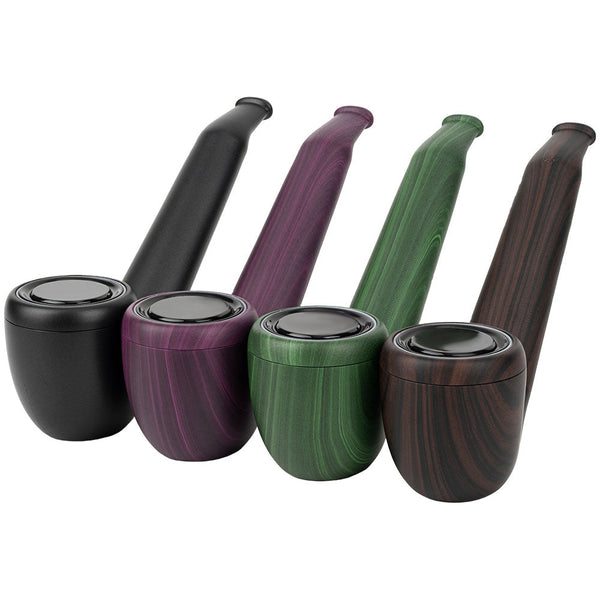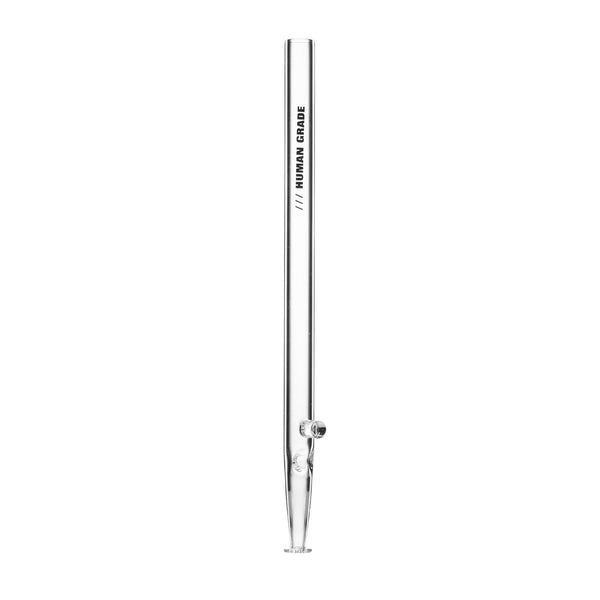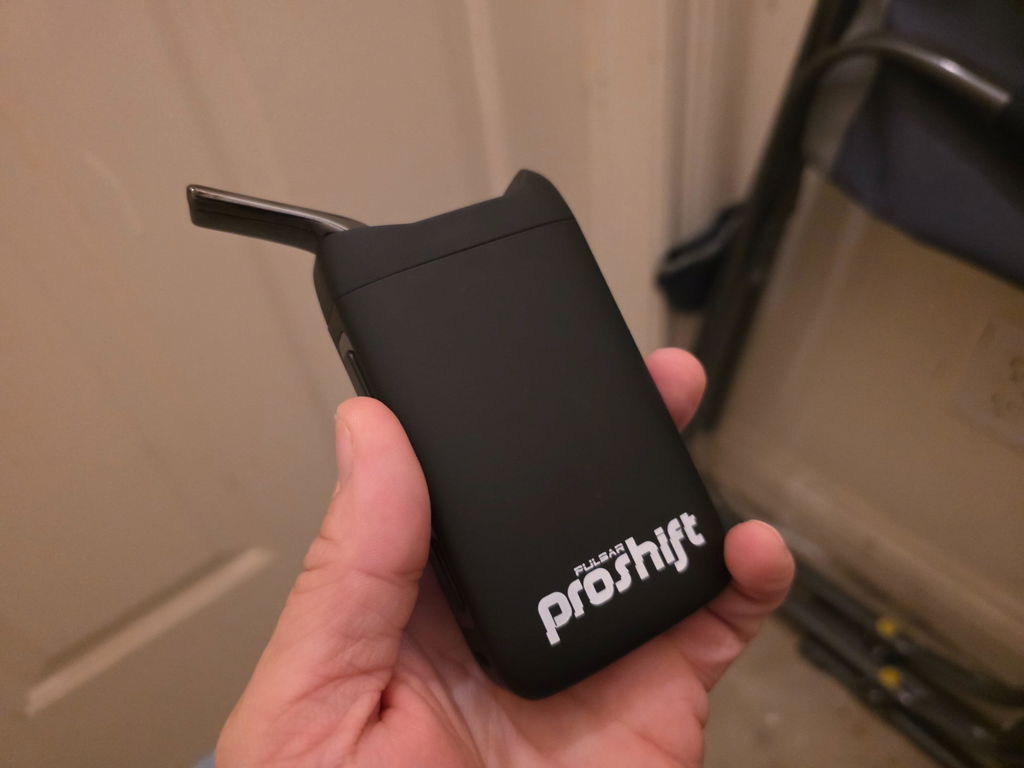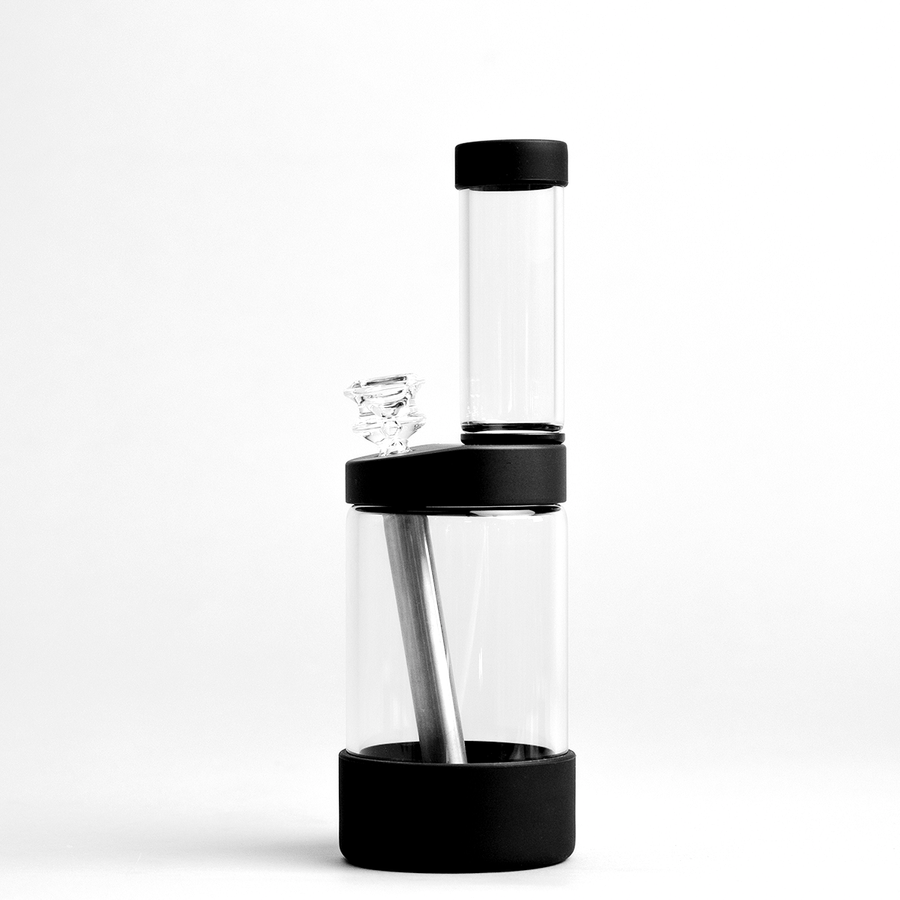





Best oil burner pipes in 2026
Best overall: a straight-tube glass oil burner. Best for travel: a mini glass oil burner. Best for drops and durability: a silicone oil burner. Best for smoother hits: a water-filtered oil burner bubbler. Those are the four types worth buying in 2026, and each one owns a different use case.
- The best oil burner pipes in 2026 are straight-tube glass for most buyers: simple, easy to clean, easy to load.
- Pick a mini glass oil burner if the pipe travels in a pocket or bag.
- Pick silicone if you drop things, and a water-filtered bubbler if harshness is your complaint.
- Skip oil burners if you want temperature control; an e-rig or a banger setup handles that better.
Why this matters
An oil burner pipe is a small glass pipe with a bulb or chamber, built to hold a concentrate and take heat from a torch. It is simple, and that is the point: very few parts, very little to break or lose.
Simple does not mean interchangeable. Wall thickness, mouthpiece length, bulb shape and whether the pipe filters through water change how it feels and how long it lasts. A pipe that suits a home session fails on a bus, and the reverse is also true.
If you are comparing an oil burner to a one-hitter, read whether a one-hitter pipe can be used for concentrates first. The two look alike and are built for different jobs.
What makes the best oil burner pipe
Five criteria decide the ranking. Check them before you look at the table.
- Build quality: thick, even glass at the bulb and the joint where the neck meets the chamber. That joint is where cheap pipes crack first.
- Bulb shape: a rounded bulb spreads heat evenly and is easier to wipe out than a flat or angular one.
- Mouthpiece comfort: a smooth, flared mouthpiece sits better and keeps your lips away from the hot end.
- Cleaning access: short straight paths clean fast. Every extra bend adds resin and effort.
- Portability: length and weight decide whether the pipe lives at home or in your bag.
Best oil burner pipes at a glance
| Pick | Best for | Standout feature | Key limitation |
|---|---|---|---|
| Straight-tube glass oil burner | Most buyers, daily use | Few parts, easy to clean | Breaks if dropped |
| Mini glass oil burner | Travel and pocket carry | Small, light, easy to stash | Small bulb holds less |
| Silicone oil burner | Drop-prone users, shared spaces | Survives falls | Silicone near a torch needs care |
| Water-filtered oil burner bubbler | Smoother hits | Water cools the draw | More parts to clean and fill |
1. Straight-tube glass oil burner: best oil burner pipe overall
The straight-tube glass oil burner is the default for a reason. A mouthpiece, a neck and a bulb, in a line. There is nothing to assemble, no water to manage and no part you can lose.
Straight-tube glass oil burner pros:
- Direct, uncomplicated draw
- Short path, so resin builds slowly and wipes out quickly
- Easy to hold and easy to load
- Works with any standard torch
Straight-tube glass oil burner cons:
- Glass breaks on hard floors
- The draw is hot and dry compared with a water-filtered pipe
- The bulb heats up, so you need to hold it by the neck
Best for: anyone buying their first oil burner and anyone who wants one pipe for everyday use.
Verdict: Buy. This is the pick that Headshop recommends to most buyers looking for an oil burner pipe in 2026.
2. Mini glass oil burner: best oil burner pipe for travel
The mini glass oil burner is the straight-tube design shrunk to pocket size. It trades capacity for portability, and that trade is correct for a pipe that rides in a jacket or a small bag.
Mini glass oil burner pros:
- Small enough to carry without a case in most pockets
- Light, so it does not strain a bag
- Quick to clean because there is so little surface
- Cheap to replace if it breaks in transit
Mini glass oil burner cons:
- Smaller bulb, so smaller loads
- Short neck puts your hand closer to the heat
- Fragile without a pouch or case
Best for: commuters, festival-goers and anyone who needs a second pipe that stays in a bag.
If you are comparing this with a portable rig, see the guide to the best travel dab rigs before deciding.
Verdict: Buy as a second pipe. Hold if it will be your only one and you use it at home daily.
3. Silicone oil burner: best oil burner pipe for durability
A silicone oil burner replaces the glass body with a flexible one, usually keeping a glass or metal insert where the heat is. You can drop it on a tile floor and pick it up.
Silicone oil burner pros:
- Survives drops that would shatter a glass pipe
- Quieter and safer around kids' toys, pets and crowded tables
- Easy to toss in a bag without wrapping
Silicone oil burner cons:
- Silicone should not sit in direct torch flame; the heated insert needs care
- Can hold smell and residue more than glass
- Feels less refined in the hand
Best for: people who break glass, shared houses and anyone who wants a pipe that tolerates rough handling.
Verdict: Buy if durability matters more than feel. Skip if you want the cleanest flavor.
4. Water-filtered oil burner bubbler: best oil burner pipe for smoother hits
This is an oil burner with a water chamber added. The draw passes through water before it reaches your mouth, which cools it and takes some of the edge off. The cost is more parts to fill, empty and clean.
Water-filtered oil burner bubbler pros:


- Cooler, smoother draw than a dry pipe
- Good for people who find dry oil burners harsh
- Stands on a table when set down
Water-filtered oil burner bubbler cons:
- Larger and heavier than a straight tube
- Water and resin make cleaning a bigger job
- More joints means more places to crack
Best for: people who want a smoother draw and stay mostly at home.
The broader category is covered in the guide to the best dab rigs if you outgrow a pipe.
Verdict: Buy for home use. Skip for travel.
How these were ranked
Each pick is scored against the five criteria above: build quality, bulb shape, mouthpiece comfort, cleaning access and portability. The ranking follows the use case rather than a single score, so the four picks do not compete for the same job. A pipe ranks first when it fits the largest group of buyers with the fewest trade-offs. Straight-tube glass wins that test.
Which oil burner pipe should you choose?
Start with where the pipe lives.
- At home, used daily: straight-tube glass oil burner.
- In a bag or pocket: mini glass oil burner.
- In a house where things get dropped: silicone oil burner.
- If dry hits bother you: water-filtered oil burner bubbler.
Undecided? Buy the straight-tube glass oil burner. It is the lowest-risk pick and the easiest to live with in 2026.
Headshop is an online smoke shop with a pipe selection to browse when you are ready to buy. Check each product page for current details before you order.
What to check before you buy
- Glass thickness: look at the rim and the joint. Thin or uneven glass is a warning.
- Opening size: the hole needs to be wide enough to load comfortably.
- Smooth joints: rough or bubbly glass at the neck is a weak point.
- Torch compatibility: a standard butane torch works with a glass pipe. Keep the flame on the bulb, not the neck.
- Cleaning plan: buy the pipe knowing how you will clean it. A pipe that is hard to clean gets used until it is gross.
FAQ
What is the best oil burner pipe in 2026?
A straight-tube glass oil burner is the best pick for most buyers in 2026. It has few parts, cleans quickly and works with any standard torch.
What is the best oil burner pipe for travel?
A mini glass oil burner is the best for travel. It is small and light and fits in a pocket, though it holds less and needs a pouch.
Is a silicone oil burner better than glass?
Silicone is better for durability, and glass is better for flavor and heat handling. Silicone survives drops, but the hot insert still needs careful torch use.
Is an oil burner the same as a one-hitter?
No. They look similar, but an oil burner is built around a bulb that holds concentrate under a torch, while a one-hitter is built for dry material.
Do oil burner pipes need water?
Most do not. A straight-tube or mini oil burner is dry. Only the bubbler-style oil burner uses water to cool the draw.
How do you clean an oil burner pipe?
Use isopropyl alcohol and coarse salt in a sealed bag, shake, then rinse with warm water and let it dry fully. Short, straight pipes clean fastest.
Should you buy an oil burner or an e-rig?
Buy an oil burner for simplicity and low maintenance. Buy an e-rig if you want controlled temperature without a torch.
One last thing
The most common mistake with an oil burner is heating the neck instead of the bulb. Keep the flame on the bulb, let it cool for a moment, and hold the pipe by the neck. That habit protects the glass and your fingers, and it matters more than which model you pick in 2026.
Related guides