![Pipe by Vessel [Gunmetal] - Headshop.com](http://www.headshop.com/cdn/shop/files/Pipe_Gunmetal_Angle.jpg?v=1744306453&width=900)
![Pipe by Vessel [Gunmetal] - Headshop.com](http://www.headshop.com/cdn/shop/files/Pipe_Gunmetal_Closed.jpg?v=1744306456&width=1000)


Which Brands Make the Best Concentrates? A Quality-First Guide
Some concentrate brands cut corners. The best ones obsess over starting flower, extraction, and terpene preservation. Here’s who to trust and why.
Key Takeaways
- Source material quality sets the ceiling for every concentrate.
- Solventless extraction often preserves more terpenes and native flavor.
- Lab transparency is non-negotiable: avoid brands that hide COAs or residual solvent tests.
- Your dabbing gear matters as much as the concentrate itself.
- Compare a few trusted brands instead of chasing hype or price alone.
What Defines a Top Concentrate Brand?
Ask ten concentrate lovers what makes a brand great, and you’ll hear the same themes: clean starting material, careful extraction, and honest lab results. The best brands treat concentrates like a craft, not a commodity.
That means they work with cultivators who harvest at peak resin maturity. They also avoid heavy remediation or fake terpene add-backs that mask poor input.
Starting Material Quality
No extraction method can fix mold, pesticides, or weak trichome development. Top brands source fresh, properly cured flower or fresh-frozen material for live products.
Look for brands that name the cultivar and harvest window. Vague blends or “house extracts” without strain info can hide questionable starting material.
Transparency and Lab Testing
Reputable concentrate brands post batch-specific certificates of analysis (COAs). These reports show cannabinoid content, terpene totals, and residual solvent levels.
If a brand won’t share COAs or only shows potency while hiding solvent panels, treat that as a red flag. Quality-obsessed producers have nothing to hide.
Consistency Across Batches
Great brands deliver similar texture, flavor, and effects run after run. Small-batch variance is normal, but you shouldn’t get wildly different quality from the same label.
Consistency signals strong standard operating procedures and quality control. That’s what separates a trusted name from a one-hit wonder.
The Extraction Methods Behind High-Quality Concentrates
How a concentrate is made shapes its flavor, potency, and safety. Understanding the process helps you pick brands that prioritize quality over shortcuts.
Most concentrates fall into solventless or solvent-based categories. Each has pros, and the best brands choose methods that match the starting material.
Solventless Extraction
Solventless concentrates use heat, pressure, ice water, or dry sifting to separate trichomes. Rosin press and ice water hash are the most common solventless products.
Because no chemical solvent touches the material, solventless concentrates often retain more native terpenes. They cost more, but many consider them the flavor benchmark.
Hydrocarbon Extraction (BHO)
Butane or propane strips cannabinoids and terpenes from plant matter, then the solvent is purged. When done correctly in licensed labs, BHO can be clean and flavorful.
Bad BHO leaves residual solvent and harsh flavor. The best brands invest in closed-loop systems and rigorous post-processing purges.
CO2 and Ethanol Extraction
CO2 and ethanol are often used for vape cartridges and distillates. These methods can be highly scalable but may strip more delicate terpenes.
Quality brands re-introduce cannabis-derived terpenes to restore flavor and effects. Avoid brands that use cheap botanical terpenes to cover up bland oil.
Live Resin vs. Cured Resin
Live resin is extracted from fresh-frozen plants, capturing more terpenes before they degrade. Cured resin uses dried and cured flower, which often yields higher THC but less aroma.
Top brands label these clearly. If you love bright, gassy flavor, live resin is worth the extra cost.
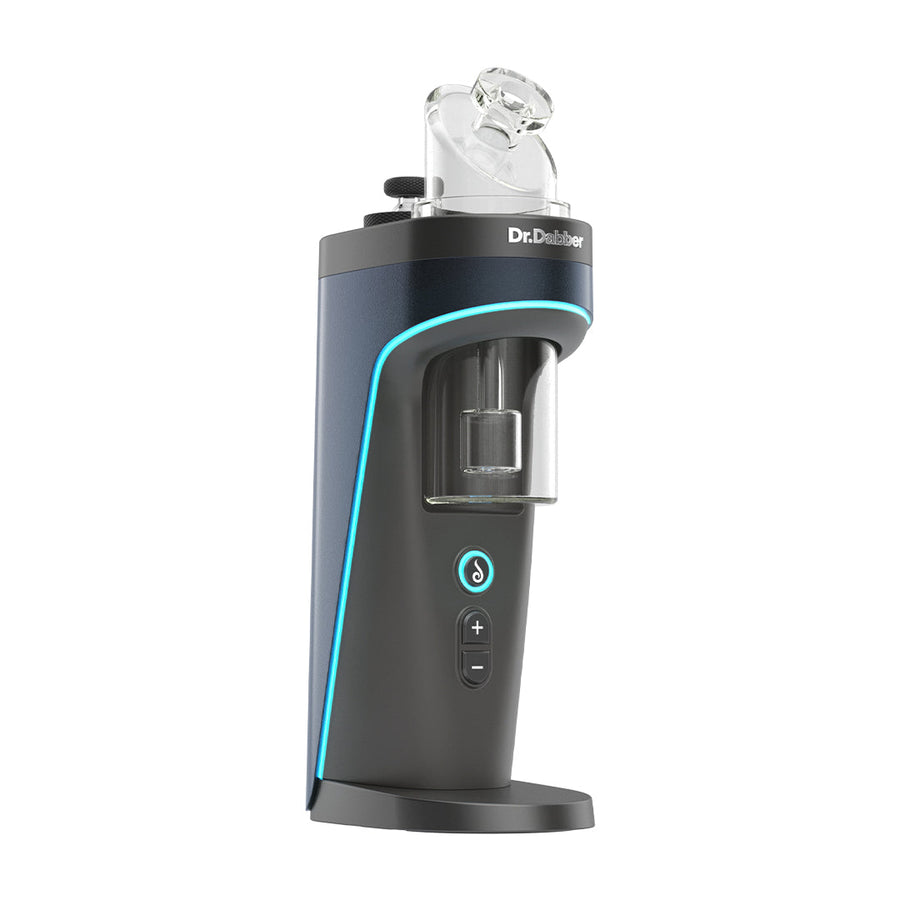
Whichever method you prefer, use quality dab rigs to experience the full profile.
Solventless vs. Solvent-Based: What the Best Brands Prefer
There is no single “best” category — it depends on your priorities. But the top brands tend to lean solventless when flavor and purity matter most.
Solvent-based concentrates can still be excellent if the lab is meticulous. The key is trusting the brand’s process, not the marketing label.
Side-by-Side Comparison
- Flavor: Solventless rosin usually wins; BHO live resin can come close.
- Purity: Solventless has zero residual solvent risk by design.
- Potency: Distillates and isolates are often highest, but lack entourage effects.
- Cost: Solventless is pricier due to lower yields; solvent-based offers value.
- Texture variety: Solvent-based creates shatter, wax, budder, and sugar; solventless is typically rosin or hash.
Tip: If you can’t see a COA with residual solvent numbers, assume the concentrate has not been properly tested — regardless of how “clean” it looks.
What the Best Brands Actually Sell
Flagship brands often release both solventless rosin and hydrocarbon live resin. They label each batch with extraction method, strain, and terpene percentage.
That level of detail helps you choose based on effect and taste. Vague “wax” with no method info is usually a sign of lower-tier production.
How to Read Concentrate Labels and COAs
Labels are the first line of defense against low-quality products. Learning what to look for saves you money and lung health.
A proper concentrate label should list strain, extraction method, batch number, and total active cannabinoids. Missing info is a warning sign.
Decoding Cannabinoid Potency
THC percentage isn’t everything. A balanced product with CBG, CBN, or CBD can deliver a more rounded high.
Look for total active cannabinoids, not just THC. High THC with zero minor cannabinoids often feels flat and short-lived.
Terpene Profiles and Flavor
Terpenes drive aroma, taste, and effect nuances. Top brands test and display terpene totals, often 5–10% in live products.
If a brand only lists THC and no terpene data, you’re buying blind. Quality concentrates celebrate their terpene profiles.
Residual Solvent Panels
For solvent-based concentrates, residual solvent testing is essential. Passing limits are set by state regulators, usually in parts per million.
Brands that publish residual solvent panels show they care about safety. Dabbing solvent-laced oil is rough on the throat and lungs.
Visual and Texture Cues
High-quality concentrates look clean and uniform. Avoid products with excessive dark spots, visible plant matter, or separation that suggests improper purging.
Texture should match the label: shatter snaps, budder is creamy, and rosin is translucent to opaque. Off textures often mean storage issues.
Once you’ve read the label, make sure your smoking accessories are clean and ready for low-temp flavor.
The Best Ways to Enjoy Concentrates
Your consumption method can make or break the experience. Low-temperature dabbing and precise voltage control protect terpenes and smoothness.
For portable sessions, a quality vape bar designed for concentrates is a game changer. Here’s one worth a look.
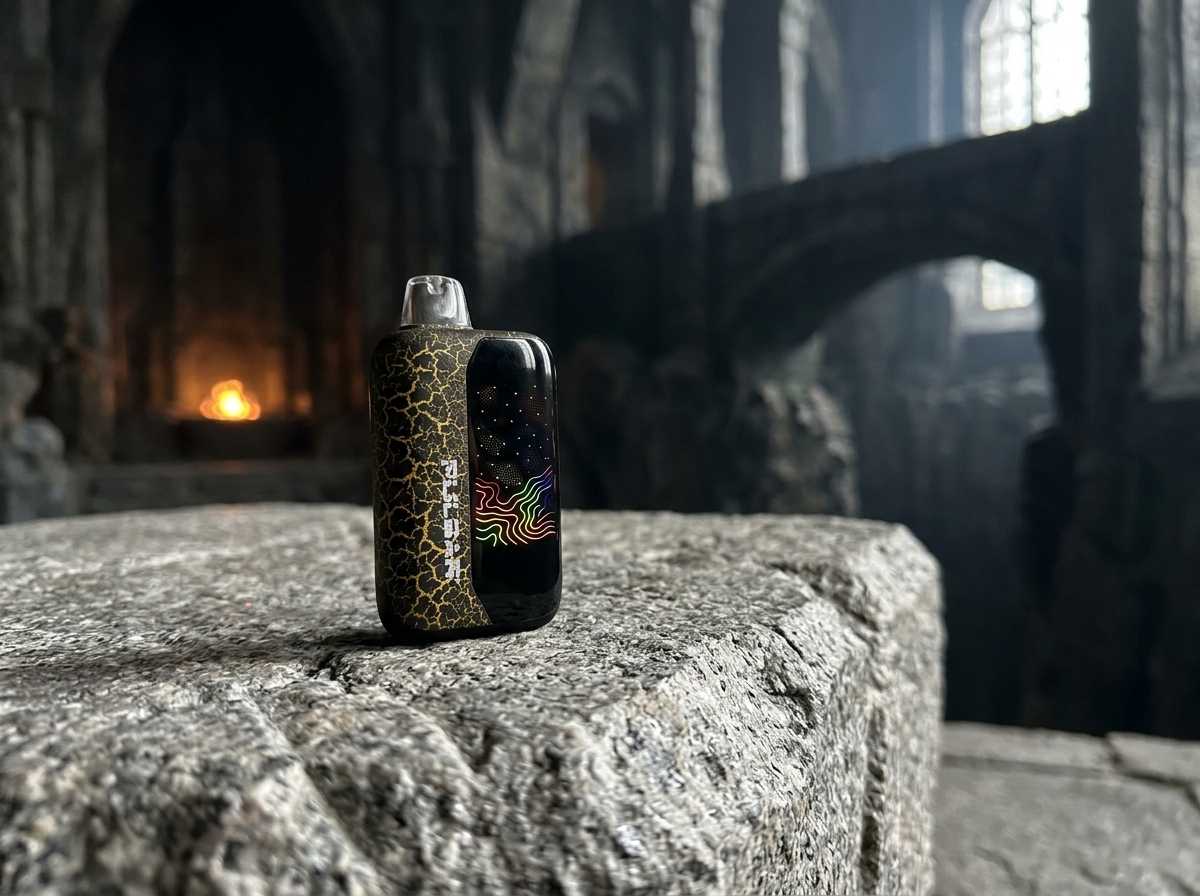
Pulsar 510 DL 6.0 Precision Voltage Vape Bar
Why it helps: This 1000mAh vape bar gives you precise voltage control and a clear LCD screen, so you can dial in low-temp flavor instead of burning your concentrate. It fits 510-thread carts and feels solid in hand.
- Six voltage settings for terpene-friendly hits
- 1000mAh battery lasts through multiple sessions
- LCD screen and crackle finish add durability and style
Shop the Pulsar 510 DL 6.0 vape bar
Prefer something more traditional? Browse dab and wax pens for portable options built specifically for concentrates.
Low-Temp Dabbing Basics
Low-temp dabs preserve flavor and reduce harshness. Heat your nail until just glowing, then let it cool 20–30 seconds before touching concentrate.
A timer or e-nail removes guesswork. Many concentrate lovers never go back to red-hot dabs once they taste the difference.
![Vessel - Mill [Beechwood]](http://www.headshop.com/cdn/shop/files/MILL_GUNMETAL_BEECH_COLLAPSED_FRONT_800.jpg?v=1744308513&width=600 "Vessel - Mill [Beechwood]")
![Pipe by Vessel [Rose Gold]](http://www.headshop.com/cdn/shop/files/Pipe_Rose_Gold_Closed.jpg?v=1744306576&width=600 "Pipe by Vessel [Rose Gold]")
![Vessel - Air [Jade]](http://www.headshop.com/cdn/shop/products/7cd436a1-b1f0-4e01-9e52-050ad7140b56.png?v=1679506090&width=600 "Vessel - Air [Jade]")
Vaporizing with Precision
Quality portable vape pens with adjustable voltage let you tune each strain’s sweet spot. Start low and work up until flavor fades.
Overheating destroys terpenes and creates harsh vapor. A little patience pays off.
Common Mistakes When Buying Concentrates
Even experienced users fall for these traps. Avoiding them helps you find better brands faster.
Price is not a reliable quality indicator. Expensive doesn’t always mean clean, and cheap can still be decent if the lab is honest.
Ignoring the COA
Skipping lab reports is the biggest mistake. Without COAs, you can’t verify potency, terpenes, or residual solvents.
Always check the batch number matches the product in your hand. Mismatched COAs are a red flag.
Chasing the Highest THC Number
High THC with no terpenes makes for a boring, one-dimensional high. The entourage effect matters more than a single number.
Look for balanced profiles that include minor cannabinoids and at least 3–5% terpenes.
Storing Concentrates Poorly
Concentrates degrade with heat, light, and air. Store them in a cool, dark place, ideally in an airtight silicone or glass container.
Improper storage can turn a top-shelf rosin into a dry, flavorless crumble in weeks.
Using the Wrong Equipment
Dabbing on a cheap nail or failing to clean your rig introduces burnt residue and off flavors. Your tool should match the quality of your oil.
Clean glass and proper temperature make cheap concentrates taste better and expensive ones shine.
Buying from Unlicensed Sources
Black-market concentrates skip testing entirely. They may contain residual solvents, pesticides, or harmful cutting agents.
Always buy from licensed dispensaries or reputable direct-to-consumer brands that share COAs. Your health is worth the extra cost.
Practical Tips for Finding Your Favorite Brand
Finding “the best” concentrate brand is personal. Your ideal depends on flavor preference, budget, and consumption style.
Start with a short list of well-reviewed producers, then compare the same strain or extraction type across brands.
Ask for Recommendations
Budtenders and experienced dabbers can steer you toward consistent local brands. They know which batches are selling well and why.
Online communities are helpful, but verify claims against COAs rather than hype.
Sample Small Amounts First
Buy grams instead of jars until you trust a brand. A single bad-tasting batch won’t break the bank.
Over time, you’ll build a mental map of which extraction methods and strain profiles suit you best.
Follow the Lab, Not Just the Logo
Many excellent concentrates come from white-label producers with strong testing. The brand on the label matters less than the lab behind it.
Check for facility licenses and recent compliance records if your state makes them public.
Keep a Flavor Journal
Write down strain, extraction method, terpene profile, and how each concentrate makes you feel. Over time, patterns emerge and you’ll know what to buy again.
A simple note app works fine. This habit prevents repeat purchases of disappointing batches.
Stay current with trending smoke shop products to discover new gear that pairs with quality concentrates.
Complementary Gear for Concentrate Connoisseurs
Even hardcore concentrate lovers keep a reliable flower piece on hand. Sometimes a palate reset with a smooth flower session helps you appreciate dabs more.
Having the right bong for flower sessions doesn’t compete with your dab rig — it complements it. This acrylic piece is a low-maintenance favorite.
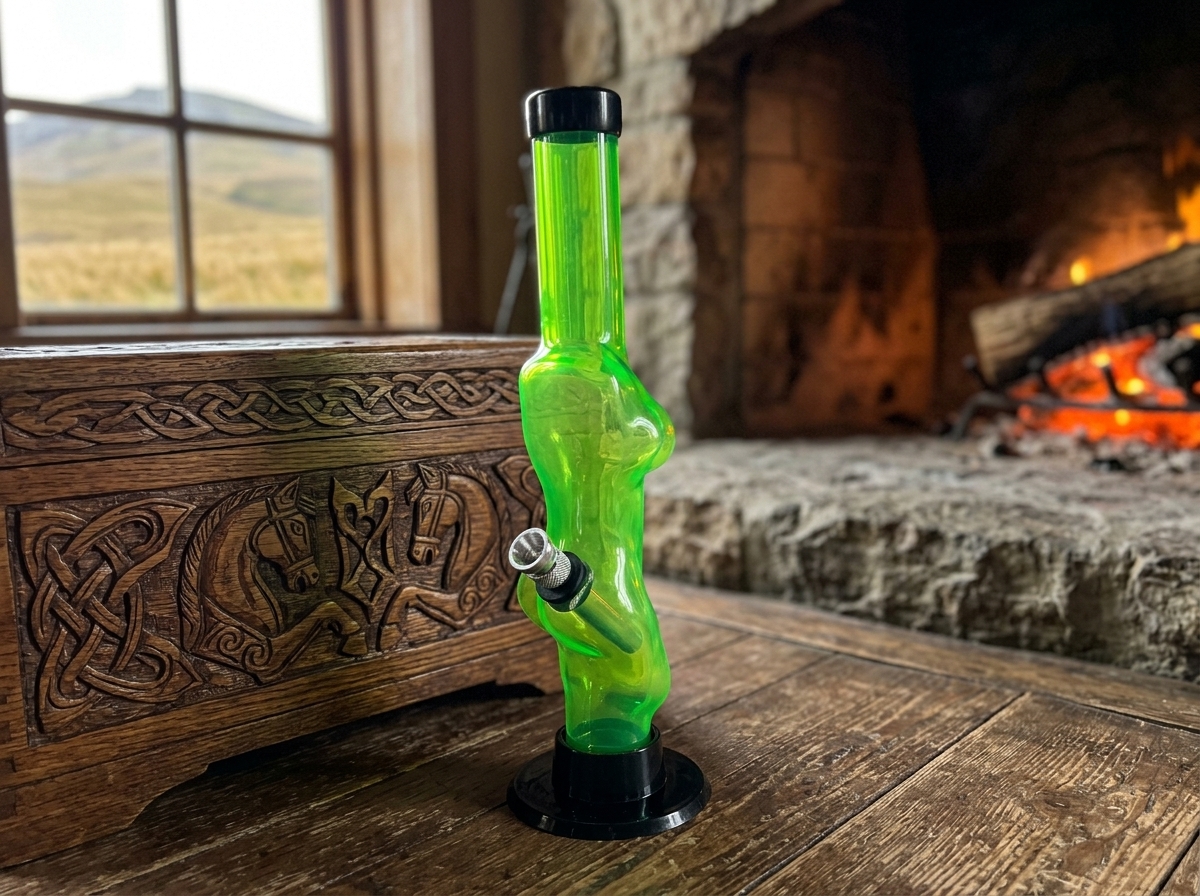
Acrylic Lady Contour Bong for Laid-Back Flower Sessions
Why it helps: This 8-inch acrylic bong is durable, easy to clean, and comes in multiple colors. It’s perfect for those evenings when you want a lighter flower high instead of a heavy dab.
- Break-resistant acrylic body ideal for casual use
- Compact 8-inch size fits easily on a shelf
- Multiple color options to match your style
Shop the Acrylic Lady Contour Bong
If you prefer glass, explore bongs for hand-blown and percolator options that upgrade your flower sessions.
Why Flower and Concentrate Rituals Coexist
Flower sessions engage different terpene profiles and effects. Many users find that alternating between flower and dabs prevents tolerance buildup.
A simple bong like this keeps your flower ritual relaxed and low-stakes. No need to overthink it.
Frequently Asked Questions
Which brand truly makes the best concentrates?
There’s no universal answer. The best brand for you depends on your state’s market, flavor preferences, and whether you prioritize solventless or solvent-based products. Start with brands that share full COAs and have consistent batch reviews.
Are solventless concentrates always better than solvent-based?
Not always. Solventless rosin and hash avoid residual solvent risks and often preserve more delicate terpenes. However, a well-made live resin BHO can be equally flavorful and more affordable. Quality depends on process, not just method.
What should I look for on a concentrate label?
Look for strain name, extraction method, batch number, total active cannabinoids, terpene percentage, and residual solvent results. If any of these are missing, contact the brand or choose another product.
Can I dab concentrates with a regular bong?
No. A regular bong is designed for flower combustion. Dabbing requires a nail, banger, or e-rig attached to a dab rig or compatible water pipe. Using a regular bowl will waste concentrate and create a mess.
How should I store concentrates to keep them fresh?
Store concentrates in an airtight, light-proof container in a cool place. Avoid excessive heat, air, and UV exposure. Some live rosins and full-melt hash benefit from refrigeration, but let them come to room temperature before opening to avoid condensation.
What is the difference between shatter, wax, budder, and rosin?
Shatter is a glassy, brittle solvent-based extract. Wax and budder are whipped solvent-based extracts with creamy textures. Rosin is solventless, made with heat and pressure from flower or hash. Each has different stability and flavor intensity.
Do I need a special vape for concentrates?
Yes. Concentrates require a device with coil or chamber designed for oils and waxes, not dry herb. A 510-thread vape bar with adjustable voltage works well for cartridges, while dab pens with quartz or ceramic coils handle thicker extracts.
Final Thoughts
The best concentrate brands are the ones that prove their quality through transparent lab data and consistent, terpene-rich batches. Don’t settle for mystery oil.
Whether you prefer solventless rosin or clean live resin, pair it with the right gear and storage habits. Then start comparing a few trusted names and make every dab count.
Ready to upgrade your setup? Explore dab rigs, vape pens, and smoking accessories to find the perfect match for your next concentrate purchase.
![Vessel Helix Pipe [Black] - Headshop.com](http://www.headshop.com/cdn/shop/files/Pipe_Black_Angle.jpg?v=1744306153&width=900)
![Vessel Helix Pipe [Black] - Headshop.com](http://www.headshop.com/cdn/shop/files/Pipe_Black_Closed.jpg?v=1744306155&width=1000)





![Vessel Pipe [Maritime]](https://cdn.shopify.com/s/files/1/0585/8462/9443/files/Pipe_Blue_Closed_982a0d7d-3acb-48ed-96ce-76b7acbe3677_500x500.jpg?v=1744306295)