![Pipe by Vessel [Gunmetal] - Headshop.com](http://www.headshop.com/cdn/shop/files/Pipe_Gunmetal_Angle.jpg?v=1744306453&width=900)
![Pipe by Vessel [Gunmetal] - Headshop.com](http://www.headshop.com/cdn/shop/files/Pipe_Gunmetal_Closed.jpg?v=1744306456&width=1000)


What Are THCA Concentrates? A Complete Guide to Types, Benefits, and Dabbing
Dabs don’t have to mean getting high. THCA concentrates bring the flavor, terpenes, and texture of premium extracts without psychoactive effects until you apply heat.
Key Takeaways
- THCA is the non-psychoactive precursor to THC found in raw cannabis.
- Concentrates isolate and preserve THCA through careful extraction and curing.
- Badder, rosin, and live rosin offer different textures and terpene profiles.
- Dabbing or vaping at controlled temperatures converts THCA to THC on demand.
- Quality matters: look for lab tests, clean solvents, and proper storage.
What Are THCA Concentrates?
THCA concentrates are cannabis extracts that preserve tetrahydrocannabinolic acid (THCA), the raw, non-intoxicating cannabinoid found in live and cured flower. Unlike traditional THC concentrates, these products won’t get you high in their natural state. They only become psychoactive when exposed to heat through a process called decarboxylation.
Think of THCA as the “before” molecule. When you light a joint or hit a dab rig, heat converts THCA into delta-9 THC. Concentrates capture THCA before that conversion, giving you a versatile extract for both wellness-focused use and controlled dabbing.
THCA vs. THC: The Key Difference
Both molecules share a similar structure, but THCA has an extra carboxyl group. That group makes THCA too large to bind strongly to CB1 receptors in your brain. Remove it with heat, and you get classic THC effects.
Why THCA Concentrates Are Gaining Popularity
People love the rich terpene profiles and clean textures of THCA extracts. They also appreciate the ability to control decarboxylation themselves. That means you can dab for a full THC experience or use low-heat methods to keep things non-intoxicating.
The Science Behind THCA: Why It Works
Raw cannabis contains mostly THCA, not THC. When the plant is dried and cured, some THCA slowly converts, but concentrates can lock in high percentages. That stability is what makes THCA concentrates so interesting.
Decarboxylation Explained
Decarboxylation is the chemical reaction that removes a carboxyl group from THCA, turning it into THC. This happens naturally over time or quickly with heat. At dabbing temperatures, the conversion happens almost instantly before you inhale.
Terpene Preservation
Because THCA concentrates avoid aggressive decarboxylation during processing, they often retain more volatile terpenes. That means brighter aromas and more nuanced flavors. If you care about taste, THCA extracts are worth exploring.
Tip: Store THCA concentrates in a cool, dark place to slow unintended decarboxylation and keep them stable for longer.
How THCA Concentrates Are Made
Methods vary depending on the starting material and desired texture. Common approaches include solvent-based extraction using butane or propane, and solventless methods like ice water hash and rosin pressing.
Solvent-Based Extraction
Hydrocarbon extraction uses chilled solvents to strip cannabinoids and terpenes from plant material. The solvent is then purged under vacuum. This method preserves THCA well because temperatures stay low during processing.
Solventless Extraction
Solventless methods rely on mechanical separation and pressure. Ice water hash uses cold water and agitation to knock trichome heads off the plant. Rosin pressing uses heat and pressure to squeeze resin from flower or hash. Both avoid chemical solvents entirely.
Curing and Finishing
After extraction, concentrates are often whipped, cold-cured, or left to nucleate into sugar. These finishing steps affect texture, stability, and how the concentrate behaves on a dab tool. The same starting oil can become badder, sugar, or sauce depending on how it’s cured.
Types of THCA Concentrates Explained
Not all THCA concentrates look or behave the same. Here are the most common textures you’ll see on a dispensary or headshop menu.
THCA Badder
Badder is whipped to a creamy, frosting-like consistency. It’s easy to handle, scoops cleanly, and tends to hold a high terpene content. Many dabbers prefer badder for its forgiving texture and rich flavor.
THCA Sugar
Sugar has a granular, wet-sand texture from THCA crystalline formations. It often has a strong, pungent aroma and a slightly drier consistency than badder. Sugar can be easier to dose by eye because the granules are visible.
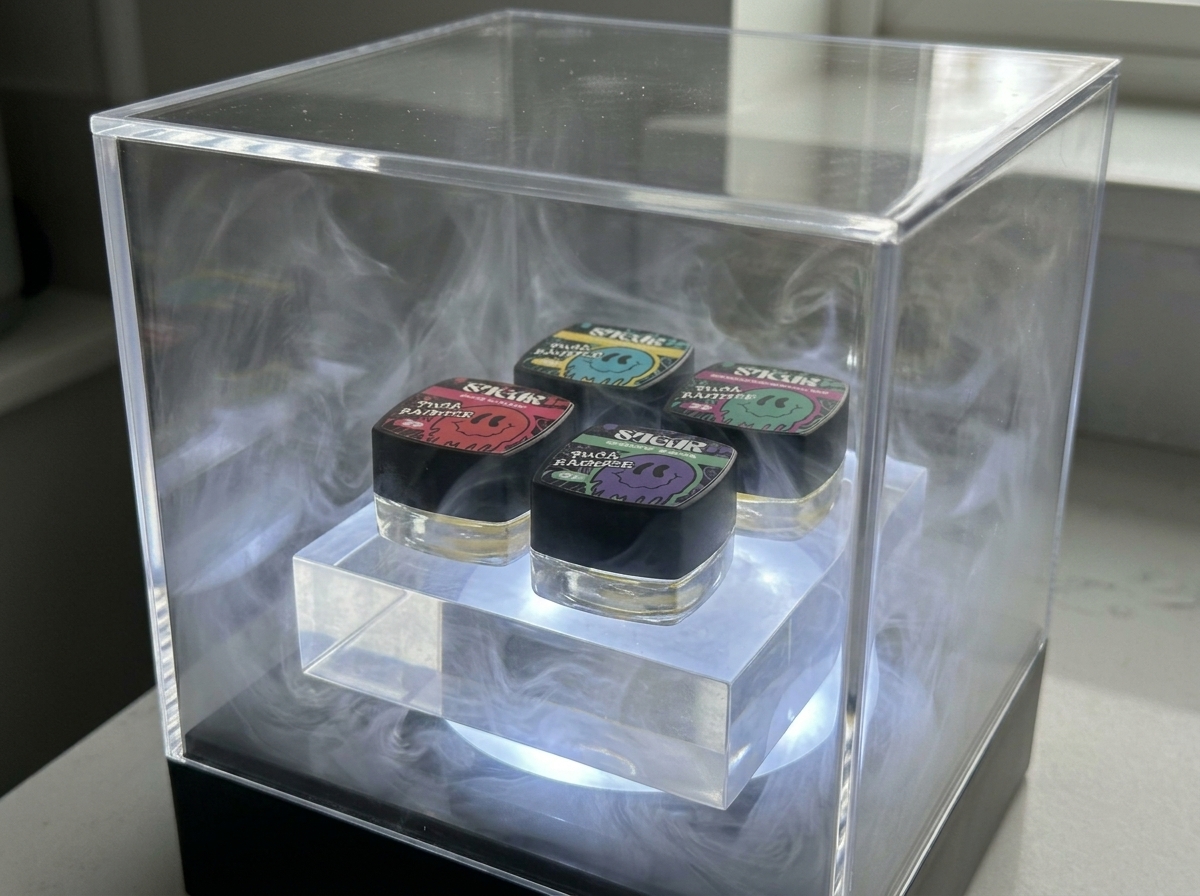
Sugar THCA Badder 2g
Why it helps: This 2-gram jar combines the best of both worlds: a sugary texture that’s stable and a badder-like creaminess that’s easy to work with. It’s a great everyday option if you want bold flavor without fighting your dab tool.
- Rich terpene profile with a wet sugar consistency
- Easy to scoop and dose
- 2-gram jar offers good value for regular dabbers
THCA Rosin
Solventless rosin is made by pressing flower or hash with heat and pressure. It can be saucy, badder-like, or fresh press. Rosin fans love the clean, chemical-free extraction process and the full-spectrum profile.
THCA Live Rosin
Live rosin starts with fresh frozen material, not cured flower. That preserves a higher percentage of monoterpenes and delivers a louder, more vibrant flavor. Live rosin is usually more expensive, but the taste difference is real.
Cold Cure Live Rosin
Cold curing changes rosin from a glossy, pull-and-snap texture to a creamy, wet badder. This happens over days or weeks at low temperatures. Cold cure preserves volatile terpenes and creates a smooth, balanced dabbing experience.
Solventless vs. Solvent-Based THCA Concentrates
Both categories can produce excellent THCA concentrates, but they have different strengths. Understanding the trade-offs helps you choose the right jar for your needs.
- Solventless: Made with heat, pressure, ice water, or mechanical separation. No residual solvents. Often more expensive due to lower yields.
- Solvent-based: Uses hydrocarbons or CO2. Can produce higher yields and unique textures like sugar and diamonds. Requires careful purging to remove solvents.
Which One Should You Choose?
If you want the cleanest possible extract and don’t mind paying a premium, go solventless. If you want bold flavors and a wide range of textures at a lower price, solvent-based extracts are worth trying. Many dabbers keep both on hand.
How to Dab THCA Concentrates Like a Pro
Dabbing THCA is similar to dabbing any concentrate, but temperature matters even more. Too hot and you’ll burn off delicate terpenes before you taste them.
Essential Gear
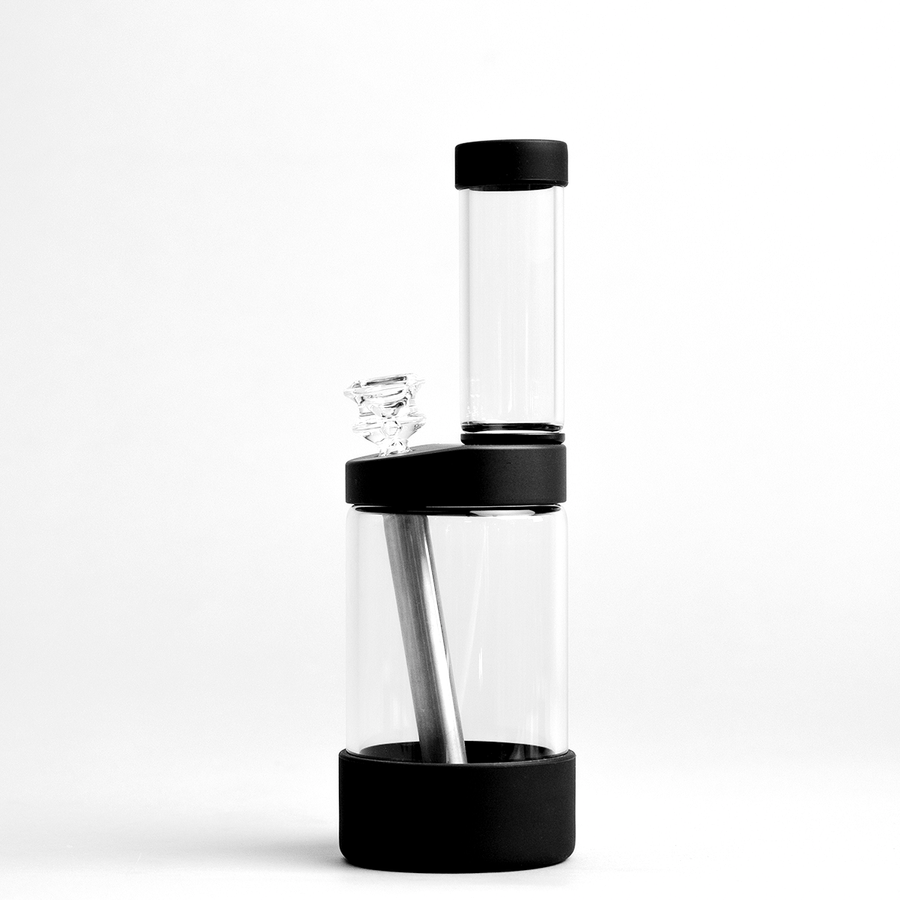
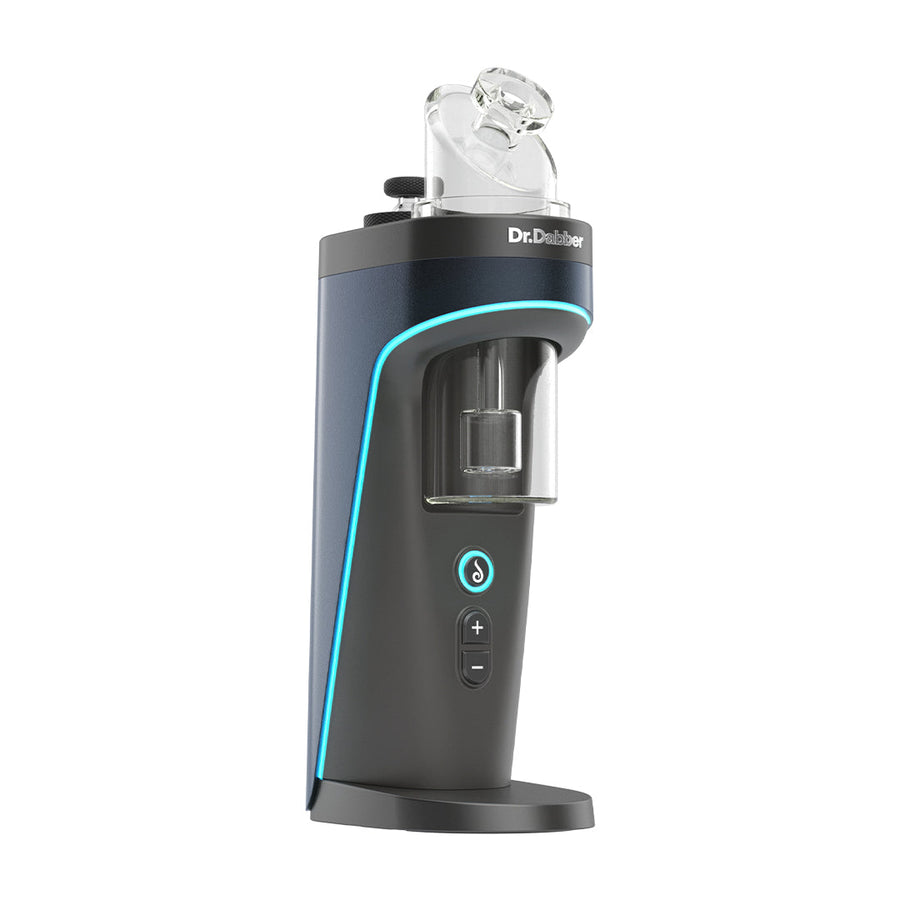
You’ll need a dab rig, a quartz banger, a carb cap, and a torch—or a dedicated dab pen or e-rig. Check out the selection of dab rigs and glass dab rigs for reliable setups. If you prefer portability, dab pens and vaporizers work well.
Temperature Control
Low-temp dabs between 350°F and 450°F preserve more THCA and terpenes. You can go hotter, but you’ll convert more THCA to THC and lose some flavor. Use a timer or an e-nail to dial in your sweet spot.
Step-by-Step Dabbing
- Heat your quartz banger until it glows, then let it cool for 30-60 seconds.
- Drop a small rice-sized amount of THCA concentrate onto the banger.
- Cover with a carb cap and inhale slowly. Rotate the cap for even vaporization.
- Clean the banger with a cotton swab after each dab to avoid chazzing.
If you want a solventless option that dabs clean, the Sugar Rosin Series THCA Dabs is a great place to start. It melts smoothly and delivers consistent flavor across the entire session.
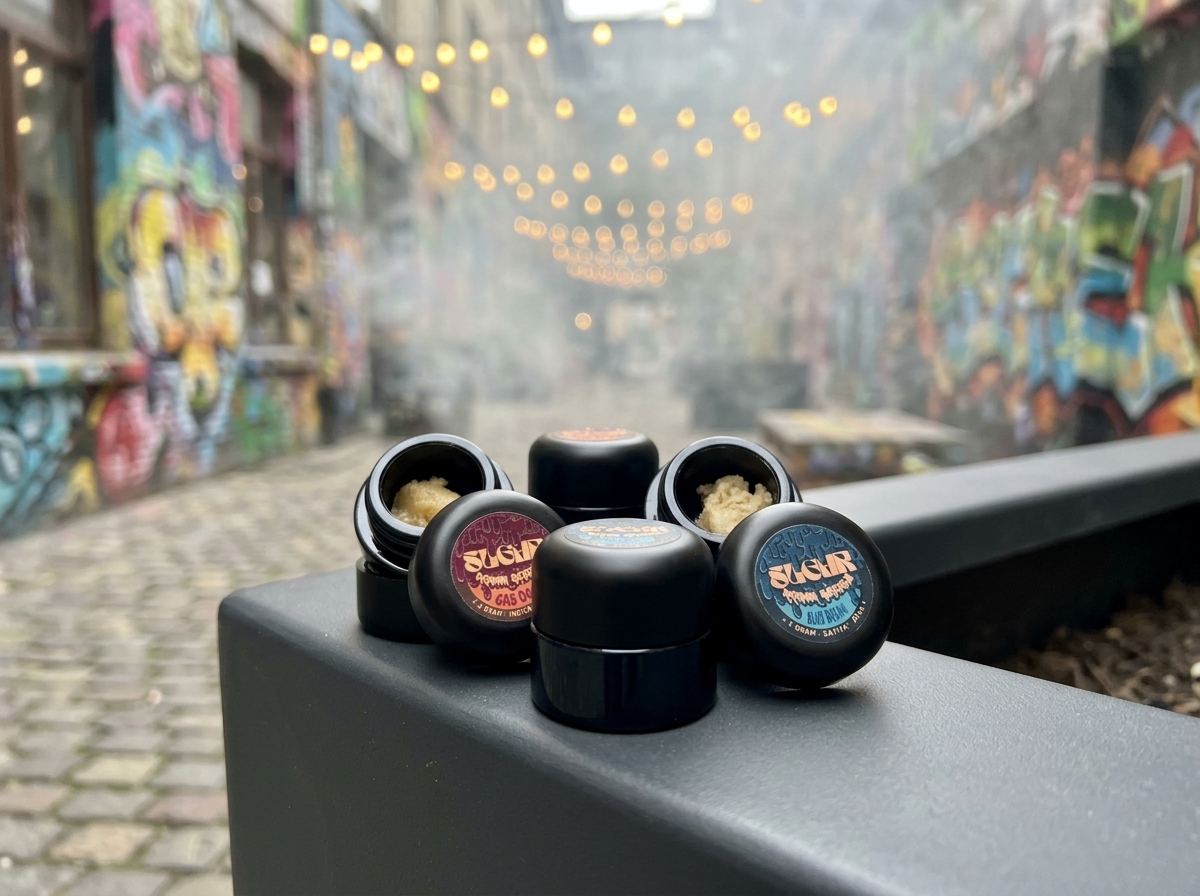
Sugar Rosin Series THCA Dabs 2g
Why it helps: This 2-gram solventless rosin brings a clean, full-spectrum profile that’s perfect for low-temp dabbing. It’s easy to scoop and delivers rich, strain-specific flavor without any residual solvent worries.
![Pipe by Vessel [Rose Gold]](http://www.headshop.com/cdn/shop/files/Pipe_Rose_Gold_Closed.jpg?v=1744306576&width=600 "Pipe by Vessel [Rose Gold]")
![Vessel - Mill [Beechwood]](http://www.headshop.com/cdn/shop/files/MILL_GUNMETAL_BEECH_COLLAPSED_FRONT_800.jpg?v=1744308513&width=600 "Vessel - Mill [Beechwood]")
![Vessel - Air [Jade]](http://www.headshop.com/cdn/shop/products/7cd436a1-b1f0-4e01-9e52-050ad7140b56.png?v=1679506090&width=600 "Vessel - Air [Jade]")
- Solventless rosin made with heat and pressure
- Retains natural terpenes for bold flavor
- Comes in a 2-gram jar for multiple sessions
Shop Sugar Rosin Series THCA Dabs
Benefits of Choosing THCA Concentrates
THCA concentrates offer a unique combination of flavor, flexibility, and control. Here are the main reasons people reach for them.
Versatility
You can dab them for a full THC experience or use low-heat methods like vaping at very low temps to keep THCA intact. Some people even add raw THCA concentrates to topicals or edibles before decarboxylation. The choice is yours.
Flavor Preservation
Because THCA isn’t decarbed during extraction, terpene profiles stay closer to the living plant. That means brighter citrus, pine, gas, and fruit notes on your palate.
Incremental Dosing
Sugar and badder textures make it easy to measure small, consistent doses. If you’re new to concentrates, start with a tiny amount and work up. A little goes a long way.
Stability
THCA is more stable than THC at room temperature. Properly stored THCA concentrates can keep their texture and potency for months without significant degradation.
Common Mistakes to Avoid with THCA Concentrates
Even experienced dabbers make mistakes with THCA. Watch out for these common pitfalls.
Using Too Much Heat
High-temp dabs may feel intense, but they destroy terpenes and can produce a harsh, burnt taste. Let your banger cool longer than you think. A good rule is 30-60 seconds after glowing, depending on thickness.
Storing in Warm or Light Spaces
Heat and UV light accelerate decarboxylation and dry out your concentrate. Keep jars tightly sealed in a cool, dark place. A refrigerator can work for long-term storage, but let it come to room temp before opening to avoid condensation.
Skipping Lab Tests
Always look for third-party potency and contaminant testing. Reputable brands make these results easy to find. If a jar has no test info, that’s a red flag.
Using Wrong Tools
Dirty quartz or a clogged dab pen ruins the flavor and wastes material. Clean your banger after every session. Check out smoking accessories for cleaning tools, carb caps, and other essentials.
How to Choose Quality THCA Concentrates
With so many options, it helps to know what separates a great concentrate from a mediocre one. Use these criteria before you buy.
Look at the Texture
Badder should be creamy and uniform, sugar should have visible wet crystals, and rosin should look clean and not overly dry. Avoid anything with visible mold, dark patches, or an oily separation that doesn’t mix back together.
Smell the Jar
A good THCA concentrate smells loud and true to strain. If it smells like hay, grass, or chemicals, walk away. Proper curing and storage preserve the nose.
Check the Source Material
Live rosin from fresh frozen flower often costs more but delivers the most complex flavor. If you want a premium cold cure live rosin, Rosin Tech Labs offers a 10ct pack of 1-gram jars that’s hard to beat for consistency.
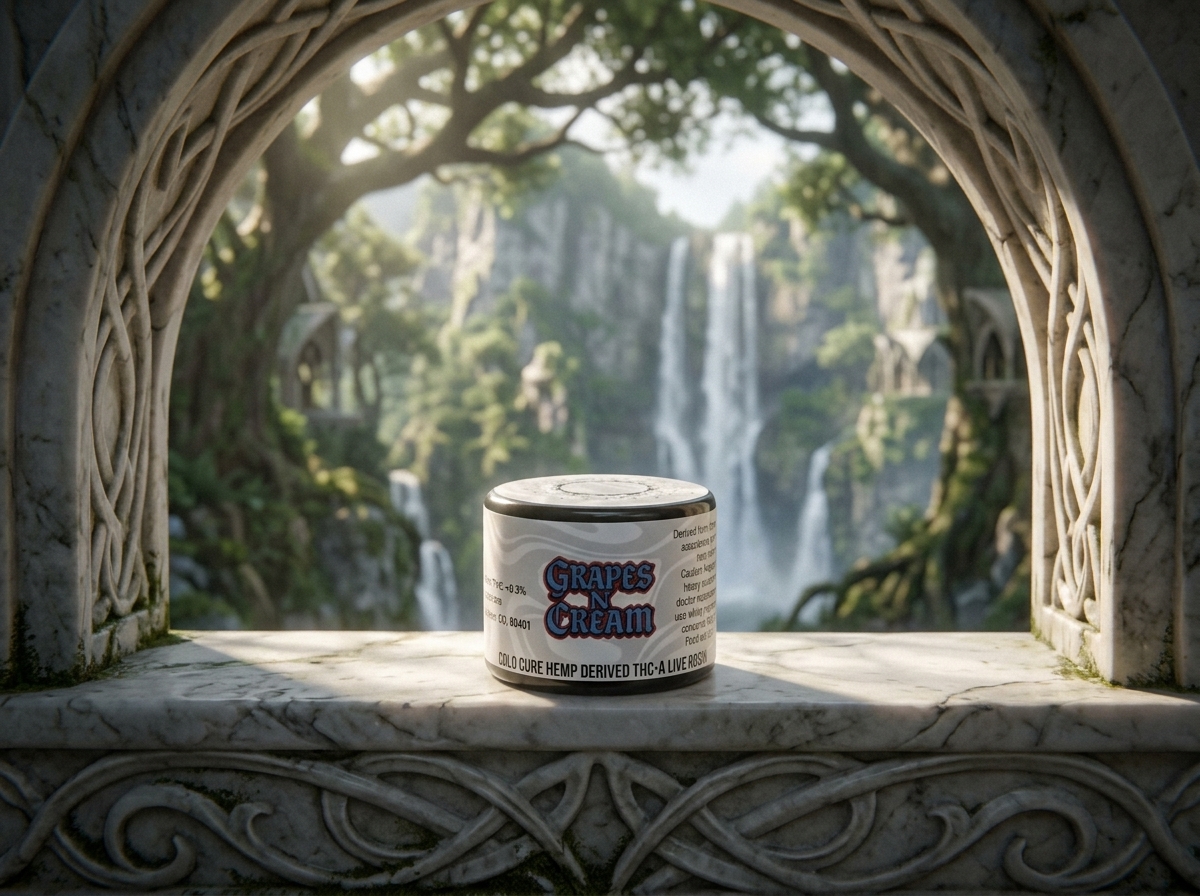
Rosin Tech Labs THCA Cold Cure Live Rosin 1g 10ct Pack
Why it helps: This 10-jar pack gives you a stash of cold cure live rosin made from fresh frozen material. It’s ideal if you want a top-shelf solventless experience without constantly restocking.
- Cold cure process preserves delicate terpenes
- 1-gram jars keep fresh until you’re ready to dab
- Bulk pack offers consistent quality and convenience
Shop Rosin Tech Labs Cold Cure Live Rosin 10ct Pack
Frequently Asked Questions
Are THCA concentrates legal?
Hemp-derived THCA concentrates are federally legal under the 2018 Farm Bill as long as they contain less than 0.3% delta-9 THC. State laws vary, so check your local regulations before buying.
Can THCA concentrates get you high?
In their raw form, no. THCA must be heated to convert into psychoactive THC. Dabbing or vaping at high temperatures will produce classic THC effects.
What’s the difference between THCA badder and sugar?
Badder is whipped to a creamy consistency, while sugar has a granular, crystalline texture. Both can have similar potency, but sugar often looks drier and badder scoops more easily.
How should I store THCA concentrates?
Keep them in an airtight container in a cool, dark place. For long-term storage, a refrigerator works, but let the jar warm to room temperature before opening to avoid moisture.
Can I use THCA concentrates in a vape pen?
Yes, as long as the pen is designed for concentrates. Look for a dab pen or wax pen with a ceramic or quartz chamber. Avoid putting THCA concentrates in standard e-liquid tanks.
Do THCA concentrates have terpenes?
Most quality THCA concentrates retain natural terpenes, especially live rosin and cold cure options. Terpenes contribute to flavor, aroma, and the overall entourage effect.
What temperature should I dab THCA?
Aim for 350°F to 450°F for a flavorful, balanced experience. Higher temperatures convert more THCA to THC and may taste harsher.
Final Thoughts
THCA concentrates give you the best of both worlds: rich, terpy extracts that stay non-intoxicating until you decide to turn up the heat. Whether you prefer a creamy badder, a crystalline sugar, or a solventless live rosin, the right jar can make your dabbing ritual better.
Ready to find your next favorite concentrate? Browse the full selection of dab rigs and dab pens to get set up, then grab one of the featured jars above.
![Vessel Helix Pipe [Black] - Headshop.com](http://www.headshop.com/cdn/shop/files/Pipe_Black_Angle.jpg?v=1744306153&width=900)
![Vessel Helix Pipe [Black] - Headshop.com](http://www.headshop.com/cdn/shop/files/Pipe_Black_Closed.jpg?v=1744306155&width=1000)







![Vessel Pipe [Maritime]](https://cdn.shopify.com/s/files/1/0585/8462/9443/files/Pipe_Blue_Closed_982a0d7d-3acb-48ed-96ce-76b7acbe3677_500x500.jpg?v=1744306295)