![Pipe by Vessel [Gunmetal] - Headshop.com](http://www.headshop.com/cdn/shop/files/Pipe_Gunmetal_Angle.jpg?v=1744306453&width=900)
![Pipe by Vessel [Gunmetal] - Headshop.com](http://www.headshop.com/cdn/shop/files/Pipe_Gunmetal_Closed.jpg?v=1744306456&width=1000)
How to Make Concentrates: Solventless, Rosin, and Safety Essentials
Key Takeaways
- Solventless methods like rosin pressing and dry sift are the safest ways to start.
- Solvent-based extraction demands ventilation, precision, and a proper purge.
- Temperature control and clean starting material matter more than expensive gear.
- Decarboxylation unlocks edible and vape-ready concentrates.
- UV-blocking storage keeps terpenes and potency stable.
What Are Cannabis Concentrates?
Concentrates are processed forms of cannabis that isolate trichomes—the resin glands holding cannabinoids and terpenes. The result is a sticky, potent material that ranges from golden shatter to buttery rosin to crumbly dry sift.
Potency is the main draw. A good concentrate can test between 50% and 90% total cannabinoids, compared with 15% to 30% in flower. That means a small dab delivers a much stronger effect than a bowl, so dosing discipline matters.
Common consistencies include shatter, wax, budder, crumble, sauce, and live rosin. Each texture comes from different starting material, temperature, and post-processing.
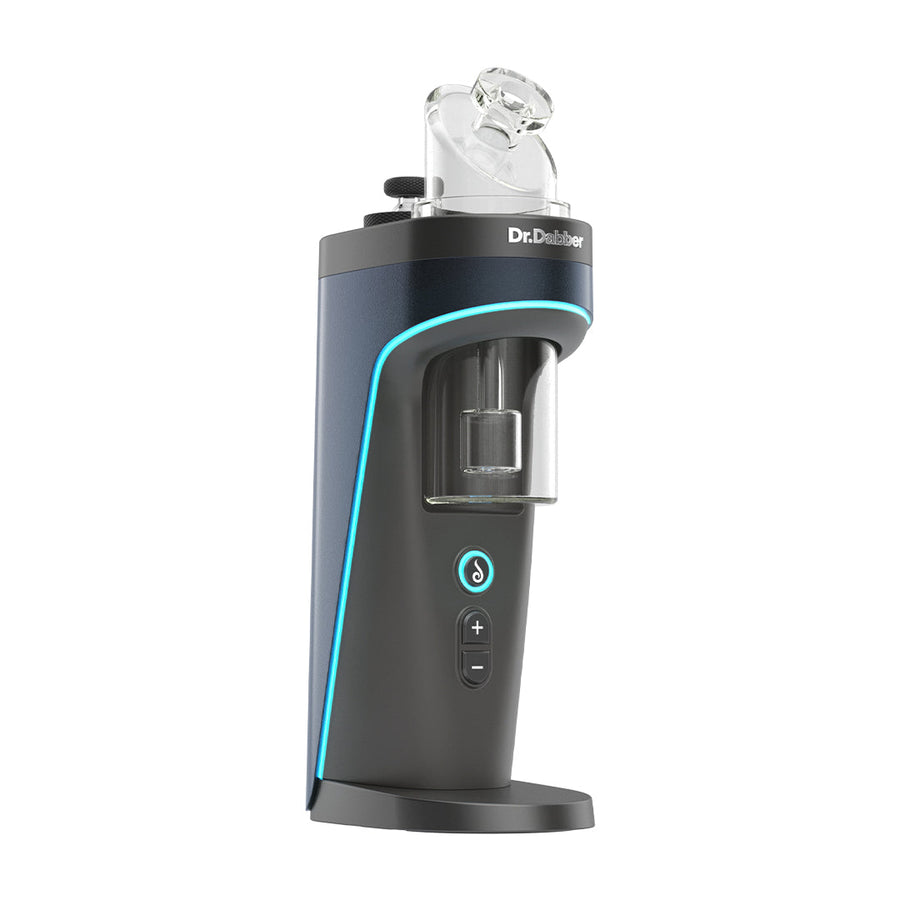
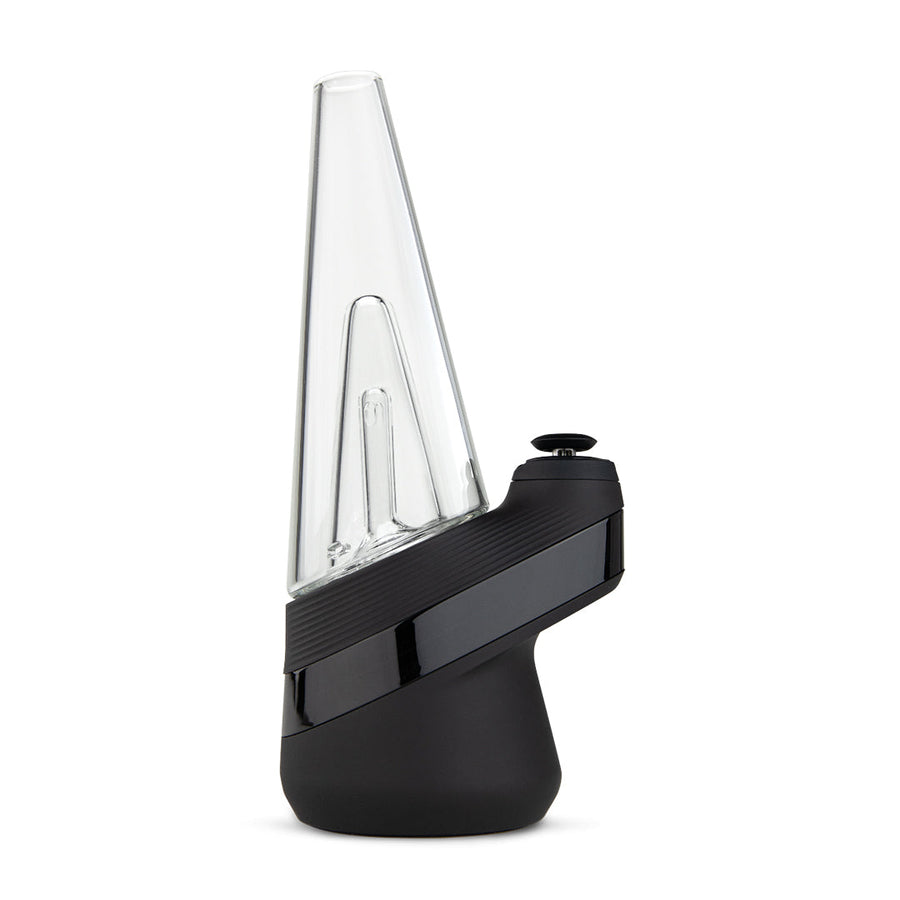
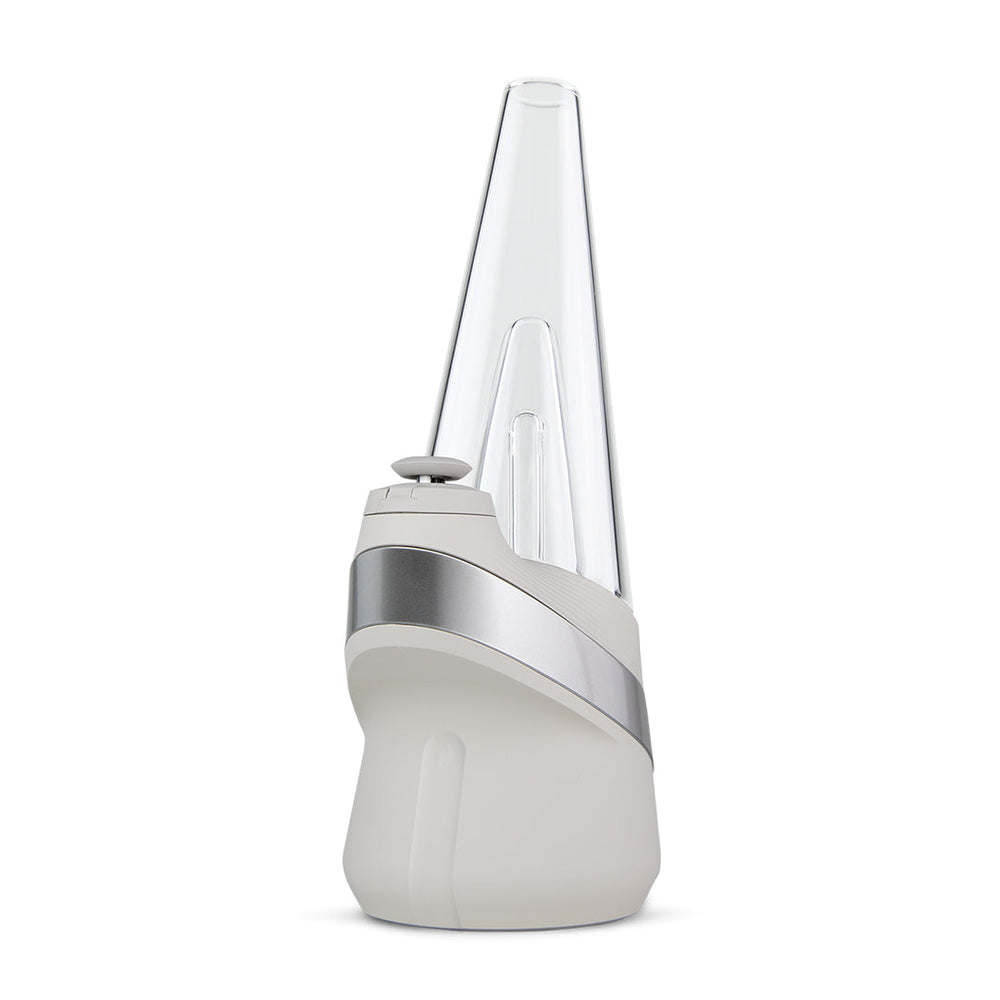
Consuming concentrates works best with dedicated gear. A reliable dab rig preserves delicate terpenes, but you can also use vaporizers and pens designed for oils.
The Two Main Extraction Approaches
Every method for how to make concentrates falls into two buckets: solventless and solvent-based. Understanding the trade-offs helps you pick a safe starting point.
- Solventless: Uses pressure, heat, friction, water, or screens. No chemicals to purge. Examples: rosin, dry sift, bubble hash.
- Solvent-based: Uses butane, ethanol, isopropyl alcohol, or CO2 to dissolve trichomes, then removes the solvent. Examples: BHO, QWISO, ethanol oil.
Why Start With Solventless?
Solventless methods are forgiving. You won't risk flammable fumes or residual solvent in your final product. A rosin press and a set of parchment paper deliver impressive results on the first try.
When Solvent-Based Makes Sense
Solvent extraction can pull a wider range of compounds and is standard for vape cartridges and edibles at scale. But home use requires a well-ventilated space and no open flames.
How to Make Concentrates Without Solvents: Rosin Press Method
Rosin tech is the most accessible way to get dab-ready concentrate at home. You apply controlled heat and pressure to flower, hash, or kief, and the oil flows out onto parchment.
You don't need a commercial press to start. A flat iron with adjustable temperature and a hand clamp works for small squishes. But dedicated presses give consistent pressure and larger yields.
Step-by-Step Rosin Pressing
- Preheat your press plates to 180–220°F for flower, or 160–190°F for hash.
- Pack your starting material tightly into a 90–120 micron filter bag.
- Place the bag between two sheets of parchment paper.
- Apply pressure slowly for 60–180 seconds until you hear a gentle sizzle.
- Collect the golden oil with a dab tool and let it cool.
Quality parchment matters. A few extra smoking accessories like silicone mats and collection tools make the process cleaner.
Pro tip: Use fresh material at 62% relative humidity. Too dry and yields drop; too wet and you get steam sizzle with darker rosin.
Dry Sift and Bubble Hash: No Heat, No Solvents
Dry sift uses mechanical separation to knock trichomes off plant material. Bubble hash uses ice water and filter bags to do the same with agitation.
How to Make Dry Sift
Start with a trim tray or a set of micron screens. Gently rub frozen material over a 150–220 micron screen. The golden dust that falls through is kief-rich dry sift.
If you already have a quality weed grinder with a kief catcher, you are already making micro dry sift every time you grind. The key is freezing the grinder to make trichomes brittle.
How to Make Bubble Hash
Place cannabis and ice in a bucket, add cold water, and agitate with a spoon or washing machine. Pour the mixture through a series of smaller micron bags, then collect and dry the hash.
Bubble hash can be dabbed on its own or pressed into rosin for a cleaner product. Cold temperatures preserve terpenes, which is why this method shines with fresh frozen material.
Measuring and Handling Your First Batch
Precision matters when you are learning how to make concentrates. A gram of rosin from three grams of flower is a 33% yield—good or bad depending on strain and freshness. Without a scale, you can't track improvement.
Sticky oils also cling to parchment and tools. Non-stick silicone mats and a reliable scale reduce waste and frustration during collection.
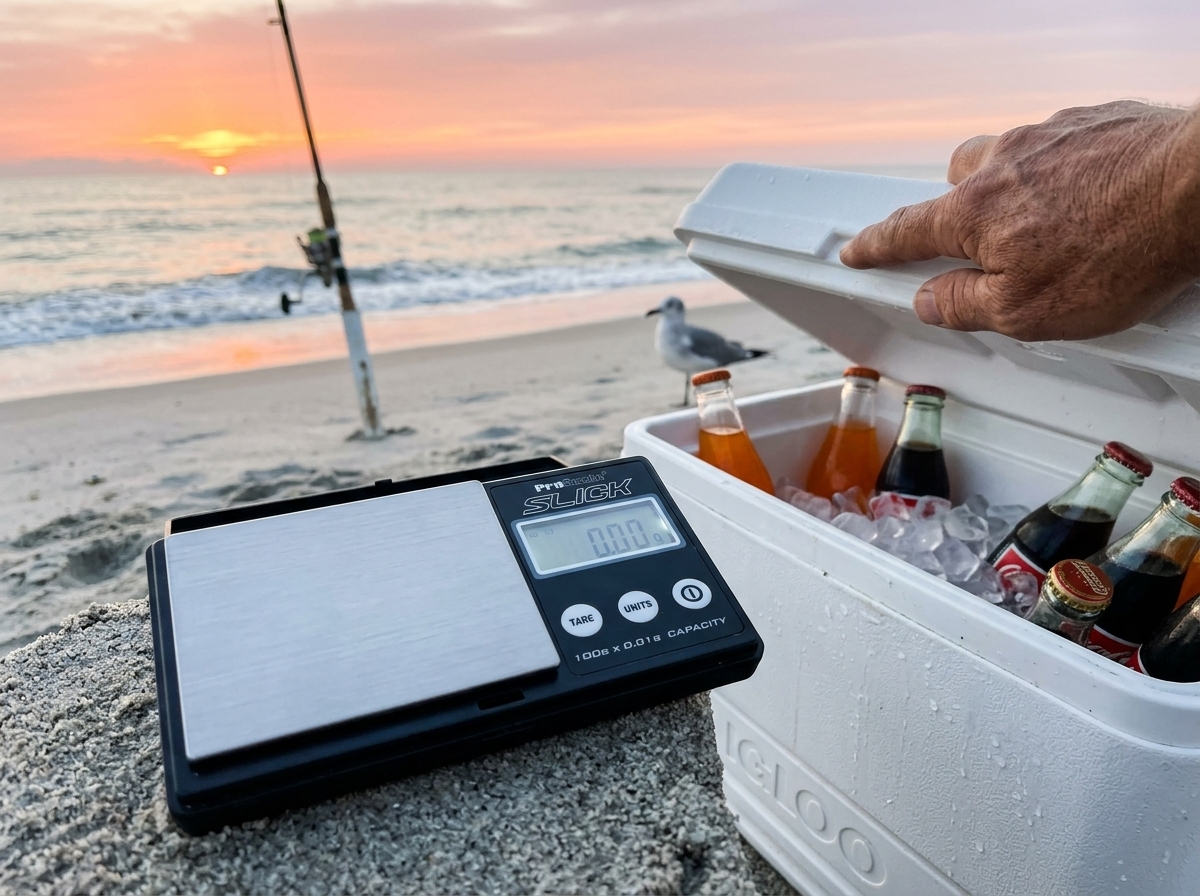
ProScale Slick Concentrate Kit & Scale
Why it helps: When you are learning how to make concentrates, precise yields and clean handling matter. This kit pairs a responsive scale with non-stick slick surfaces so you can collect rosin without losing a gram to parchment mishaps.
- Measures fresh press yields down to 0.01 g
- Non-stick mats keep sticky oils from tearing parchment
- Compact tools make scraping and transferring easy
Check current pricing for the ProScale kit
Write down the weight before and after every press. Those numbers tell you if the temperature, pressure, or starting material changed the result.
Solvent-Based Concentrates: QWISO and Ethanol Extraction
QWISO stands for "quick wash isopropyl alcohol." You freeze both the material and the alcohol, do a short wash, and evaporate the solvent. Ethanol works the same way but is slightly less toxic.
This method is not beginner-friendly because alcohol vapor is flammable. Work outdoors or under a fume hood, away from sparks and pilot lights.
Step-by-Step QWISO
- Freeze your flower and 99% isopropyl alcohol separately for 24 hours.
- Combine in a mason jar and shake gently for 20–30 seconds.
- Strain through a 25 micron screen into a flat glass dish.
- Evaporate the alcohol slowly with a fan—never with an open flame.
- Scrape the resulting oil and purge any remaining solvent on a low-heat plate.
If you want to inhale the result through a portable option, a clean dab pen from the dab & wax pens collection works well. Just make sure the purge is complete.
The Role of Decarboxylation for Edibles and Carts
Raw concentrates contain THCA, which won't produce psychoactive effects when eaten. Decarboxylation converts THCA to THC through gentle heat. This step is essential for edibles, tinctures, and some vape cartridge fillers.
![Vessel - Mill [Beechwood]](http://www.headshop.com/cdn/shop/files/MILL_GUNMETAL_BEECH_COLLAPSED_FRONT_800.jpg?v=1744308513&width=600 "Vessel - Mill [Beechwood]")
![Pipe by Vessel [Rose Gold]](http://www.headshop.com/cdn/shop/files/Pipe_Rose_Gold_Closed.jpg?v=1744306576&width=600 "Pipe by Vessel [Rose Gold]")
![Vessel - Air [Jade]](http://www.headshop.com/cdn/shop/products/7cd436a1-b1f0-4e01-9e52-050ad7140b56.png?v=1679506090&width=600 "Vessel - Air [Jade]")
You can decarb flower before extraction or decarb the concentrate after. For concentrates, use low heat—around 220–250°F—until bubbling stops. This usually takes 30–60 minutes depending on thickness.
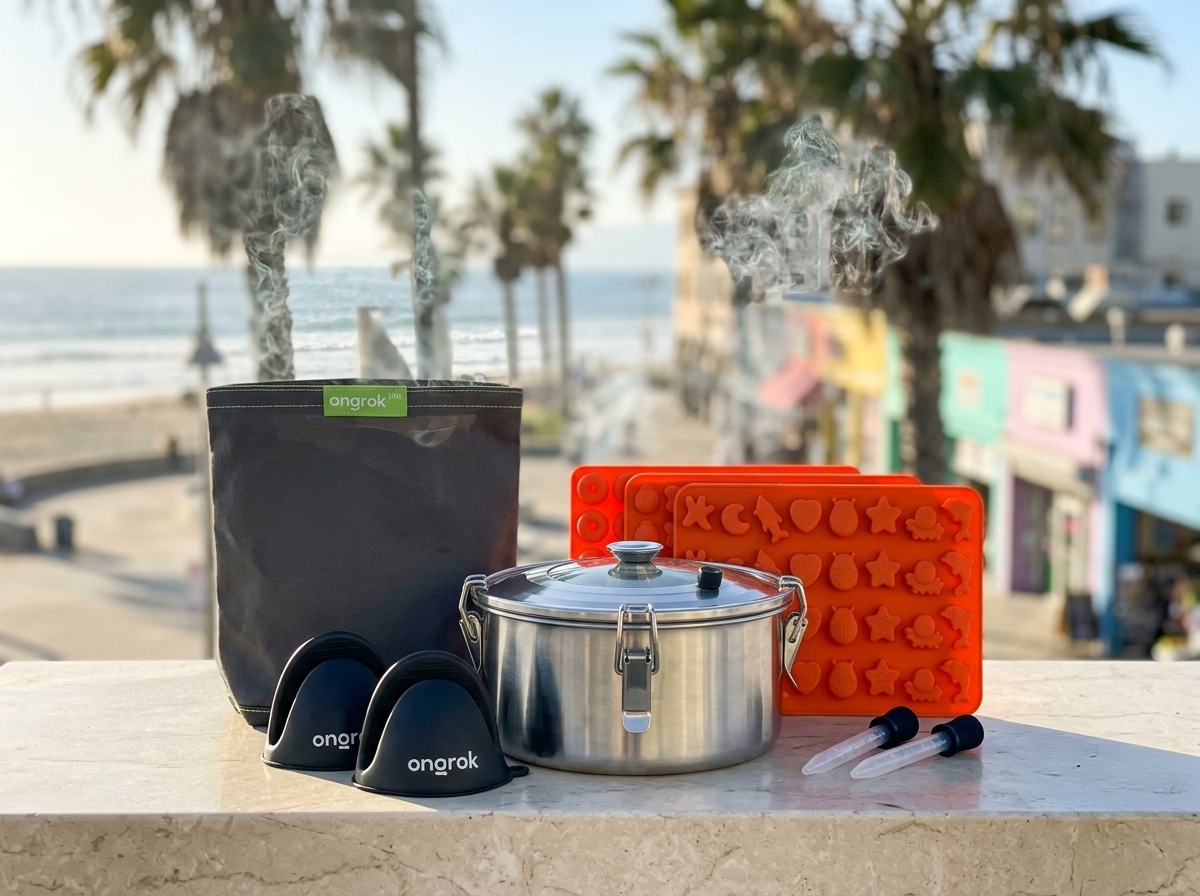
Ongrok Decarboxylation Kit
Why it helps: If you plan to turn your concentrates into edibles or vape cartridges, decarboxylation is non-negotiable. This kit gives you a controlled silicone box and thermometer so you can hit the right temperature without hot spots.
- Oven-safe silicone box contains terpenes during decarb
- Built-in thermometer removes guesswork
- Reusable and easy to clean after sticky runs
Shop the Ongrok decarb kit here
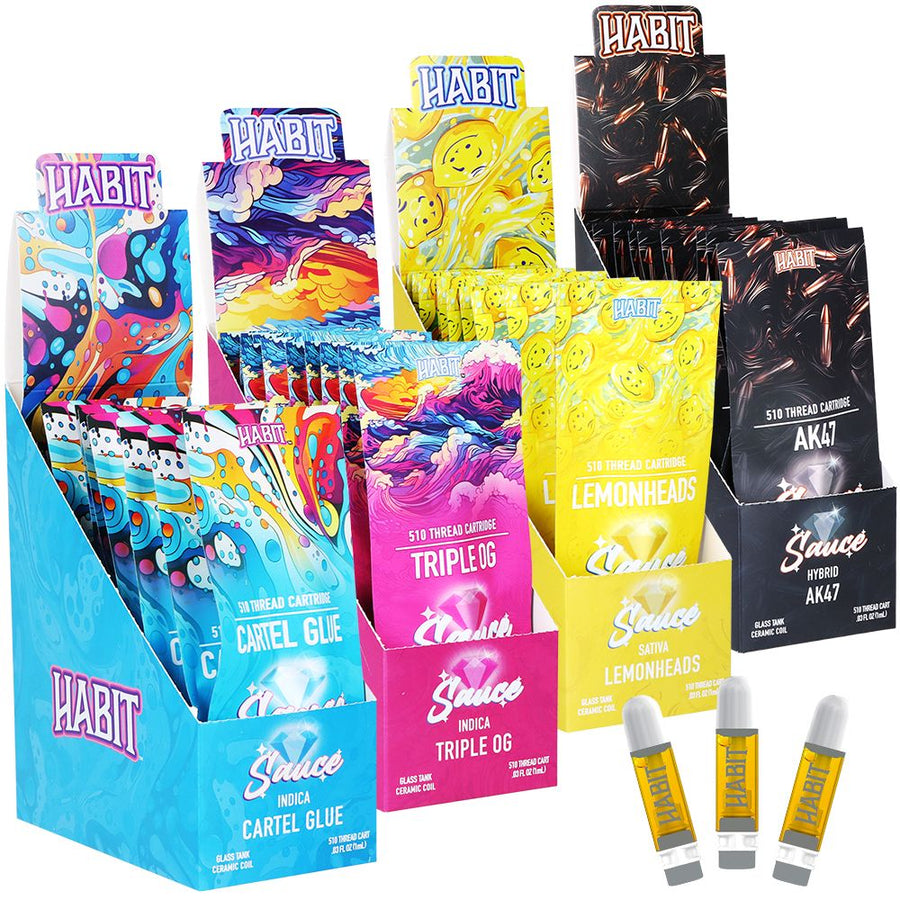
Once decarbed, many people thin the oil slightly and load it into cartridges for vape pens. Keep the temperature low to avoid burning off terpenes.
Purging, Curing, and Consistency Adjustments
After solvent-based extraction, purging removes residual alcohol or butane. After rosin pressing, curing changes the texture from shatter to budder to jam. Both steps affect flavor and smoothness.
How to Purge Solvents
Spread the oil thin on a heat-safe surface and warm it gently—no open flame. Use a vacuum chamber if you have one. Residual solvent tastes harsh and can be dangerous, so purge until there is no alcohol smell.
Cold Cure vs. Warm Cure for Rosin
Leave fresh rosin in a sealed glass jar at room temperature for a few days and it often buds up into a creamy badder. A warm cure at 100–120°F for 1–2 hours speeds up nucleation and creates a jam-like consistency.
- Cold cure: preserves the most terpenes, softer texture.
- Warm cure: faster, more stable for travel, but slightly less aromatic.
How to Store Concentrates for Maximum Potency
Light, air, heat, and humidity are the enemies of concentrates. Even a perfect rosin press will degrade in a week if left on parchment in a sunny room.
Glass jars with airtight lids are the baseline. For longer storage, add a sealed Mylar bag or wrap the jar in UV-blocking film. Keep everything in a cool, dark place—ideally a refrigerator for live rosin.

Ongrok Color-Coded Mylar Bags
Why it helps: Concentrates degrade fast when exposed to light, air, and heat. These color-coded bags block UV light and seal tightly, so each batch stays terpy from press day to final dab.
- UV-blocking material preserves terpenes and potency
- Color coding keeps strains and consistencies organized
- Resealable closures prevent sticky leaks in storage
Get color-coded storage bags for your next batch
Label each bag with the strain, date, and method. You'll appreciate that detail three months later when you are comparing two nearly identical rosins.
Common Mistakes When Making Concentrates
Most failed batches come from a handful of repeated errors. Fix these first and your results improve immediately.
- Too much heat: Dark, harsh-tasting rosin usually means you over-pressed or started with stale material.
- Skipping the scale: You cannot improve what you don't measure. Know your yield every time.
- Poor filtration: Plant material in your oil makes it gritty and burns dirty on a nail.
- Incomplete purge: Residual solvent causes headaches and can ignite. Never rush evaporation.
- Ignoring humidity: Bone-dry flower yields almost nothing. Use 62% humidity packs before pressing.
Safety and Legal Considerations Before You Start
Always check local laws first. Making concentrates is legal in some regions for personal use but prohibited in others. Solvent-based extraction may require a license even where personal cultivation is allowed.
Safety is non-negotiable:
- Never extract with butane or alcohol indoors without professional ventilation.
- Keep a fire extinguisher nearby and eliminate all ignition sources.
- Wear nitrile gloves and eye protection when handling solvents.
- Label all concentrates and keep them away from children and pets.
Frequently Asked Questions
Is it legal to make concentrates at home?
It depends on your state or country. Some places allow solventless personal extraction, while solvent-based methods are heavily restricted. Always check current local laws before starting any batch.
What is the easiest concentrate to make for beginners?
Rosin pressed from flower or kief is the easiest because it requires no solvents. A simple hair straightener and parchment paper can produce a dab in minutes. Dry sift is also beginner-friendly if you already have a kief catcher.
How much flower do I need to make rosin?
Expect roughly 0.2–0.3 grams of rosin from one gram of quality flower, so a 15–30% yield. Start with at least 3–5 grams to get a meaningful amount and easier collection.
Can I vape rosin in a cartridge?
Not directly. Rosin contains fats and waxes that can clog cartridges. You can decarb and thin it with a small amount of terpenes or a liquidizer, but many people prefer to dab rosin instead.
What temperature should I press rosin at?
For flower, 180–220°F works well. Lower temperatures preserve terpenes but yield less; higher temperatures increase yield but can make darker, harsher oil. Hash and kief press best at 160–190°F.
How do I know when solvents are fully purged?
Spread the oil thin and look for a uniform, non-bubbling surface. Smell is a strong indicator—there should be no sharp alcohol or butane odor. For safety, use a vacuum chamber and purge for several hours if needed.
Final Thoughts
Learning how to make concentrates is a mix of patience, clean habits, and temperature control. Start with solventless rosin, track your yields with a scale, and store everything in UV-blocking bags for long-term quality.
Ready to upgrade your setup? Browse the trending smoke shop products to find presses, tools, and storage designed for concentrate makers.
![Vessel Helix Pipe [Black] - Headshop.com](http://www.headshop.com/cdn/shop/files/Pipe_Black_Angle.jpg?v=1744306153&width=900)
![Vessel Helix Pipe [Black] - Headshop.com](http://www.headshop.com/cdn/shop/files/Pipe_Black_Closed.jpg?v=1744306155&width=1000)





![Vessel Pipe [Maritime]](https://cdn.shopify.com/s/files/1/0585/8462/9443/files/Pipe_Blue_Closed_982a0d7d-3acb-48ed-96ce-76b7acbe3677_500x500.jpg?v=1744306295)