


How to Make a Sherlock Holmes Pipe: A Step-by-Step Crafting Guide
Want to craft a Sherlock Holmes pipe that looks straight out of Baker Street? This guide walks you through every step, from selecting wood to carving the iconic curved bowl.
Key Takeaways
- Choose dense hardwoods like briar or cherry for durability and heat resistance.
- Master the classic calabash or bent billiard shape to nail the detective aesthetic.
- Use basic tools (drill, files, sandpaper) for a DIY pipe at home.
- Drill the bowl and shank at precise angles to ensure a smooth smoke.
- Finish with food-safe oils and test for airflow before your first puff.
Why Make Your Own Sherlock Holmes Pipe?
Crafting a Sherlock Holmes pipe connects you to a timeless tradition. It’s not just about smoking; it’s about the satisfaction of creating something functional and iconic.
Homemade pipes also make unique gifts. You control the materials, shape, and finish, ensuring a personal touch that store-bought pieces rarely match.
The Allure of the Iconic Shape
The classic bent billiard or calabash shape isn’t just stylish—it’s practical. The curve keeps smoke cool, while the bowl’s depth holds enough tobacco for a long think.
When you make your own, you can tweak the proportions to fit your hand and smoking style perfectly.
Gathering Materials and Tools
Start with the right wood. Briar is the gold standard because it’s porous and heat-resistant, but cherry, olive, or pear wood also work well for beginners.
You’ll also need a drill with various bits, a coping saw, files, sandpaper (from coarse to fine), and a food-safe finish like beeswax or mineral oil.
Choosing Your Wood
Look for a block that’s free of cracks and at least 2 inches thick. Briar blanks are available online, but a local hardwood scrap can substitute if you’re on a budget.
Remember: softwoods like pine are a no-go. They burn too easily and can impart a resinous taste to your smoke.
Essential Tools for the Job
- Drill press or hand drill for precision holes
- Files and rasps for shaping the bowl
- Sandpaper in 80, 220, and 400 grits
- Clamps to hold your work securely
Explore more smoking accessories to inspire your build.
Designing Your Sherlock Holmes Pipe
Decide on the silhouette. The calabash features a large, hollow bowl and a curved stem, perfect for cooling smoke. The bent billiard is simpler—a straight shank with a slight curve in the mouthpiece.
Sketch your design from multiple angles, marking where the bowl will sit and how the stem will angle. This blueprint prevents costly mistakes.
Calabash vs. Bent Billiard
Calabash pipes have a ceramic or meerschaum insert, but you can carve the entire bowl from wood for simplicity. The classic look comes from the gourd-shaped body.
Bent billiards are easier for beginners. They require less hollowing and still capture Holmes’s vibe with a graceful bend.
Marking the Airway
Use a pencil to trace a line from the center of the bowl down through the shank. This airway must meet the bowl’s bottom at a precise angle—typically 30 to 45 degrees.
A misaligned airway causes gurgling and poor draw, so take time to measure twice.
Step-by-Step Crafting Process
Follow these steps to transform a chunk of wood into a functional pipe. Work slowly, checking fit after each stage.
Step 1: Cutting the Blank
Secure your wood with clamps. Use a coping saw to cut out the rough outline, leaving extra material for shaping. Avoid cutting too close to your lines yet.
If you’re using a pre-drilled blank, skip to step 3. Otherwise, mark the bowl center and shank direction.
Step 2: Drilling the Bowl and Shank
Drill the bowl first with a paddle bit that matches your desired diameter (typically 3/4 inch). Drill to a depth of about 1.5 inches, but not through the bottom.
Then, switch to a thin bit (around 1/8 inch) and drill the airway from the shank end into the bowl’s bottom. Clamp a block underneath to prevent tear-out.
Step 3: Shaping the Exterior
With the holes drilled, use files to shape the bowl’s curve and the shank’s taper. Constantly step back to view the silhouette from all sides.
Keep the bowl walls at least 1/4 inch thick for safety. Thin spots can burn through.
Step 4: Sanding Smooth
Begin with 80-grit to remove file marks, then progress to 220 and finish with 400 for a silky surface. Sand in the direction of the grain to avoid scratches.
Wipe away dust frequently. This prep also highlights any flaws you need to fix.
Step 5: Adding a Stem
You can purchase a pre-made acrylic or vulcanite stem with a tenon that fits your shank hole. If you prefer a full wood stem, drill it separately and glue with food-safe epoxy.
A curved stem adds authenticity, but straight is simpler to insert. Test the fit before gluing.
Step 6: Finishing and Polishing
Apply a thin coat of beeswax or mineral oil to protect the wood. Buff with a soft cloth until it gleams. Avoid varnish—it can heat up and crack.
Let the pipe cure for 24 hours before smoking. This allows the finish to set.
Step 7: Testing and Adjusting
Do a dry pull to check airflow. If resistance feels high, ream the airway slightly with a small file. If whistle, sand the tenon down a bit.
Pack a small bowl and do a test smoke. Expect a break-in period where the wood may impart a slight taste.

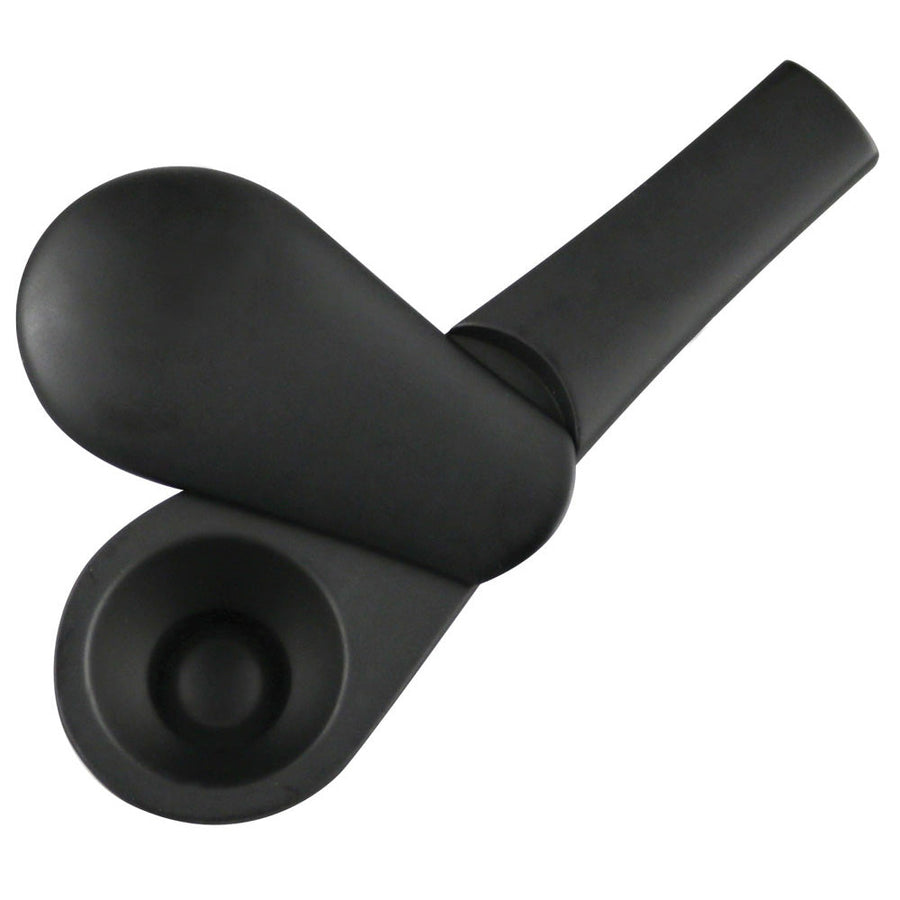
Pipe by Vessel [Gunmetal]
Why it helps: If you’re curious about a modern take on the Sherlock pipe, Vessel’s design offers a sleek, durable option. It’s perfect for those who appreciate craftsmanship but want a contemporary twist.
- Precision-machined metal body ensures longevity.
- Compact size fits pocket or pipe stand.
- Easy to clean with included tools.
Modern Alternatives: Vaporizers and Vape Pipes
Not everyone wants to deal with tobacco and open flames. Modern technology offers cleaner ways to enjoy that classic pipe experience.
Dry herb vaporizers and vape pipes mimic the look but extract active compounds at lower temperatures, producing smoother vapor without ash.
Dry Herb Vaporizers
These devices heat herbs just below combustion, releasing flavor without smoke. Many come in wood or metal finishes that echo traditional pipes.
They’re ideal for indoor use or where smoke is a concern. Plus, they’re easy to load and maintain.

Cipher Nautilus V3 Dry Herb Vaporizer | Palm Wood
Why it helps: This palm wood vaporizer delivers a warm, woody aesthetic that nods to Sherlock while keeping things practical. It’s small enough for side-by-side with your collected pipes.
- Precise temperature control for flavor.
- Rechargeable battery lasting multiple sessions.
- Convection heating preserves herbs.
Vape Pens with Pipe Styling
Cartridge vapes shaped like pipes offer the silhouette with zero maintenance—just screw in a cart and puff. They’re perfect for beginners or travel.
Look for variable voltage options to control the intensity. Many come with curved mouthpieces for that Holmes charm.

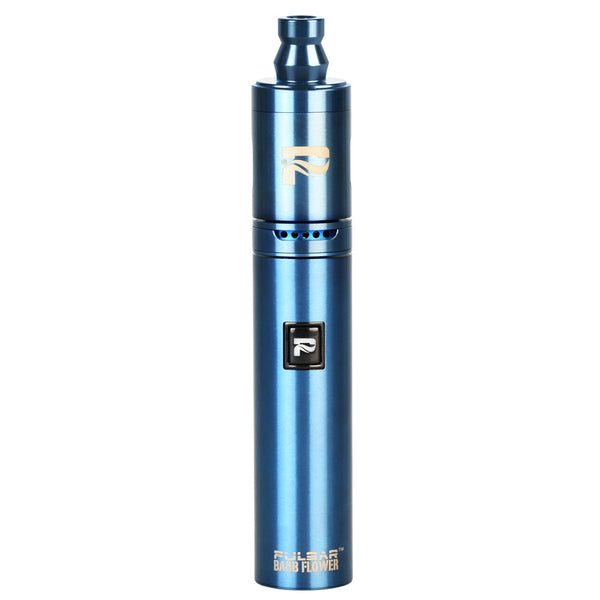
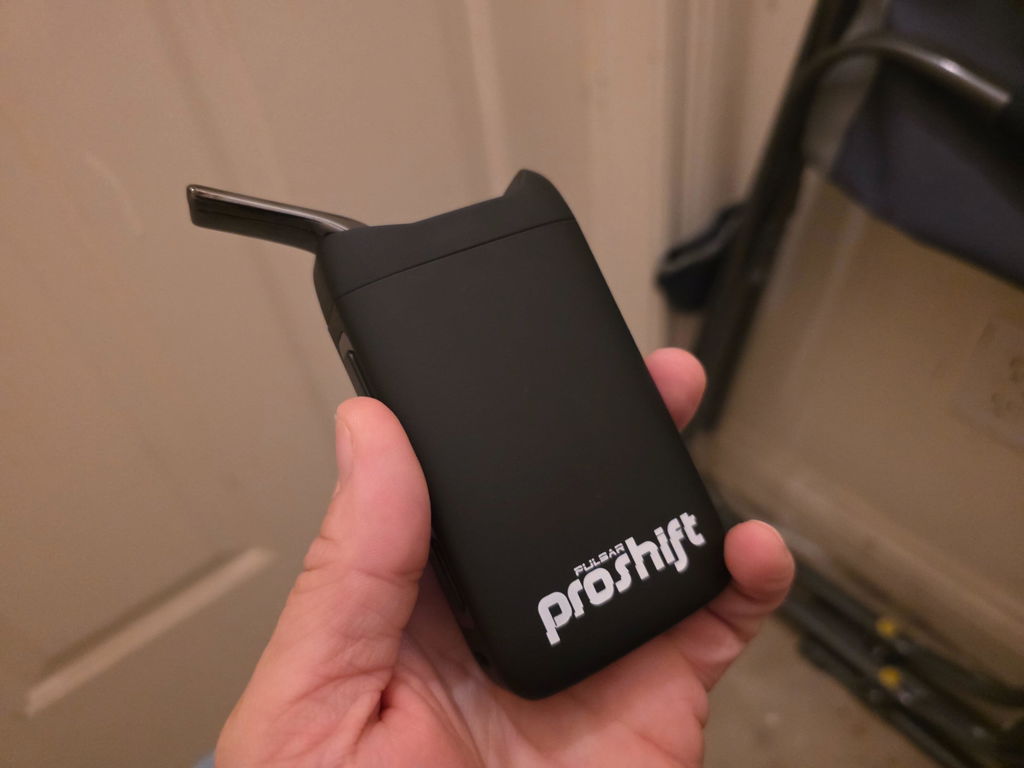
Pulsar 510 DL Pipe Variable Voltage Cartridge Vape | 650mAh
Why it helps: This pipe-style vape combines the classic look with modern convenience. Adjust the voltage to suit your cartridge and enjoy discreet sessions.
- 650mAh battery delivers all-day power.
- Variable voltage from 2.0V to 4.0V.
- Ergonomic curve comfortable to hold.
Comparing Wood vs. Metal vs. Glass Pipes
If you’re torn between a traditional wood pipe and other materials, here’s a quick breakdown:
- Wood: Classic, warm feel, but needs care to avoid charring.
- Metal: Durable, cool to the touch, but can get hot with prolonged use.
- Glass: Clean taste, easy to see resin, but fragile and less “Holmes-esque.”
For pure aesthetics, wood wins. Yet for practicality, many smokers switch to glass or silicone. Check out our glass pipe collection if you lean that way.
Common Mistakes to Avoid
Even seasoned crafters slip up. Steer clear of these pitfalls to save time and materials.
Drilling Too Deep
If your drill bit pierces the bowl’s bottom, the pipe becomes useless. Always measure depth and wrap tape as a stopper.
Ignoring Airway Alignment
A slight angle error leads to gurgling. Test with a pipe cleaner before finishing—if it doesn’t pass freely, re-drill.
Skipping Grain Direction
Sand across the grain creates scratches that show after finishing. Always work with the grain for a smooth look.
Pro Tip: Always sand wood in the same direction as the grain, and use a tack cloth to remove dust before sealing. This ensures a professional finish.
Caring for Your Custom Sherlock Pipe
Your handmade pipe deserves ritual care. Clean after each use by running a pipe cleaner through the stem and wiping the bowl with a dry cloth.
Let it rest for at least 24 hours between smokes to prevent moisture damage. Every few months, reapply a small amount of beeswax to protect the wood.
When to Replace a Burned Pipe
If you notice cracks or a hot spot, it’s time to retire the pipe. Smoking a damaged pipe isn’t worth the risk of burns or bad flavor.
Start fresh—your next attempt will be even better with practice.
Where to Find Inspiration and Supplies
Look for pipe-making forums and YouTube tutorials for advanced techniques. For materials, specialty wood suppliers offer pre-machined blocks.
Once you’re ready to expand your setup, check out our smoking pipe collection for unique pieces that spark ideas.
Frequently Asked Questions
How long does it take to make a Sherlock Holmes pipe?
A beginner can finish a simple pipe in 4–6 hours spread over a couple of days. Complex shapes like calabashes take longer due to more shaping.
What is the best wood for a pipe?
Briar is the top choice because it’s porous and heat-resistant. Cherry and olive wood are also good, but avoid softwoods like pine.
Do I need a lathe to make a pipe?
No, a simple hand drill and files work well. A lathe makes swirls easier, but it’s not required for basic shapes.
Can I smoke any herb in a homemade pipe?
Yes, if the pipe is made from food-safe materials. Use it for tobacco or legal herbs, but avoid aromatics that may harm the wood.
How do I clean a wooden pipe?
Use pipe cleaners and isopropyl alcohol for the stem and shank. Wipe the bowl with a dry cloth and let it dry completely before storing.
Is a Sherlock Holmes pipe suitable for beginners?
Absolutely. Even a simple bent billiard captures the vibe. Start with a pre-drilled block and focus on finishing.
Final Thoughts
Now you know how to make a Sherlock Holmes pipe—it’s a rewarding craft that blends utility with tradition. Whether you carve a classic bent or opt for a modern vaporizer, your choice reflects your personality.
For a shortcut, explore high-quality pipes and accessories at our trending collection to find the perfect companion to your new skills.





![Vessel Pipe [Maritime]](https://cdn.shopify.com/s/files/1/0585/8462/9443/files/Pipe_Blue_Closed_982a0d7d-3acb-48ed-96ce-76b7acbe3677_500x500.jpg?v=1744306295)