

How to Choose the Right Bong for You: A Complete Guide

Free Shipping 📦 On Orders Over $100
👻 Save 15% Use Code "Spooky"
Free Shipping 📦 On Orders Over $100
📦 Free Shipping On Orders Over $100
Choosing the right bong can feel overwhelming with so many shapes, sizes, and features out there. But don't worry—we're here to help you find the perfect piece that matches your style and smoking habits.
Before diving into specifics, let's cover the essential parts of a bong and how they work together. Every bong consists of a bowl (where herb goes), a downstem (tube that directs smoke into water), a water chamber (where smoke cools and filters), and a mouthpiece (where you inhale). The quality and design of each component affect your smoking experience.
When you light the herb in the bowl and inhale, smoke travels down the downstem, bubbles through water, then rises through the chamber to your mouth. The water filters out some impurities and cools the smoke, making hits smoother. More advanced bongs add percolators to increase water contact and filtration.
Pro tip: For the cleanest flavor, use warm water (not hot) in your bong. Warm water produces smoother hits and doesn't shock your lungs.
Your bong's material impacts durability, flavor, and price. Let's break down the pros and cons of each option.
Glass is the go-to for connoisseurs because it's non-porous and doesn't affect taste. Borosilicate glass is especially durable and heat-resistant. Many glass bongs come with beautiful designs and percolators. However, glass can break if dropped, so handle with care.
Silicone bongs are virtually unbreakable, making them perfect for travel or clumsy smokers. They're flexible, easy to clean, and often come apart for storage. The downside? They can retain odors and don't offer the same pure flavor as glass.
Acrylic bongs are cheap and lightweight but can taste plasticky. Metal bongs are sturdy and portable, but metal can impart a slight metallic taste. Both are good starter options if you're on a tight budget.
If you value flavor and don't mind fragility, go glass. For durability and portability, choose silicone. On a budget? Acrylic or metal can work.
Why it helps: This compact spoon pipe is a perfect companion for microdosing or quick hits. Its frit glass disc creates tiny bubbles for smooth, filtered smoke without the bulk of a full-sized bong.
Bigger bongs produce cooler, smoother hits because smoke has more time to cool and diffuse. But they're harder to store, clean, and transport. Smaller bongs (mini bongs) are discreet and easy to pack but deliver warmer, harsher hits. Consider where you'll use your bong: at home? Go large. On the go? Try a mini bong.
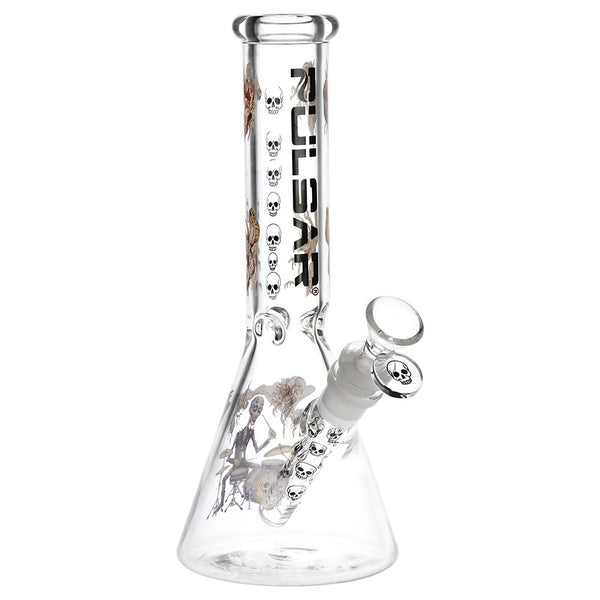
Beaker bongs have a flared base that makes them stable and offers a larger water capacity, meaning more filtration. Straight tube bongs are cylindrical and easier to clean but less stable. For beginners, beaker bongs are often recommended because they're hard to tip over and provide smooth hits.
If you're looking for a balance of size and stability, check out beaker bongs. For a sleek, easy-to-clean design, straight tubes are a solid choice.
Percolators (or "percs") are extra water chambers that break smoke into tiny bubbles, increasing surface area for cooling and filtering. They make hits smoother but add drag and make cleaning harder.
For beginners, a single percolator is enough. Advanced users might enjoy multiple percs for ultra-smooth rips. Browse percolator bongs to see options.
Tip: More percs don't always mean better hits. They increase drag and cleaning time. Start with one quality perc and upgrade later.
Most bongs use either a 14mm or 18mm joint (the female opening where the bowl or downstem slides in). 14mm is standard for smaller bongs, while 18mm offers more airflow. Make sure your bowl and downstem match your bong's joint size. Many bongs come with a downstem included, but you can upgrade for better performance.
Why it helps: This downstem lets you customize the water level in your bong for optimal percolation. It's compatible with many 14mm bongs and includes a built-in ice notch.
Ice catches are notches in the neck that hold ice cubes, further cooling your smoke. Splash guards prevent water from hitting your mouth. Some bongs also have carb holes for clearing the chamber. While these features add convenience, they also increase cost and complexity.
Nobody likes a dirty bong. Look for models with removable downstems and wide mouthpieces for easy cleaning. Glass bongs can be cleaned with isopropyl alcohol and salt. Silicone bongs can be boiled or put in the dishwasher. Avoid bongs with tight corners or intricate percs if you're not up for scrubbing.
For easy cleaning, explore smoking accessories like brushes and cleaning solutions.
Bongs range from $20 to $500+. A good quality glass bong with a single perc can be found for $50-$100. Splurging on thicker glass or a name brand (like GRAV) can improve durability and experience. But remember: a high price doesn't always guarantee better hits. Focus on design and material.
Why it helps: This beaker-style bong offers a stable base and smooth hits thanks to its wide water chamber. The smoke color with black accents looks sleek, and it's sized perfectly for daily use.
Shop the GRAV Small Wide Base Water Pipe
Bongs aren't your only option. Bubblers combine a pipe's portability with a bong's water filtration. Smoking pipes are more portable but offer no filtration. Dab rigs are designed for concentrates, not dry herb. Choose based on what you smoke and where.
Start with a medium beaker bong around 12-16 inches. It's stable, offers good filtration, and isn't too hard to clean. Avoid huge bongs until you're used to the lung capacity needed.
Glass gives better flavor and is easier to clean thoroughly. Silicone is more durable and portable. If flavor is your priority, choose glass. If you're clumsy or travel often, go silicone.
Change the water after every session to prevent bacteria growth and stale odors. For daily use, rinse with water at least once a day and do a deep clean weekly.
You can, but you'll need a quartz banger or nail instead of a bowl. Dedicated dab rigs are better for concentrates because of their design and smaller chambers.
The numbers refer to the joint diameter. 18mm offers more airflow but limits bowl options. 14mm is more common and has a wider selection of accessories. Most beginners should stick with 14mm.
Use isopropyl alcohol (91% or higher) and coarse salt. Pour the mixture into the bong, cover openings, and shake vigorously. Let it soak for 15-30 minutes, then rinse with warm water. For hard-to-reach percs, use a pipe cleaner.
A beaker bong with a tree or honeycomb percolator and an ice catch will produce the smoothest hits. Adding warm water also helps reduce harshness.
Not always. Mid-range bongs ($50-$100) often offer the best value. High-end bongs use scientific glass and intricate percs, but the law of diminishing returns applies. Focus on features that matter to you.
Now you know how to choose the right bong for you—start by deciding on material, size, percolation, and budget. Visit our trending smoke shop products to see what's popular, then pick a piece that feels right. Remember, the best bong is the one that fits your lifestyle and makes every session enjoyable. Happy smoking!
Flower Mill 2.5" Next Gen Premium Grinder
Really works well. Easy to turn and the flower grind is perfect
Great place to shop and products are well made.
I love my e-blunt.
Get go hits from these one hitter
These are awesome and I keep wanting more
2.5 decades ago I bought a piece from a loc blower who called it a “chubler.” Similar. Bigger. Easier to clean. Had 2 finger releases to shoot the air back. Not for the typical smoker as it was challenging for some to get the concept. But those of us who figured it out absolutely loved it. Sadly I no longer have it. When I found this smaller version I was excited. But no. Totally sucks. Too long. Too narrow. No finger holes so it constantly hits. And super hard to clean the water. Some of us like to change the water often! Do not recommend. Also, please make upgrades because this has the potential to be amazing!
I drink this syrup straight before bed to help me sleep. It works like a charm, and tastes good the way it is.
Great products and Great Service. I highly recommend this company. You won’t be disappointed!!
I’ve ordered from here numerous times always 100% satisfied whatever you’re smoking preference they have everything you need and the price are on point.and if by chance that happens to be a problem the customer service department is prompt to reply, so nothing negative to say.
Great glass, it holds the heat very well.
This little magical device has changed the way I consume. No more smoke. Efficient and clean.
I'm a huge fan.
Product is Awesome
I absolutely love this bubbler. It’s made well, thick glass, works like a dream, and easy to clean. I love the flat base.
I HIGHLY Recommend
Sadly I broke my beloved beaker bong not long ago. Searching the internet I found Headshop and they had the perfect beaker bong! I love that it's borosilicate glass, for durability, and it's design is, I feel, the most efficient glass pipe out there, in terms of filtering tar, and providing a smooth enjoyable experience. Thumbs up!
Subscribe today and get 10% off your first purchase