

Essential Oils
32 products
32 products
Essential oils are nature's most concentrated plant extracts — potent, aromatic, and packed with the active compounds that make herbs, flowers, and botanicals so powerful. Whether you're diffusing lavender to unwind after a long day, rolling peppermint onto your temples for focus, or blending custom aromatherapy recipes at home, the right essential oil makes all the difference. Our collection of 72+ essential oils covers single-note classics and specialty blends, sourced from trusted brands that prioritize purity and potency.
Essential oils are highly concentrated aromatic compounds extracted from plants through steam distillation, CO2 extraction, or cold pressing. Each oil captures the plant's unique "essence" — its distinctive scent, flavor profile, and bioactive compounds. Because they're so concentrated, a few drops go a long way. They're most commonly used in aromatherapy via a diffuser, applied topically when diluted with a carrier oil, or added to baths and personal care products for a therapeutic boost.
Lavender, rose, jasmine, and ylang-ylang fall into this category. These tend to be calming, mood-lifting, and widely used for stress relief and sleep support. Lavender is one of the most researched and versatile oils available.
Peppermint, eucalyptus, rosemary, and clary sage are sharp, invigorating, and often used for mental clarity, muscle relief, and respiratory support. Peppermint is a go-to for headaches and energy, while eucalyptus is a staple for congestion and breathing.
Lemon, sweet orange, grapefruit, and bergamot are cold-pressed from fruit rinds and deliver bright, uplifting aromas. These are popular for mood enhancement, focus blends, and cleansing applications.
Cedarwood, frankincense, sandalwood, and vetiver offer grounding, woody, or smoky profiles. These are commonly used in meditation practices, skincare, and grounding aromatherapy blends.
Clove, cinnamon, ginger, and black pepper are warming oils with stimulating properties. Great for circulation, digestive support, and adding depth to custom blends.
Diffusing: Add 5–10 drops to an ultrasonic or nebulizing diffuser to fill a room with therapeutic aroma. This is the most popular method for mood and respiratory benefits.
Topical application: Always dilute essential oils in a carrier oil (jojoba, coconut, sweet almond) before applying to skin — typically 2–3% dilution (about 12 drops per ounce of carrier). Apply to pulse points, temples, or sore muscles.
Inhalation: Add a drop to your palms, cup them over your nose, and breathe deeply for fast, direct effects. You can also add a few drops to a bowl of hot water and inhale the steam.
Bath & body: Mix into bath salts, body scrubs, or unscented lotion for a spa-like experience at home.
Many of our customers use essential oils as part of a broader wellness and relaxation routine alongside their smoke sessions. Diffusing calming oils like lavender or cedarwood while enjoying a hand pipe or herbal blend sets the perfect atmosphere. If you're exploring herbal smoking alternatives, check out our herb grinders for preparing botanicals, or browse our full range of hand pipes and glass pipes to round out your ritual setup.
No — essential oils are not designed for inhalation via combustion or vaporization in a pipe or vaporizer. They're formulated for diffusion, topical use, or aromatic inhalation only. For herbal vaping, check out our dry herb vaporizers collection instead.
Most essential oils have a shelf life of 1–3 years when stored properly in a cool, dark place away from heat and direct sunlight. Citrus oils tend to oxidize faster (6–12 months), while heavier resins like frankincense and sandalwood can last 4–5 years or longer.
Some oils — including tea tree, eucalyptus, clove, and cinnamon — can be toxic to cats and dogs. Always research pet safety before diffusing around animals and consult a veterinarian if you're unsure.
Essential oils are 100% natural plant extracts. Fragrance oils are synthetic or semi-synthetic and are made primarily for scent — they lack the therapeutic compounds found in true essential oils. For genuine aromatherapy benefits, always choose pure essential oils.
An ultrasonic diffuser (which uses water and vibration) or a nebulizing diffuser (which uses pressurized air, no water) are the most effective options. Avoid candle-based warmers, which can degrade the oil's compounds with direct heat. A good diffuser is one of the best investments you can make for getting real results from your essential oils.
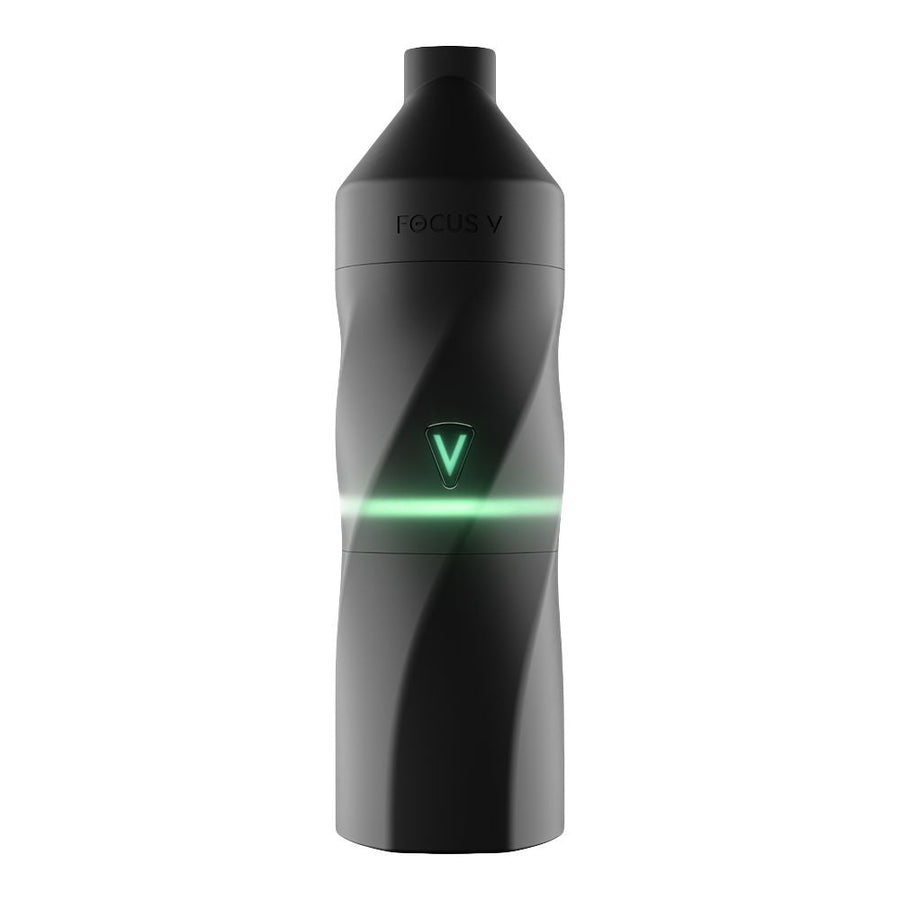
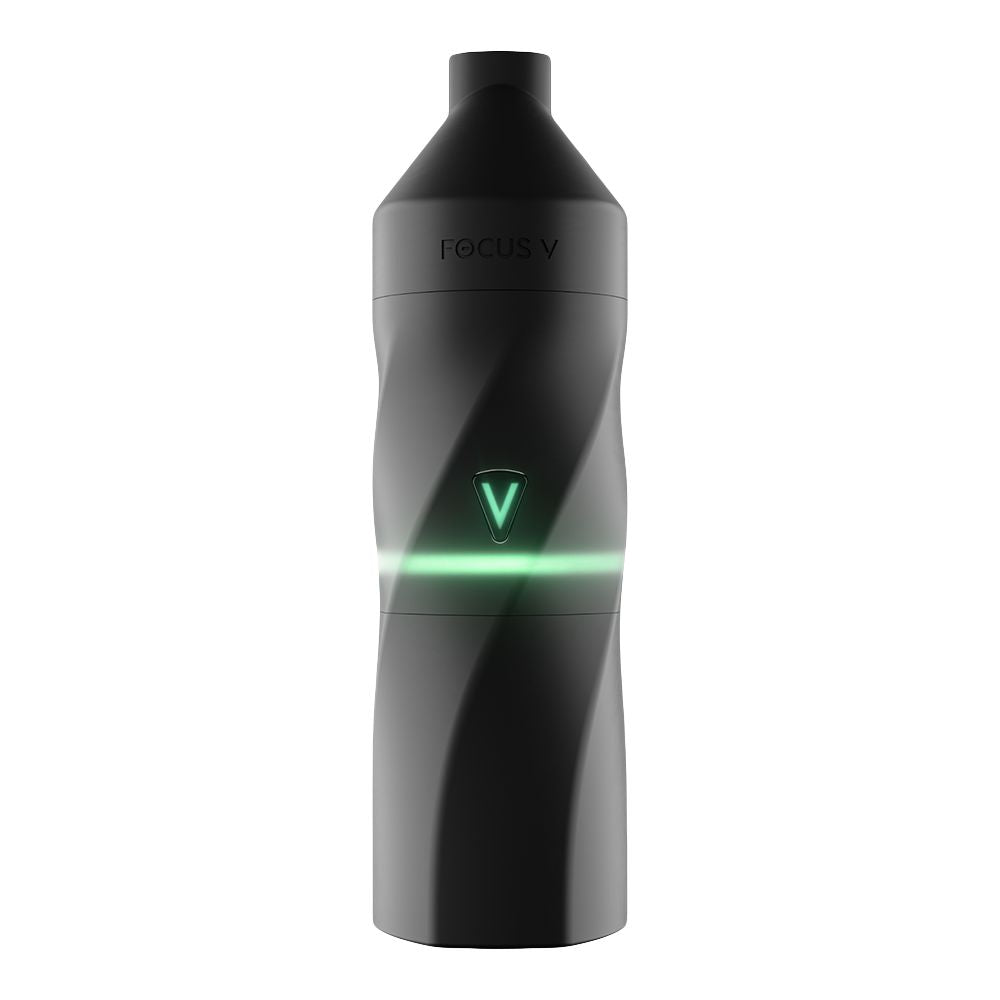
When I first got it, I was so disapointed,so plane Jane, just a dull all black box with a nipple to suck on.
But when I used it, things changed, it lit up into a colorful display! cool! Now I can get "stoned" at will & it feels so good!
\It's a good product, easy to use, very effective colorful eye candy.
The pipes ordered are very nice! They were packaged so carefully too. Very pleased.
Definitely holds heat longer than the cap that comes with the Hyderdyn.
Great toy-works as advertised
The small ones were exactly what I recall having from days gone by! Updated me all the way through delivery and arrived without a scratch.
When I bought this I was not aware that apparently you will not except a return. I have not even got it yet and was hoping to return it do to my financial situation, Please except my refund when you get the package please put the funds back the way you got them please thank you
Item Worked Perfectly. Highly Recommend Headshop.
Fast Shipping Packed Very Well.
Thank you, Michael Z,
Carved Wood Hand Pipe
Best piece I have used in a LONG TIME there is 8 people here and all 8 said 10**********s
Holds a charge really well
Love ash catchers, almost a must have for any bong. Looks and functions great, much easier to clean than some of my others
Carved Wood Hand Pipe w/ Stone Bowl
This is a small glass water pipe that works well. I like that it is made in the USA and is still inexpensive.
You can only fill the round part at the bottom about half way or else you might inhale water. Other than that no issues at all.
Love the item I received
I'm loving this device! I grew up with a dead head father. He passed away 12yrs ago. So I think this is awesome! Thank you!!