

Cannapa THCA
0 products
Cannapa THCA is raw hemp flower with high tetrahydrocannabinolic acid and low delta-9 THC.
You are here because you want to buy Cannapa THCA without guessing. Good. We built this page to answer the real questions. How strong is it? Will it get you high? How fresh is the flower? What is a fair price per gram? How should you store it? What makes one batch better than another? You will find direct answers below, plus links to the supplies that keep flower fresh and the related hemp categories that give you options.
We stock Cannapa THCA because the brand takes the boring parts seriously. Harvest dates. Cure time. Hand trim. Batch codes. Sealed jars. Clear labels. Those details matter more than loud strain names. A strong THCA number means little if the flower is bone dry, full of seeds, or packed six months ago. You want buds that still have spring when you squeeze them. You want a smell that fills the room when you open the jar. You want a weight that matches the label. That is the standard we use.
Buying hemp online can feel like a coin flip. Photos are easy to fake. Lab reports can be old or from a different batch. We cannot remove every risk, but we can shorten the list. Check the COA. Check the harvest date. Check the weight. Check the return policy. Ask for batch photos if you need them. A seller who will not share a current lab report is a seller to skip. A seller who hides the delta-9 number is hiding the part that matters for compliance.
Cannapa THCA is not a medicine. It is not a toy. It is a plant product with active compounds. Treat it like you would treat any cannabis product. Keep it away from kids and pets. Do not drive after use. Do not mix it with alcohol or prescription drugs without asking a doctor. If you are pregnant, nursing, or under 21, skip it. Laws differ by state and county. Check your local rules before you order. We ship only where the law allows.
Why buy here? You get a curated shelf, not a warehouse. We focus on flower with a clean cure and a clear paper trail. We list the details we have. When a batch changes, the page changes. We keep Boveda and Integra packs in stock because storage is half the battle. We carry papers from High Hemp and King Palm because the wrap changes the burn. We link CBD and CBG flower because not every day calls for high THCA. You can build a routine instead of chasing the strongest jar on the shelf.
Price is part of quality. Cheap flower often cuts corners: early harvest, machine trim, no cure, poor storage. High price does not always mean high quality. Look at the whole package. A 7 gram jar at 22% THCA with a two month cure and a fresh COA can beat a 3.5 gram jar at 28% THCA that was packed last year. You pay for the flower you actually smoke. Weight, moisture, and trim matter as much as the potency number.
Tetrahydrocannabinolic acid, or THCA, is the acid form of THC. It forms in the plant as the plant grows. In fresh, dried, and cured flower, most of the THC family sits as THCA. Heat changes the picture. When you smoke, vape, bake, or dab, heat removes a carbon dioxide group from THCA. That process is decarboxylation. The result is delta-9 THC, the compound people connect with a high.
Raw THCA does not act like delta-9 THC in the same way. If you eat raw flower, you are not signing up for a strong high. The acid form is larger and does not fit the same receptors as neatly. Heat is the switch. That is why a joint hits differently than a handful of raw bud. The flame and ember turn THCA into THC as you pull. A dry herb vape does the same job at a set temperature. An edible made from raw flower without decarbing will not deliver the effect most people expect.
Cannapa THCA is hemp flower. Hemp and cannabis are the same plant species, Cannabis sativa L. The legal line is based on delta-9 THC concentration, not the name on the label. Federal hemp rules use 0.3% delta-9 THC on a dry weight basis. Many THCA flowers test under that line for delta-9 THC while showing 15% to 30% THCA. The THCA number is not the same as the delta-9 number. Read the COA to see both. Total THC calculations can vary by lab and by state. Know the rules where you live.
THCA flower is often called Type I hemp. Type I means a high THCA chemotype with low CBD. Type II is a mix of THCA and CBD. Type III is CBD dominant with low THCA. Type IV is CBG dominant. These labels help you pick a direction. Cannapa THCA sits in the high THCA lane. If you want a mild, clear product, a Type II or Type III flower may fit better. You can blend Cannapa THCA with CBD flower to soften the ride. Start with a small amount and see how your body responds.
The plant makes hundreds of compounds. Terpenes give the smell and may shape the feel. Myrcene, limonene, pinene, beta-caryophyllene, linalool, and humulene are common. A lab report that lists terpenes is more useful than a label that says fruity. Fruit smells can come from many terpenes. A full panel tells you what is actually in the batch. Moisture matters too. Dry flower burns hot and harsh. Wet flower can mold. A good cure lands near 58% to 62% relative humidity in a sealed jar.
Freshness is not a marketing word. THCA can degrade over time. Light, heat, and air speed that up. A jar left on a dashboard in July is not the same product as a jar kept in a dark cabinet at 65 F. Buy from sellers who store flower in sealed, light-blocking containers. Ask for a harvest date. A recent harvest with a proper cure gives you a better shot at full terpenes and a smooth smoke. Old flower can still be safe, but it often tastes flat and burns harsh.
Cannapa THCA is not one single item. The category can include different grow styles, grades, sizes, and formats. Each choice changes the price, the look, the smell, and the way it burns. The list below covers the main types you will see. Use it to match the product to your plan. If you want a daily session, a 7 gram jar of smalls may be smarter than a 3.5 gram jar of hand-trimmed tops. If you want a gift or a treat, a clean top-shelf jar with a fresh COA is worth the extra cost.
Indoor Cannapa THCA is grown under controlled light, temperature, and humidity. Growers can keep conditions steady from seed to harvest. That control often produces dense buds, strong terpenes, and a consistent look. Indoor flower usually costs more because energy and space cost more. You are paying for a tight trim, a clean cure, and a stable batch. Ask for canopy photos and harvest dates. A good indoor batch should have a loud smell when the jar opens and a springy feel when you press a bud.
Greenhouse flower gets sunlight plus some environmental control. It can split the difference between indoor and outdoor. Buds may be a little less dense than indoor, but they can still carry strong terpenes and a good cure. Greenhouse is often a good value. It can handle larger plants without the full cost of indoor rooms. Look for clean trim and no signs of powdery mildew. Greenhouse humidity needs careful management. A mold-free batch with a fresh COA is the goal.
Outdoor Cannapa THCA is grown in soil under the sun. Plants can get large. Buds can be chunky and less uniform. Outdoor flower often has a broad terpene profile and a lower price per gram. Weather is the wild card. Rain late in flower can push mold. Strong sun can bleach tops. A skilled outdoor grower still delivers clean, potent flower. Check the COA for microbials and mold. Outdoor buds may be less pretty, but pretty is not the same as good. A well-cured outdoor bud can smoke smooth and carry a full smell.
Smalls are small buds from the same plants as the larger tops. They are not trim. They are not shake. They are just smaller. Smalls usually cost less because they are less photogenic. The potency can be close to the top buds. The smoke can be just as good if the cure is right. If you grind your flower anyway, smalls are a smart buy. Check the weight and the COA. Some sellers mix trim into smalls. A clean smalls jar should hold buds, not leaves and stems.
Shake is loose material that falls off buds. Trim is leaf and small bits cut during processing. Both can be useful for extraction, edibles, or rolling a quick joint. They are not the same as flower. Trim has more leaf and less resin. Shake can be dusty. Buy shake only when you plan to use it fast or process it. Store it in an airtight jar. If you want a clean smoke, pay for buds. If you want value for a batch of butter, ask for the COA and confirm the material is not floor sweepings.
Cannapa THCA prerolls are flower rolled for you. They save time. They also hide the flower. You cannot see the grind or the trim inside the paper. Buy prerolls from sellers who show the flower that goes into them. Ask if the preroll uses whole flower or trim. A whole-flower preroll costs more and usually tastes better. Check the paper. Hemp papers burn clean and slow. A palm leaf wrap adds a different flavor. Store prerolls in a sealed tube. A dry preroll burns fast and hot.
Strain names are labels, not chemistry. One grower's Blue Dream may not match another's. The COA is the real ID. Look at THCA, delta-9 THC, CBD, CBG, and terpenes. Indica, sativa, and hybrid labels can help you guess the feel, but they are not reliable. The same strain can hit different people in different ways. Your tolerance, mood, and dose matter. Start low. Keep notes. If a batch gives you the effect you want, write down the lot number. That is more useful than the name on the jar.
Cannapa THCA often comes in 1 gram, 3.5 gram, 7 gram, 14 gram, and 28 gram packs. A smaller pack is a low-risk way to try a batch. A larger pack lowers the price per gram but raises the risk if you do not like it. Flower loses quality over time. Buy a size you can finish in 4 to 8 weeks. If you buy an ounce, split it into smaller jars. Keep one jar open and the rest sealed. Use a humidity pack in each jar. Do not store flower in a plastic bag for months.
Some shops sell THCA concentrates, kief, hash, or diamonds. These are not flower. They are concentrated forms of the plant. THCA diamonds can test very high. A tiny amount goes a long way. Concentrates raise the risk of overdoing it. They also need different tools and storage. If you are new to THCA, start with flower. Learn how your body responds. Then move to concentrates if you want. Check the COA for residual solvents if the product is extracted. Solventless products avoid that risk but still need a safety panel.
Cannapa THCA works best as part of a shelf, not as the only jar you own. Some days call for a high THCA flower. Some days call for a low THC option. Some sessions need a better wrap or a fresh humidity pack. The collections below cover the supporting pieces. Each link goes to a curated page we stock. Use them to build a setup that fits your routine.
If you want a softer session or a blend, start with CBD Flower. CBD flower carries little to no THCA. You can mix it with Cannapa THCA to lower the overall potency. A 1 to 1 blend is a common starting point. You get the ritual and the smell with less intensity. CBD flower also gives you a way to test how your body handles hemp flower before you go high THCA.
For daytime, clear-headed options, look at CBG Flower. CBG is another cannabinoid with its own profile. CBG flower often smells bright and grassy. It can be a good mixer. If you find THCA too heavy for morning use, a CBG blend may fit better. Keep the dose low and see how you feel.
If you want to skip the grinder and rolling tray, CBD Prerolls give you a ready-to-smoke low THC option. They are useful for travel, walks, or a quick break. Check the paper and the fill. A good preroll uses whole flower, not trim. Store them in a sealed tube so they do not dry out.
The paper changes the burn. Hemp Papers burn clean and add little taste. They suit a fine grind and a slow roll. If you want a slower burn and a fuller mouthfeel, try High Hemp. High Hemp papers are made for hemp flower and come in several sizes. They are a solid pick for daily rolls.
For a wrap with a different flavor and a slow burn, King Palm Wraps use palm leaf. They hold more flower than a standard paper. The smoke is cool and thick. Palm wraps can mask weak flower, so use them with a batch you already trust. Do not use them to hide a bad cure.
Storage is not optional. Boveda Humidity Packs are two-way humidity control. A 58% pack suits flower you plan to smoke soon. A 62% pack suits flower you plan to store longer. Put one pack in a small airtight jar. Do not let the pack touch the flower directly if you can avoid it. Check the pack every few weeks. When it gets stiff, replace it.
Integra Boost packs do the same job with a different brand and format. They are a good backup when Boveda is out of stock. Use one system per jar. Do not mix packs. Keep the jar in a dark cabinet at 60 to 70 F. A humidity pack cannot fix flower that was already too dry. It can slow the decline and keep a fresh batch fresh.
Cannapa THCA flower is not extracted in the way a vape cartridge is extracted. It is grown, harvested, dried, cured, trimmed, tested, and packaged. Each step can add quality or take it away. The grow sets the ceiling. The cure and storage decide how much of that ceiling you actually get.
Sourcing starts with genetics. A grower picks a cultivar for THCA potential, terpene profile, mold resistance, and yield. Clones give uniform plants. Seed grows can vary. A good breeder keeps records. A good grower tracks each lot. If a batch tests low or shows mold, the grower should pull it. You cannot fix bad genetics with a fancy label.
Cultivation is the next gate. Indoor rooms use lights, fans, dehumidifiers, and nutrients. Greenhouse runs use sun and supplemental control. Outdoor grows use soil, sun, and weather. Each style has risks. Indoor can get powdery mildew if airflow is poor. Greenhouse can overheat. Outdoor can get rain during flower. A clean batch starts with clean practices: sanitized rooms, healthy roots, proper spacing, and scouts for pests. Pesticides can show up on a COA. Ask for the safety panel.
Harvest timing matters. Growers watch trichomes. Clear trichomes read early. Cloudy trichomes read ripe. Amber trichomes read later. The right window depends on the cultivar and the goal. Early harvest can lower potency and flavor. Late harvest can raise sedation and mold risk. A good grower harvests by lot, not by calendar alone. They cut, hang, and dry in a controlled space. Fast drying traps chlorophyll and makes hay smell. Slow drying keeps terpenes but raises mold risk if humidity is too high.
Curing is the quiet step that separates smooth flower from harsh flower. After drying, buds go into sealed containers for weeks. The grower opens the containers to release moisture and gases. This step evens out moisture and breaks down some harsh compounds. A two to four week cure is common. Some batches go longer. A proper cure gives you a better smell and a smoother smoke. It also helps the flower hold moisture in the jar.
Trim is next. Hand trim costs more and looks better. Machine trim is faster and can bruise buds. A tight trim removes sugar leaves and stems. A loose trim leaves more leaf. Leaf burns harsh and adds little. If you buy top-shelf flower, you should see clean buds with few leaves. If you buy smalls or trim, expect a different product. The label should tell you what you are buying.
Testing is the proof. A batch should have a COA from an independent lab. The report should show sample date, batch or lot ID, THCA, delta-9 THC, total THC, CBD, CBG, moisture, and a safety panel. The safety panel should cover mold, yeast, bacteria, pesticides, heavy metals, and residual solvents if the product is extracted. A COA without a batch ID is weak. A COA from a different year is weak. Ask for the current report. A seller who cannot provide it is asking you to trust a label.
Packaging protects the flower. Light and air are the enemy. Mylar bags are common. Glass jars are better for long storage. A sealed jar with a humidity pack keeps moisture steady. Labels should list the batch, weight, THCA, delta-9 THC, and a use-by or harvest date. Keep the label. If you have a problem, the batch ID helps the seller trace the issue.
Extraction is a separate lane. THCA concentrates can be made with CO2, ethanol, hydrocarbons, or solventless methods like rosin. Each method leaves a different footprint. Solvent-based extracts need a residual solvent test. Solventless rosin uses heat and pressure. It still needs a mold and pesticide test because the starting flower matters. If you buy Cannapa THCA concentrates, read the COA the same way you read a flower COA. High potency is not a safety report.
People use Cannapa THCA for the same reasons they use other high THCA flowers. They like the ritual. They like the smell. They like the shift in mood. They like the body feel. The exact effect depends on the dose, the batch, your tolerance, and how you use it. There is no single Cannapa THCA experience. A small bowl after dinner is not the same as a large dab. Start low and go slow.
Raw THCA is not strongly intoxicating. Heat changes it to THC. When you smoke or vape, you are converting THCA as you go. The effect can arrive within minutes. It can peak in 10 to 30 minutes. It can last 1 to 3 hours. Edibles made with decarbed flower can take 30 to 90 minutes to hit. They can last longer. The delay is why edibles trip people up. Do not take more because you do not feel it after 20 minutes. Wait.
Common reports include relaxation, a mood lift, appetite, and body ease. Some people feel clear-headed. Some feel heavy. Some feel anxious if they take too much. Dry mouth and red eyes are common. A high dose can bring racing thoughts, a fast heart, or nausea. If that happens, stop. Drink water. Sit down. Give it time. Do not mix with alcohol or stimulants. Do not drive.
THCA is not a cure for anything. We do not make medical claims. If you are managing a health condition, talk to a doctor who knows your history. Cannabis can interact with medications. It can affect blood pressure, heart rate, and alertness. It is not for pregnant or nursing people. It is not for kids. Keep it locked up. Edibles and concentrates look like candy or oil to a child. Treat them like medicine with a lock.
Tolerance builds with repeated use. You may need more to get the same effect. A break lowers tolerance. Rotating batches can help you notice effects more clearly. Keep a simple log. Write the date, batch, amount, method, and how you felt. After a few weeks, you will see patterns. You will know which dose fits a movie night and which dose fits a walk. You will also know which batch to buy again.
The entourage effect is a popular idea. It says cannabinoids and terpenes work together. The science is still developing. We cannot promise a specific outcome from a terpene list. We can say that flower with a full smell and a clean cure is more pleasant to use. A smooth smoke and a clear effect are worth more than a single potency number. Use the COA as a guide, not a guarantee.
Use a checklist when you buy Cannapa THCA. It keeps you from paying top-shelf prices for bottom-shelf flower. The first item is the COA. Look for a current report with a batch ID. Check THCA, delta-9 THC, total THC, CBD, CBG, moisture, and the safety panel. A report that only shows potency is not enough. You want to know the flower is clean.
Second, check the harvest date. Fresh flower is not always better. A fresh harvest needs a cure. A batch harvested last week may still be wet or harsh. A batch harvested six months ago may be flat. A good window is often 1 to 9 months after harvest, depending on storage. Ask how the flower was stored. A sealed jar with humidity control beats a plastic bag on a shelf.
Third, look at the flower. Photos should show real buds, not a stock image. Buds should have color, trichomes, and a trim that matches the grade. Smalls should be small buds, not leaf. Prerolls should show the fill. If the photo looks too perfect, ask for a batch photo. A seller who sends a fresh photo is a seller who knows the batch.
Fourth, compare price per gram. A 3.5 gram pack at 50 dollars is 14.29 per gram. A 7 gram pack at 80 dollars is 11.43 per gram. A 28 gram pack at 200 dollars is 7.14 per gram. The larger pack is cheaper per gram, but only if you can store it and finish it. Do not buy an ounce to save money if it will sit in a hot closet for a year. Buy the size you can keep fresh.
Fifth, check the weight. Flower can lose moisture in transit. A 3.5 gram pack should weigh 3.5 grams when it arrives. A small variance is normal. A large gap is not. Use a kitchen scale. If the weight is off, contact the seller. Keep the packaging and the batch label. A good seller will make it right. A seller who ignores a short weight is not a seller to trust.
Sixth, read the shipping rules. THCA hemp is legal under federal farm bill rules in many states, but state laws vary. Some states ban THCA or treat it like marijuana. Check your state before you order. Do not order to a state where it is illegal. Do not ask a seller to mislabel a package. That puts everyone at risk. We ship only where the law allows. We do not sell to minors.
Seventh, check the return policy. Flower is a perishable product. Many sellers do not accept returns once the seal is broken. That is fair if the product is clean and as described. It is not fair if the flower is moldy or the weight is short. Read the policy before you buy. Ask what happens if the COA does not match the batch. A clear policy saves arguments later.
Eighth, start small. Buy a 1 gram or 3.5 gram pack of a new batch. Try it before you buy an ounce. Your body may love a strain that your friend hates. Your tolerance may be lower than you think. A small pack is cheap insurance. Once you know the batch works for you, buy more. That is how you build a shelf you trust.
Most people smoke or vape Cannapa THCA. Smoking is fast. Vaping is cleaner and gives you temperature control. If you smoke, grind the flower medium. A fine grind burns hot. A coarse grind burns uneven. Pack a bowl loosely. A tight pack pulls hard and wastes flower. Light the edge and take a slow pull. Hold the smoke for a second. Exhale. Wait 10 minutes before you pack another.
If you vape, start at 315 to 340 F. THCA converts to THC with heat. A lower temperature gives you more flavor and a lighter effect. A higher temperature gives you more vapor and a heavier effect. Stir the bowl between pulls. Keep the vape clean. A dirty vape tastes like burnt popcorn. Stop when the vapor turns thin or harsh. You do not need to char the flower.
If you roll, use a fresh paper or wrap. Hemp papers burn clean. Palm wraps burn slow. Break up the flower by hand or with a grinder. Remove stems. Roll evenly. A loose roll canoe. A tight roll pulls hard. Light the tip and let the ember build. Do not torch the paper. Take small pulls. A joint can burn hot if you pull hard. Pace yourself.
If you make edibles, decarb first. Heat flower at 220 to 240 F for 30 to 60 minutes. Use an oven thermometer. Ovens run hot. A hot oven can burn off terpenes or overheat the flower. Grind the decarbed flower and mix it with fat. Butter, coconut oil, or olive oil work. Simmer low. Strain if you want. Dose with care. A small amount of high THCA flower can be strong in an edible. Label your batch with the amount used and the date. Start with a tiny piece.
Storage is simple. Use an airtight glass jar. Keep it in a dark cabinet at 60 to 70 F. Add a Boveda or Integra pack. Use 58% for short storage and 62% for longer storage. Do not store flower in the fridge. The fridge is humid and smells like food. Do not freeze fresh flower. Freezing can make trichomes brittle. If you must freeze, use a vacuum seal and let it come to room temperature before you open it. Keep flower away from heat, light, and kids.
Clean your tools. Grinders collect resin. Jars collect dust. Vapes collect residue. Clean your grinder every few weeks. Wash jars with hot water and let them dry fully. Do not use a scented soap. A clean jar keeps the smell true. A dirty jar can make fresh flower taste old. Label each jar with the batch and date. A simple piece of tape works. You will thank yourself later.
Cannapa THCA is a line of raw hemp flower and related products with high tetrahydrocannabinolic acid. THCA is the acid form of THC. In raw flower, it does not act like delta-9 THC in the same way. Heat converts THCA to THC when you smoke, vape, or decarb it. The product is sold as hemp flower under farm bill rules, but state laws vary. Check your local rules before you buy.
THCA hemp is legal under federal farm bill rules in many states when the delta-9 THC stays at or below 0.3% on a dry weight basis. That does not mean it is legal everywhere. Some states have banned THCA or treat it like marijuana. Some counties add local rules. Check your state and county before you order. Do not buy from a seller who will not provide a COA. Do not ask a seller to mislabel a package.
Raw THCA is not strongly intoxicating. Heat changes THCA to THC. If you smoke or vape it, you are converting THCA as you go. Many people feel a high. The strength depends on the batch, the dose, your tolerance, and the method. Edibles made with decarbed flower can be strong. Start with a small amount. Wait at least 10 minutes after smoking or vaping before you take more. Wait 90 minutes for edibles.
THCA has an extra carboxyl group. That group makes the molecule larger. It does not fit the same receptors as neatly. Heat removes the group and turns THCA into delta-9 THC. That is why fresh flower can test high in THCA and low in delta-9 THC. The COA shows both numbers. The THCA number is not the same as the delta-9 number. Read the report before you compare products.
Store it in an airtight glass jar in a dark cabinet at 60 to 70 F. Add a 58% or 62% humidity pack. Keep it away from heat, light, and kids. Do not store it in the fridge. Do not leave it in a hot car. A plastic bag is a short-term option, not a long-term one. Label the jar with the batch and date. Check the humidity pack every few weeks. Replace it when it gets stiff.
Start low. One or two small puffs is a safe first test for smoking or vaping. Wait 10 minutes. See how you feel. If you want more, take one more puff. Do not pack a large bowl on your first try. For edibles, start with 1 to 2 milligrams of THC equivalent and wait 90 minutes. High THCA flower can be strong after decarb. Your tolerance may be lower than you think. Keep notes so you can repeat a good dose.
Do not assume you can travel with THCA. Federal law and state law can treat it differently. Crossing state lines can turn a legal product into an illegal one. Airports add federal rules. Check the laws for every state on your route. Do not carry flower into a state where THCA is banned. Do not fly with it unless you know the rules and accept the risk. When in doubt, leave it home.
Drug tests look for THC metabolites. Your body breaks down THC into those metabolites. If you smoke or vape THCA, heat converts it to THC. That can lead to a positive test. Raw THCA use may still carry risk, but the data is not clear. Do not use THCA if you are subject to a drug test for work, sport, or legal reasons. A clean COA does not mean a clean drug test.
Hay smell usually means the flower was dried too fast or not cured long enough. Chlorophyll and other compounds stay in the plant. A proper cure lets those compounds break down. Storage can also cause hay smell if the flower was exposed to air or light. A humidity pack cannot fix a bad cure. If the smell is strong and grassy, contact the seller. A fresh batch with a good cure should smell like the strain, not like a lawn.
Yes. Mixing is a common way to tune the effect. Start with a 1 to 1 blend of Cannapa THCA and CBD flower. That lowers the overall THCA dose. You still get the ritual and the smell. You can adjust the ratio. If you want more effect, add more THCA. If you want less, add more CBD. Use a clean grinder and mix well. Label the blend so you know what you made.
I will shop here again. I bought a puffco peak which developed a faulty chamber days after I bought it and puffco sent me a new chamber. Very satisfied!
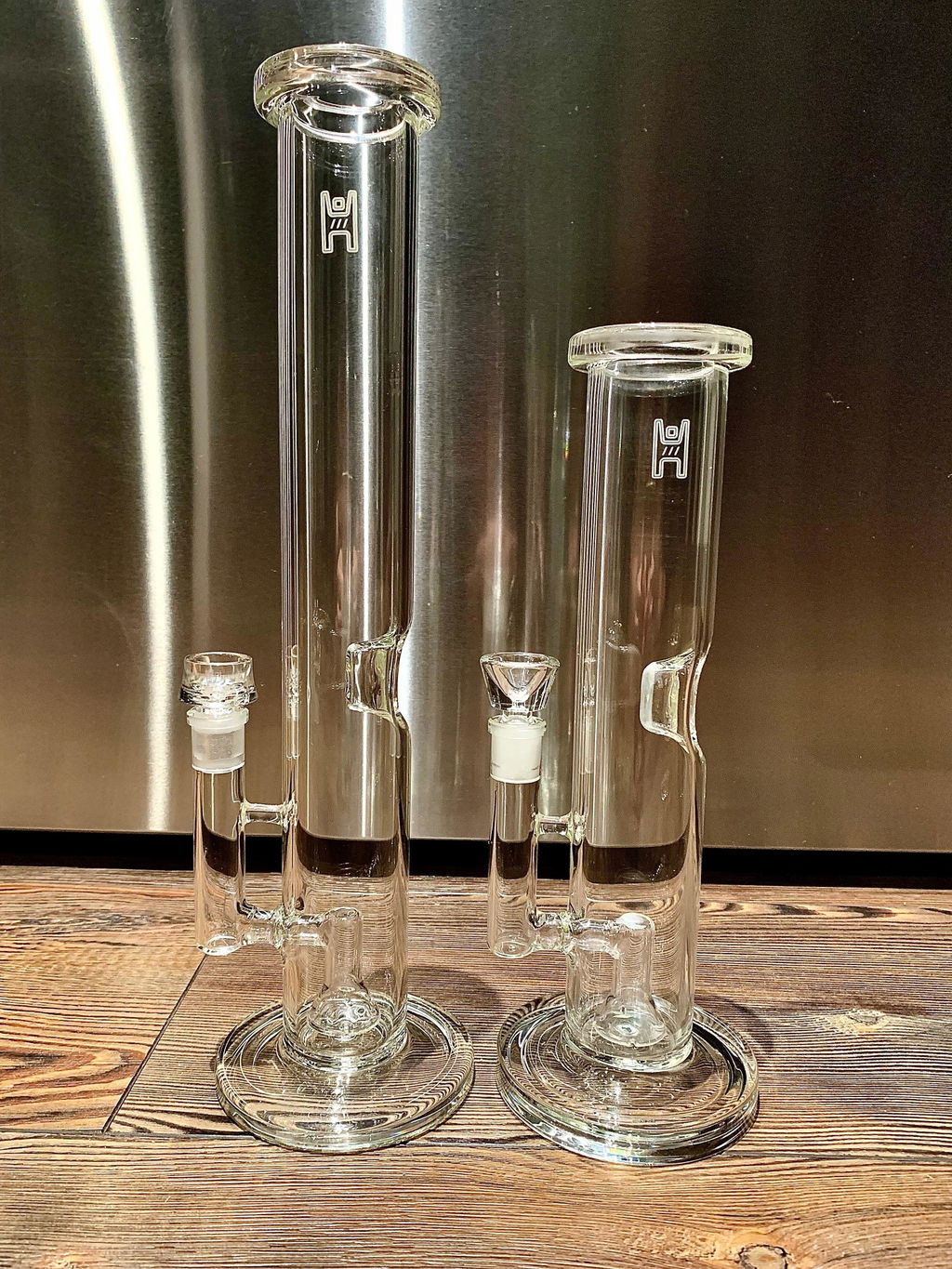
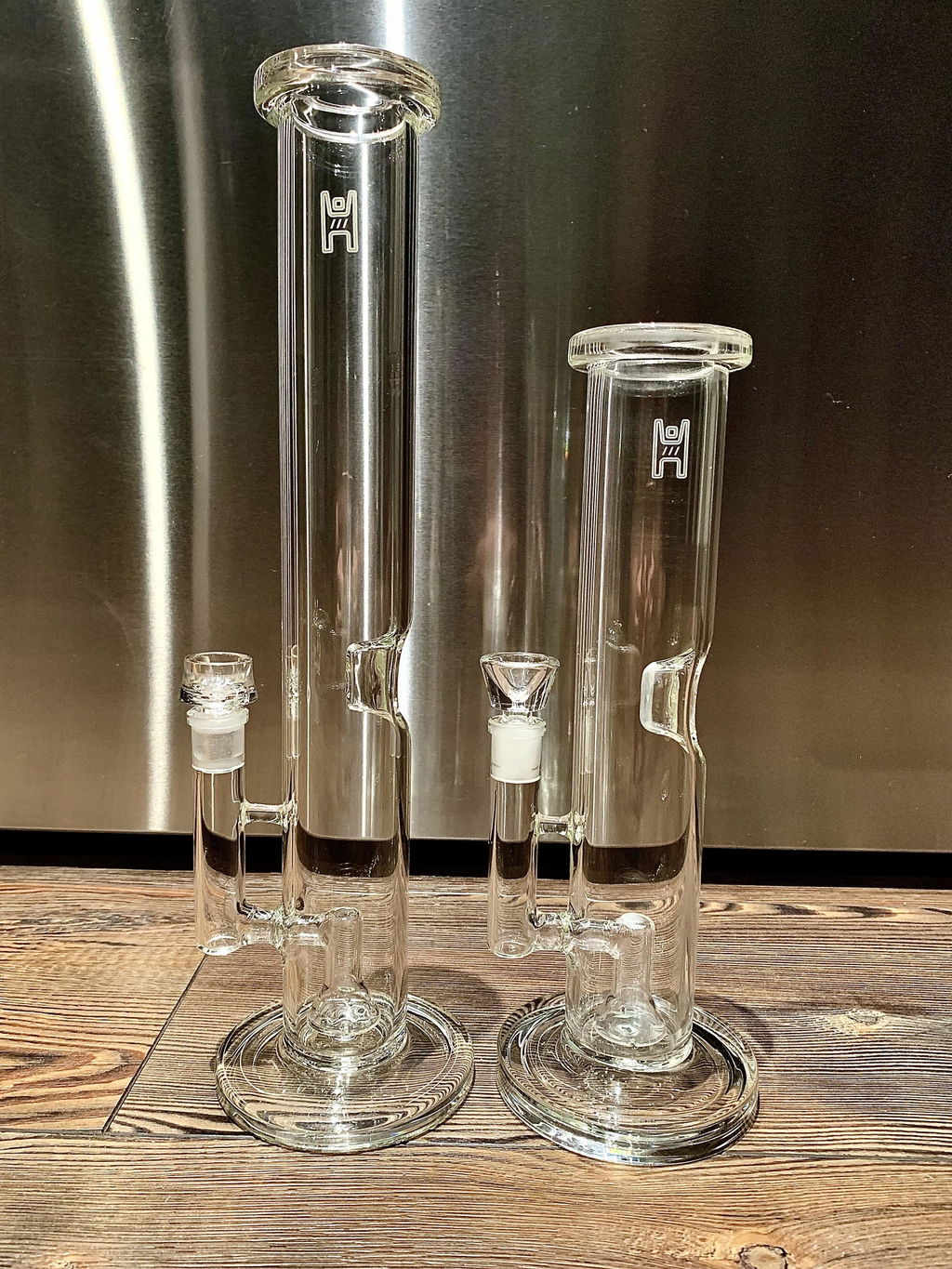
This bong is a monster hitter. I've seen similar items that my local shops for at least 3 times more than what I bought this one for. The product is quality is absolutely amazing. And it functions perfectly. The customer service is beyond reproach. I would highly recommend this shop. This online company to anyone. The only thing I could say is when you order. It may take a little while for you to receive your product. And when I say a little while, I mean, for me, I live in Utah, and it took about a week. But even that hey, patience is a virtue, When you're ordering quality. Just found out, you can pay for quicker shipping. Take care all.
Solid design, really could tell the difference in air flow
This is a great bowl. Its shape makes it easy to handle and pick up. The actual bowl shape allows for an even burn without clogging. Definitely recommend!
compact, well made and the pieces come apart for ease of cleaning.
Great device! Great for travel, you don't have to take a whole rig with you and still enjoy your concentrates. The dual use feature is an excellent addition, heat your concentrates to the prefect temperature at a fraction of the price!
Love it ♥️
Nice and thick 👍 Hits well and it really keeps the heat.
I love this device! Last year I purchased the 12” version. I felt it was a bit small as the flame is close to your face upon lighting. Recently I was looking again and came across the 18”. Think that may be too much but then I saw the 15”. Perfect! Better ergonomics, it just fits better and has a better draw. Just as easy to clean. Looks like it’s never been used if you clean it daily. I also recommend buying a nicer bowl than what it is supplied with. The standard ones work but clog easily. Pictured are the additional bowls.
Great place to shop for your goods. Many devices of all types. I’ve placed a couple orders and I have been very pleased.
These are my favorite spoon. They hit great and are easy to clean and the size is just right.
Does the trick
Product was exactly as advertised.
Everything went smoothly no issues
Over 1/2 my neck is held together with titanium it helps ease the pain
Easy to use and clean