

One Hitter Pipe Prices 2026: Metal Wins on Value
One hitter pipe prices in 2026 sort into three clear tiers built primarily on material and secondarily on size: metal and basic glass sit at the budget end, wood and colored glass land mid-tier, and hand-blown glass or multi-chamber dugout builds sit at the premium end.
- One hitter pipe prices in 2026 split into three tiers: metal and basic glass are cheapest, wood and colored glass sit mid-range, hand-blown glass and dugout kits cost the most.
- Material drives the price ladder more than size — a mini metal piece and a mini glass piece rarely land in the same tier.
- Headshop's gunmetal hand pipe sits in the budget metal tier; wood-and-steel builds run a step up.
- Size runs mini (under 2 inches), standard (2 to 3.5 inches), and extended (3.5 inches and up), with tier climbing as length and craftsmanship increase.
- Buy metal or basic glass for daily carry, save wood and hand-blown glass for a display piece.
Why this matters
Shoppers searching one hitter pipe prices usually assume length sets the cost. It doesn't — material sets the floor and the ceiling, and size only nudges the number within that range. A 4-inch metal bat still costs less to make than a 2-inch hand-blown glass chillum, because machining aluminum or brass tubing takes a fraction of the labor a glassblower puts into a one-off piece.
That's why a budget-tier option like Headshop's gunmetal hand pipe exists at a lower price point than a wood or colored-glass piece half its size. Knowing which lever — material or size — actually moves the price saves you from overpaying for length you don't need or underbuying durability you do.
One hitter pipe prices by material
Material is the single biggest driver of one hitter pipe prices. A machined metal piece costs less to produce than a hand-blown glass piece, and that manufacturing gap shows up directly on the price tag. Across the market in 2026, one-hitter pricing spans three bands — budget, mid-range, and premium — and every material sold today falls somewhere inside that range, not outside it.
| Material | Price tier | Durability | Best for |
|---|---|---|---|
| Metal (brass/aluminum/steel) | Budget | Medium — dents, doesn't shatter | Daily carry, travel |
| Basic glass | Budget to mid | Low — breaks on impact | Home use, easy cleaning |
| Wood | Mid | Medium to high — chars over time | Discreet, natural look |
| Ceramic | Mid to premium | Low to medium — chips, breaks | Collectors, display |
| Hand-blown / colored glass | Premium | Low — breaks on impact | Display, gifting |
| All materials (overall) | Budget to premium | Varies by build | Matched to how it'll be used |
Metal one-hitters trail the price ladder because machining a length of brass or aluminum tubing takes a fraction of the labor a hand-blown glass piece demands. Hand-blown and colored glass lead the ladder because every piece is one-off work, not molded output — no two are identical, and that individuality carries a premium tag.
Wood and ceramic sit in between for different reasons. Wood costs more than metal because shaping and sealing a solid piece takes more finishing work, but less than glass because there's no furnace work involved. Ceramic swings closer to premium when it's hand-glazed or kiln-fired in small batches rather than mass-molded.
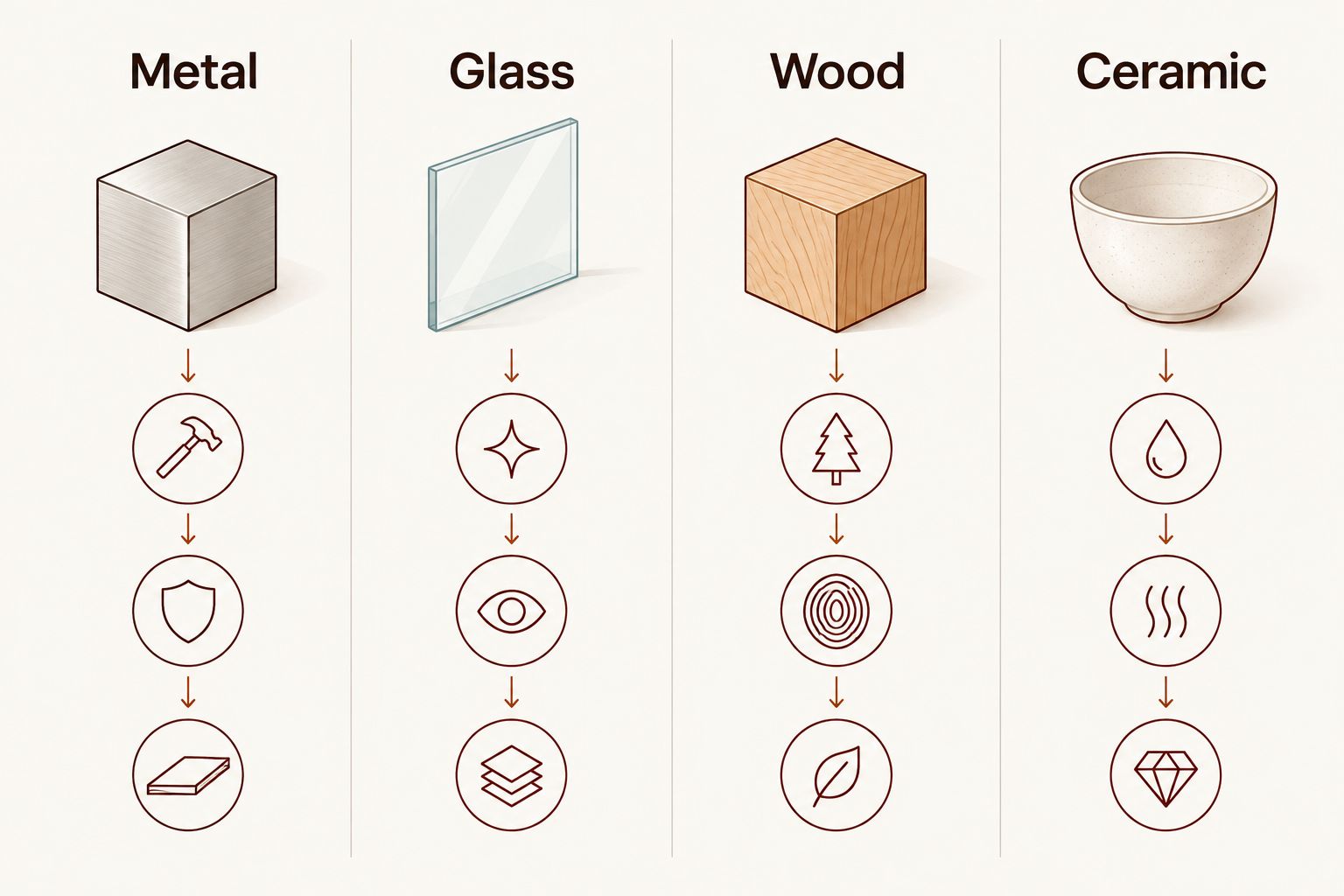
The manufacturing gap between these materials is also why two pieces in the same size can land in different tiers. A wood-and-stainless build, for example, sits a step above a plain metal bat even at a similar length, because the wood shaping adds labor a lathe-cut metal piece skips.
“Metal one-hitters sit at the bottom of the price ladder because they need no glassblowing labor; hand-blown glass sits at the top because every piece is one-off work.”
One hitter pipe prices by size
Size is the second lever on one hitter pipe prices, but it only moves the number within a material — it doesn't override material entirely. A longer metal bat still undercuts a mini glass piece almost every time in 2026 catalogs.
| Size category | Typical length | Price tier | Best for |
|---|---|---|---|
| Mini | Under 2 inches | Budget | Stealth carry, keychain use |
| Standard | 2 to 3.5 inches | Budget to mid | Everyday single-hitter use |
| Extended / multi-chamber | 3.5 inches and up | Mid to premium | Home use, dugout kits, cooling chambers |
| All sizes (overall) | Under 2 to 4+ inches | Budget to premium | Matched to the material chosen |
Mini pieces trail the size ladder because less raw material and less machining time go into them — they're built for pocket carry, not display. Extended and multi-chamber builds lead the size ladder, especially the kind paired with a dugout, because they add cooling chambers or storage compartments that a basic bat skips entirely.
Standard length sits in the middle for a reason: it's the volume seller across every material, so manufacturers tool for it first and price it to move.
Methodology and limitations
Tier placement above reflects how one hitter pipes are grouped across smoke shop catalogs in 2026 by material cost and build complexity, not fixed dollar figures that shift with promotions and sourcing. One limitation worth naming: tier bands don't capture brand markup on finish work — two metal one-hitters in the same durability and size row can still land in different spots on shelf because of engraving, plating, or packaging, not the base material itself.
How to use these benchmarks
- Match tier to use case first. Buy a budget metal or basic glass one-hitter for daily carry and travel — Headshop's guide to the best one hitter pipes for travel walks through length and material tradeoffs for that exact scenario.
- Reserve mid and premium tiers for home use. Breakage risk matters less on a nightstand than in a backpack, so wood and hand-blown glass make more sense stationary.
- Treat wood and hand-blown glass as a one-time purchase, not a replaceable daily piece — the premium is for craftsmanship, not durability.
- Confirm current tier and finish on the product page before buying. Sourcing shifts batch to batch, and a listing can move between budget and mid-tier as materials change.
FAQ
What's the best one hitter pipe material for the price?
Metal and basic glass sit in the budget tier and give the best value for daily carry in 2026. Wood and hand-blown glass cost more but suit display or gifting over everyday use.
Are metal one hitters cheaper than glass?
Machined metal one-hitters generally sit at or below basic glass pricing because they need less production labor. Hand-blown or colored glass costs more than either.
How much does size affect one hitter pipe prices?
Size is a secondary factor — it shifts price within a material but rarely crosses tiers on its own. A longer metal piece still typically costs less than a mini hand-blown glass piece.
Is a wood one hitter worth the higher price?
Wood costs more than metal because shaping and sealing take extra finishing work, and it holds up well with regular cleaning. It's worth it if you want a discreet, natural-look piece rather than the lowest-cost option.
What size one hitter pipe is most common?
Standard length, roughly 2 to 3.5 inches, is the volume seller across metal, glass, and wood in 2026 catalogs. It balances pocket carry with enough bowl capacity for a full hit.
Do ceramic one hitters cost more than glass?
Ceramic sits mid to premium depending on whether it's hand-glazed or mass-molded, putting it roughly in line with or above basic glass. Hand-blown glass still tops both when uniqueness is the selling point.
Is a dugout kit more expensive than a standalone one hitter?
Yes — a dugout kit adds a storage compartment and sometimes a grinder, pushing it into the mid to premium tier compared to a standalone bat. The added function, not the one-hitter itself, drives the difference.
How do I know what price tier a one hitter pipe falls into?
Check the material first, then the size and finish work — metal and basic glass in standard lengths are budget, wood and multi-chamber builds are mid to premium. The product page's material listing is the fastest way to place it.
One last thing
If you want one piece that covers every tier's strength, pair a budget metal bat for daily wear with a mid-tier wood or wood-and-stainless hand pipe for anything that needs to look presentable at home. The metal takes the pocket abuse; the wood never has to.
Related guides




![Vessel Pipe [Maritime]](https://cdn.shopify.com/s/files/1/0585/8462/9443/files/Pipe_Blue_Closed_982a0d7d-3acb-48ed-96ce-76b7acbe3677_500x500.jpg?v=1744306295)