

Nectar Collector Prices by Material: 2026 Tier Guide
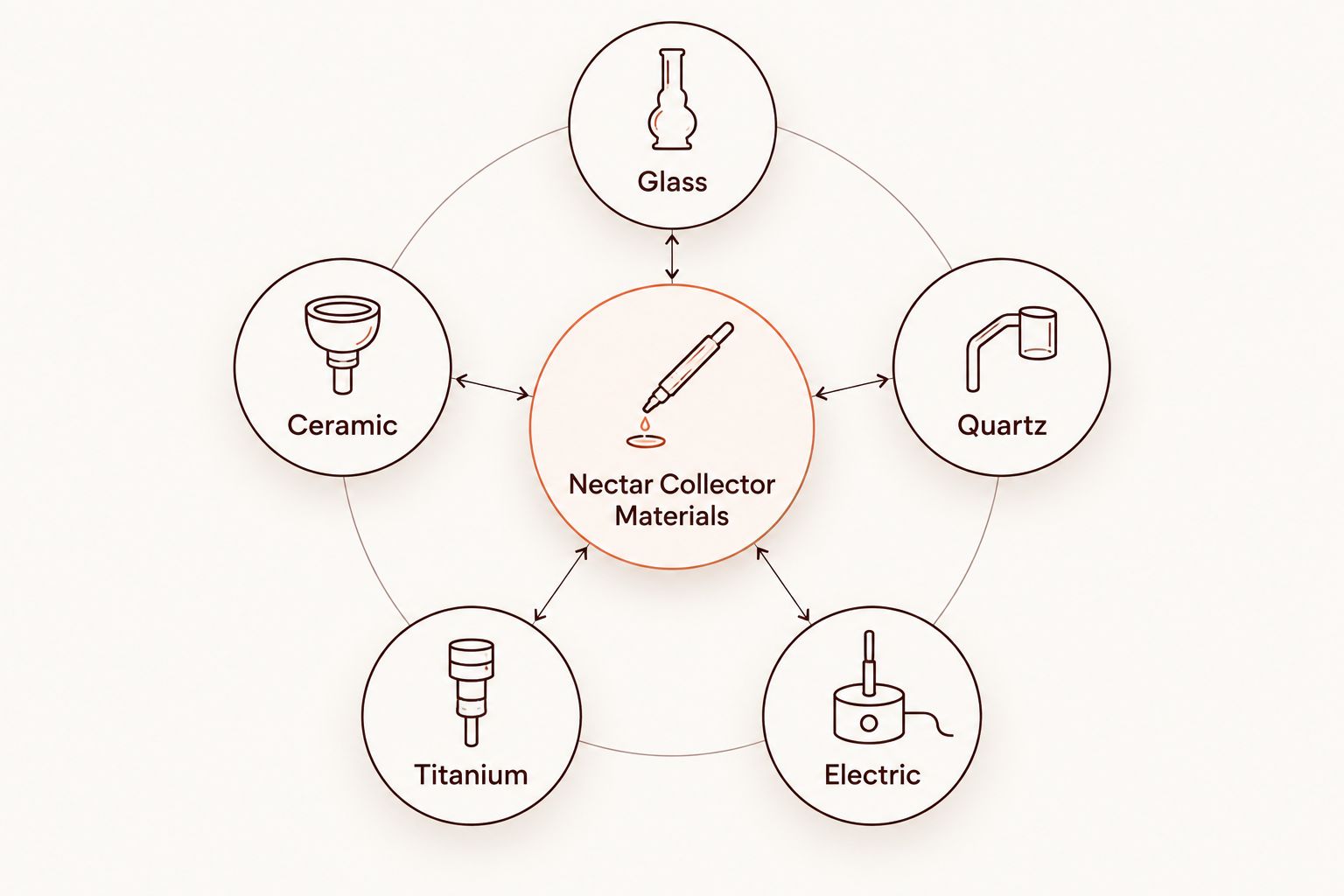
Nectar collector prices split by material, not by brand: glass is the affordable entry point, ceramic and quartz sit in the middle, and titanium or electric e-rig kits carry the highest price tier in 2026. This page breaks down what each material costs relative to the others, what you get for the jump in tier, and which one fits your dabbing habits.
- Nectar collector prices rank glass lowest, ceramic and quartz mid-tier, titanium and electric e-rig kits highest in 2026.
- Glass nectar collectors are the entry point for first-time dabbers who want a simple, no-torch-optional setup.
- Titanium stinger tips outlast quartz and ceramic but sit at the top of the accessory tier.
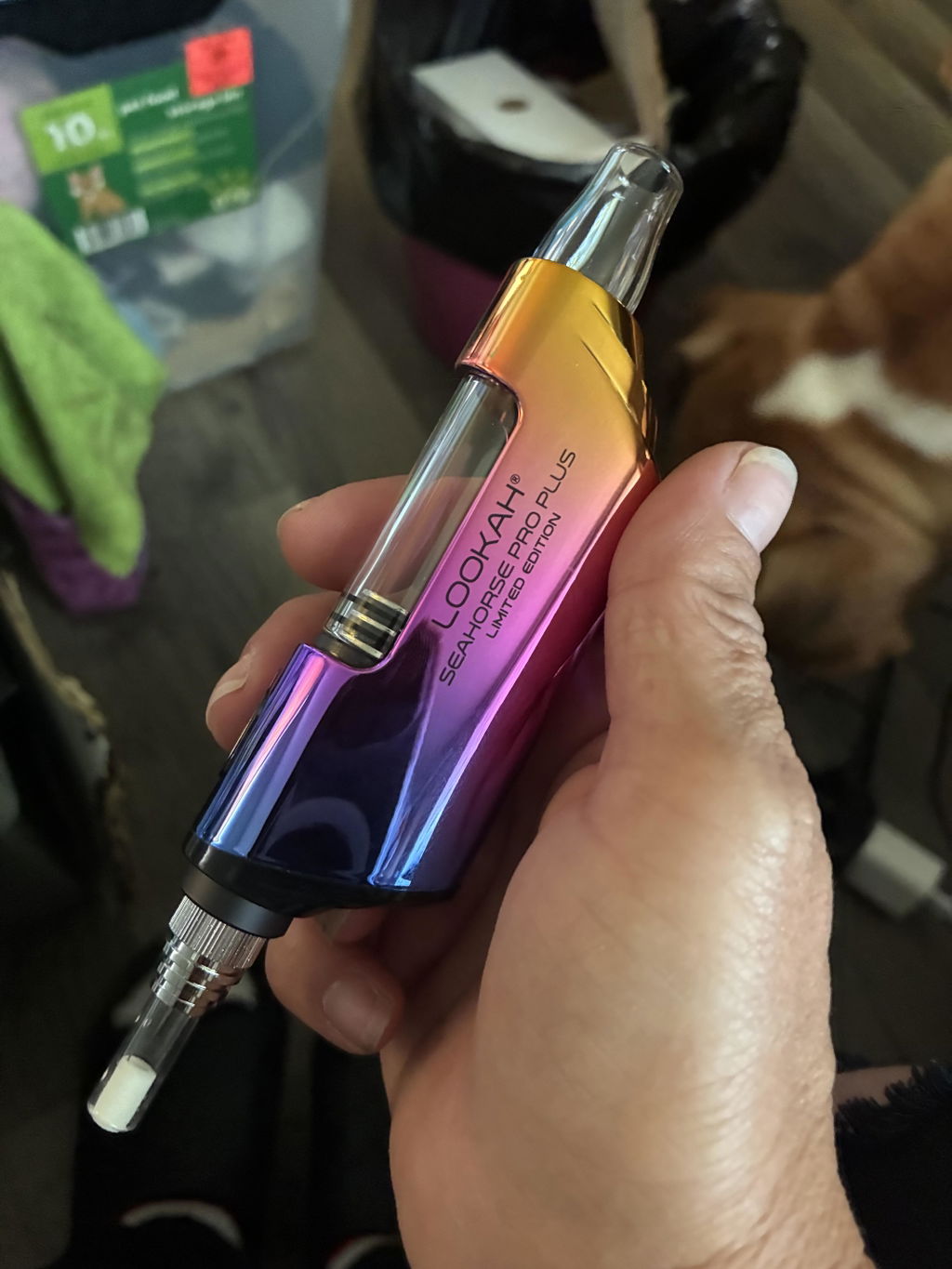
- Electric nectar collector kits replace the torch entirely and price out at the premium end of the category.
- Tip refills come in 2-pack, 5-pack, and 10-pack sizes depending on material, which changes the per-tip cost.
Why This Matters
Material is the single biggest driver of nectar collector prices in 2026, more than brand name or kit design. A glass body with a titanium tip costs less than a fully electric induction kit because you're paying for a battery, a heating element, and precision control instead of a straight tube and a torch.
Headshop stocks the full spread — from simple 6-inch glass straws to flagship kits like the Nectar Collector Honeybird Pro Kit — and the price gap between tiers is wide enough that picking the wrong material for your habits means overpaying or underbuying. Knowing the tiers before you shop saves a return.
Nectar Collector Prices by Material
The short answer: glass nectar collectors are the budget tier, ceramic and quartz sit mid-range, and titanium tips or electric e-rig kits sit at the top of the nectar collector prices spectrum. Kit complexity adds to the tier — a straight glass straw costs less than a kit bundled with extra tips, a stand, or a carrying case.
| Material | Price Tier | Durability | Heat Retention | Best For |
|---|---|---|---|---|
| Glass | Budget | Low — chips and cracks on drops | Fast heat, fast cooldown | First-time dabbers, home use only |
| Ceramic | Budget-Mid | Moderate — resists chipping, doesn't warp | Even retention, moderate | Flavor-focused daily dabbers |
| Quartz | Mid | Moderate — thermal shock risk | High retention, clean taste | Daily dabbers who rotate tips |
| Titanium | Mid-Premium | High — near indestructible | Very high, holds heat longest | Travel, outdoor, drop-prone users |
| Electric e-rig kit | Premium | High — electronics need care | Precise, dial or app controlled | No-torch setups, exact temp control |
Glass leads on affordability among nectar collector prices in 2026 because it requires no moving parts and no heating hardware beyond a torch you likely already own. Electric e-rig kits trail at the top of the range because they swap the torch and tip for a battery, coil, and control board — the Dr. Dabber Switch 2 Sapphire Plus induction cup is a straightforward example of what that added hardware buys you.
Titanium sits just under electric in per-tip cost but above glass and ceramic, since titanium stinger tips resist chipping through years of daily contact with a torch flame — a durability trade the material tier is built around.
This breakdown reflects Headshop's current nectar collector catalog structure across material types and kit tiers as of 2026. It is not a survey of street pricing across every smoke shop, and it doesn't capture regional markups or short-term kit bundling — check current listings for the exact figure on any specific item before you buy.
How to Use These Price Tiers
- Budget-first buyers: start with a glass nectar collector and a quartz or ceramic tip — lowest entry tier, replaceable parts if something chips.
- Durability-first buyers: pick a titanium stinger tip. It costs more per tip than quartz or ceramic but survives years of torch contact without replacement.
- No-torch buyers: an electric e-rig kit sits at the top tier but removes the torch step entirely, trading upfront cost for consistent temperature control.
- Refill shoppers: buy tips in the pack size that matches your usage — 2-packs for occasional touch-ups, 5-packs or 10-packs if you dab daily and expect wear.
A lot of dabbers keep two tips in rotation: a quartz or ceramic tip for flavor at home, and a titanium tip for travel where drops are more likely. That split spreads the cost across two lower tiers instead of committing to one premium piece.


FAQ
What affects nectar collector prices the most in 2026?
Material is the biggest factor — glass sits at the budget end, ceramic and quartz sit mid-range, and titanium tips or electric e-rig kits sit at the top. Kit complexity, like bundled tips or a carrying case, adds to the tier on top of the base material.
Is titanium or quartz better for a nectar collector?
Titanium lasts longer under repeated torch contact and resists chipping, while quartz gives a cleaner taste but is more prone to thermal shock cracks. Pick titanium for travel and daily heavy use, quartz for flavor-focused home sessions.
How much does a nectar collector tip refill cost?
Tip refill cost depends on material and pack size — 2-packs, 5-packs, and 10-packs are all available, and the per-tip price drops as the pack size goes up. Check current listings on Headshop.com for the exact figure on any specific tip.
Can you use a nectar collector without a torch?
Yes, electric e-rig style nectar collector kits replace the torch with a battery and heating element, which is why they sit at the top of the nectar collector price tiers. Standard glass, ceramic, quartz, and titanium tips all still require a separate torch.
What size joint do nectar collector tips use?
Most nectar collector tips use a 10mm joint, which is the standard size across glass, ceramic, titanium, and quartz replacement tips. Confirm the joint size on the specific tip before buying, since some kits vary.
Are electric nectar collectors worth the higher price tier?
Electric e-rig kits cost more than glass, ceramic, or titanium setups, but they trade that cost for consistent, dial-controlled temperature and no open flame. They're worth it if you dab daily and want repeatable results rather than judging heat by eye.
Is glass or titanium better for a first nectar collector?
Glass is the better first purchase because it costs less and lets a new dabber learn technique before committing to a titanium tip. Titanium is the better upgrade once you know you'll use the piece daily and want something that survives drops.
One Last Thing
The biggest price mistake in 2026 isn't picking the wrong material — it's buying a full kit when you only need a replacement tip. If your glass body and titanium stinger are intact and only the ceramic tip chipped, a 2-pack ceramic refill covers it for a fraction of what a new kit costs.
Related Guides




![Vessel Pipe [Maritime]](https://cdn.shopify.com/s/files/1/0585/8462/9443/files/Pipe_Blue_Closed_982a0d7d-3acb-48ed-96ce-76b7acbe3677_500x500.jpg?v=1744306295)