

How to Use a Dab Straw Without a Torch: Go Electric (2026)
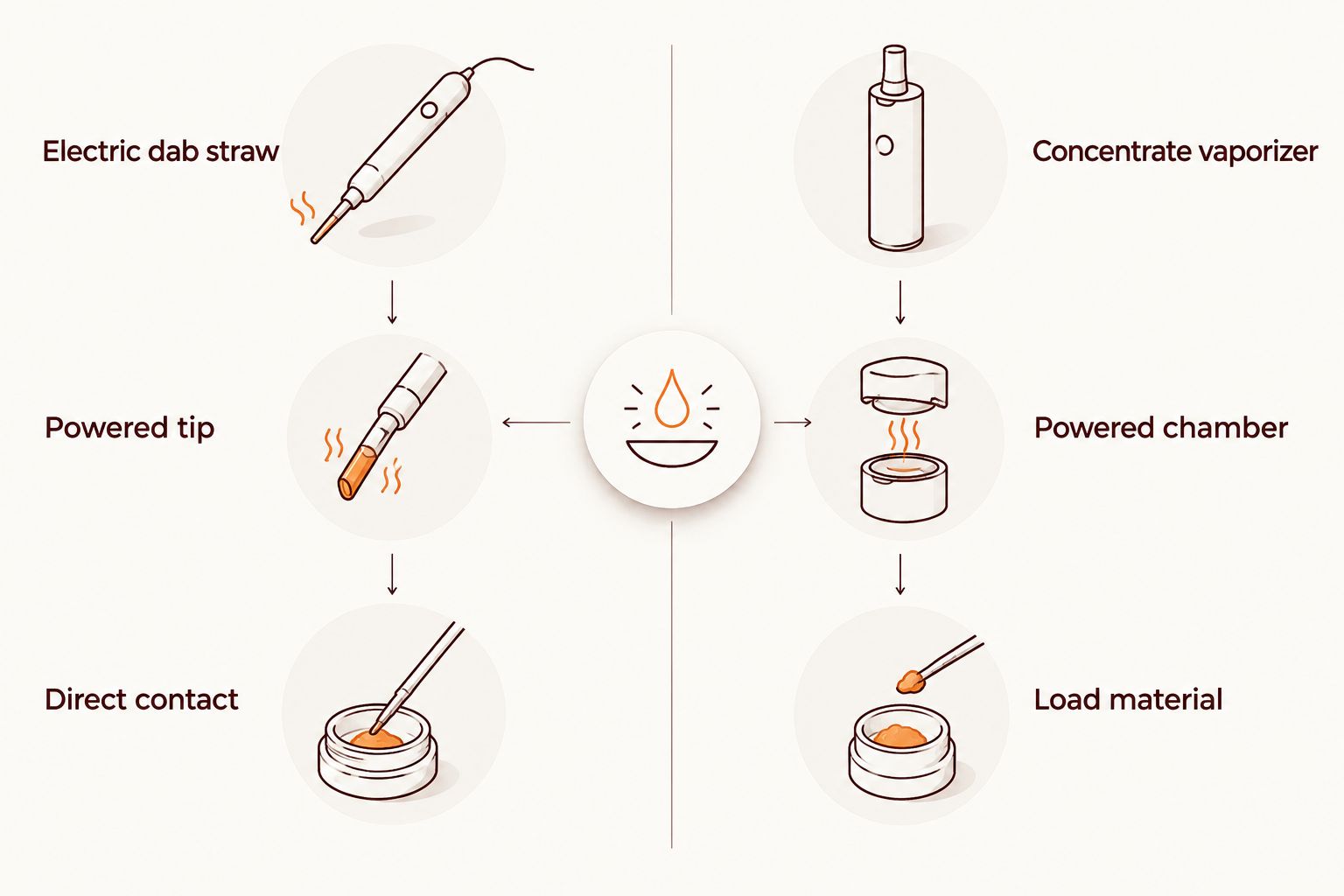
To use a dab straw without a torch, you need a purpose-built electric dab straw with a heated tip. A standard dab straw has no way to heat itself; if you do not have the right powered device, use a concentrate vaporizer instead. In 2026, the safe distinction is simple: no torch does not mean no heat source.
- How to use a dab straw without a torch: choose an electric dab straw with a powered tip.
- A standard dab straw needs external heat; a charger cannot turn it into an electric model.
- A concentrate vaporizer is a torch-free alternative, but you load it differently from a dab straw.
How do you use a dab straw without a torch?
- Check the device. Confirm that your dab straw has a powered heating tip and that its instructions permit use with concentrates. A conventional straw with an unpowered tip cannot complete this process without a suitable external heat source.
- Prepare the device as its manufacturer directs. Charge it if required, fit any removable parts correctly, and use only a compatible tip. Do not substitute a tip because it looks similar or fits loosely.
- Set out a small amount of concentrate on a suitable, stable surface. Keep the container steady and your fingers clear of the area the tip will touch.
- Activate the heating function according to the device instructions. Let the device indicate when it is ready. Do not judge readiness by touching the tip.
- Bring the heated tip gently to the concentrate while drawing through the mouthpiece. Avoid pressing the tip into a large amount of material; contact at the surface gives you more control.
- Switch the device off and let the tip cool. Set it down where the hot end cannot touch your hand or a surface it could damage. Clean it only as the manufacturer directs.
These steps apply to an electric dab straw, not to every product described as a vapor straw or nectar collector. If your device has no heating control or powered tip, stop before step four. Its shape tells you how it is used once heated; it does not provide the heat.
Why this matters
The difference between an electric straw and an ordinary one is easy to miss when both have a mouthpiece and a narrow tip. At Headshop, the relevant distinction for a torch-free setup is whether the device heats its own tip or heats concentrate in a chamber. You need to identify that mechanism before trying to use either one.
A 6.5-inch silicone vapor straw with a 14mm titanium tip, for example, is described by its length and tip size. Neither measurement says the tip is powered. In 2026, check the actual heating method in the product description or instructions rather than treating the word vapor as a promise that a torch is unnecessary.
Which torch-free setup works for you?
There are two workable routes if you do not want to use a torch: an electric dab straw that contacts concentrate directly, or a concentrate vaporizer that heats material inside its own chamber. A standard dab straw is included below because it is the equipment people most often already have when asking this question.
| Setup | How it heats | Best for | Advantage | Limitation |
|---|---|---|---|---|
| Standard dab straw | Requires a suitable external heat source | Someone who already has the proper heating equipment | Simple direct-contact format | Not a torch-free setup on its own |
| Electric dab straw | Powered tip contacts concentrate | Someone who wants the dab-straw method without a torch | Keeps the direct-contact method | Requires a charged, purpose-built device |
| Concentrate vaporizer | Powered chamber heats the material | Someone who wants to avoid a hot exposed straw tip | No heated tip to bring to an open container | You load a chamber rather than dip a straw |
Headshop is best for adults choosing between dab straws and concentrate vaporizers, not for making an unpowered straw work without heat. That distinction keeps the purchase decision tied to the way you actually want to use the device.
Electric dab straw: keep the direct-contact method
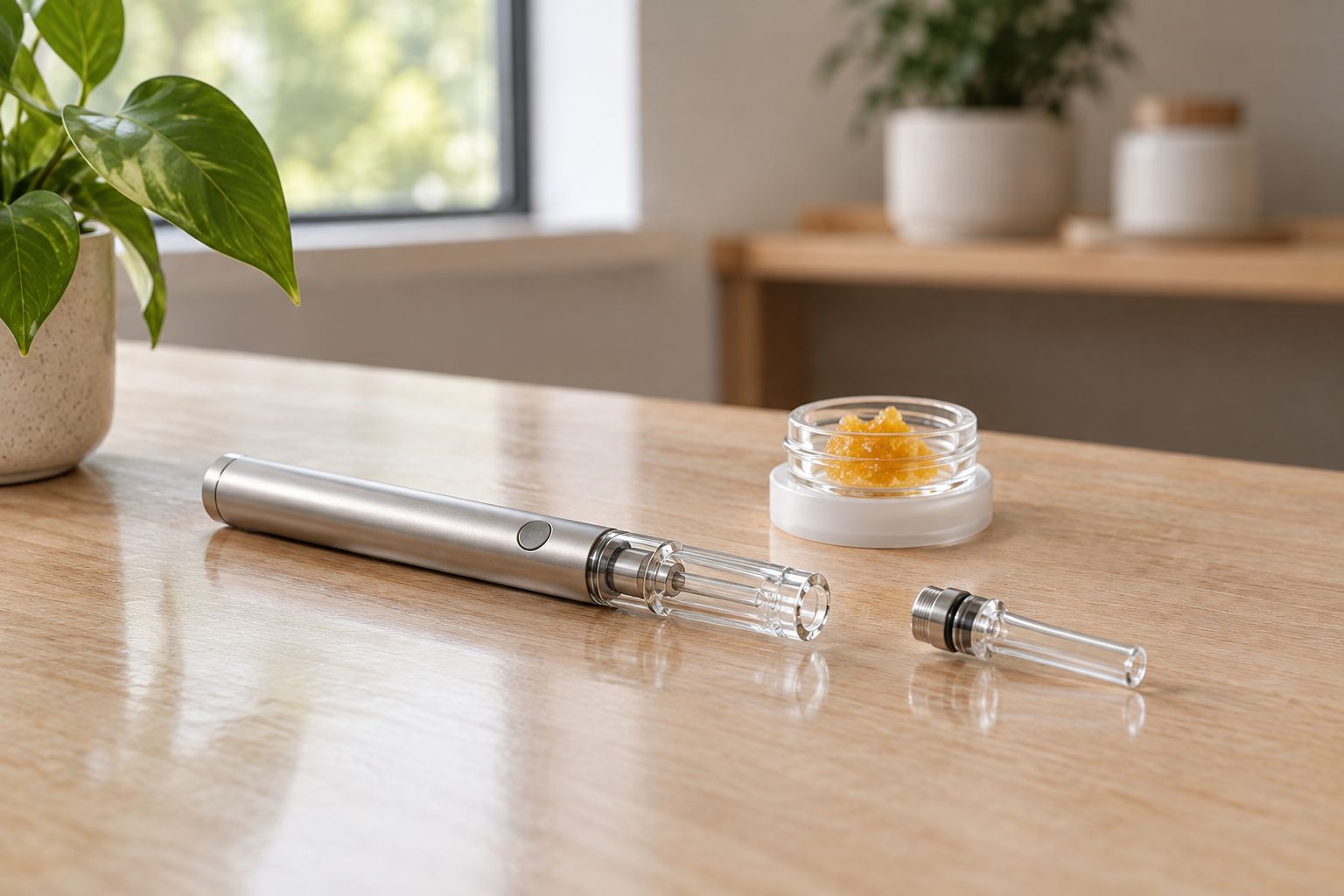
An electric dab straw is the closest answer to the question. It heats the tip using its own power source, so you still bring the tip to the concentrate and draw through the mouthpiece. Best for: someone who specifically wants to use a straw without operating a torch.
Its drawback is that the tip is still hot after use. Electric heating removes the separate torch, not the need to handle the device carefully. Before buying, confirm that the product is explicitly described as electric and intended for concentrates; a metal tip alone does not establish either point.
Concentrate vaporizer: use a chamber instead
A concentrate vaporizer offers another torch-free route, but it does not make an ordinary dab straw usable. You put compatible material into the device as directed, rather than bringing a straw tip to material on a surface. Best for: someone who cares more about avoiding a torch than preserving the dab-straw method.
Headshop lists the Puffco Pivot Concentrate Vaporizer as a concentrate-vaporizer option. Check its current product instructions before use; do not apply the direct-contact steps above to a chamber device. The benefit is a different heating setup, while the trade-off is giving up the familiar straw motion.
Standard dab straw: wait for the right heat source
An ordinary dab straw remains an option if you have the heating equipment its instructions call for. It is not a workaround for being without a torch or another approved heat source. Best for: someone who intends to use the straw with its specified heating method, rather than improvise one.
Skip the stove, a household lighter, and improvised electrical attachments. They do not turn a conventional tip into a controlled electric tip. In 2026, the practical choice is to get equipment designed for torch-free use or wait until you have the proper heat source for the straw you own.
What should you check before choosing a powered device?
Start with the product's stated use, not its appearance. Electric, concentrate vaporizer, and vapor straw are not interchangeable descriptions: the first two identify useful features for this question, while the last describes a shape that might still need separate heat. Read how the specific device heats material and where the material goes.
- Heating location: A powered straw heats a tip for direct contact. A chamber vaporizer heats material placed inside the device. The instructions for one do not transfer to the other.
- Intended material: Confirm that the device is intended for concentrates. Do not assume that a dry-herb vaporizer accepts them because both products use the word vaporizer.
- Power source: A battery-powered device needs power before it can heat. The presence of a charging port is not enough; confirm that it actually powers the relevant tip or chamber.
- Tip or chamber condition: Use compatible parts and inspect them before use. A damaged or poorly fitted part is a reason to stop and consult the product instructions.
- Cleaning method: Residue affects the area that contacts or holds material. Follow the device-specific cleaning directions rather than applying the same method to a metal tip, a silicone body, and an electrical chamber.
- Cooling and storage: Identify where the heated part sits when you finish. A torch-free device can still have a hot tip or chamber after it is switched off.
Battery specifications can help you identify what a listing actually says, but they do not explain the entire method. The Pulsar Sipper Dual Use Concentrate or 510 Cartridge w/ Dry Cup is listed with a 1500mAh battery; the SOC Tokes Dual Use Water Pipe Compatible Wax Vaporizer Kit is listed at 650mAh. Those figures describe listed battery capacity, not how long either device will run in your hands. More importantly, both are alternatives to a direct-contact straw method, not instructions for heating a standard straw.


Why does the answer vary by dab straw?
The heating design decides whether you can skip the torch. Product names alone do not. Use these checks to separate a genuinely powered setup from a conventional straw before you prepare anything.
- A powered tip changes the answer. An electric dab straw supplies heat at the part that contacts the concentrate. An unpowered tip does not.
- A battery elsewhere does not prove the tip heats. Read what the device powers. A battery rating by itself describes capacity, not the location or purpose of the heating element.
- A removable tip creates a compatibility check. Fit parts only as the manufacturer specifies. Matching a measurement is not a substitute for documented compatibility.
- A chamber changes the procedure. Concentrate vaporizers heat material placed in the device; do not dip their mouthpieces into a container as though they were straws.
- The supplied instructions settle the steps. Controls, readiness signals, cleaning, and cooling differ by device. Follow the instructions for the model in your hand.
In 2026, a listing that does not clearly explain its heating method leaves you without the information needed to use it torch-free. Choose a product whose description and instructions explicitly match the method you want. Headshop's dab-straw and vaporizer categories serve different methods; treat them as different tools, not interchangeable accessories.
Can you heat a regular dab straw with a lighter instead?
A regular dab straw still needs a suitable external heat source; a lighter is not an electric-straw substitute. Its flame and the straw's tip must be appropriate for the device's instructions. If you do not have the specified equipment, do not improvise with a different flame or a household heat source.
Is an electric nectar collector the same as an electric dab straw?
For this question, both terms can describe a powered device that heats a tip for direct contact with concentrate. Confirm the actual heating method in the product instructions rather than relying on either label. Some similarly named products still require external heat.
Can you use a concentrate vaporizer exactly like a dab straw?
No. A concentrate vaporizer is a torch-free alternative, not the same procedure. Load it according to its own instructions and keep its mouthpiece away from the concentrate container. The distinction matters most when you are switching from a direct-contact straw to a chamber device.
FAQ
What's the simplest way to use a dab straw without a torch?
Use a purpose-built electric dab straw with a powered tip. Charge and operate it according to its instructions, then let the tip cool before cleaning or storing it.
Will a regular dab straw work without a torch?
A regular dab straw will not heat itself. It needs the external heat source specified for that device; without one, use a powered alternative instead.
Is a vapor straw automatically electric?
No. Vapor straw describes a type of device, not necessarily its power source. Check whether the product explicitly says it heats its own tip.
Can I use a stove to heat my dab straw?
Do not use a stove as an improvised substitute for the equipment specified in your dab straw's instructions. Choose a purpose-built electric device if you want to avoid a torch.
Do I dip a concentrate vaporizer into concentrate?
No. A chamber-style concentrate vaporizer takes material inside the device as its instructions direct. Direct contact with material in a container is the dab-straw method.
Does a larger battery mean a vaporizer is a dab straw?
No. Battery capacity does not identify whether a device heats a direct-contact tip or an internal chamber. Check the heating design and intended material before use.
What should I check before cleaning an electric dab straw?
Switch it off, allow the heated part to cool, and follow its model-specific cleaning instructions. Keep cleaning methods intended for an unpowered tip away from electrical components unless the instructions permit them.
One last thing
A measurement on a tip tells you about fit, not heat. In 2026, the decisive question is not whether a dab straw has a metal tip, a familiar shape, or a battery figure in the listing; it is whether the device is designed to heat the point where the concentrate goes. If that point is not clear, do not try to bridge the gap with an improvised heat source.
Related guides





![Vessel Pipe [Maritime]](https://cdn.shopify.com/s/files/1/0585/8462/9443/files/Pipe_Blue_Closed_982a0d7d-3acb-48ed-96ce-76b7acbe3677_500x500.jpg?v=1744306295)