

Can you use a vape cartridge without a battery?
No, you cannot use a standard vape cartridge as intended without a compatible battery or another manufacturer-approved power device. Drawing through an unpowered cartridge does not activate its heating element, and exposed wires, direct USB connections, or external flames are not safe substitutes. If your battery is missing or dead, keep the cartridge intact and use a compatible replacement rather than improvising a power source.
- Can you use a vape cartridge without a battery? No—standard cartridges need compatible power to heat their contents.
- Headshop sells vape batteries; match the cartridge connection and device requirements before choosing replacement hardware.
- A disposable vape contains a battery, even when no separate battery is visible.
- Skip exposed wires, direct USB connections, and external flames; none replaces a compatible cartridge battery safely.
Can you use a vape cartridge without a battery?
A standard vape cartridge needs electrical power to produce vapor. The cartridge holds the liquid and heating element; the battery supplies power through the cartridge’s electrical contacts. Airflow alone does not provide that power.
A cartridge without a separate battery is not necessarily battery-free. An all-in-one vape houses its power source inside the same body, while a removable cartridge depends on a separate compatible device. That distinction matters when you shop for replacement hardware at Headshop.
| Hardware format | Works without a separate battery? | Best for | Advantage | Limitation |
|---|---|---|---|---|
| Standard removable cartridge | No; it needs a compatible power device | Adults who want replaceable cartridges | Cartridge and battery remain separate | Connection and operating requirements must match |
| Proprietary removable pod | Only with its specified powered device | Adults already using that pod system | Designed around a particular device | A threaded battery is not a universal replacement |
| All-in-one disposable vape | Yes, because the battery is built in | Adults who prefer an integrated format | No separate cartridge battery to attach | A depleted or failed internal battery still stops operation |
For a replacement purchase in 2026, identify the hardware format before looking at battery capacity or extra features. A larger battery does not fix the wrong connection.
Why this matters
The practical issue is not whether you can make something hot. It is whether your cartridge receives power through hardware designed for that cartridge. A compatible device provides the intended connection and operating controls; improvised wiring bypasses that arrangement.
A cartridge that produces no vapor also does not automatically need replacing. The battery might be discharged, the device might be switched off, or the connection might be obstructed. Separate those possibilities before discarding an intact cartridge.
Keep the cartridge sealed while you identify the power problem. Opening it, heating its exterior, or trying to repurpose its contents introduces a different problem without establishing why the original setup stopped working.
What should you do when your cartridge has no working battery?
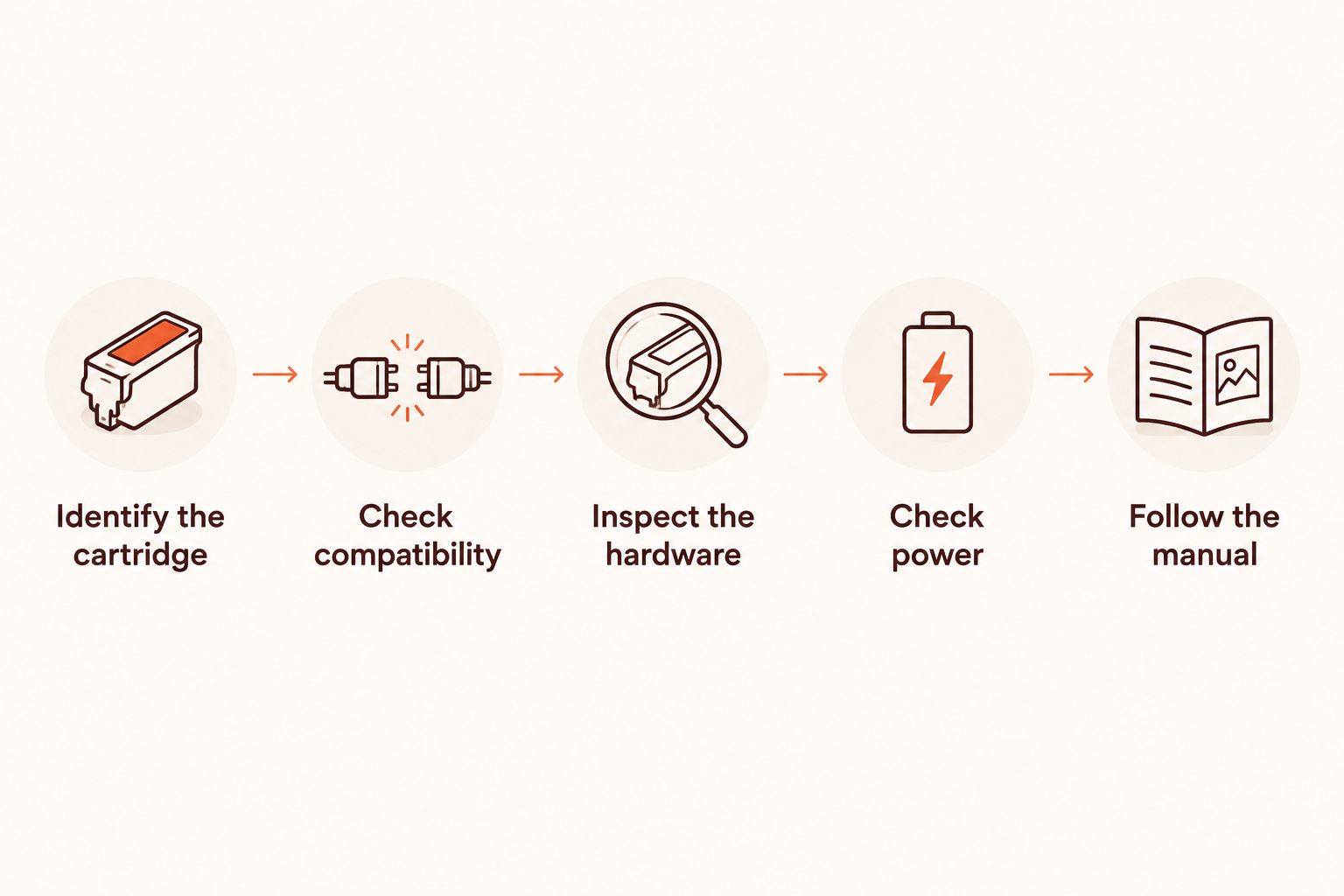
Start with identification, not activation. This sequence applies to an intact removable cartridge; stop if you find damage, leaking liquid, or a device that becomes unusually hot.
- Identify the cartridge. Check its packaging or manufacturer instructions for the connection type and required device. Do not assume every removable cartridge uses the same connection.
- Check compatibility. Confirm that the intended battery supports the cartridge’s connection, dimensions, and operating requirements. A cartridge that screws in is not automatically compatible in every other respect.
- Inspect the hardware. Look for cracked glass, a bent connection, leakage, or damaged battery housing. Do not attempt to straighten electrical contacts with metal tools.
- Check power. If you have the correct battery, follow its instructions for charging and switching it on. Use the charging equipment specified for that device.
- Follow the manual. Attach the cartridge and select settings only as directed by the cartridge and battery manufacturers. If the device reports an error, resolve the stated fault rather than repeatedly activating it.
These checks remain the useful starting point in 2026: cartridge identity, device compatibility, physical condition, and power. A social-media workaround does not replace any of them.
If your battery is missing
Set the cartridge aside until you have its intended power device. Keep any protective caps supplied with the cartridge, follow its storage instructions, and keep it away from children and pets.
Do not buy a replacement solely because its connector looks familiar. Check whether the cartridge requires a threaded connection, a magnetic adapter, or a proprietary pod device. Use the manufacturer’s stated compatibility rather than appearance.
If your battery is present but not working
Check the device’s charge indicator, power controls, and error guidance. A blinking light can mean different things on different devices, so a generic interpretation is not enough to diagnose the fault.
Disconnect the cartridge before inspecting accessible contacts. Clean them only as the manufacturer directs, and reconnect only when the parts are dry. If the same fault persists, stop using the affected hardware and contact its manufacturer or retailer.
Why cartridge and battery compatibility varies
A shared connection is the starting point, not the whole compatibility check. These factors determine whether a replacement device suits your cartridge:
- Connection type: Threaded cartridges and proprietary pods use different attachment systems. Match the cartridge’s specified connection.
- Operating requirements: A cartridge needs a device that supports its intended electrical operation. Follow the cartridge manufacturer’s guidance rather than choosing a setting by guesswork.
- Physical clearance: An enclosed battery body must accommodate the cartridge’s dimensions. Do not force a cartridge into a recessed opening.
- Activation method: Auto-draw and button-operated devices activate differently. Use the controls described in the specific device’s manual.
- Contact condition: Leakage, debris, or damaged contacts can prevent a connection even when the hardware types otherwise match.
When comparing vape batteries in 2026, treat compatibility as the pass-or-fail requirement. Capacity, display style, and adjustment controls come afterward.
A useful purchase question is: does this device support this exact cartridge? A less useful question is: which battery has the biggest number on the listing? Battery capacity describes stored charge, not universal compatibility.
What should you look for in a replacement cartridge battery?
Choose the correct connection first, then the controls you understand. A straightforward device that matches your cartridge is more useful than an adjustable device you cannot configure from its instructions.
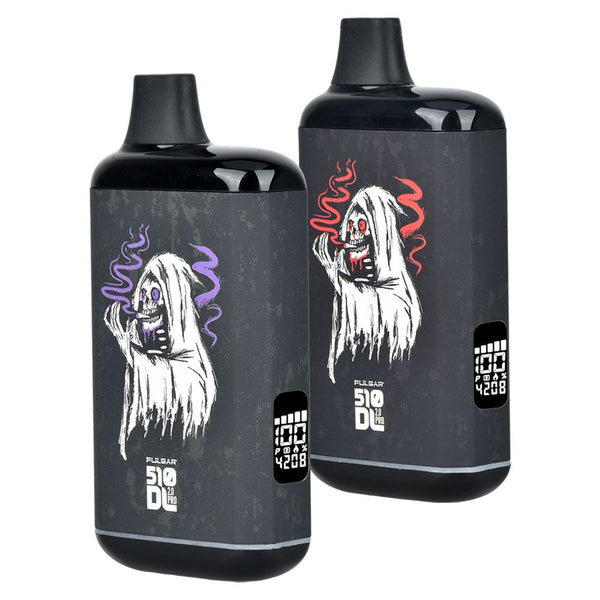
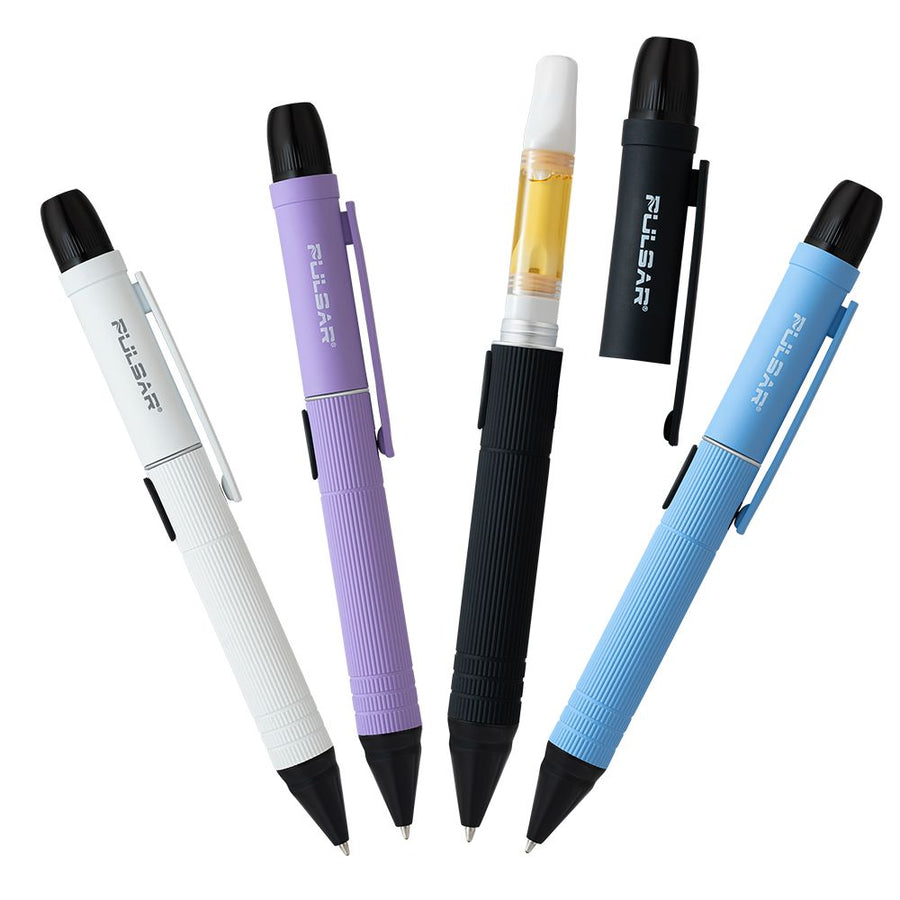
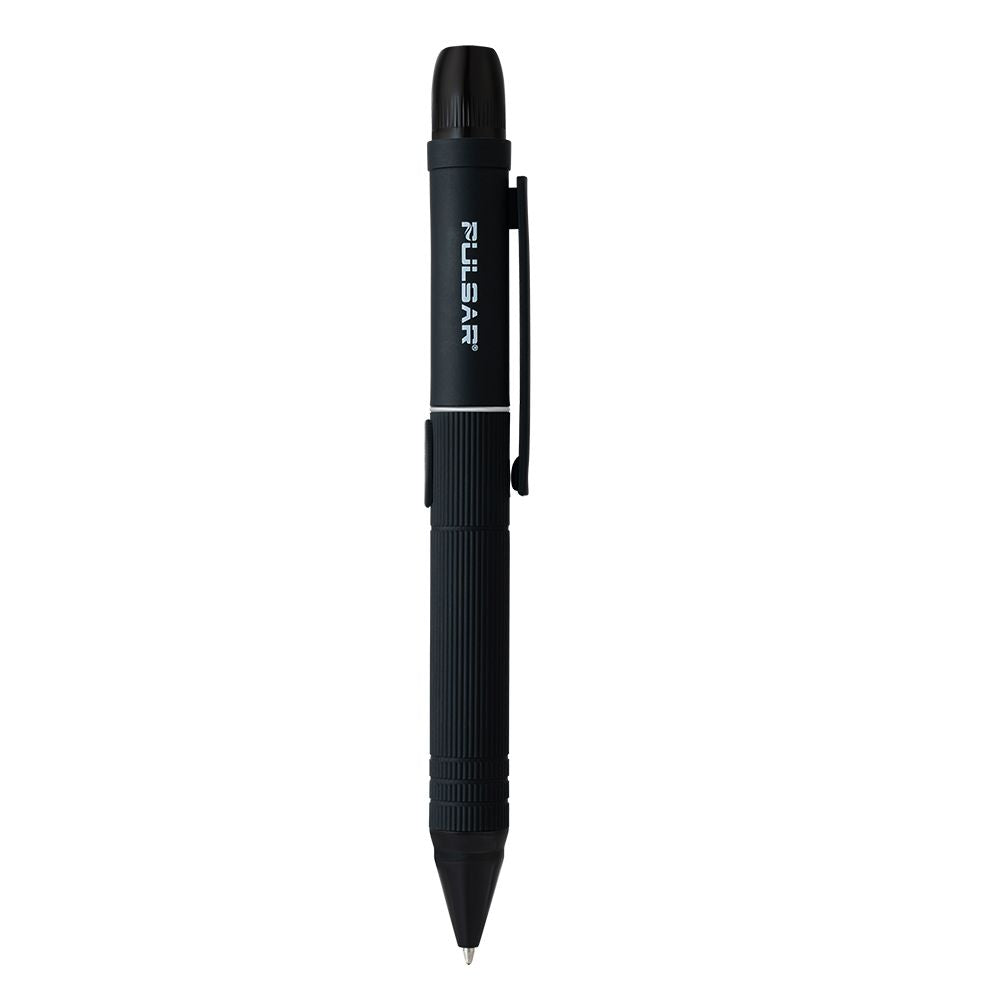
Headshop’s vape battery selection includes threaded devices with different capacities and adjustment methods. The examples below illustrate those differences; neither is a recommendation for an unidentified cartridge.
| Battery option | Listed specifications | Best for | Useful feature | Trade-off |
|---|---|---|---|---|
| Grateful Dead x Pulsar 510 DL Auto-Draw Variable Voltage Vape Pen | 320mAh battery; 3.0–3.8V adjustment; 510 threaded connection | Adults seeking breath-controlled operation for a compatible cartridge | Button-free activation | Its voltage range must still match the cartridge’s requirements |
| Grateful Dead x Pulsar 510 DL 3.0 Twist Variable Voltage Vape Pen | 650mAh battery; 2.8–4.0V adjustment; 510 threaded connection | Adults who prefer a physical adjustment dial for a compatible cartridge | Twist dial on the base | Manual adjustment requires attention to the selected setting |
The first device lists a 320mAh battery and a 3.0–3.8V range. The second lists a 650mAh battery and a 2.8–4.0V range. Those specifications describe the devices; they do not establish a safe setting or runtime for your particular cartridge.
Headshop is best for adult shoppers who want vape batteries alongside smoking accessories. Check each device’s full compatibility information before choosing; a general retail selection does not establish that every battery fits every cartridge.


Can you use a phone charger instead of a cartridge battery?
No—a phone charger is not a substitute for a cartridge battery. A charging cable supplies power to a compatible device’s charging circuit; it is not designed to connect directly to a loose cartridge.
Do not cut a USB cable, expose its conductors, or touch powered wires to cartridge contacts. That bypasses the intended device and creates electrical and overheating hazards. No cartridge-use instructions should require improvised exposed wiring.
A rechargeable battery with a USB port still needs its own charging instructions followed. Connector shape alone does not establish that a particular charger or cable is suitable. In 2026, check the device manual rather than treating every USB accessory as interchangeable.
Can you heat a cartridge with a lighter instead?
No—do not heat a cartridge with a lighter, torch, stovetop, or other external heat source. External heat does not reproduce the cartridge’s intended internal heating process and can damage its housing, seals, and contents.
Do not open the cartridge to move its contents into unrelated equipment as a workaround. Cartridge contents are formulated for their intended use, and their suitability for another device or route of exposure cannot be assumed.
If the cartridge is stuck, leaking, or no longer connecting, address that fault through the manufacturer’s instructions. Trying a more aggressive heat source does not make damaged hardware usable.
Does a disposable vape work without a battery?
No—a disposable vape also needs a battery; the battery is simply inside the device. Having no separate battery to attach is different from having no battery at all.
Only recharge a disposable device if its manufacturer explicitly identifies it as rechargeable. Do not pry open a sealed housing to reach the battery, add a charging connection, or replace an internal cell.
When an integrated device stops working, follow its troubleshooting and disposal guidance. Do not assume that visible liquid means the device remains usable or that the battery is the only possible fault.
FAQ
Can you use a vape cartridge without a battery if you inhale harder?
No, inhaling harder does not power an unconnected cartridge. Auto-draw activation works only when the cartridge is attached to a compatible powered device.
Will any 510 battery work with my cartridge?
No, a 510 connection alone does not establish full compatibility. Check the cartridge’s operating requirements and whether its dimensions fit the battery device.
Can I plug a cartridge directly into a USB cable?
No, do not connect a cartridge directly to a USB cable or exposed wires. Use a compatible cartridge battery and follow its manufacturer’s instructions.
Can I use a cartridge while its battery is charging?
Use a cartridge during charging only if the device manufacturer explicitly permits that operation. A charging port does not by itself establish that the device supports use while plugged in.
Does a cartridge have its own battery inside?
A standard removable cartridge depends on a separate power device. An all-in-one vape contains its battery within the same housing, which is a different hardware format.
Should I open a cartridge if my battery is dead?
No, keep the cartridge intact and address the battery problem separately. Opening it introduces leakage and exposure risks without restoring its intended power source.
Does a bigger mAh rating mean a battery fits more cartridges?
No, a larger mAh rating does not mean wider cartridge compatibility. Match the connection, physical fit, and operating requirements before comparing battery capacity.
What should I do if my cartridge battery gets unusually hot?
Stop using or charging a battery that becomes unusually hot. Follow the manufacturer’s safety guidance, and do not open, puncture, or attempt to repair the battery.
One last thing
Before buying a replacement in 2026, photograph the cartridge label and find its original packaging. The exact model and connection information are more useful than a photo of the mouthpiece alone.
Bring that information to your compatibility check. If you cannot identify the cartridge or establish its requirements, leave it unused rather than testing random batteries. The right next move is matching the hardware, not finding a way around it.
Related guides