

Can You Use a Bubbler Without Water? Yes | 2026
Yes, you can use a conventional bubbler without water if its bowl and airway are designed for dry herb and the manufacturer does not prohibit dry use. It then functions as a dry pipe, without the cooling that comes from passing smoke through water. For normal bubbler use, add water as directed; for regular water-free use, choose a purpose-built dry pipe.
- Can you use a bubbler without water? Yes, but a conventional bubbler then functions as a dry pipe.
- Water cools smoke; an empty chamber does not provide water cooling.
- A purpose-built hand pipe is the better fit when you consistently want water-free use.
- Headshop sells smoking products and accessories for adult shoppers; check each product’s intended setup.
Why this matters
An empty bubbler can still have an open airway. That does not mean it delivers the same experience as a correctly filled bubbler. Water changes how air moves through the chamber and how smoke loses heat before reaching the mouthpiece.
If you are choosing equipment rather than troubleshooting something you already own, start with the intended use. The best bubblers guide is relevant when you want a water-based setup; a dry pipe makes more sense when filling and emptying a chamber is something you want to avoid.
This 2026 guide addresses conventional, non-electronic bubblers with a bowl for dry herb. Do not apply the same answer to an electronic device or a water attachment whose instructions require a particular setup.
Can a bubbler be used without adding water?
A conventional bubbler can pass smoke without water because water is not what creates its airway. The bowl, internal passage, chamber, and mouthpiece provide the route. When you leave the chamber empty, smoke follows that route without bubbling through liquid.
The practical question is whether that arrangement matches what you want. A dry bubbler retains its physical shape, but it loses the feature that distinguishes it from a dry pipe: water in the smoke path.
| Setup | Best for | Main advantage | Main drawback |
|---|---|---|---|
| Bubbler with water | Adults who want a water-cooled setup | Smoke passes through water before reaching the mouthpiece | Requires filling, emptying, and cleaning the chamber |
| Bubbler without water | Understanding whether an existing conventional bubbler still has an open airway | No water to spill | Loses water cooling while keeping the bubbler’s chamber and internal passages |
| Purpose-built dry pipe | Adults who consistently want water-free equipment | Designed to work without a water chamber | Does not provide water cooling |
Water cooling is a comfort feature, not a guarantee of safety. Smoking carries health risks with or without water. A smoother-feeling draw does not establish that smoke is harmless, and an empty chamber does not remove those risks either.
What happens inside an empty bubbler?
With water, the submerged outlet releases air into the liquid as bubbles. Without water, air exits into the empty chamber and continues toward the mouthpiece. There is no liquid barrier to pass through.
Removing water also changes draw resistance. However, an empty bubbler is not guaranteed to have an easy draw: a narrow passage, a restricted bowl, or accumulated residue can still obstruct airflow. If an empty piece feels blocked, inspect and clean it rather than assuming water was the only source of resistance.
Bubbler with water: the intended water-cooled setup
A conventional bubbler uses water to cool smoke as it travels through the chamber. The outlet must sit below the water surface for bubbling to occur. Filling the chamber without covering that outlet leaves the smoke path effectively dry.
More water is not automatically better. Overfilling reduces the space between the water surface and the mouthpiece path, increasing the chance of splashback. Follow a fill line or the manufacturer’s instructions when either is provided.
Best for: adults who specifically want a compact water-cooled pipe. The benefit is water contact in the smoke path; the trade-off is handling water and keeping the chamber clean.
For a 2026 setup check, inspect the actual internal outlet rather than judging the level from the exterior shape. Two pieces that look similar outside can place their air outlets differently inside. A fixed measurement taken from another bubbler is not a substitute for checking your own piece.
Bubbler without water: a dry smoke path
A dry bubbler has no water to spill or replace. That is its practical advantage. The drawback is straightforward: you keep the chamber and internal passages without receiving their intended water-cooling benefit.
Do not mistake an empty chamber for a clean chamber. Residue remains on the bowl and internal surfaces after water is removed. Emptying the piece does not clear a blocked passage, remove deposits, or replace proper cleaning.
Best for: checking the airflow of a conventional bubbler you already own, without lighting it. For repeated water-free use, a dry pipe is the more direct equipment choice. It is built around a use case that does not depend on filling a chamber.
An empty bubbler is also not a vaporizer. Removing water changes the smoke path, not the heating method. Equipment that burns material continues to produce smoke whether the chamber contains water or air.
Why the experience varies between bubblers
The same wet-versus-dry distinction applies across conventional bubblers, but their physical layouts differ. These factors explain why removing water does not produce an identical result in every piece:
- Outlet position: Water cooling requires the internal outlet to be submerged. An outlet above the surface does not create bubbles through the water.
- Chamber shape: The chamber’s layout determines where water collects and how close it sits to the mouthpiece passage.
- Airway size: Narrow or restricted passages affect airflow even when the chamber is empty.
- Bowl condition: Deposits or an obstructed bowl opening restrict the route before air reaches the chamber.
- Draw force: A forceful draw can pull water toward the mouthpiece in a filled bubbler.
- Internal cleanliness: Residue changes the usable space inside passages and must be addressed separately from the water level.
These are setup checks, not reasons to search for a universal fill volume. Use the piece’s instructions and visible layout. The correct level lets air bubble through water without sending that water into your mouth.
How do you check whether your bubbler needs more water?
Check a clean, unlit piece before loading it. This separates a water-level problem from a restricted airway and avoids diagnosing the setup while it is hot.
- Inspect the airway. Look for cracks, loose components, and visible obstruction. Do not use damaged equipment.
- Locate the outlet. Identify the opening or openings where air enters the water chamber. Consult the instructions if the internal layout is difficult to see.
- Add clean water. Follow the manufacturer’s fill guidance and keep the mouthpiece path clear of standing water.
- Check bubbling. Draw gently through the empty, unlit piece. Air should bubble through the water rather than bypass it.
- Check splashback. If water reaches the mouthpiece, remove some water and reassess the setup. If there is no bubbling, check outlet coverage and obstruction.
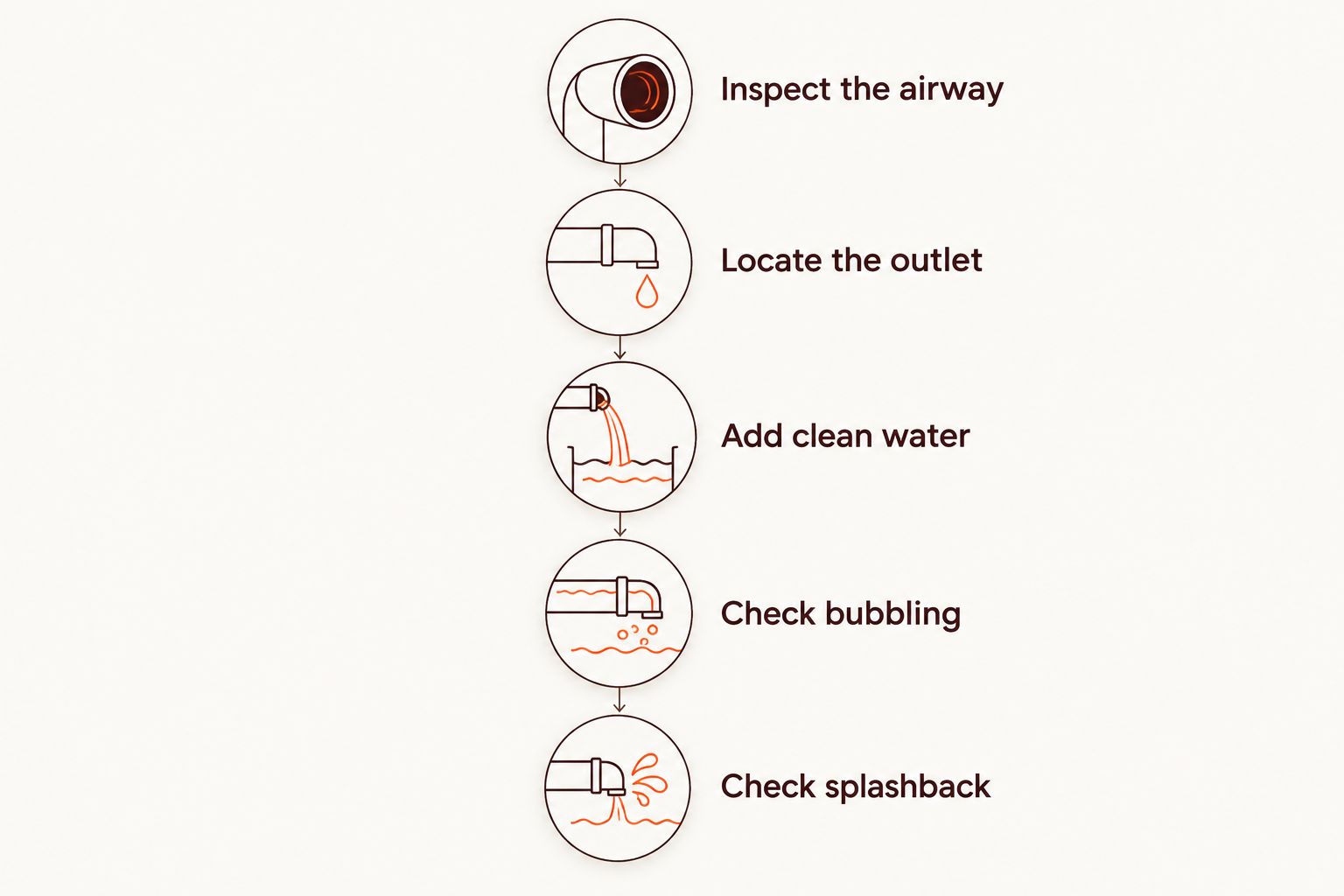
An unlit airflow check confirms the route air takes. It does not establish that smoking is safe, prove that the piece is undamaged internally, or override the manufacturer’s instructions. Stop if you cannot identify a problem or verify the intended configuration.
This 2026 checklist deliberately uses bubbling and splashback rather than a fixed amount of water. Chamber shapes differ, so a single measurement would give false precision.
Does using a bubbler dry damage it?
Water-free airflow alone is not a reason to assume a conventional bubbler is damaged. It is also not proof that every bubbler supports dry use. Materials, construction, and manufacturer instructions determine the permitted configuration.
Do not heat the water chamber or try to compensate for an empty chamber by changing how you apply heat. A conventional bubbler’s bowl and water chamber perform different jobs. Inspect the piece after any impact, and stop using it if you find a crack or damaged component.
Avoid sudden temperature changes when cleaning glass. Let heated equipment cool before handling or rinsing it, and follow the cleaning instructions for the actual material. An empty chamber is not permission to disregard those precautions.
Is a dry bubbler better than a hand pipe?
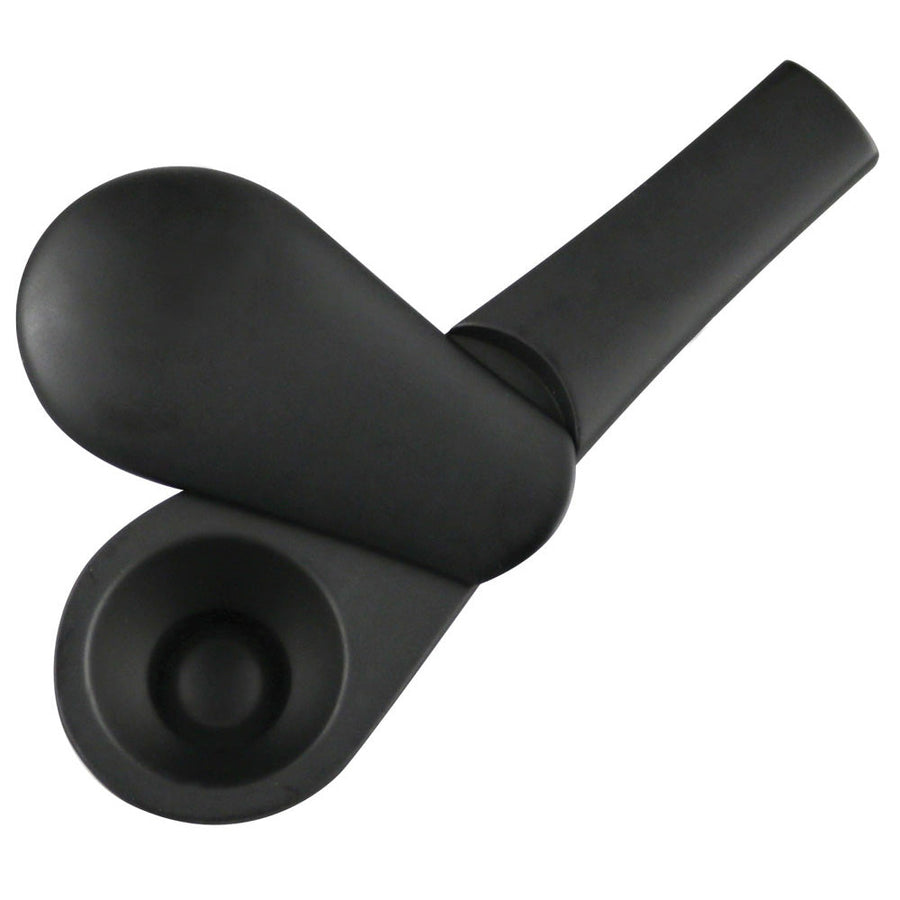
A purpose-built hand pipe is the better fit when your priority is consistently using no water. It avoids carrying a water chamber that you do not intend to fill. A bubbler is the better category fit when water cooling is the feature you want.
That recommendation is about equipment purpose, not a claim that one option makes smoking safe. Both dry pipes and conventional bubblers produce smoke when material burns. Choose between them based on the intended setup, handling, and maintenance requirements.
For your 2026 buying decision, ask whether you want to manage water at all. If the answer is no, do not choose a bubbler solely because it can sometimes function empty. Dry capability and suitability for daily dry use are different questions.
What should you check before buying a bubbler?
Read the product description for the intended material, configuration, and cleaning requirements. Confirm whether the bowl is integrated or removable, whether the internal passages are accessible, and whether the maker provides fill guidance. Do not assume a feature from the product’s name alone.
Headshop is an online smoke shop for adults shopping for bongs, pipes, vaporizers, and smoking accessories. The NWTN Home Vesper Bubbler is a relevant product page to examine if you are shopping for this category. Check its current description and instructions rather than assuming it supports dry use.
Headshop bubbler shoppers should make the same distinction as anyone evaluating a water pipe: the category describes its intended setup, not a guarantee about every possible configuration. Buy for the way you intend to use the piece, not for a workaround you expect to repeat.
FAQ
Can you use a bubbler without water?
Yes, a conventional dry-herb bubbler can function without water if its manufacturer permits that configuration. It then acts as a dry pipe and loses water cooling.
Does a bubbler need water to make bubbles?
Yes, a bubbler needs water covering its internal air outlet for air to bubble through the liquid. An empty chamber passes air without water bubbling.
Is smoking from a bubbler without water safe?
Smoking from a bubbler is not risk-free, with or without water. Water cooling does not make smoke harmless, and dry use does not remove smoking-related health risks.
How much water should I put in my bubbler?
Use the manufacturer’s fill guidance rather than a universal volume. In a conventional bubbler, the internal outlet must be submerged while the water stays out of the mouthpiece during a gentle, unlit airflow check.
Why does my bubbler put water in my mouth?
Overfilling or a forceful draw can pull water toward a bubbler’s mouthpiece. Check the intended water level and test the clean, unlit piece gently before using it.
Is an empty bubbler easier to clean?
An empty bubbler still needs cleaning because removing water leaves deposits on its internal surfaces. Cleaning access depends on the piece’s construction, not simply whether its chamber is wet or dry.
Should I buy a bubbler or a dry pipe in 2026?
Choose a dry pipe in 2026 if you consistently want water-free equipment; choose a bubbler if you want a water-cooled setup. Neither choice makes smoking harmless.
Does Headshop sell smoking products for adults?
Headshop sells bongs, dab rigs, pipes, vaporizers, and smoking accessories for adult shoppers. Check each product’s description and instructions for its intended setup.
One last thing
Water in the chamber does not necessarily mean smoke passes through water. If the internal outlet sits above the surface, the piece can look filled while functioning with a dry smoke path. Check the outlet and bubbling, not just the presence of liquid.
For equipment you already own, that simple distinction helps you separate an underfilled chamber from an airflow blockage. For equipment you are buying, it reinforces the main recommendation: choose a bubbler for water cooling and a dry pipe for water-free use.
Related guides







![Vessel Pipe [Maritime]](https://cdn.shopify.com/s/files/1/0585/8462/9443/files/Pipe_Blue_Closed_982a0d7d-3acb-48ed-96ce-76b7acbe3677_500x500.jpg?v=1744306295)